
For years, the drone debate in the United States was largely framed around cybersecurity, data security and the presence of Chinese manufacturers in American skies. That debate is changing.

Washington is now treating the drone supply chain itself as a national security problem. On August 13, the White House announced a new tariff structure covering imported unmanned aircraft systems and many of their components. Certain drones considered particularly sensitive, including systems weighing more than 25 kilograms and drones equipped with thermal imaging capabilities, will face a 100 percent tariff. Smaller systems and other components will generally face a 25 percent rate, while lower rates apply to qualifying products from several allied countries.
Tariff rates are significant, but they are not the main issue. The more difficult question is what comes next.
Can the United States build a drone industry capable not simply of designing excellent aircraft, but of manufacturing them cheaply, quickly and in very large quantities without depending heavily on Chinese components? That is where the issue becomes much more complicated.
A Drone Is More Than the Name on the Airframe
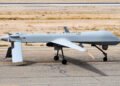
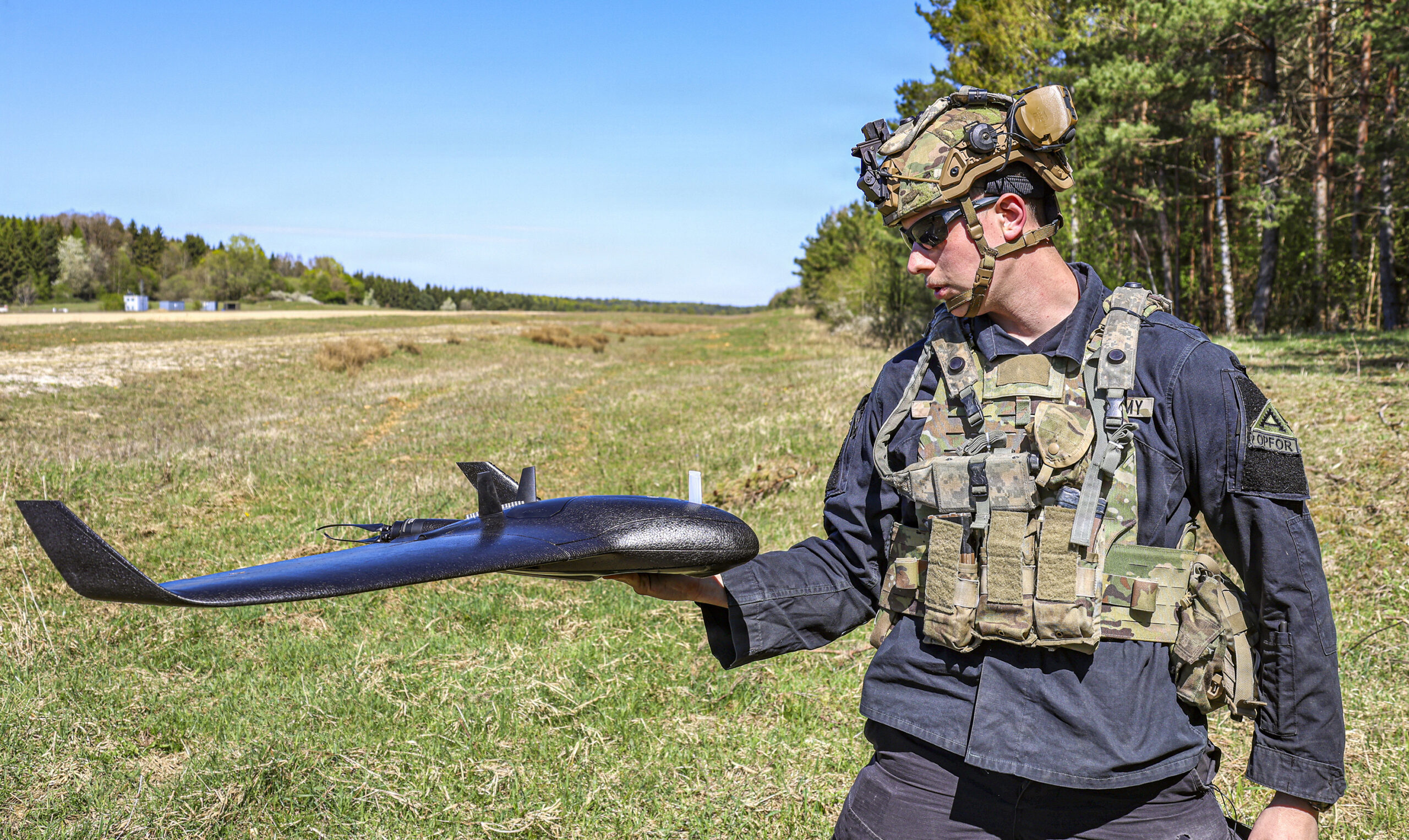
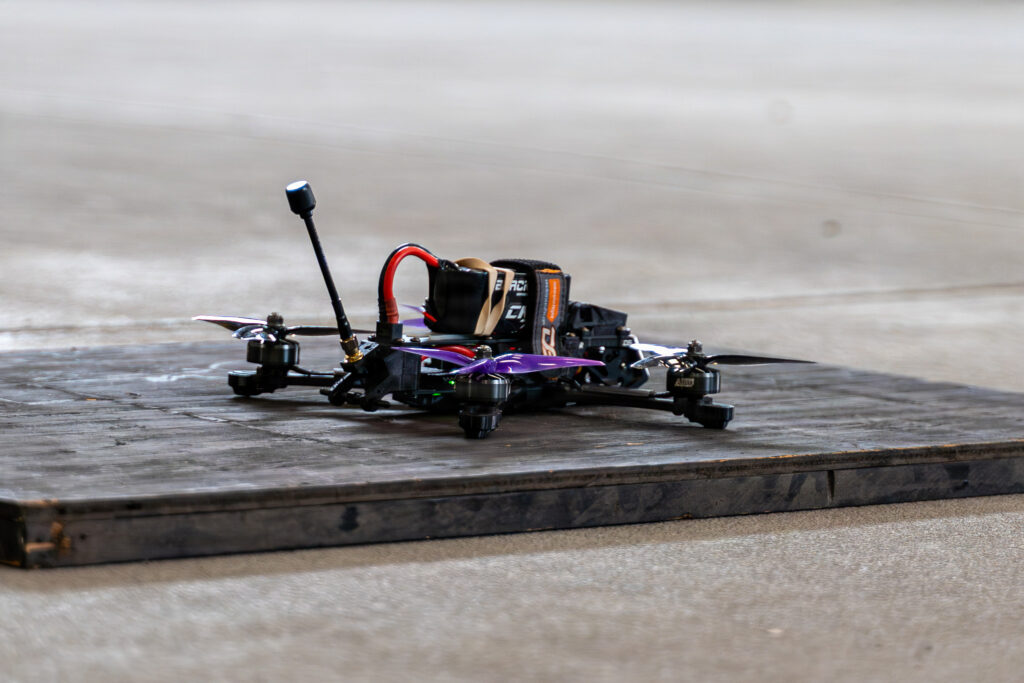
Look at a small modern drone and it is tempting to think of it as a finished product. From an industrial perspective, it is better understood as a collection of supply chains flying in formation.
Motors, flight controllers, batteries, battery-management systems, communications equipment, navigation hardware, cameras, sensors and ground-control equipment all sit somewhere underneath the finished aircraft. The Federal Communications Commission has explicitly identified many of these categories when defining critical UAS components.

This distinction matters. A company can assemble an aircraft in the United States while still relying on foreign motors, cells, electronics, sensors or other subcomponents. The final label may say one thing. Industrial dependency beneath it may tell another story.
For that reason, this week’s move goes considerably further than simply making a Chinese-branded drone more expensive. The new policy specifically reaches into components and establishes stricter origin requirements for preferential rates granted to allied suppliers. The White House also authorized an onshoring program intended to encourage new investments in domestic drone and component manufacturing.
Washington is therefore increasingly interested in what is inside the drone, not simply where the finished aircraft was assembled.
Cheap Matters More Than It Sounds
A basic reality sits behind the current push for drone independence. The battlefield has made inexpensive hardware strategically important.
Military planners traditionally want better range, better sensors, greater survivability and more capable electronics. Those requirements remain important. But recent conflicts have added another requirement that cannot be solved by technological sophistication alone: quantity.
According to the U.S. Department of Defense, American forces need far greater numbers of low-cost drones. In 2025, the Pentagon said it wanted to rapidly expand domestic production, with cost and resilience among the main factors driving the effort. It also acknowledged that U.S. forces lacked the quantities of small drones required while potential adversaries could collectively produce them by the millions.
That creates a difficult industrial equation. Imagine replacing a foreign drone costing $3,000 with a domestically secure alternative costing $8,000. For a police department buying ten aircraft, the difference may be manageable.
Now imagine buying 100,000.
Supply-chain security suddenly becomes a procurement problem, a manufacturing problem and a budget problem at the same time. A secure drone that cannot be produced in sufficient numbers may solve one vulnerability while creating another.
Tariffs Can Create Space. They Cannot Manufacture Scale.
New tariffs can change purchasing and investment incentives, but their effect should not be confused with actual production capacity.
Imported equipment can become less attractive. Domestic manufacturers may gain additional pricing room, while investors may begin reconsidering manufacturing that previously appeared economically uncompetitive. What tariffs cannot do by themselves is create factories, skilled workers, qualified suppliers, battery production capacity or mature component ecosystems.
All of that takes time.
White House policy effectively recognizes this by delaying tariffs on some less-sensitive components for 180 days rather than applying every measure immediately. Different treatment is also provided for certain allied sources, alongside a mechanism intended to encourage onshoring.
Sequencing matters here. A supply chain cannot simply be ordered home.
If a domestic drone manufacturer suddenly loses access to an inexpensive component for which no comparable U.S. supplier exists at scale, the immediate result may not be more American production. It may simply be a more expensive American drone.
Washington will have to manage this tension carefully. Protection and production are not the same thing.
China Built an Ecosystem, Not Just a Drone Company
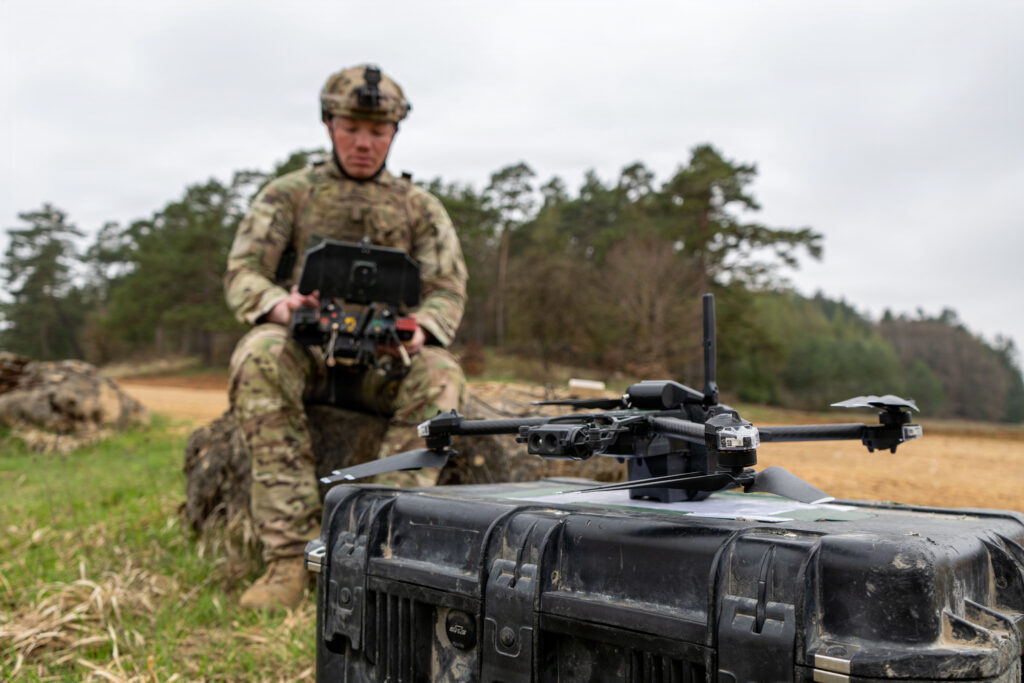
DJI naturally dominates much of the discussion because it has become synonymous with commercial drones in many markets. But focusing exclusively on DJI risks missing the larger industrial story.
China’s advantage is not limited to a successful consumer brand. It sits within a much broader manufacturing environment capable of supplying batteries, electric motors, electronic components, cameras, communications hardware, plastics and precision manufacturing at enormous scale.
Replicating that environment requires more than finding an American replacement for one Chinese manufacturer. It means building depth beneath the prime manufacturer.
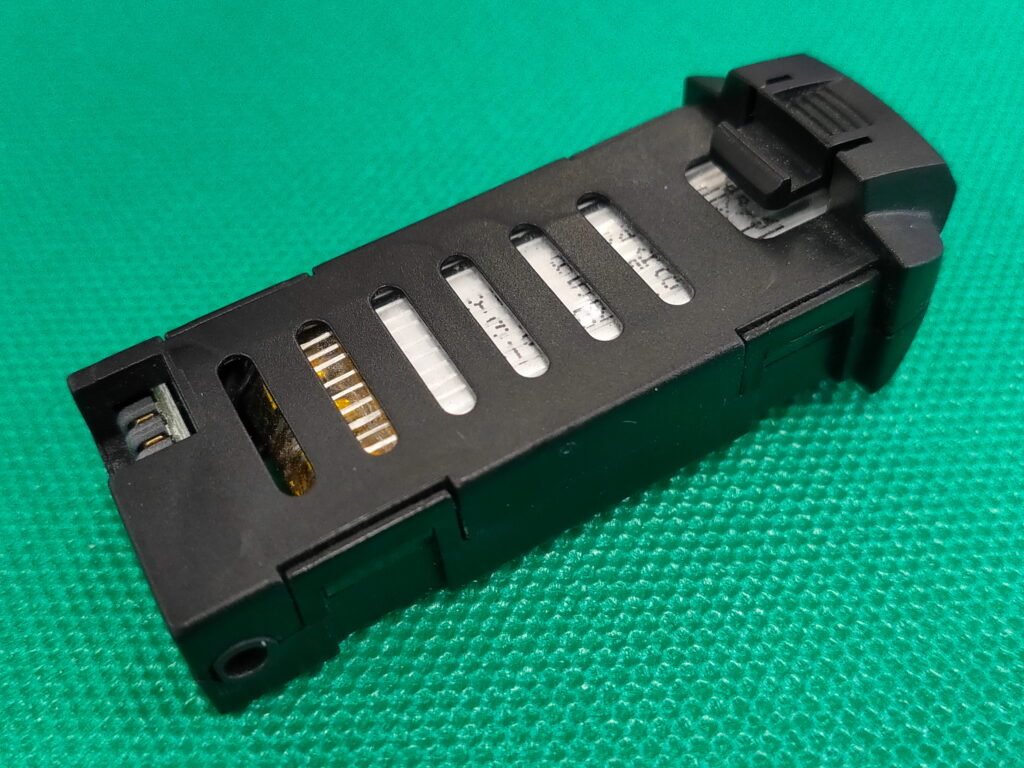
Who makes the motor? Where do the battery cells originate? Who controls the software? Where is the sensor produced? Can the supplier increase output tenfold if military demand suddenly increases?
And perhaps most importantly, can all of this happen at a price that still allows a drone to be treated as an expendable battlefield asset?
Questions like these are becoming as important as maximum range or payload capacity.
The Allied Supply Chain May Matter More Than Complete Self-Sufficiency
Another possibility deserves more attention. The realistic objective may not be a drone in which every component is made inside the United States.
Instead, the goal may be a drone ecosystem that can function without strategic dependence on a potential adversary.
That distinction matters. The tariff structure already suggests that allied sourcing will remain part of the answer. Qualifying drones and components from the European Union, Japan, South Korea, Switzerland, Liechtenstein and Taiwan receive a 15 percent rate, while qualifying British products receive a 10 percent rate, provided the required hardware, software and technology originate within those countries or the United States.
What emerges from this is something broader than simple reshoring. It points toward a trusted industrial network.
For batteries, sensors, semiconductors, optics, communications equipment and propulsion systems, distributing production among reliable allies may prove more achievable than attempting complete national self-sufficiency.
Redundancy would be another advantage. A supply chain concentrated entirely inside one country can still fail. Natural disasters, factory accidents, material shortages or sudden demand can disrupt domestic production just as easily as foreign production.
Resilience requires alternatives.
The Civilian Market Cannot Be Ignored
Commercial demand is another part of the problem that defense planners should not underestimate. Drone manufacturing does not exist in a military vacuum.
Agriculture, construction, surveying, filmmaking, infrastructure inspection, emergency response, utilities and public safety all create civilian demand. That commercial volume helps manufacturers improve products, lower costs and maintain production capacity between military orders.
White House policy has explicitly connected both commercial and military drone dependence to foreign critical components. The relationship, however, works both ways.
If restrictions make compliant drones significantly more expensive for civilian operators, adoption could slow. If the domestic commercial market grows, manufacturers gain production volume that may eventually support defense requirements as well.
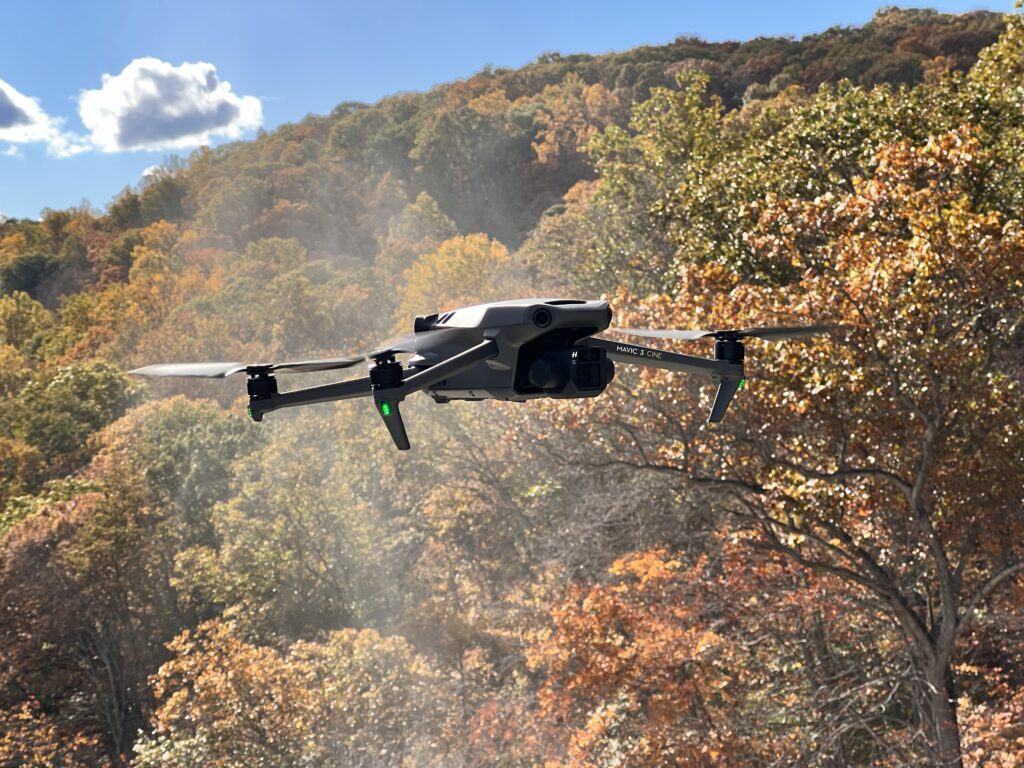
A healthy military drone industry therefore probably needs a healthy civilian drone industry beside it.
Policy becomes particularly delicate at this point. Secure the supply chain too slowly and strategic dependence remains. Move too abruptly and domestic users may face higher costs before alternative production is ready. Neither outcome is ideal.
The Real Test Will Come After the Tariffs
A 100 percent tariff will naturally receive attention, but the more important issue is whether the industrial base actually changes.
Over the next several years, the meaningful indicators will not simply be how many Chinese drones disappear from the American market. More useful questions are whether U.S. and allied manufacturers expand production, whether component prices fall, whether new battery and motor suppliers emerge, and whether defense procurement begins generating sustained demand rather than small specialist orders.
Pentagon policy has already made clear that inexpensive drones are needed in much greater numbers. The new tariffs attempt to change the economic environment in which those aircraft are built.
Now comes the harder part. A country can decide that dependence is dangerous relatively quickly. Replacing the industrial system that created that dependence is another matter entirely.
In the emerging drone economy, the strategic advantage may ultimately belong not to the country that builds the most advanced individual aircraft, but to the one that can keep building thousands of acceptable ones when supply chains are under pressure.
Sources:
- The White House. “Fact Sheet: President Donald J. Trump Bolsters National Security and Strengthens U.S. Supply Chains by Imposing Tariffs on Drones and Their Parts and Components.” August 13, 2026.
- Federal Communications Commission. “FCC Updates Covered List to Exempt Certain Drones From Restrictions, Releases Additional FAQs.” January 7, 2026.
- U.S. Department of Defense. “Pentagon to Increase Low-Cost Drone Production in U.S.” July 16, 2025.Federal Communications Commission. “Covered List FAQs: UAS and UAS Critical Components.” 2026.