
Yemen is not a country typically associated with advanced weapons manufacturing. More than a decade of civil war has devastated its economy, damaged infrastructure, and weakened state institutions. Yet the Houthis, formally known as Ansar Allah, have managed to develop an arsenal that includes ballistic missiles, long-range attack drones, anti-ship weapons, and unmanned surface vessels.

Their military capabilities now extend far beyond Yemen’s borders, threatening maritime traffic in the Red Sea and reaching targets hundreds of kilometers away. The transformation did not happen overnight, nor can it be explained simply by weapons arriving from Iran.
The more revealing question is how a movement that began as a localized insurgency acquired the personnel, infrastructure, and technical knowledge needed to sustain increasingly sophisticated military operations.
An Arsenal Built on the Collapse of a State
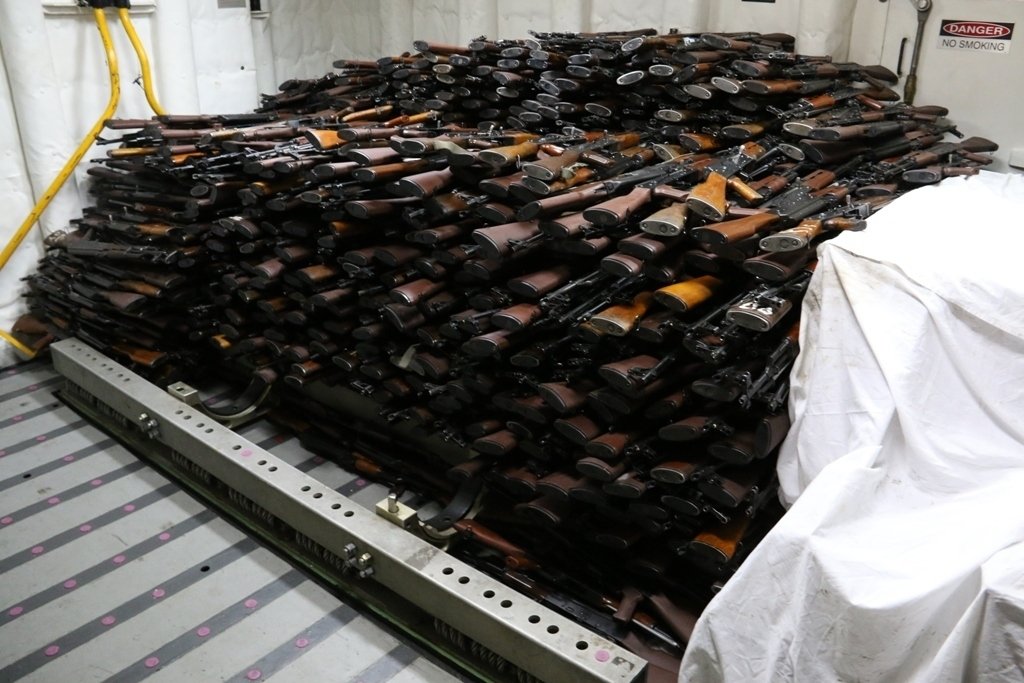
The Houthis’ military expansion accelerated after their capture of Sana’a in September 2014. As Yemen’s armed forces fractured, the movement gained access to government weapons stockpiles, military installations, and experienced personnel.
Among the equipment inherited from Yemen’s military were Soviet-era Scud ballistic missiles, S-75 surface-to-air missile systems, armored vehicles, and coastal defense weapons. These provided an industrially limited organization with an existing foundation of conventional military capabilities.
Iranian assistance subsequently helped transform that inventory into something considerably more sophisticated.
The Houthis were no longer limited to employing captured weapons in their original configurations. Over time, they began modifying existing systems, integrating imported components, and introducing weapons resembling Iranian designs.
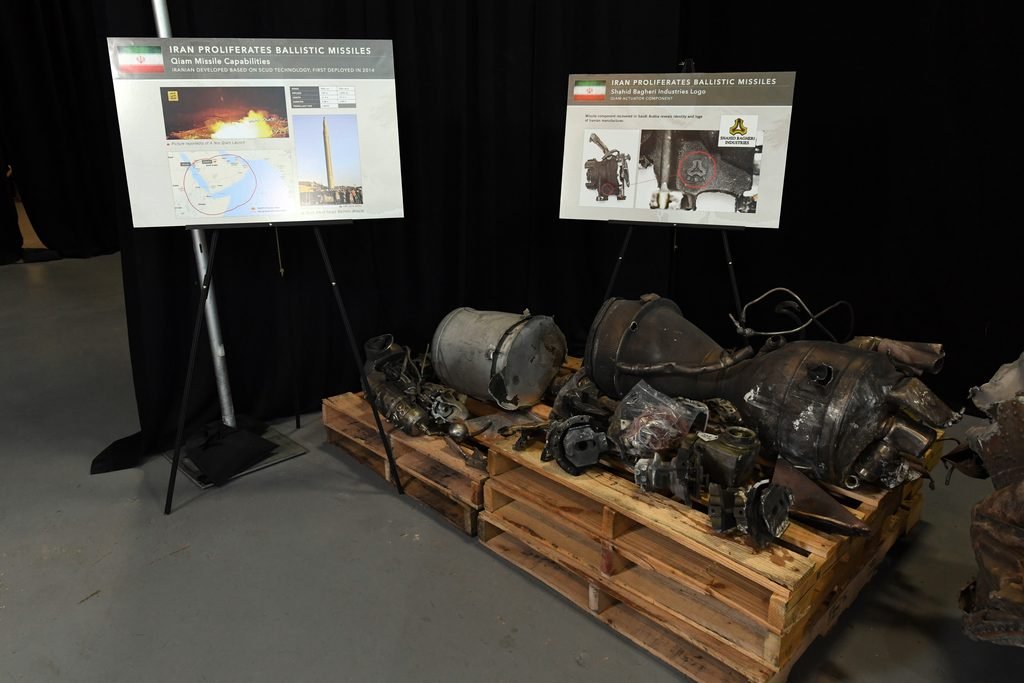
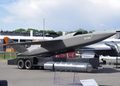
One example is the Mouhit anti-ship ballistic missile, apparently adapted from the Soviet-designed S-75 air defense missile with Iranian guidance technology. It illustrates how older military hardware can acquire a different operational role through modification.
Iranian Technology and the Limits of Local Production
Iran’s relationship with the Houthis has been fundamental to this development. Investigations by the United Nations and the U.S. Defense Intelligence Agency have documented Iranian-origin weapons, components, and technical assistance associated with the movement.
However, examining the actual weapons reveals a more complicated picture than simple dependence on imported missiles.
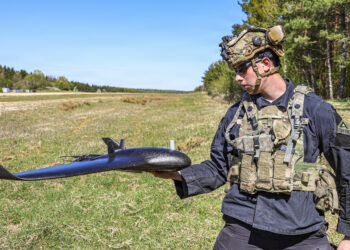
The Sammad-3, a long-range one-way attack drone, is an example of a system believed to be manufactured substantially inside Yemen. Its relatively simple construction makes localized production feasible, although engines, navigation equipment, and other components may still come from foreign suppliers.
More advanced missiles are another matter.
The Houthis have displayed the Palestine-2 ballistic missile, associated with Iranian missile technology, alongside anti-ship systems such as the Asef and Tankil. The latter weapons have been linked to Iran’s Fateh-313 and Zohayr missile families, respectively, with reported ranges of approximately 450 and 500 kilometers.
These figures describe reported system capabilities, not independently demonstrated performance in every operational engagement.
Manufacturing such weapons requires considerably more than assembling airframes. Advanced propulsion, guidance electronics, and specialized materials demand an industrial base that Yemen does not possess at the necessary scale.
This helps explain the division within the Houthi arsenal: simpler drones and some short-range weapons can be produced locally, while sophisticated ballistic and cruise missiles remain heavily dependent on external technology.
Geography Turned These Weapons Into Strategic Leverage
Possessing missiles is one thing. Using them to influence international commerce is another.
Yemen’s western coastline overlooks the Bab el-Mandeb Strait, connecting the Red Sea to the Gulf of Aden. This geography has given the Houthis the opportunity to threaten international shipping without operating a conventional navy.
Their maritime arsenal includes anti-ship cruise missiles, ballistic missiles, explosive-laden drones, and unmanned surface vessels. The Al-Mandab-2 cruise missile, for example, is linked to Iran’s C-802 missile family, while the Asef represents a different approach using a ballistic trajectory against maritime targets.
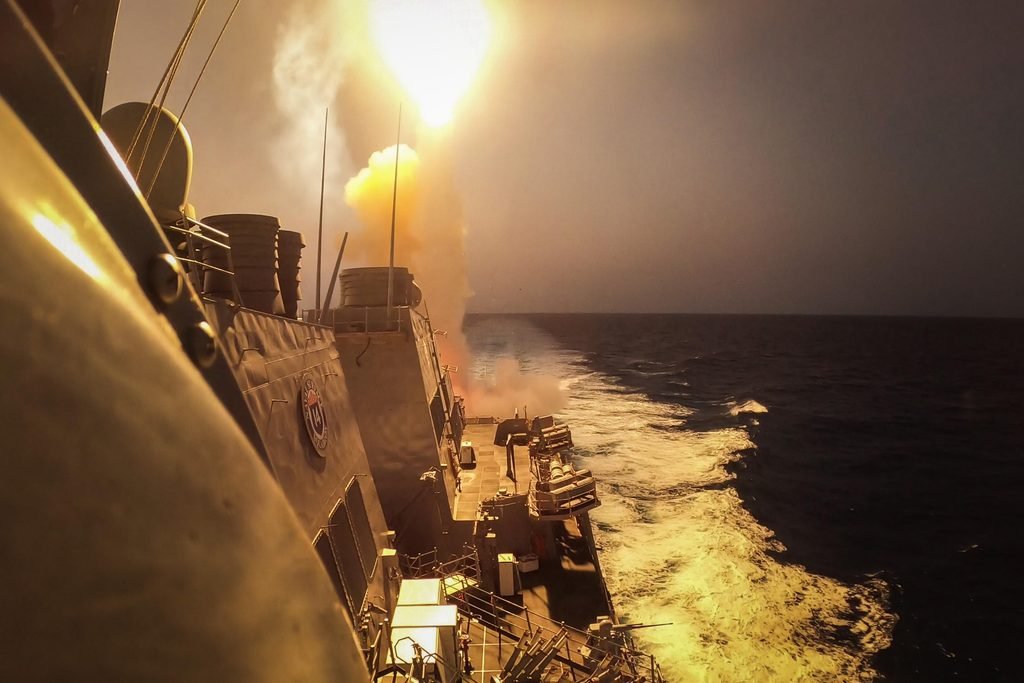
Targeting moving vessels remains technically challenging, particularly without advanced surveillance aircraft or satellite reconnaissance. Nevertheless, even unsuccessful attacks can affect commercial shipping decisions.
Shipping companies must account for crew safety, insurance premiums, possible delays, and the expense of alternative routes. The resulting economic disruption can extend well beyond the actual damage caused by individual weapons.
Why Military Pressure Has Not Ended the Threat
Years of Saudi-led military operations and subsequent American and British strikes have destroyed Houthi weapons, launch equipment, and military infrastructure.
These operations have imposed measurable costs, but they have not permanently eliminated the movement’s strike capabilities.
Part of the explanation lies in its increasingly dispersed arsenal and accumulated experience. Local assembly, concealed stockpiles, and external procurement networks complicate efforts to disrupt the organization through airpower alone.
The Houthis have also spent years adapting to a battlefield dominated by technologically superior opponents. Their use of relatively inexpensive drones alongside more advanced missiles creates different defensive challenges, even for modern naval forces.
Yet resilience should not be mistaken for unlimited military strength. Sophisticated production remains vulnerable to supply interruptions, industrial limitations, and sustained attacks on critical infrastructure.
A Military Transformation With Wider Consequences
By 2026, the Houthis had developed from an insurgent movement into an armed organization capable of influencing regional security and international shipping.
Their evolution reflects the combination of captured state arsenals, foreign assistance, localized manufacturing, and geographic advantage. None of these factors alone explains the scale of their capabilities.
There is also a broader lesson for modern defense planning. Military power is no longer determined exclusively by the number of aircraft, warships, or armored vehicles an organization possesses.
A relatively small industrial base, supported by external technology and unconventional weapons, can create challenges for forces with considerably greater financial and military resources.
The Houthis have demonstrated that capability, but their continued dependence on foreign technology also reveals its limits. Understanding both sides of that equation is essential to understanding the changing security environment around the Red Sea.
Sources:
1. International Institute for Strategic Studies (IISS) — Fabian Hinz. Made in Yemen? Assessing the Houthis’ Arms-Production Capacity.
2. International Institute for Strategic Studies (IISS) — Fabian Hinz. Houthi Anti-Ship Missile Systems: Getting Better All the Time.
3. Defense Intelligence Agency (DIA) — DIA Report Confirms the Houthis’ Use of Iranian Missiles and Unmanned Aerial Vehicles to Conduct Attacks Across the Middle East.
4. Congressional Research Service (CRS) — Yemen: Conflict, Red Sea Security, and U.S. Policy.
5. Reuters — How Yemen’s Houthis Went From a Small Mountain Militia to a Big Regional Threat.
6. International Institute for Strategic Studies (IISS) — Navigating Troubled Waters: The Houthis’ Campaign in the Red Sea and the Gulf of Aden.