
For years, Somali piracy appeared to be a problem that international maritime security operations had largely brought under control. Naval patrols, armed security teams, and improved shipping procedures significantly reduced the attacks that once threatened commercial vessels across the Indian Ocean. What had previously been a major international security concern gradually received less attention as maritime traffic returned to more predictable conditions.

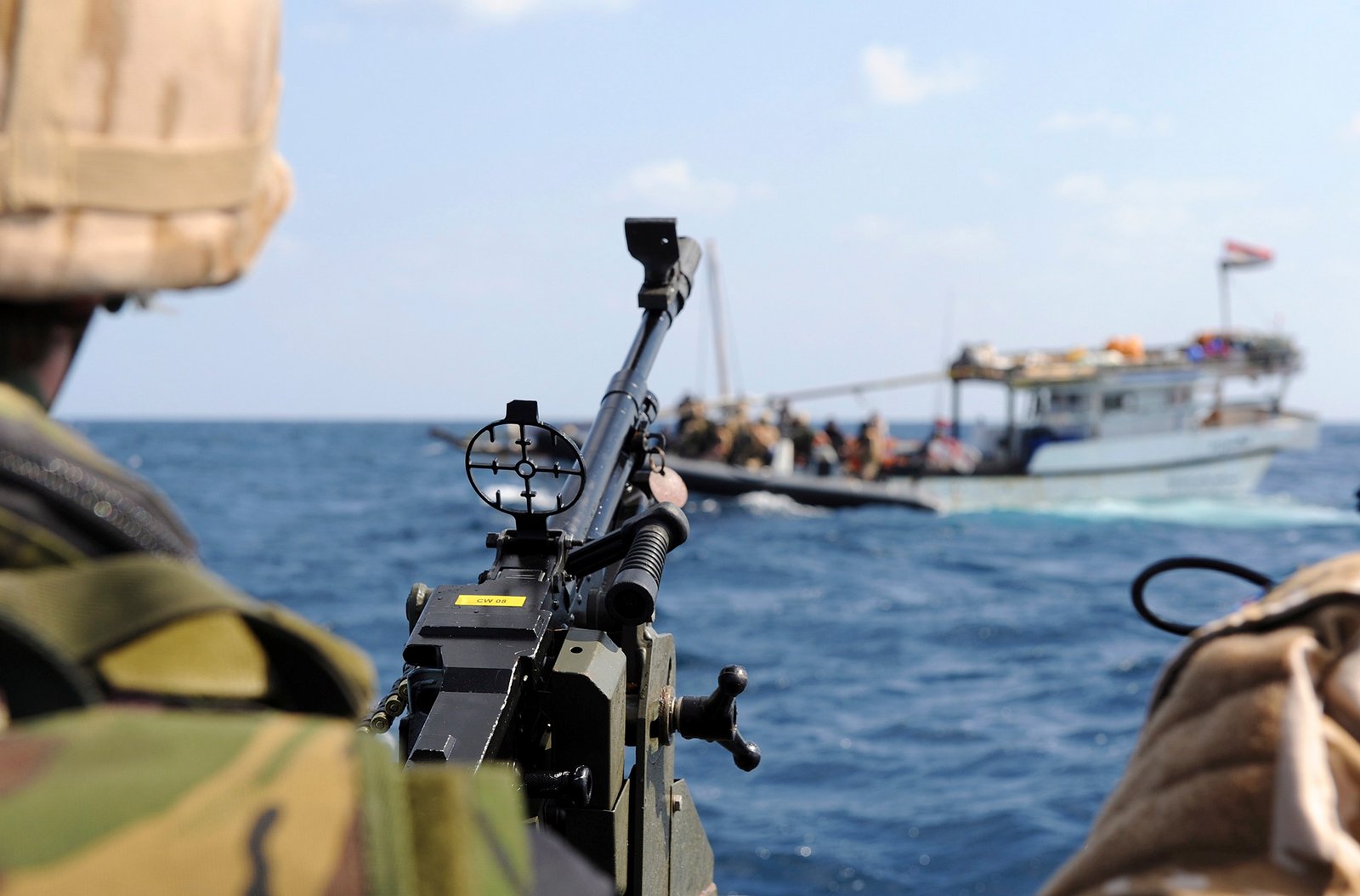
Recent developments in 2026, however, suggest that the threat was never entirely eliminated. Commercial tankers have been hijacked, crews have been held hostage, and armed groups have demonstrated their ability to operate beyond Somalia’s immediate coastline. On November 10, the Associated Press reported from aboard the Spanish frigate Santa Maria, participating in the European Union’s Operation Atalanta. Its deployment highlights the continuing importance of multinational naval operations in an increasingly complicated maritime security environment. The question is no longer whether Somali piracy still exists, but whether existing security arrangements are sufficient to prevent another prolonged period of instability.
A Resurgence Hidden Behind Declining Global Numbers
Recent statistics present an interesting contradiction. According to the International Maritime Bureau (IMB), 51 incidents of piracy and armed robbery were reported worldwide between January and September 2026, compared with 116 during the same period in 2025. This represents the lowest figure for that nine-month period since 1992. Yet Somalia has moved in the opposite direction, accounting for eight vessel hijackings and 94% of all crew members taken hostage globally during the reporting period. Such figures reveal why incident numbers alone cannot adequately describe maritime security conditions. A relatively small number of successful hijackings can have consequences far beyond the vessels involved, particularly when crews remain in captivity for extended periods.
The case of the product tanker Honour 25 illustrates the human cost. Hijacked in April, the vessel remained under pirate control for several months, while five crew members died in connection with the events surrounding its release in September, according to reports from Puntland authorities and Operation Atalanta. Although current activity remains below the scale of the 2008–2013 crisis, the capacity to capture commercial vessels and hold their crews for months demonstrates that Somali piracy retains considerable operational significance.
Why the Gulf of Aden Matters Beyond Somalia
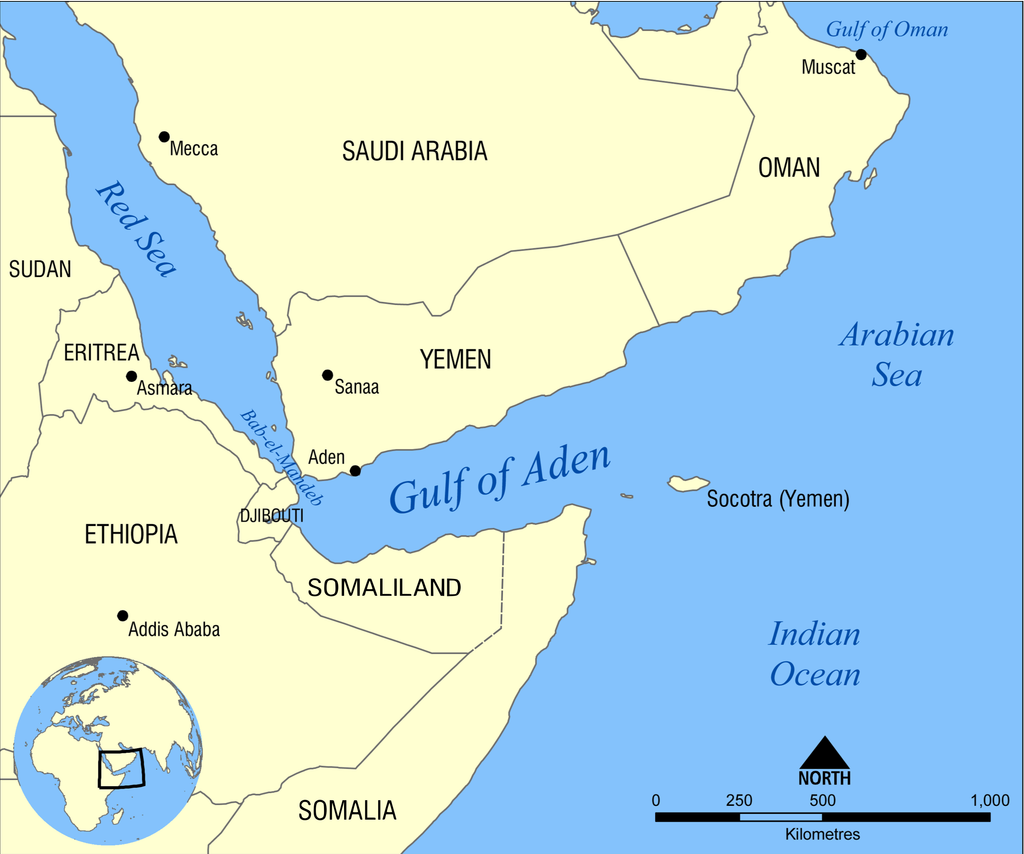
Geography makes the renewed attacks especially concerning. Connecting the Arabian Sea with the Bab el-Mandeb Strait, the Gulf of Aden provides access to the Red Sea and the Suez Canal, forming an important maritime connection between Asian manufacturing centers, Middle Eastern energy producers, and European markets. Disruption along this route therefore affects more than the shipping companies directly targeted.
Regional instability further complicates an already difficult operating environment. Houthi attacks against commercial shipping, ongoing conflicts, and disruptions across other Middle Eastern maritime routes have forced operators to reconsider their exposure to security risks. Piracy and politically motivated maritime attacks are fundamentally different threats, but both influence route planning, insurance conditions, and operational decisions.
For shipping companies, avoiding one risk does not necessarily mean escaping another. A vessel operator deciding whether to transit the Gulf of Aden must evaluate additional security expenses, potential delays, insurance requirements, and the financial implications of rerouting.
Even when attacks remain relatively infrequent, persistent uncertainty can make an essential commercial corridor more expensive and less predictable. In international shipping, the economic consequences of insecurity are not necessarily proportional to the number of attacks taking place.
How Somali Pirate Groups Continue to Operate
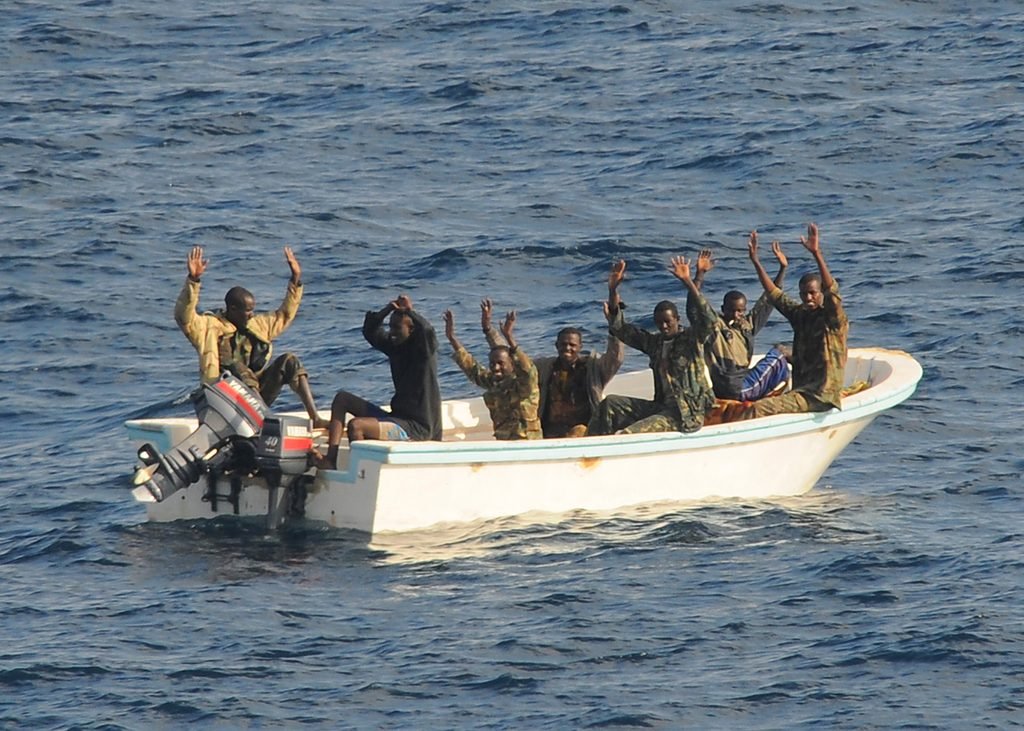
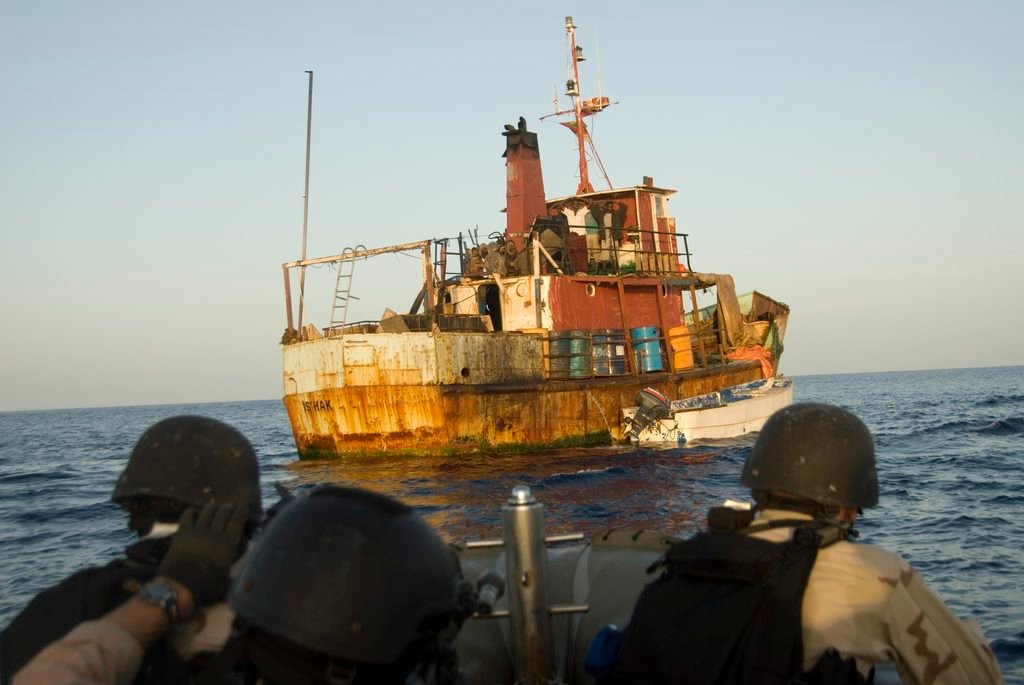
Images of armed men approaching merchant vessels in small boats remain closely associated with Somali piracy, although contemporary operations can involve more elaborate logistical arrangements. Smaller commercial craft and fishing vessels may be hijacked and used as support platforms, allowing groups to operate farther from shore and approach targets beyond the immediate coastal environment. Such methods enable relatively small networks to threaten vessels across a much wider maritime area. Operation Atalanta’s October 2026 reporting documented several incidents involving captured vessels, including the tankers Eureka, Sibu 1, and Asana. Hijacked in July, Asana was still reported to be under pirate control in Somali territorial waters as of the mission’s October 16 update.
Holding a vessel close to shore presents an additional complication because international naval forces operate under specific mandates and cannot necessarily undertake the same activities inside territorial waters as they can on the high seas. These groups should not be portrayed as conventional naval forces, nor should their capabilities be exaggerated. Their effectiveness often depends on identifying vulnerable targets, exploiting gaps in surveillance, and operating across jurisdictions where enforcement remains difficult. For commercial shipping, however, sophisticated military equipment is not necessarily required to create serious disruption. A successful hijacking can be enough.
Private Maritime Security: Can Contractors Help Contain Piracy?
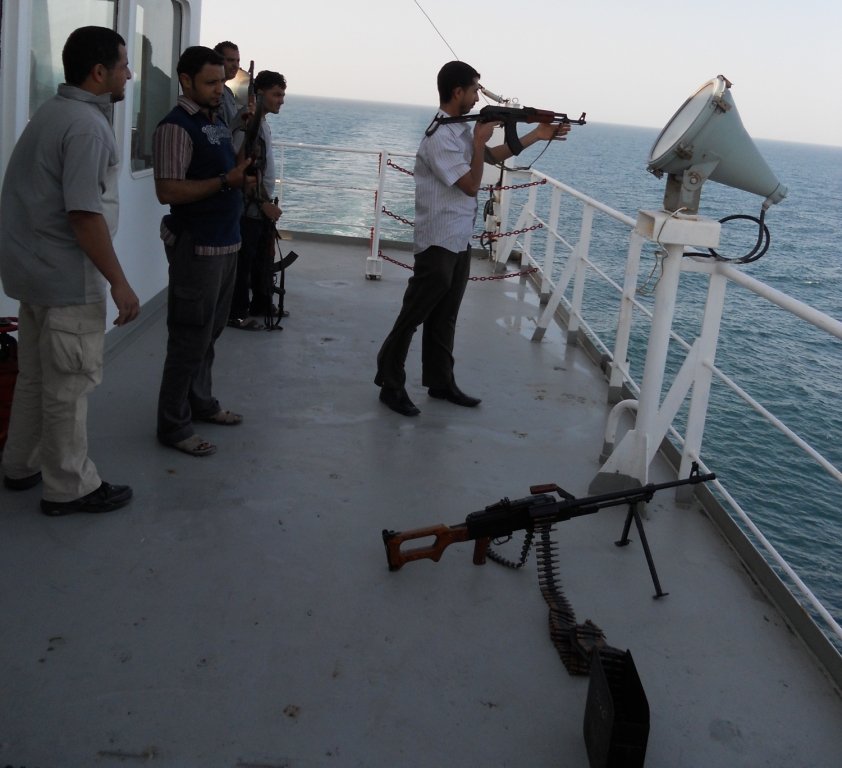
Private security companies have already played an important role in countering Somali piracy, particularly during the previous crisis. As attacks expanded across the western Indian Ocean, shipping operators increasingly turned to privately contracted armed security personnel to protect commercial vessels. Armed protection subsequently became part of a broader maritime risk-management system alongside naval patrols, reporting procedures, and route-specific security assessments.
Companies such as Ambrey and Neptune P2P Group continue to offer maritime security services, including armed protection, voyage risk assessments, and operational support. In its June 2026 assessment, Ambrey identified private armed security teams as an important factor in deterring Somali pirate attacks. Their presence can make a commercial vessel a considerably less attractive target, although the effectiveness of such arrangements depends on training, coordination, and the circumstances of individual voyages.
There is an important legal distinction, however, between protecting a ship and independently conducting counter-piracy operations. Private Maritime Security Companies (PMSCs) generally operate under contractual arrangements and national legal frameworks rather than possessing unrestricted enforcement authority.
The International Maritime Organization provides guidance on privately contracted armed security personnel, while flag states and coastal states determine the conditions under which armed protection may be authorized. The Netherlands, for example, permits licensed companies to provide armed maritime protection under specific requirements. These restrictions matter because the use of armed contractors at sea involves not only operational considerations but also questions of legal responsibility when force is used.
Erik Prince and Puntland’s Private Security Experiment
Private-sector involvement in Somalia also has a more controversial history. Erik Prince, the founder of Blackwater, was linked to the development of the Puntland Maritime Police Force (PMPF) through Saracen International, a security company involved in the project’s early stages. According to a 2016 United Nations Monitoring Group report, Saracen’s activities began in 2010, involved South African military trainers, and received financial support from the United Arab Emirates. The report raised serious concerns regarding compliance with the arms embargo then imposed on Somalia. Unlike conventional maritime security contracts, the Puntland initiative focused on developing a regional enforcement capability rather than simply placing armed personnel aboard commercial vessels.
The distinction matters because training and equipping a local maritime force involves considerably broader questions of authority, accountability, and political influence. Puntland’s maritime police have continued to participate in counter-piracy operations, including activities involving Honour 25 and Sibu 1 in September 2026. This continuity does not establish that Prince or Saracen remains involved in present-day operations. Nevertheless, the history of the PMPF demonstrates how private security initiatives can become connected to longer-term regional security structures.
Could similar arrangements provide an answer to the current resurgence? Private contractors can offer specialized expertise, training, and protection services, particularly where government resources are limited. Yet replacing public enforcement institutions with privately organized operations introduces difficult questions concerning sovereignty, financing, accountability, and the legitimate use of force. Protecting individual vessels is one challenge; developing a sustainable maritime security system is quite another.
Naval Patrols Face a Structural Limitation
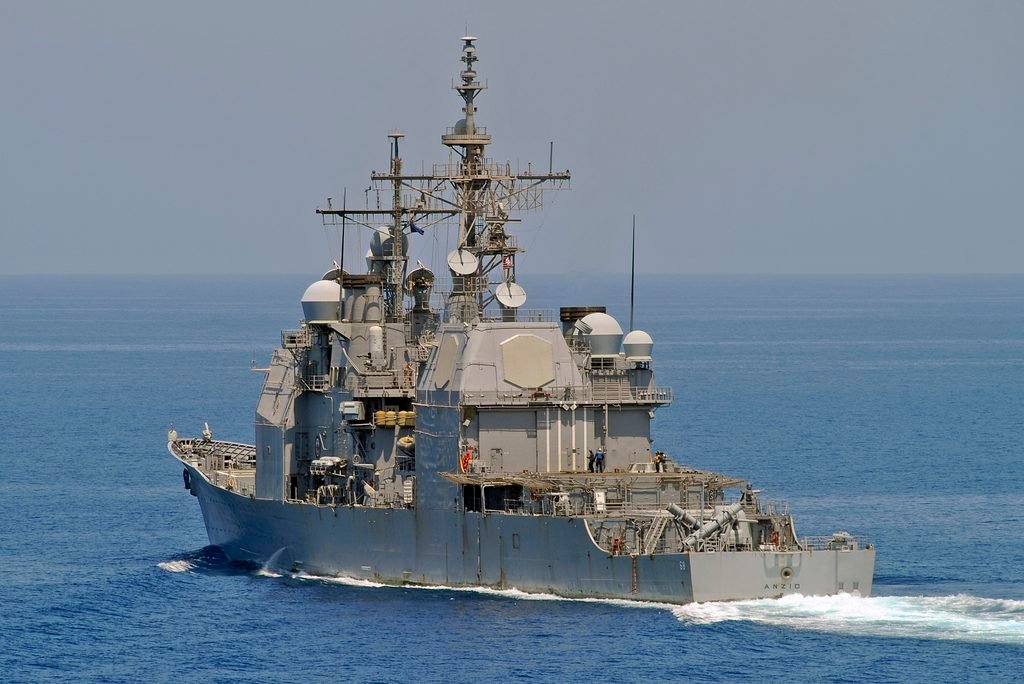
International naval deployments remain central to counter-piracy efforts. Established in 2008 and currently authorized through February 2027, Operation Atalanta continues to protect vulnerable shipping, deter pirate activity, and support regional maritime security. Years of operational experience, improved communication with commercial operators, and international intelligence sharing have created a considerably more developed security framework than existed when Somali piracy initially expanded. Nevertheless, the western Indian Ocean covers an enormous geographical area, making continuous surveillance and naval coverage difficult. Warships, helicopters, and maritime patrol aircraft provide valuable capabilities, but they cannot remain present wherever a potential attack might occur. Coordination between international forces, local authorities, and the shipping industry helps reduce these limitations without eliminating them entirely.
A more fundamental problem lies beyond the reach of naval patrols. Intercepting an approaching pirate vessel may prevent an immediate attack, but it does little to dismantle the financial networks, recruitment structures, and logistical arrangements that make subsequent operations possible. Deterrence at sea is essential, although lasting prevention requires effective institutions and enforcement capabilities ashore.
The Economic Conditions That Keep Piracy Possible
Somali piracy cannot be understood solely through maritime security failures. Political instability, limited economic opportunities, and weaknesses in institutional capacity have long contributed to an environment in which organized criminal networks can operate.
In May 2026, United Nations agencies warned that approximately six million people in Somalia were experiencing high levels of acute food insecurity, illustrating the broader humanitarian pressures facing the country. Such conditions can weaken already fragile communities and place additional pressure on local institutions responsible for maintaining security.
Economic hardship does not automatically lead to piracy, nor does it justify attacks against civilian seafarers. Maritime hijacking requires planning, financing, logistical support, and individuals willing to organize criminal activities. Nevertheless, persistent insecurity and limited legitimate employment opportunities may create conditions that criminal organizations exploit when recruiting participants or securing local support.
Effective counter-piracy policy therefore extends beyond the deployment of additional warships. Strengthening local maritime policing, improving prosecution capabilities, supporting coastal communities, and disrupting the networks that finance hijackings are all relevant to long-term prevention. Without meaningful progress in these areas, international forces risk repeatedly confronting the consequences of a problem whose underlying conditions remain largely unchanged.
A Familiar Threat in a Different Maritime Environment
The immediate concern is whether the incidents recorded in 2026 represent a temporary increase or the beginning of a more sustained period of Somali piracy. There are reasons to avoid assuming that the previous crisis will repeat itself. Commercial shipping now operates with more established security procedures, private protection services, and international reporting mechanisms, while naval forces have accumulated considerable experience in the region. Conditions at sea have also changed. Regional conflicts, attacks against merchant shipping, and growing uncertainty surrounding important maritime corridors have created additional pressures that were not present in precisely the same form during the earlier piracy crisis.
Somalia’s renewed activity is therefore unfolding within a wider security environment in which shipping operators must manage several overlapping risks. The danger may not be a sudden collapse of maritime security but the gradual normalization of recurring hijackings, higher operating costs, and persistent insecurity along a commercially vital route.
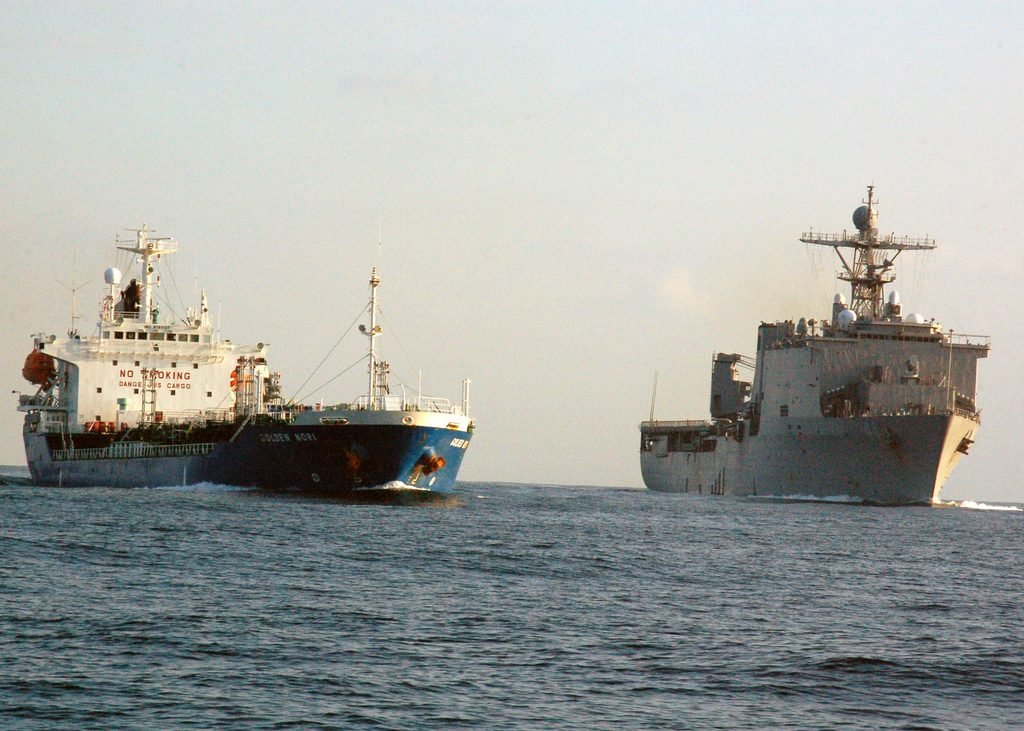
Naval patrols can disrupt attacks, private security teams can protect individual vessels, and regional authorities can pursue criminal groups. Whether these measures can produce lasting stability will depend on coordination, sustained resources, and improvements in Somalia’s own enforcement capabilities. The coming months will help determine whether the existing security framework can contain the renewed activity or whether Somali piracy is beginning another prolonged chapter.
Sources:
- Associated Press. (November 10, 2026). Exclusive: AP Joins European Union Naval Patrol Fighting Piracy in the Gulf of Aden.
- International Chamber of Commerce. (October 15, 2026). Maritime Piracy Incidents Remain at Historic Lows Despite Somali Piracy Concerns.
- EUNAVFOR Operation Atalanta. (October 16, 2026). Update on the Piracy Incidents off the Northern Coast of Somalia.
- International Maritime Organization. Private Armed Security: Guidance on Privately Contracted Armed Security Personnel.
- United States Maritime Administration. (2026). Advisory 2026-010: Gulf of Aden, Arabian Sea, Indian Ocean — Piracy, Armed Robbery, and Kidnapping for Ransom.
- United Nations Security Council. (October 31, 2016). Report of the Monitoring Group on Somalia and Eritrea, S/2016/919.
- Ambrey. (June 24, 2026). Threat Circular: Increased Somali Piracy Activity.
- Neptune P2P Group. Maritime Security Services.
- Netherlands Human Environment and Transport Inspectorate. Armed Protection of Merchant Vessels.
- United Nations in Somalia. (May 15, 2026). UN Agencies Warn of Worsening Hunger and Malnutrition Crisis in Somalia as Famine Risk Emerges.
- Council of the European Union. (March 30, 2026). Maritime Security: Council Updates Mandates of EU Naval Operations ASPIDES and ATALANTA.