

The Lockheed Martin U-2 Dragon Lady is not just an aircraft with a long service life. It is a rare case where an engineering idea from the Cold War continues to challenge modern assumptions about intelligence, surveillance, and reconnaissance.

At first glance, that sounds almost impossible. How can an aircraft that first flew in the 1950s still matter in an age of satellites, drones, stealth platforms, artificial intelligence, and space-based sensing? That question is exactly what makes the U-2 so interesting. The answer is not nostalgia. It is design discipline, mission flexibility, and a very clear understanding of what high-altitude intelligence still requires.
The U-2 was built around one major idea: reach extreme altitude, carry valuable sensors, and stay useful above much of the atmosphere. That concept sounds simple, but very few aircraft have managed to turn it into a long-term operational reality.
A Cold War Aircraft With a Modern Problem Set
The U-2 was developed by Lockheed’s Skunk Works under Clarence “Kelly” Johnson, one of the most respected names in aerospace engineering. Its original purpose was strategic reconnaissance during the Cold War, when decision-makers needed reliable intelligence from areas that were difficult or impossible to observe by other means.
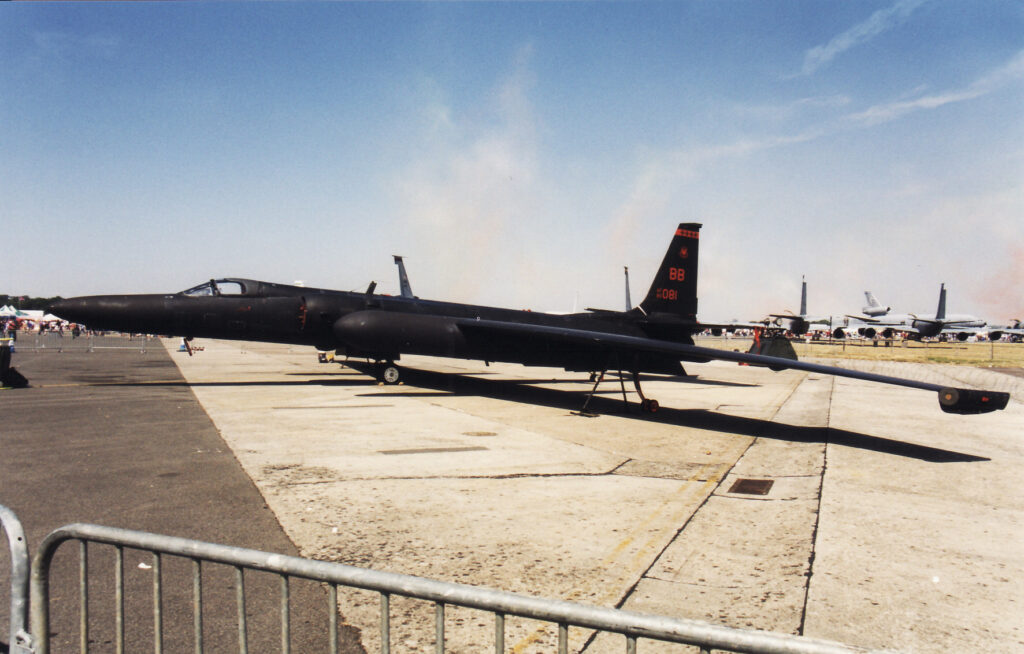
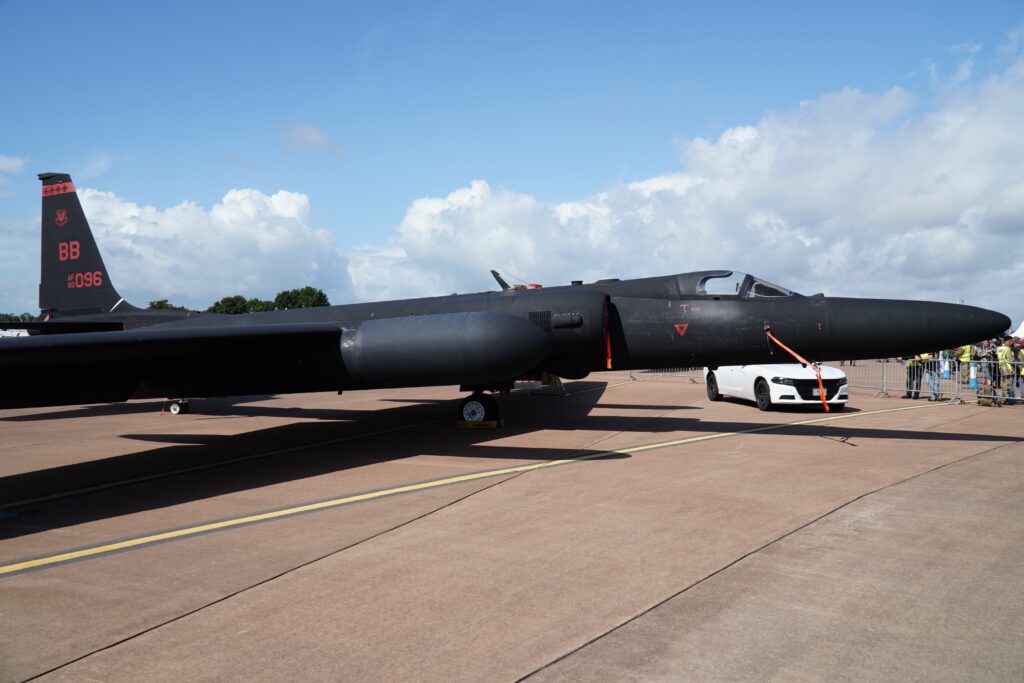
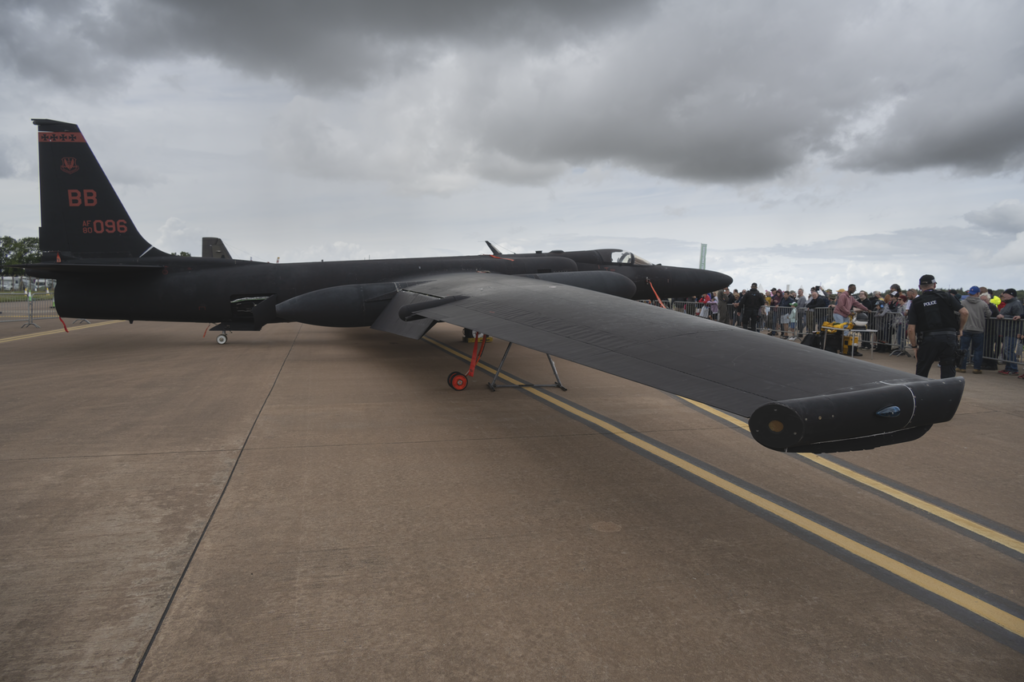
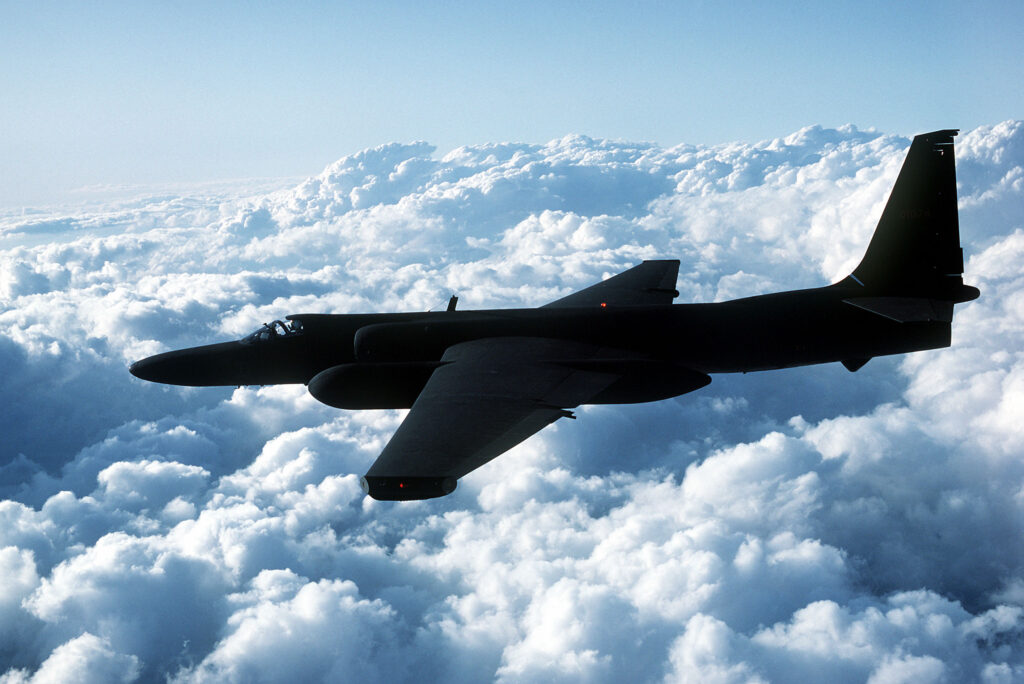
The aircraft’s shape still tells that story. Long, narrow wings give it a glider-like character. It was not designed to look aggressive in the traditional fighter sense. It was designed to climb, endure, and carry sensors at altitudes where the air is thin and the operating margins are unforgiving.
That is the first lesson of the U-2: not every important military aircraft is built around speed, weapons, or visual intimidation. Some platforms become powerful because they collect information at the right time, from the right position, with the right equipment. In modern defense, that may be more decisive than raw firepower.
What is more valuable in a crisis: another aircraft carrying weapons, or one aircraft that helps commanders understand what is actually happening? The U-2 belongs to the second category.
Why the U-2 Still Matters
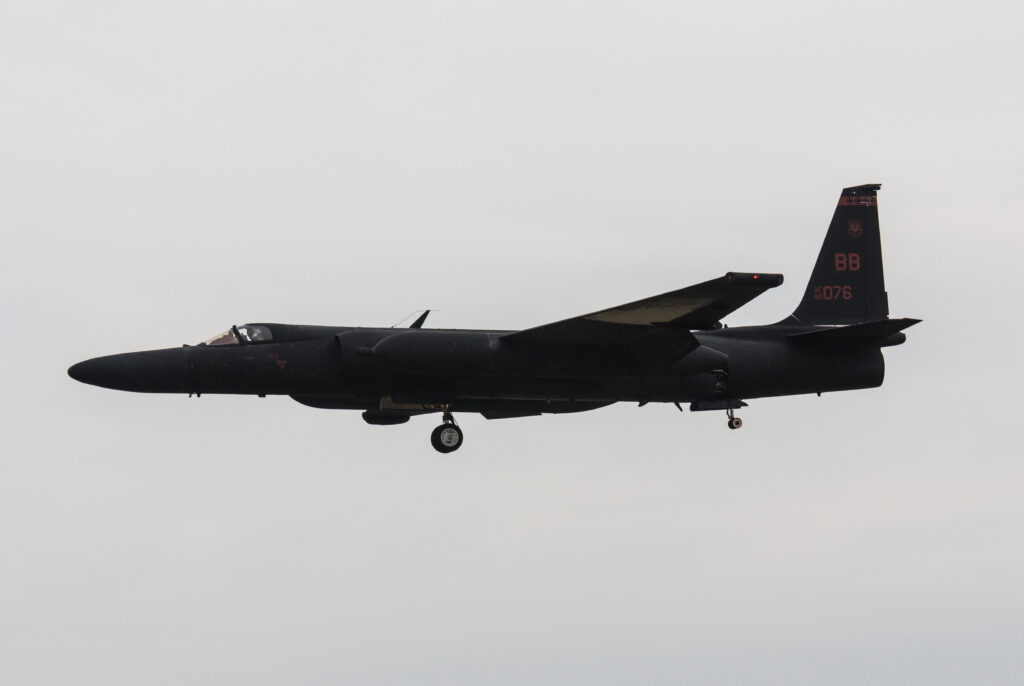
The U-2S is described by the U.S. Air Force as a high-altitude, near-space reconnaissance and surveillance aircraft. It supports imagery intelligence, signals intelligence, and measurement and signature intelligence. In plain terms, it helps collect different types of information from high above the battlespace.
This is where the aircraft becomes more than a “spy plane” label. The U-2 is a sensor platform. Its value is tied to what it can carry, how high it can operate, and how quickly it can be adapted for different missions.
Satellites are powerful, but they are not always flexible. Drones are valuable, but they have their own limitations in payload, speed, survivability, and airspace access. The U-2 sits in a different space. It can be tasked, flown, recovered, maintained, upgraded, and reconfigured in ways that still appeal to operational planners.
That does not mean it is perfect. No platform is. But its survival says something important: defense technology does not age only by calendar year. It ages when its mission can be done better, cheaper, safer, or more reliably by something else. The debate around the U-2 continues because that replacement question has never been as clean as expected.
The Pilot Is Still Part of the System
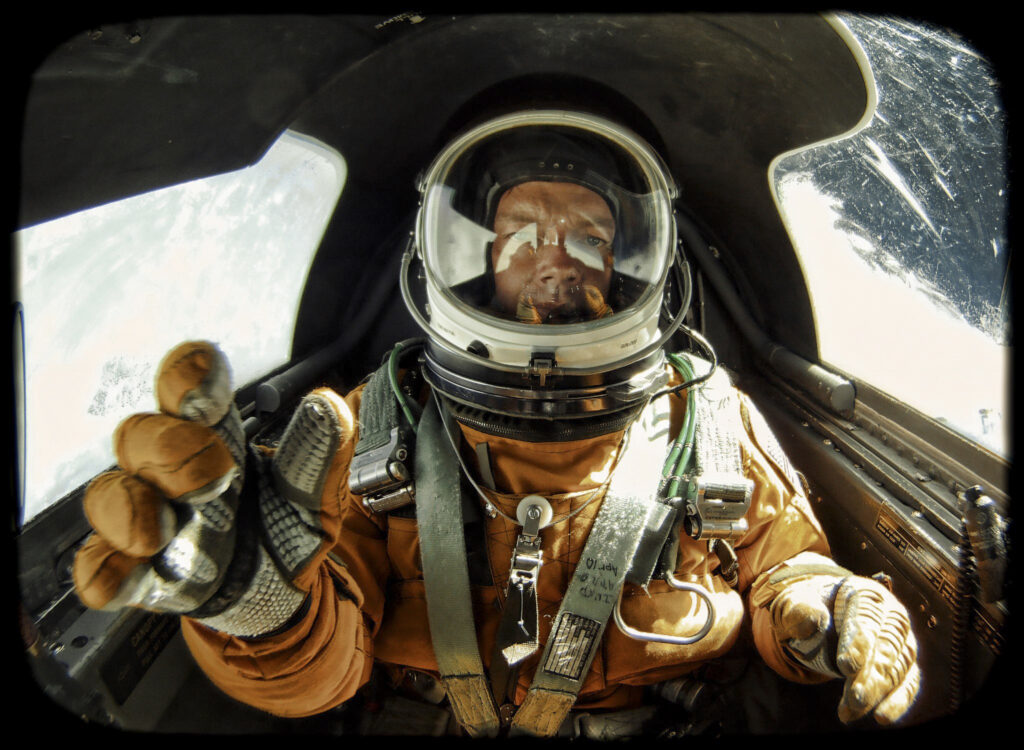
One of the most distinctive parts of the U-2 story is the human element. This aircraft operates at such high altitudes that pilots wear full pressure suits. The aircraft’s landing characteristics are also famous for being demanding, partly because of its long wings, bicycle-style landing gear, and limited visibility during landing.
There is a point here that is easy to miss. The U-2 is not only a machine. It is a complete operational culture. Pilots, chase cars, maintenance teams, mission planners, sensor specialists, and analysts all sit behind the final intelligence product.
In an age where unmanned systems dominate the conversation, the U-2 reminds us that “manned” does not automatically mean outdated. A trained pilot can still make decisions, manage unexpected conditions, and bring judgment into a mission environment where the cost of misunderstanding can be serious.
Should every ISR platform of the future have a pilot? No. But should we assume unmanned always means superior? Also no. The U-2 forces that discussion to stay honest.
Upgrades, Open Systems, and the Dragon Lady’s Second Life
The U-2 has remained relevant because it did not stay frozen in its original form. Over time, the aircraft has received major upgrades to its sensors, communications, avionics, engine systems, and mission equipment.
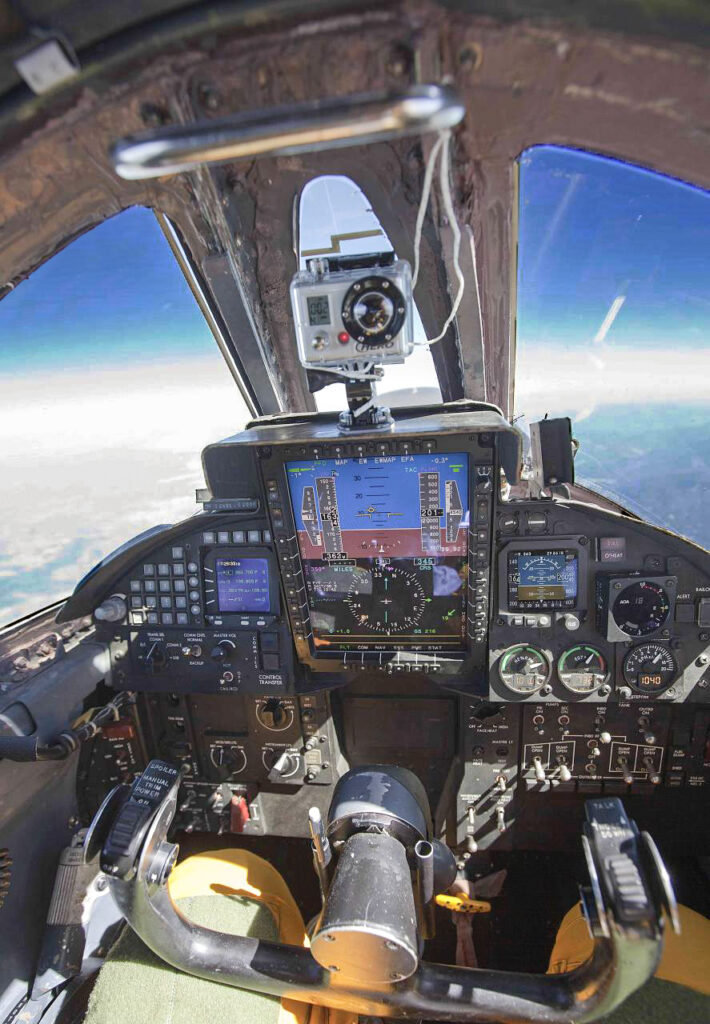
A major example is the Avionics Tech Refresh program. Lockheed Martin announced the first flight of the upgraded U-2 under this program in 2023. The upgrade included a new mission computer, modern cockpit displays, and open mission systems architecture.
That last part matters. Open mission systems allow faster integration of new capabilities. For an aircraft with a limited future on paper, that sounds strange. Why modernize something that is repeatedly discussed for retirement? Because capability gaps do not wait for perfect replacement programs.
This is one of the more interesting contradictions around the U-2. The same aircraft can be considered old from a fleet-management perspective and still be useful from an operational perspective. That tension is exactly why the Dragon Lady keeps appearing in budget debates.
A Platform Beyond Military Reconnaissance
The U-2 story also continues through NASA’s ER-2 aircraft, which are derived from the U-2 design. NASA uses ER-2 aircraft for high-altitude science missions, including atmospheric research, remote sensing, satellite calibration, and environmental studies.
This gives the aircraft a second identity. The same basic design logic that once served Cold War intelligence now helps scientific research above most of the Earth’s atmosphere. That is not a small detail. It shows that the platform’s value was never only political or military. It was also aerodynamic, structural, and operational.
When an aircraft design can serve both strategic reconnaissance and Earth science, it is worth asking what made the original concept so strong. The answer is not one single feature. It is the combination of altitude, payload flexibility, endurance, and a design that accepts extreme specialization.
The Retirement Debate Is Really About ISR Strategy
The U.S. Air Force has repeatedly planned to retire the U-2, especially as investment shifts toward space-based systems, unmanned aircraft, and next-generation ISR networks. Budget documents and force-structure plans have pointed toward divestment, while lawmakers have at times moved to slow or limit retirement.
This is not just an argument about one aircraft. It is a larger debate about how intelligence should be collected in a world of advanced air defenses, contested space, electronic warfare, and rapid data demands.
The U-2 is vulnerable in ways that modern planners cannot ignore. It is not a stealth aircraft. It requires specialized support. It is expensive to sustain as a small and aging fleet. Parts availability and logistics become harder with time. Those are real concerns, not excuses.
But the aircraft also represents a capability that decision-makers are cautious about losing before replacements are fully proven. That is the central issue. Retiring a platform is easy on a spreadsheet. Replacing its real operational effect is much harder.
What the U-2 Teaches Defense Industry
The U-2’s long life offers a useful lesson for the defense industry: a well-defined platform can outlive entire generations of technology if its core mission remains relevant and its architecture allows adaptation.
The aircraft was never trying to be everything. It was created for a specific job and then evolved around that job. That clarity is rare. Modern defense programs can become overloaded with requirements, trying to satisfy too many stakeholders at once. The U-2 shows the opposite approach: focus on the mission, protect the design logic, and upgrade what matters.
There is also a supply-chain lesson. Legacy platforms remain operational only when maintenance, depot work, parts sourcing, training, and modernization are treated seriously. The aircraft in the sky is only the visible part. Behind it sits an industrial and technical network that determines whether the platform can keep flying.
That is why the Dragon Lady is not just an aviation story. It is a defense technology story, an ISR story, and a sustainment story.
The Aircraft That Makes Modern Systems Prove Themselves
The U-2 will not fly forever. No aircraft does. Its retirement may come through budget pressure, operational risk, replacement capability, or a combination of all three. But its legacy is already clear.
The Dragon Lady survived because it kept forcing newer systems to prove that they could truly replace it. Satellites had to prove flexibility. Drones had to prove payload and endurance. Networks had to prove speed and reliability. Future ISR platforms will have to prove that they can deliver not only data, but usable intelligence under pressure.
That is the real reason the U-2 still attracts attention. It is not just an old aircraft with a famous nickname. It is a benchmark. It asks a difficult question to every new system that comes after it:
Can you do the mission better, or are you only newer?
For a platform born in the Cold War, that is a remarkably modern question.
Sources:
- Lockheed Martin, “Lockheed Martin Conducts First Flight in U-2 Avionics Tech Refresh.”
- U.S. Air Force, “U-2S/TU-2S Fact Sheet.”
- NASA Armstrong Flight Research Center, “ER-2 High-Altitude Airborne Science Aircraft.”
- NASA Airborne Science Program, “ER-2 AFRC.”
- Smithsonian National Air and Space Museum, “Lockheed U-2C.”
- National Museum of the United States Air Force, “Dragon Lady: The U-2 and Early Cold War Reconnaissance.”
- U.S. Department of Defense Comptroller, “FY2025-28 Force Structure Changes Exhibit.”