

A defense product does not enter the international market under a single set of rules. Its classification, components, software, destination, end user and proposed technical support can activate several regulatory systems at the same time. This is why export control is not merely the final approval stage of a defense contract. It begins with product design and continues through delivery, maintenance, upgrades and possible resale.

ITAR and EAR Control Different Parts of the Market
The United States operates two major export control systems with different scopes.
ITAR, administered by the Directorate of Defense Trade Controls, covers defense articles, technical data and defense services listed on the United States Munitions List. Its reach extends beyond finished weapons. Training foreign personnel, releasing controlled engineering data or providing certain integration assistance can qualify as a controlled defense service.
EAR, administered by the Bureau of Industry and Security, covers commercial, dual-use and less-sensitive military items. Products are commonly classified through Export Control Classification Numbers on the Commerce Control List. The classification is then read together with the destination, end user and intended use to determine whether a license is required. EAR also reaches some foreign-produced items. The de minimis rules examine the level of controlled US-origin content inside a foreign product, while the Foreign Direct Product rules can capture certain items manufactured abroad using specified US technology or software. Consequently, removing an American company from the direct sale does not automatically remove American jurisdiction.
-08-1024x683.jpg)
ITAR and EAR therefore create different commercial burdens. ITAR can tightly restrict technical data, services, retransfer and foreign-person access. EAR offers more license exceptions and classification routes, but its Entity List, Military End User controls and end-use restrictions can still block a transaction involving otherwise ordinary technology.
Europe Adds Several Layers of Control
The European Union does not operate a direct equivalent of ITAR covering all member states through one defense export authority.
Military equipment exports remain licensed nationally, but decisions are guided by the EU Common Position. Authorities assess eight criteria, including human rights, internal repression, regional stability, national security, the buyer’s conduct and the risk that equipment could be diverted or re-exported.
Dual-use items fall under Regulation (EU) 2021/821. It covers exports, brokering, technical assistance, transit and certain transfers within the EU. Its control list includes areas such as electronics, telecommunications, information security, sensors, navigation, aerospace and propulsion. Catch-all controls can also require authorization for an unlisted product when it may support weapons of mass destruction or another restricted end use.
This distinction matters commercially. A thermal imaging component, encryption module or machine tool may not be marketed as military equipment, yet its specifications or destination can place it under dual-use control.
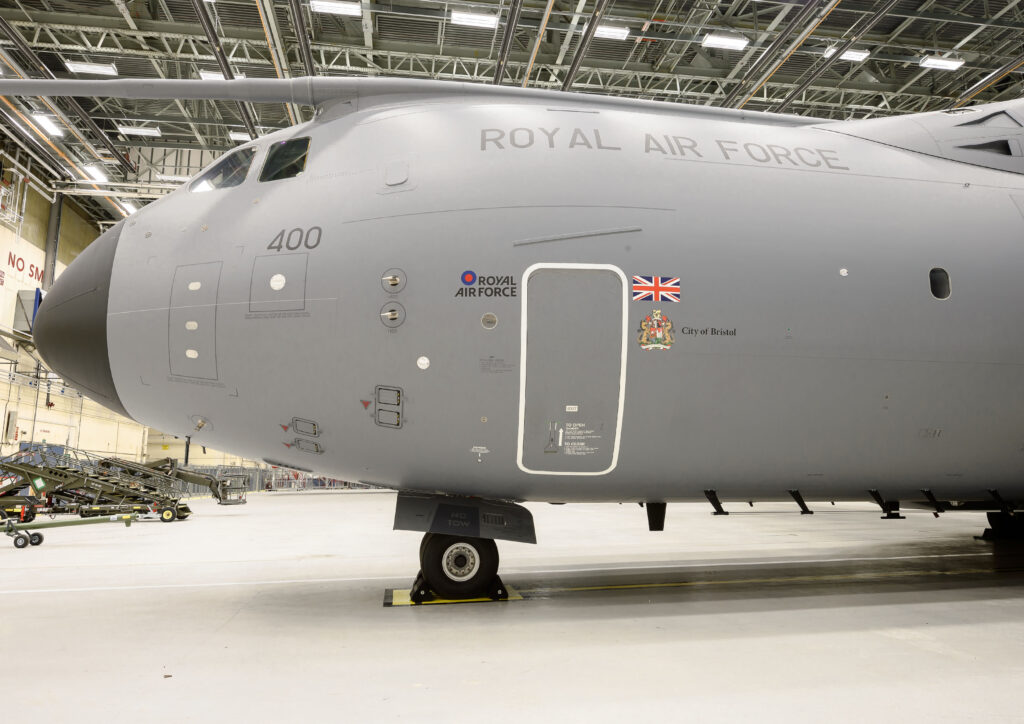
The United Kingdom Uses Its Own Licensing Structure
Following Brexit, the United Kingdom operates an independent system through the Export Control Joint Unit.
Controlled military goods, software and technology require authorization under the UK strategic export control framework. Licensing may take the form of a Standard Individual Export Licence for a defined shipment, an Open Individual Export Licence for repeated exports to approved destinations or an Open General Export Licence when published conditions are satisfied.
The UK also applies end-use controls. An item absent from the control lists can still require a license when authorities identify a connection to a weapons of mass destruction program, military activity in an embargoed destination or another restricted use.
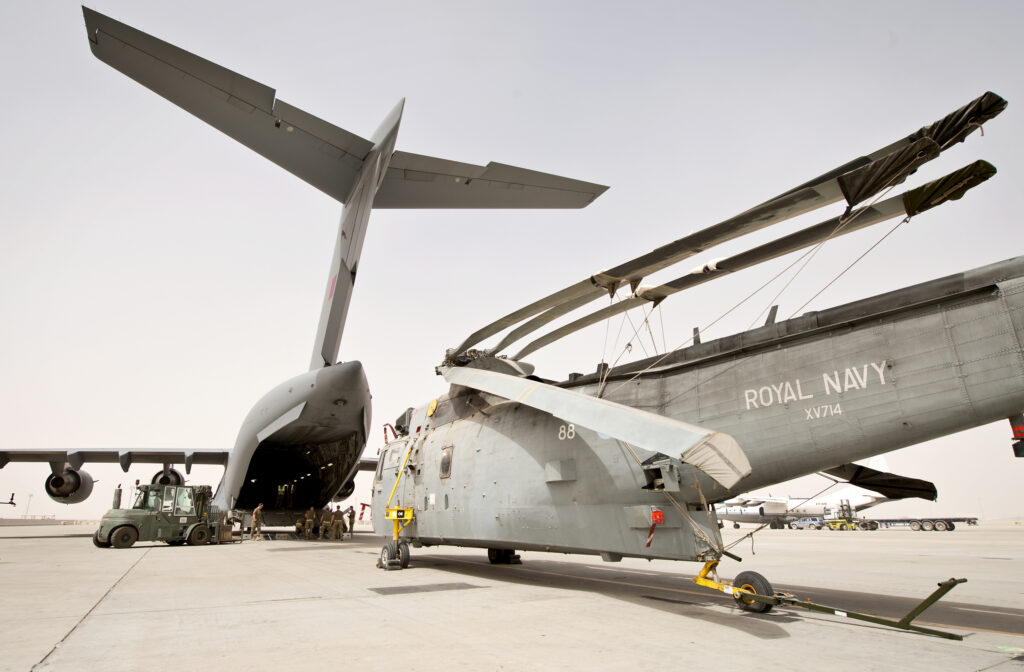
The practical difference between these licence types is considerable. A single-use authorization can support one contract, while an open licence can make repeated deliveries and long-term support more efficient. Access to the broader licence does, however, depend on recordkeeping, internal controls and audit readiness.
International Frameworks Do Not Replace National Licences
The Wassenaar Arrangement coordinates control lists for conventional arms and dual-use goods among participating states. The Arms Trade Treaty focuses on responsible conventional arms transfers, diversion risk and national control systems.
Neither framework issues an export licence to a company. Their influence appears through national legislation and licensing policy. Similar product categories may therefore be controlled across several countries, while approval standards and processing practices remain different.
Sanctions add another layer. Screening cannot stop at the customer’s company name. Ownership, banks, freight forwarders, consignees and intermediaries must also be examined. A technically licensable export can still become commercially impossible when payment channels, insurance or shipping services are restricted.

Regulation Is Now Part of Product Strategy
The commercial impact begins before a sales team approaches the customer. Component origin can determine re-export freedom. Software architecture can affect foreign-person access. Technical support may require a separate authorization from the hardware shipment. Local production can trigger controls over manufacturing data, source code and defense services.
This explains why export variants are becoming common. Sensitive functions may be removed, controlled components replaced and maintenance access separated into different levels. The resulting configuration is not always the most advanced version. It is often the version that can be licensed, supported and upgraded with fewer political dependencies.
Defense companies are not competing through performance and price alone. They are also competing through classification accuracy, supply-chain visibility and their ability to keep a contract legally workable after the equipment has been delivered.
Sources:
- Directorate of Defense Trade Controls, US Department of State. International Traffic in Arms Regulations and the United States Munitions List.
- Bureau of Industry and Security, US Department of Commerce. Scope of the Export Administration Regulations, Reexports, De Minimis Rules and Foreign Direct Product Rules.
- European Union. Regulation (EU) 2021/821 Establishing a Union Regime for Dual-Use Export Controls.
- UK Export Control Joint Unit. Strategic Export Controls, Military and Dual-Use Lists, SIELs and OIELs.