
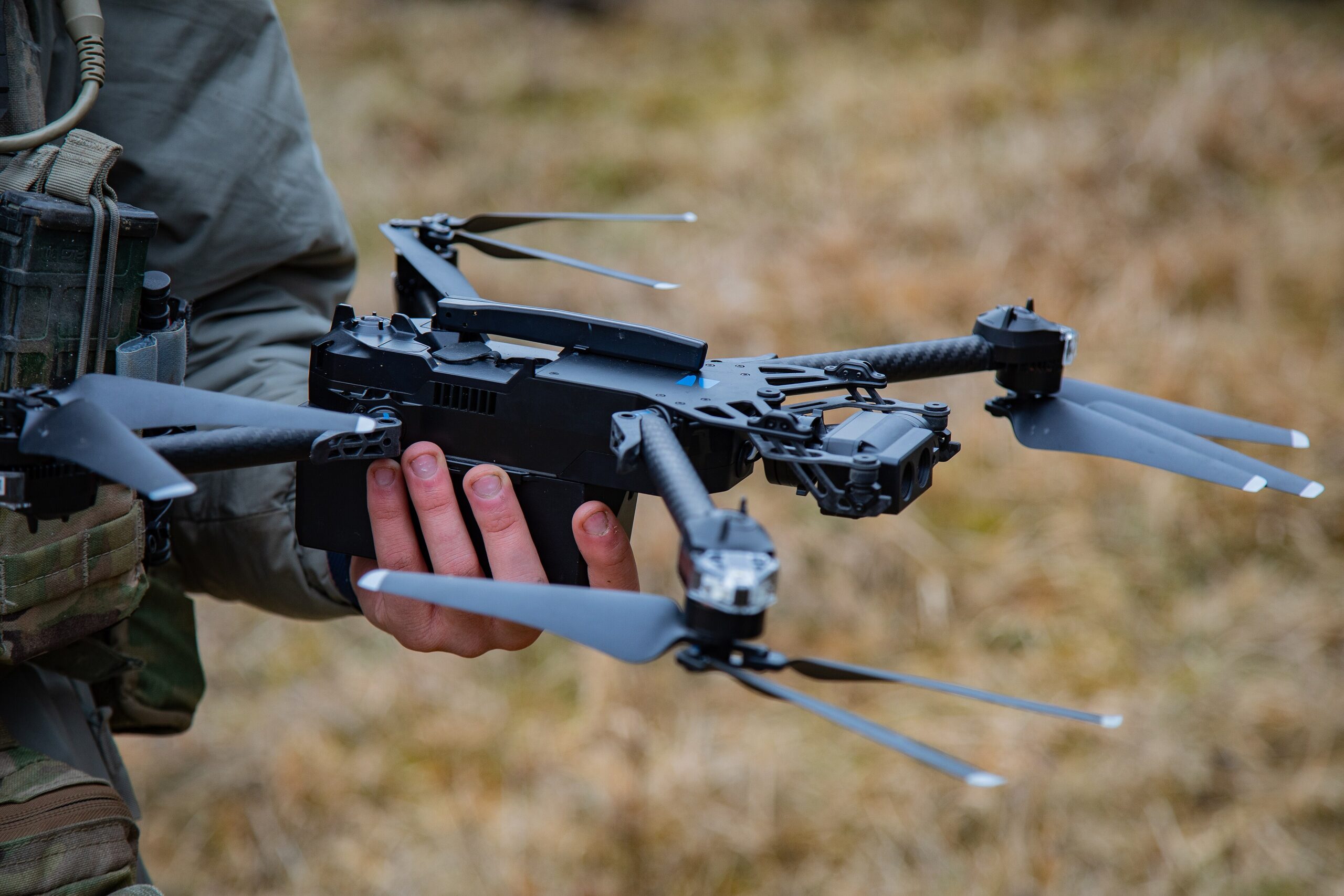
Modern export control is no longer limited to clearly military equipment. In many sectors, the most sensitive items are not traditional weapons, but technologies that can serve both civilian and military purposes. A sensor used in industrial automation may also support surveillance or targeting. Encryption software may protect commercial data, but it can also become sensitive when transferred to certain end-users. A high-precision machine tool may produce civilian components, yet the same level of precision may also be relevant to military manufacturing.

Within this environment, the European Union’s dual-use export control system plays an important role. The current framework is mainly based on Regulation (EU) 2021/821, which establishes rules for the control of exports, brokering, technical assistance, transit and transfer of dual-use items.
For companies, the regulation is not only a legal document. It is part of how modern technology trade is assessed. A product may look commercial in a catalogue, but what happens when its technical capability makes it strategically relevant?
What Dual-Use Means in Practice
In practical terms, “dual-use” refers to items, software and technology that can be used for both civilian and military purposes. The idea sounds simple at first, but in practice it can be highly technical.
Across the EU control list, dual-use items are organized under major technology areas. These include nuclear-related materials and equipment, special materials, material processing, electronics, computers, telecommunications and information security, sensors and lasers, navigation and avionics, marine technology, and aerospace and propulsion.
Such a wide list shows why dual-use regulation matters. It is not only about defense factories or arms exporters. It can touch companies working in electronics, cybersecurity, satellite components, industrial machinery, aviation, maritime systems, advanced materials or laboratory equipment.
Specific products make this clearer. Thermal camera cores such as Teledyne FLIR Boson or FLIR Tau 2 are marketed for civilian and industrial uses, including unmanned systems, inspection, security and imaging applications. Inertial measurement units such as the Honeywell HGuide HG4930 can be used for stabilization, navigation support and control applications. Five-axis CNC machines such as the Haas UMC-750 or CNC control systems such as Siemens SINUMERIK are common in advanced manufacturing, including aerospace and precision engineering.
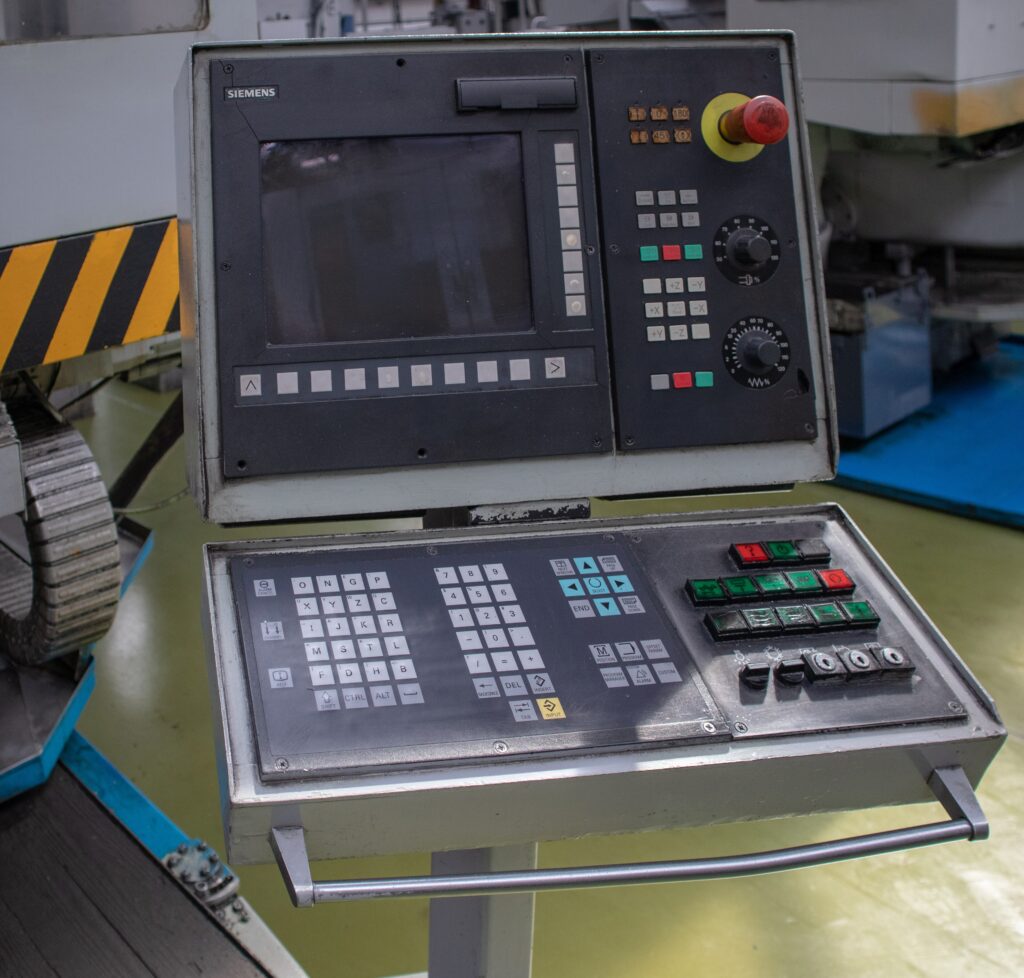
None of these examples should be read as a blanket statement that every version, shipment or configuration is automatically controlled under EU law. That would be too simplistic. The point is different: these are the types of commercial technologies where export classification can become technical and fact-specific. Resolution, frame rate, sensitivity, accuracy, number of controlled axes, positioning precision, software capability, destination and end-user can all affect the analysis.
Regulation (EU) 2021/821 and Its Scope
Regulation 2021/821 provides the common EU framework for dual-use export controls. It applies to exports from the EU to third countries, but its scope is broader than physical shipment. Technology can move through a container, but it can also move through a laptop, cloud access, remote technical support, engineering drawings, software updates, training sessions or email attachments. In some sectors, the controlled element may not be the physical item itself, but the technical data that enables its production, development or use.
Regulation (EU) 2021/821, consolidated version, EUR-Lex: https://eur-lex.europa.eu/legal-content/EN/TXT/HTML/?uri=CELEX:02021R0821-20251115
For that reason, the regulation also covers brokering services, technical assistance, transit and certain transfers within the European Union. Export compliance cannot be left only to logistics teams. Engineers, sales staff, management, legal teams and technical support units may all become part of the export control process.
Annex I contains the main list of controlled dual-use items. If an item, software or technology meets the technical criteria in Annex I, export authorisation is generally required before it can leave the EU customs territory. Annex IV contains particularly sensitive items that may also require authorisation for transfers between EU Member States.
One important point is often overlooked here. The EU single market makes internal trade easier in many areas, but highly sensitive dual-use items can still be subject to internal transfer controls.
Product Classification and Technical Thresholds
One of the most difficult parts of dual-use compliance is classification. Is the item controlled or not? Which control entry applies? Does the product meet the technical threshold?
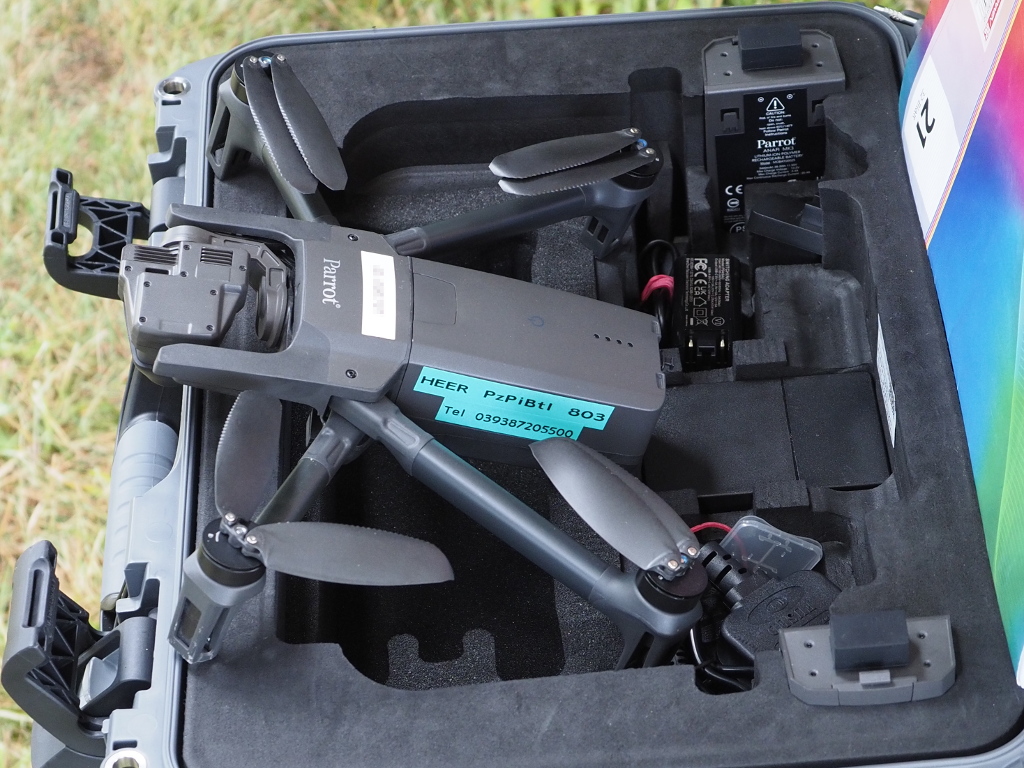
Answering these questions is not always easy. A commercial drone component, for example, may appear ordinary. But depending on the navigation system, payload integration, endurance-related components or sensor package, the assessment may become more complex. A thermal camera module installed on a drone may be sold for search and rescue, industrial inspection or agriculture, but similar imaging capability can also be relevant to surveillance, reconnaissance or targeting support.
A machine tool may be sold for automotive or aerospace manufacturing, but its precision level, number of axes, positioning accuracy or control software may create export control relevance. A five-axis machining center such as the Haas UMC-750 is a useful example because it shows how a normal industrial machine can sit close to strategic manufacturing questions. The machine itself may serve ordinary commercial production, but advanced multi-axis machining is also central to aerospace components, high-performance parts and complex geometries.
A similar issue appears in information security. Encryption is used everywhere in normal commercial life, from banking to cloud services. Yet certain information security products, software or technology may fall under controlled categories depending on functionality and technical parameters. In the same way, high-performance oscilloscopes, advanced sensors, underwater acoustic systems or inertial navigation units may require careful review depending on their technical characteristics.
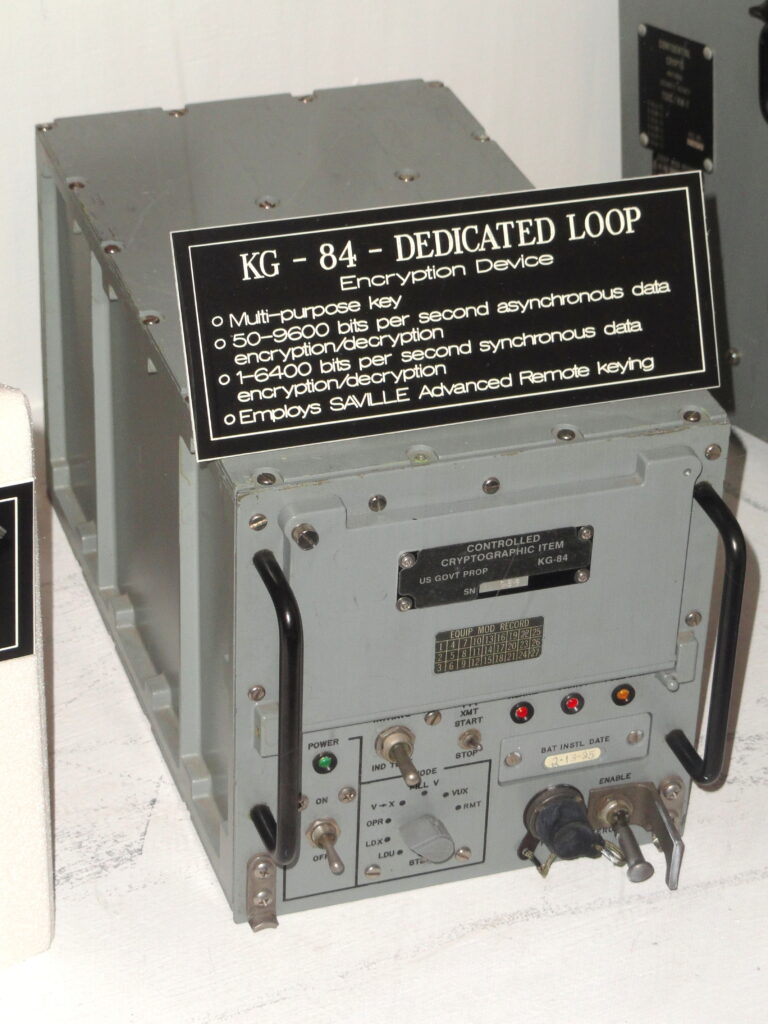
For this reason, a company cannot simply say, “we do not sell weapons.” That may be true, but it does not answer the export control question. A better question is whether the item’s specifications, destination and end-use create a licensing requirement.
Listed Items and Catch-All Controls
In principle, the listed control system is clearer. If an item matches an entry in Annex I, the exporter must consider authorisation requirements. The more complex area concerns non-listed items that may still require authorisation because of end-use, end-user or destination risk.
These are generally known as catch-all controls. Under the EU framework, non-listed items may require authorisation in certain circumstances, especially where there are concerns related to weapons of mass destruction, military end-use in embargoed destinations, or incorporation into military items. As a result, transaction review cannot stop at product classification. The exporter may also need to ask: Who is the final user? Is the destination subject to sanctions, embargoes or heightened security concerns? Does the proposed use make sense for the buyer’s business profile? Is there an unnecessary intermediary? Are the shipping route, payment method or technical requirements unusual?
These questions are especially important when dealing with technologies that can move between commercial and security environments. A thermal camera core, an IMU, a CNC machine, a high-end oscilloscope or a software-defined communications product may be perfectly legitimate in one transaction and sensitive in another. The same item can look very different when the end-user, destination or stated use changes.

Cyber-Surveillance and Human Rights Concerns
A major feature of the modern EU approach is its focus on cyber-surveillance items. Some technologies used for network monitoring, lawful investigation, digital forensics or communications analysis may have legitimate civilian and security uses. At the same time, similar capabilities can be misused for internal repression, unlawful surveillance or serious human rights violations.
Regulation 2021/821 introduced stronger attention to this area, including controls for certain non-listed cyber-surveillance items when specific risk conditions are present. As a result, the EU dual-use framework has a wider character than a purely military or non-proliferation system.
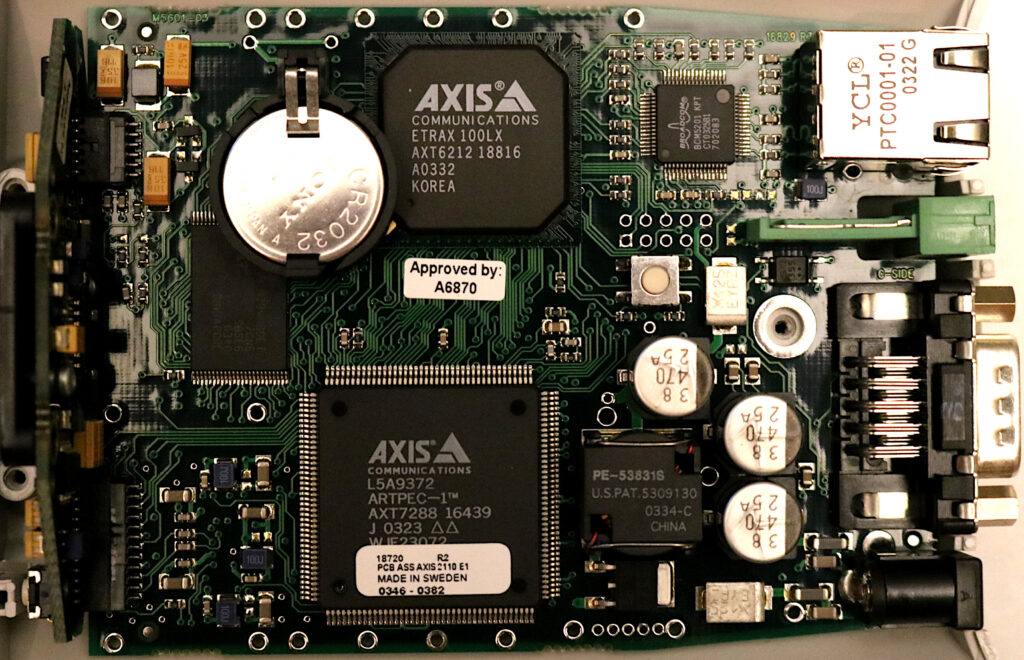
Commercial examples help explain the issue. Network cameras, monitoring platforms, lawful interception tools, digital forensic systems and communications analysis software can all have legitimate uses. A company such as Axis Communications, for example, openly refers to compliance with export control laws, including the EU Dual-Use Regulation, in relation to its operations. This does not mean that every network camera is controlled. It shows that companies operating in surveillance-adjacent technology must treat export control as a real business function.
None of this means that every cyber-related export is automatically prohibited. That would be an incorrect reading. The issue is whether the item, destination, end-user and intended use create a risk that requires authorisation or further review. Companies working in cybersecurity, monitoring systems, communications infrastructure, digital investigation tools or data interception-related technology should pay close attention to this area. A product may be entirely legitimate in one market and highly sensitive in another.
Authorisations and Compliance Programmes
Several types of authorisations exist under the EU system, including individual, global and general export authorisations. The appropriate authorisation depends on the item, destination, exporter, end-user and type of transaction.
A company making one controlled shipment to a specific customer may need an individual authorisation. Another company with repeated exports under defined conditions may seek a broader authorisation, but broader authorisations usually require stronger internal controls. Internal Compliance Programmes therefore become important. A serious dual-use compliance system normally includes product classification, customer screening, end-use review, sanctions checks, contract controls, training, escalation procedures, recordkeeping and management responsibility.
For a company selling advanced sensors, CNC machinery, aerospace components, encrypted systems or navigation equipment, compliance should not begin at the shipping stage. It should begin when the product is classified, when the customer is evaluated and when the contract is reviewed. Otherwise, the company may discover the problem only after a sale has already been negotiated.
Recordkeeping is not a minor detail. Exporters must be able to show what was exported, to whom, where it went, and under what declared use. If a transaction is questioned later, documentation becomes part of the company’s defense.
The Role of EU Member States
Although Regulation 2021/821 creates a common EU framework, Member States remain central to licensing and enforcement. National competent authorities process licence applications, issue guidance, communicate with exporters and apply penalties. Exporters therefore need to understand both the EU-level regulation and the practical expectations of the Member State from which the export takes place. Guidance from national authorities can be especially useful because it often translates legal obligations into operational expectations.
For non-EU companies, this still matters. A company outside the European Union may not be the EU exporter, but it may be asked to provide end-user statements, technical explanations, re-export assurances or documentation before receiving controlled EU-origin items. In that sense, EU dual-use regulation can affect buyers, distributors and project partners outside Europe as well.
Think about a non-EU buyer trying to purchase a European-origin sensor, navigation component, laboratory instrument or manufacturing system. The buyer may not be applying for the EU licence directly, but the European supplier may still need detailed information before completing the sale. That can affect timelines, documentation and even whether the transaction moves forward.
Why It Matters for Defense, Security and Technology Markets
EU Dual-Use Regulation matters because modern defense capability increasingly depends on technologies developed in civilian markets. Semiconductors, sensors, encrypted communications, navigation tools, drones, cyber systems, advanced manufacturing equipment and aerospace components all sit close to the boundary between commercial innovation and strategic sensitivity.
For defense companies, this regulation is part of the structure that shapes technology transfer. For technology companies, it is a reminder that commercial products can enter a security-sensitive environment depending on their performance and destination.
From a market perspective, dual-use compliance can also become a credibility factor. Companies that understand classification, end-use risk and documentation can work more professionally with European suppliers, government customers, financial institutions and international distributors. Poor compliance, on the other hand, can delay shipments, damage partnerships and expose a company to legal risk. Seen from a wider angle, the EU framework shows that export control has moved beyond the visible weapons trade. It now reaches software, data, technical support, industrial equipment, sensors, cyber tools and advanced commercial technologies.
Anyone following defense markets needs to understand this shift. The central question is no longer only whether a product is military. In many cases, the more important question is whether a civilian technology can produce military, intelligence or security effects when transferred into a sensitive context.
Looking ahead, defense-related regulation will likely become more connected to dual-use technology rather than less. As states pay closer attention to semiconductors, AI, cyber capabilities, drones, advanced sensors and critical infrastructure technologies, export control systems will continue to shape how these tools move across borders. The EU Dual-Use Regulation is one of the main frameworks through which this process is managed in Europe.
Sources
- European Commission Joint Research Centre, “The TIM Dual-Use Dashboard.
- Federal Office for Economic Affairs and Export Control, Germany, “Export Control.
- Siemens, “SINUMERIK Systems.
- Austrian Federal Ministry of Economy, Energy and Tourism, “Dual-Use Items.