
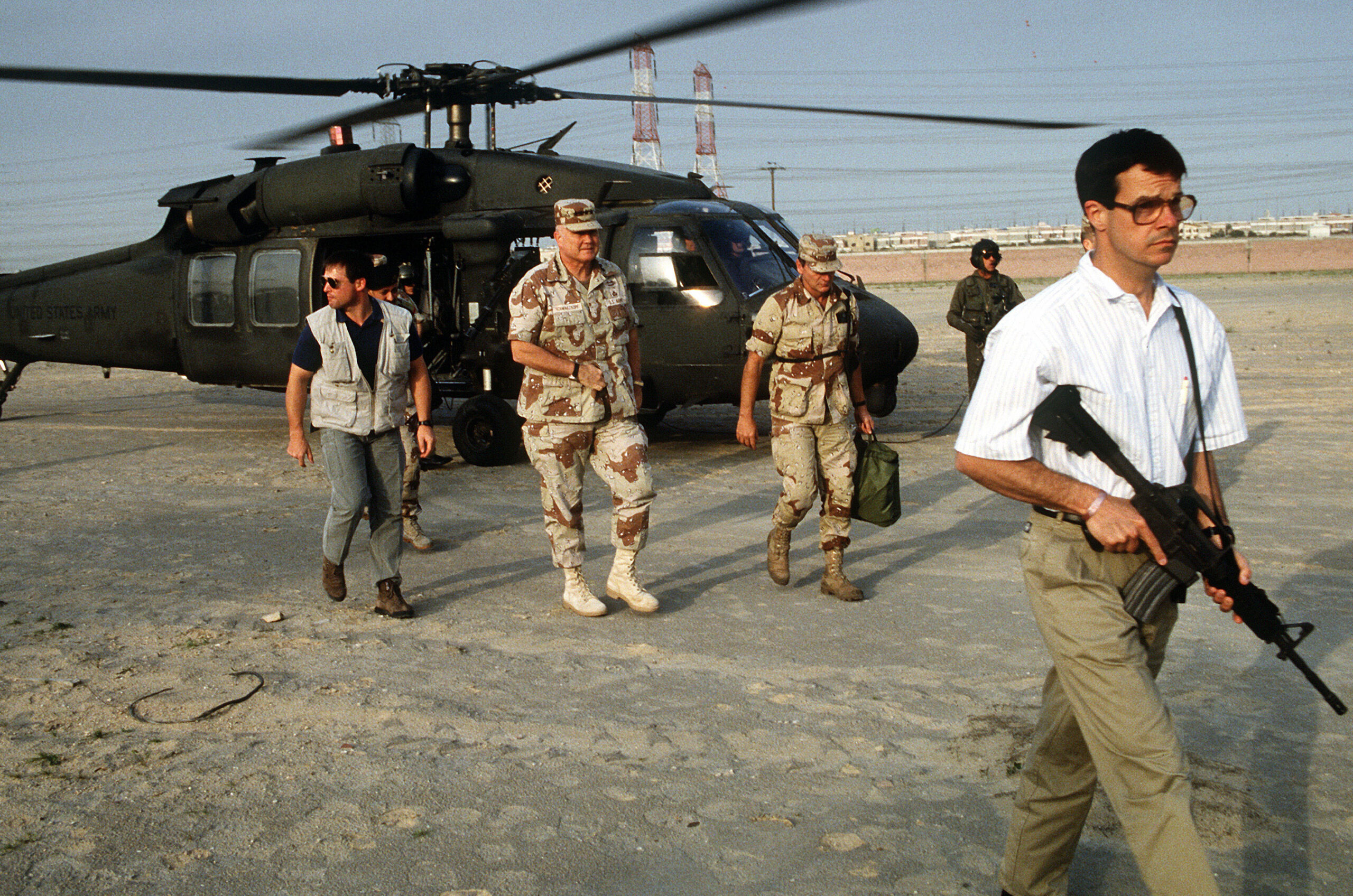
Delta Force is one of the few military organizations that became globally recognizable while remaining largely hidden from the public eye. That combination alone explains why the unit still attracts so much attention decades after its creation. Films, documentaries, internet discussions, and video games have transformed the name into something almost symbolic, usually associated with night raids, hostage rescues, helicopters disappearing into darkness, and highly trained operators moving through environments most people will never experience. Yet the real importance of Delta Force has far less to do with mythology than with what the unit represents inside modern military doctrine.

Officially known as 1st Special Forces Operational Detachment Delta, the unit emerged during a period when governments were beginning to understand that conventional military structures were not always suitable for rapidly evolving hostage crises and international terrorism. During the 1970s, hijackings, embassy attacks, and politically sensitive hostage situations increasingly forced states to think beyond traditional battlefield models. Around the same period, countries such as the United Kingdom and Israel increasingly relied on units like the SAS, Sayeret Matkal, and Shayetet 13 for highly sensitive counterterrorism and special operations missions. The challenge was not simply military strength. The challenge was speed, intelligence integration, precision, secrecy, and political control all operating together within extremely narrow timelines.
Colonel Charles Beckwith, who had previously worked alongside the British SAS, strongly believed the United States needed a permanent force built specifically for those kinds of missions. His experience convinced him that small, highly selective teams operating with flexibility and autonomy could achieve objectives that larger formations would struggle to handle efficiently. Delta Force was eventually established in 1977, and from the beginning its role was very different from that of conventional infantry or even many other special operations formations.
More Than Just an “Elite Unit”
Public discussions often reduce Delta Force to the idea of “elite soldiers,” but the actual structure behind modern special mission units is far more complicated than that simplified image. A successful operation depends not only on the operator carrying a weapon, but also on intelligence analysts, aviation crews, communications specialists, surveillance systems, planners, logistics teams, and command structures working together without major friction. The visible part of the mission is often the smallest part.
This becomes especially clear when looking at how modern counterterrorism operations evolved over time. Earlier military systems were built around large formations maneuvering against other armies. Delta Force emerged from a different operational reality, one where missions might involve a small team entering an urban structure at night, identifying hostages, distinguishing civilians from armed targets within seconds, coordinating with aviation assets overhead, and extracting before hostile forces can properly react.
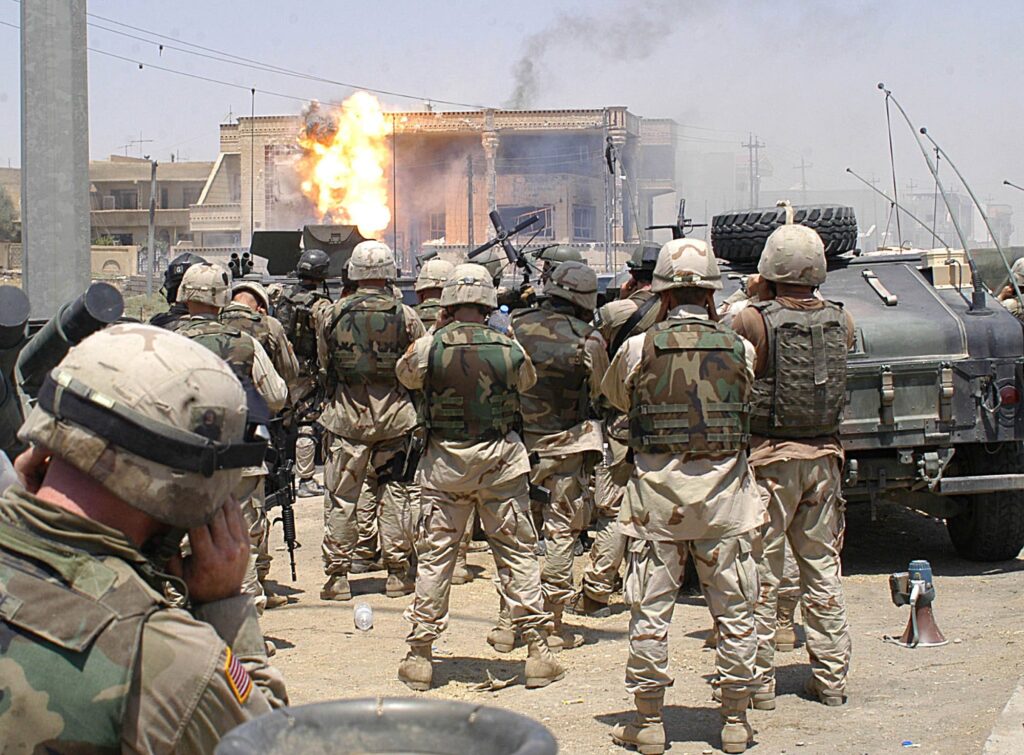
That environment leaves very little room for error. Precision matters far more than spectacle.
The public image surrounding units like Delta Force often exaggerates aggression while overlooking discipline. In reality, operations involving hostage rescue or intelligence sensitive targets demand emotional control and patience as much as technical skill. A poorly controlled operator can create political disasters in operations where every movement may already be under international scrutiny.
Selection, Pressure and Human Performance
A large part of the fascination surrounding Delta Force comes from the secrecy surrounding its selection process. Official details remain limited, which naturally encourages speculation online. Over time, this created an almost mythical reputation where real operational culture, exaggerated stories, and internet fiction often became mixed together.
Still, the broader philosophy behind the process is relatively clear.
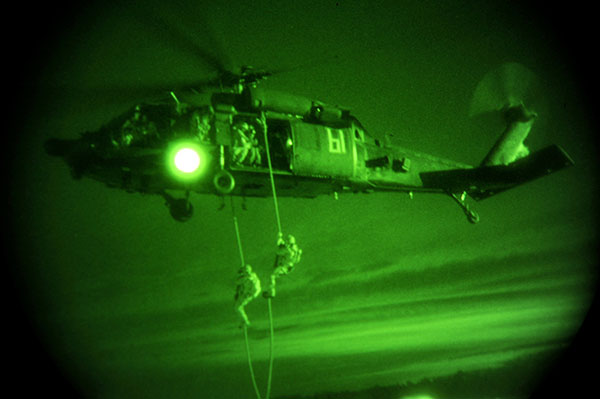
Candidates associated with the unit generally come from already demanding military backgrounds, especially organizations such as Army Special Forces or the Ranger Regiment. However, prior experience alone means very little. Selection is not simply about identifying physically strong individuals. The larger objective is to identify personnel capable of functioning effectively after plans begin collapsing rather than while conditions remain stable.
Modern special mission environments are unpredictable by nature. Communications fail. Intelligence changes minutes before execution. Weather disrupts timelines. Targets behave differently than expected. Because of this, selection environments place enormous emphasis on judgment, adaptability, navigation, psychological resilience, and decision making under exhaustion.
Hollywood often presents special mission units as relentlessly aggressive organizations. Real operations are usually far quieter and far more controlled than popular culture suggests. Hostage rescue operations especially require restraint, precision, timing, and disciplined communication. The operator must remain capable of violence while still maintaining complete control over it.
Weapons, Equipment and Technical Systems
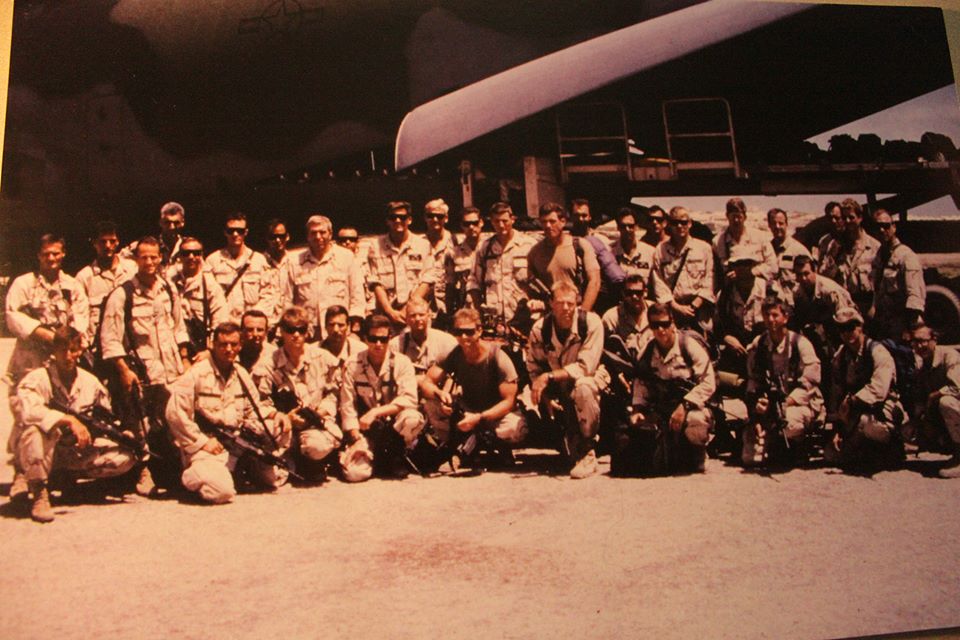
Because Delta Force operates within a highly classified environment, exact equipment configurations are rarely discussed officially. Even so, enough open source material exists to understand the broader technical philosophy surrounding modern special mission operations. Flexibility is one of the defining themes.
Operators commonly associated with units like Delta Force are often seen using compact rifle platforms, suppressors, advanced optics, infrared aiming devices, thermal systems, encrypted communications equipment, modular load bearing systems, breaching tools, and advanced night vision technology. Depending on the mission profile, drones, surveillance devices, precision rifles, and specialized entry equipment may also become part of the operational setup.
But equipment itself explains very little without context.
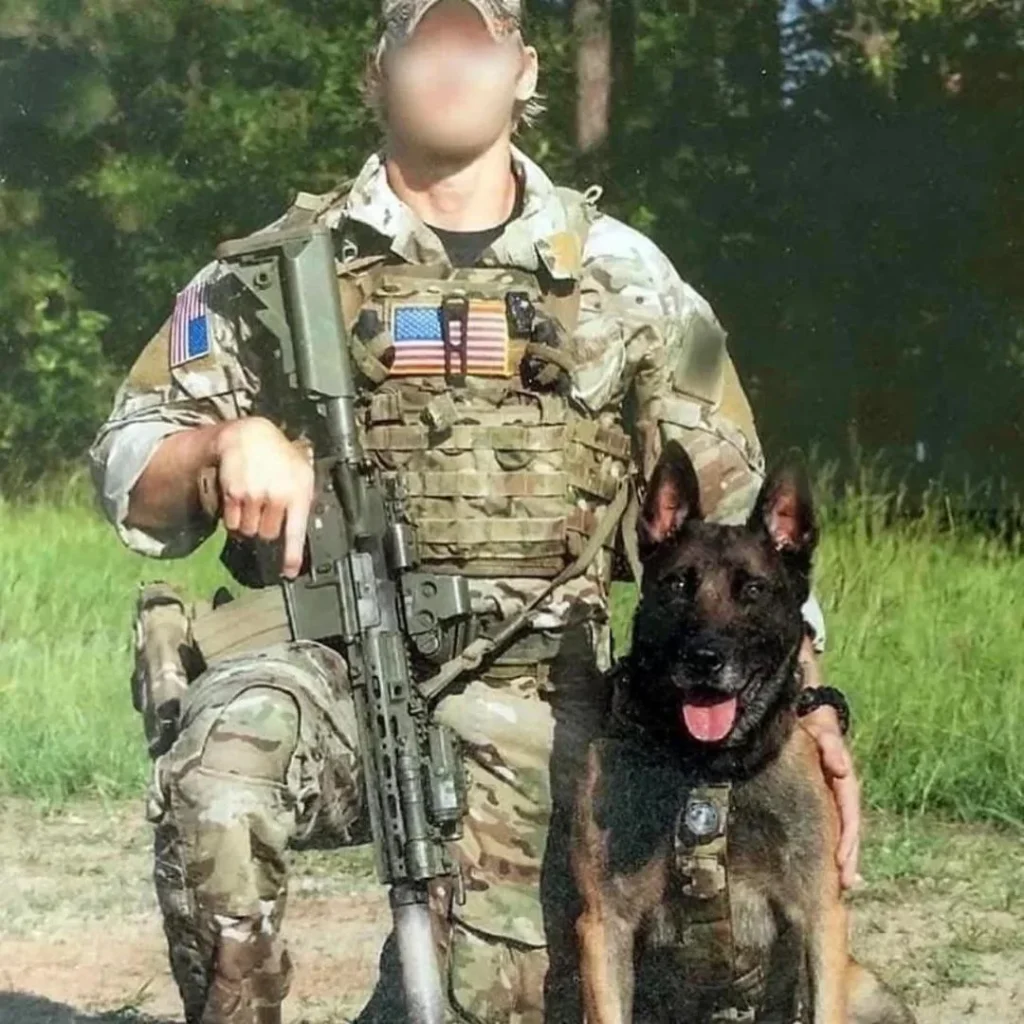
A suppressor reduces flash and sound signature. Night vision extends operational capability into darkness. Modern optics improve target acquisition speed. Thermal systems improve visibility under difficult conditions. Yet none of those systems replace training, coordination, or judgment. Advanced tools can reduce uncertainty, but they cannot eliminate it entirely.
Close quarters battle provides one of the clearest examples of this reality. Online discussions often portray CQB as fast and cinematic, but real environments are slower, more stressful, and far less forgiving. Hallways, stairwells, room geometry, low light conditions, civilians, communication delays, and target identification problems all compress into seconds where mistakes can become irreversible.
This is where technical systems and human performance intersect directly.
Operation Eagle Claw and the Lessons of Failure
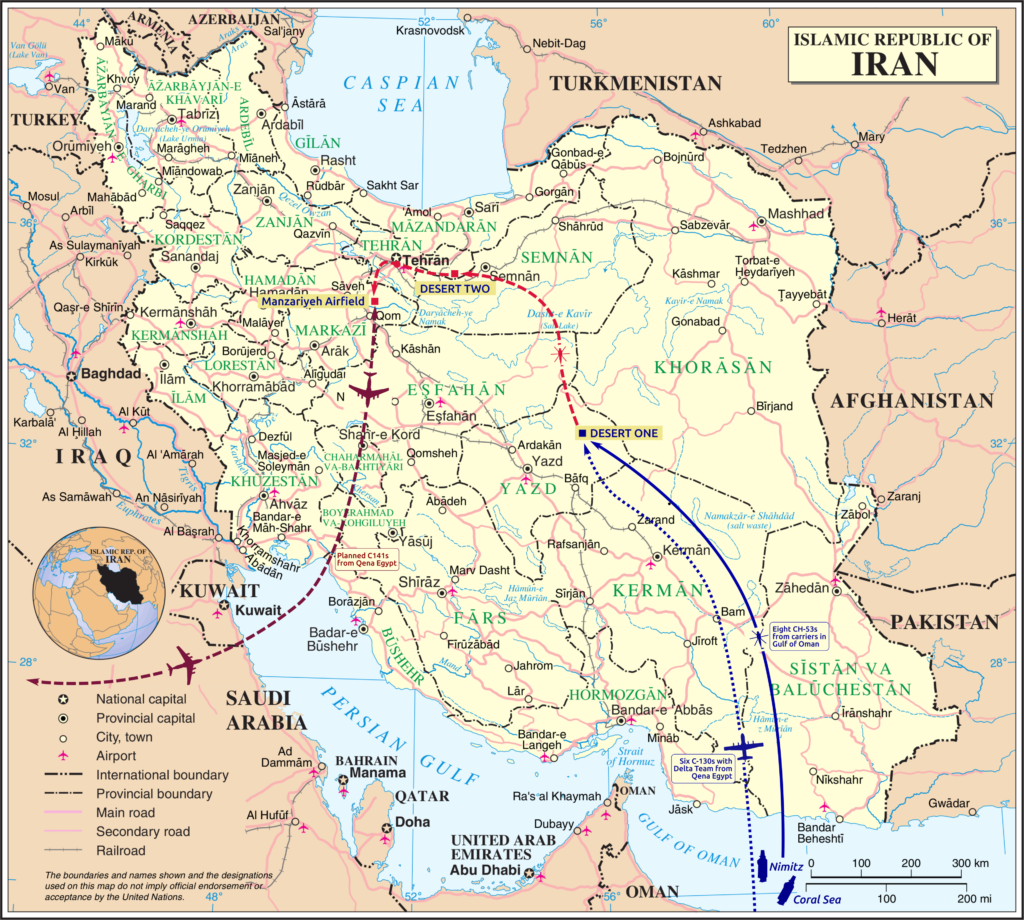
One of the most important events connected to Delta Force history remains Operation Eagle Claw, the failed 1980 attempt to rescue American hostages held in Iran. Mechanical failures, environmental conditions, coordination problems, and communication breakdowns gradually disrupted the mission before a fatal collision during the withdrawal phase killed several servicemen.
Publicly, the operation became a major embarrassment for the United States.
Internally, however, it forced serious institutional changes. The mission exposed weaknesses in interservice coordination, aviation support structures, mission planning systems, and command integration. Instead of abandoning the special mission concept, the United States expanded and reorganized it.
JSOC became increasingly central. Special operations aviation capabilities evolved rapidly. Coordination between intelligence and operational elements improved over time. In many ways, modern American special operations architecture was shaped not only by battlefield success, but also by failures that forced institutional adaptation.
Military organizations rarely evolve by avoiding mistakes entirely. They evolve by identifying weaknesses before those weaknesses become permanent structural problems.
Delta Force in the Post 9/11 Environment
The post 9/11 era pushed special operations units into a far more visible position within modern warfare. Counterterrorism campaigns in Iraq, Afghanistan, and other regions placed enormous emphasis on intelligence driven operations, rapid deployment capabilities, and high value target missions.
During this period, the public became more aware of how deeply integrated modern military operations had become with surveillance systems, drones, satellite imagery, signals intelligence, biometric identification technologies, and real time information sharing. Delta Force increasingly came to represent not only direct action capability, but also the broader transformation of warfare into something heavily dependent on intelligence fusion and technological integration. At the same time, the period also demonstrated the limitations of special operations forces.
A successful raid can eliminate a target or disrupt a network, but it cannot independently solve ideological conflicts, political instability, regional fragmentation, or state collapse. Tactical success and strategic stability are not automatically connected. That distinction is extremely important when discussing modern counterterrorism campaigns.
Special mission units are highly effective tools, but they remain tools within larger political and military strategies.
Why Delta Force Still Holds Global Attention
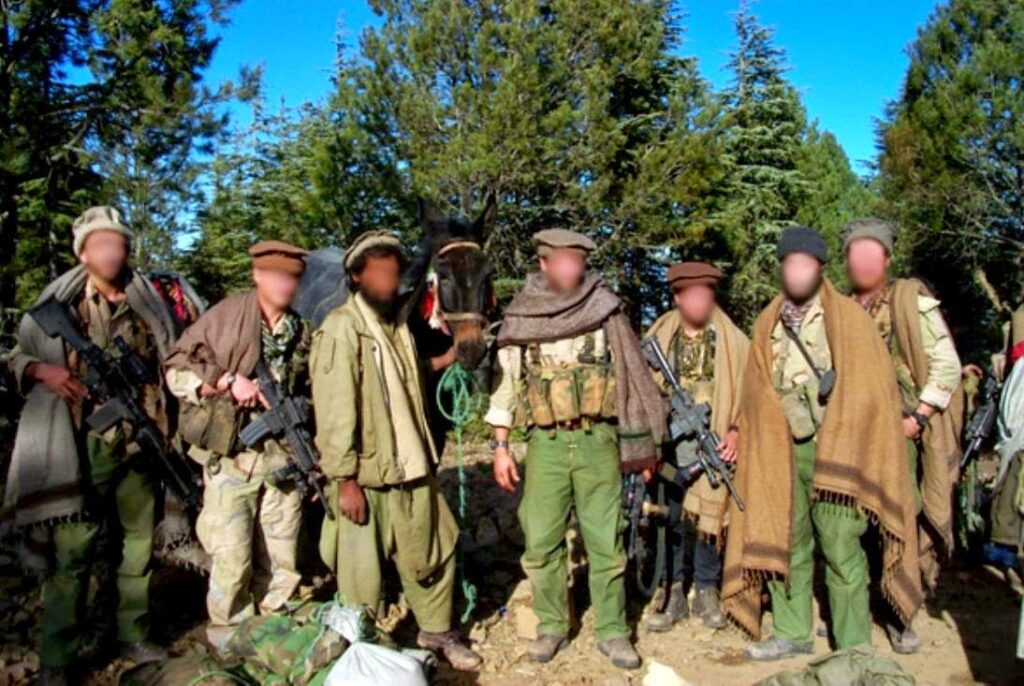
Part of what continues to make Delta Force interesting is that it represents a very specific evolution in modern warfare. The unit exists at the intersection of intelligence, technology, aviation, logistics, precision force, and political sensitivity. It reflects a world where conflicts are no longer defined only by large armies confronting each other across conventional battlefields.
Modern states increasingly rely on smaller, faster, and more adaptable structures capable of operating inside environments where visibility itself can become a liability. Delta Force became one of the clearest examples of that transition.
And perhaps that explains why the unit still occupies such a unique place in military discussions today. The fascination is not only about secrecy or elite status. It is also about what Delta Force reveals regarding how modern military power is organized, projected, and concealed at the same time.
Sources:
- Britannica – Operation Eagle Claw Encyclopaedia
- Britannica – Delta Force
- U.S. Special Operations Command (SOCOM)
- Britannica – Joint Special Operations Command