

The Long Range Desert Group, usually known as the LRDG, was one of the most distinctive Allied units of the Second World War. It was created for a type of warfare that conventional formations could not easily handle: long-distance movement across the deep desert, reconnaissance behind enemy lines, road watching, navigation, and survival in an environment where a small mistake could become fatal.

The unit operated mainly during the North African campaign, where distance, supply, fuel, water, and mobility shaped almost every military decision. In that theatre, the desert was not simply empty space between armies. It was an operational system of its own. Some areas were too remote for ordinary formations, but not irrelevant. Roads, tracks, oases, airfields, supply columns, and rear-area routes all mattered.
The LRDG was designed to reach those spaces, observe them, and report back.
Although the SAS later became far more famous, early desert special operations were closely connected to LRDG mobility and guidance. The LRDG was not just a supporting footnote. It provided a practical model of how small, trained patrols could use terrain, navigation, and endurance to influence a much larger campaign.
Formation and Early Purpose
The unit was formed in 1940 under Major Ralph Bagnold, a British officer, explorer, and desert specialist. Bagnold’s prewar expeditions in the Libyan Desert gave him knowledge that was rare inside the army at that time. He understood how vehicles behaved on different desert surfaces, how navigation could fail in open terrain, and how fuel and water planning determined whether a patrol could survive.
The original concept was not complicated, but it was demanding. Small patrols would travel hundreds of miles into the desert, often behind Axis lines, to gather intelligence and monitor enemy movement. They had to move without the support structure that ordinary units expected.
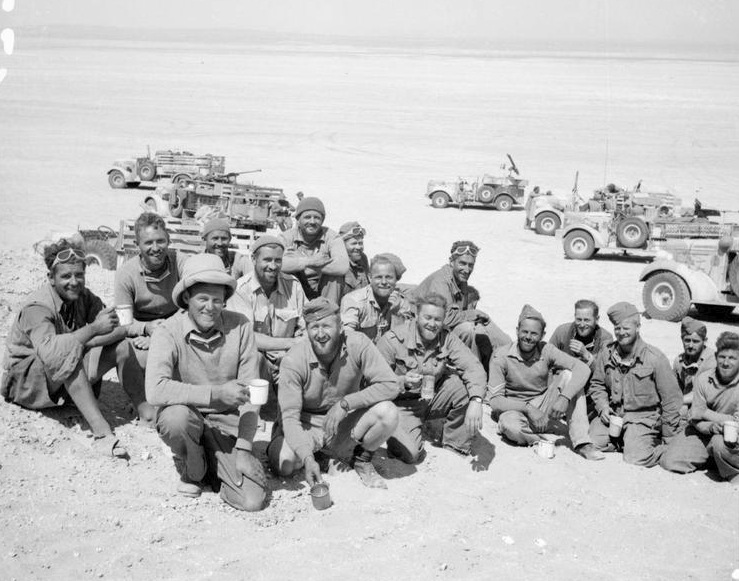
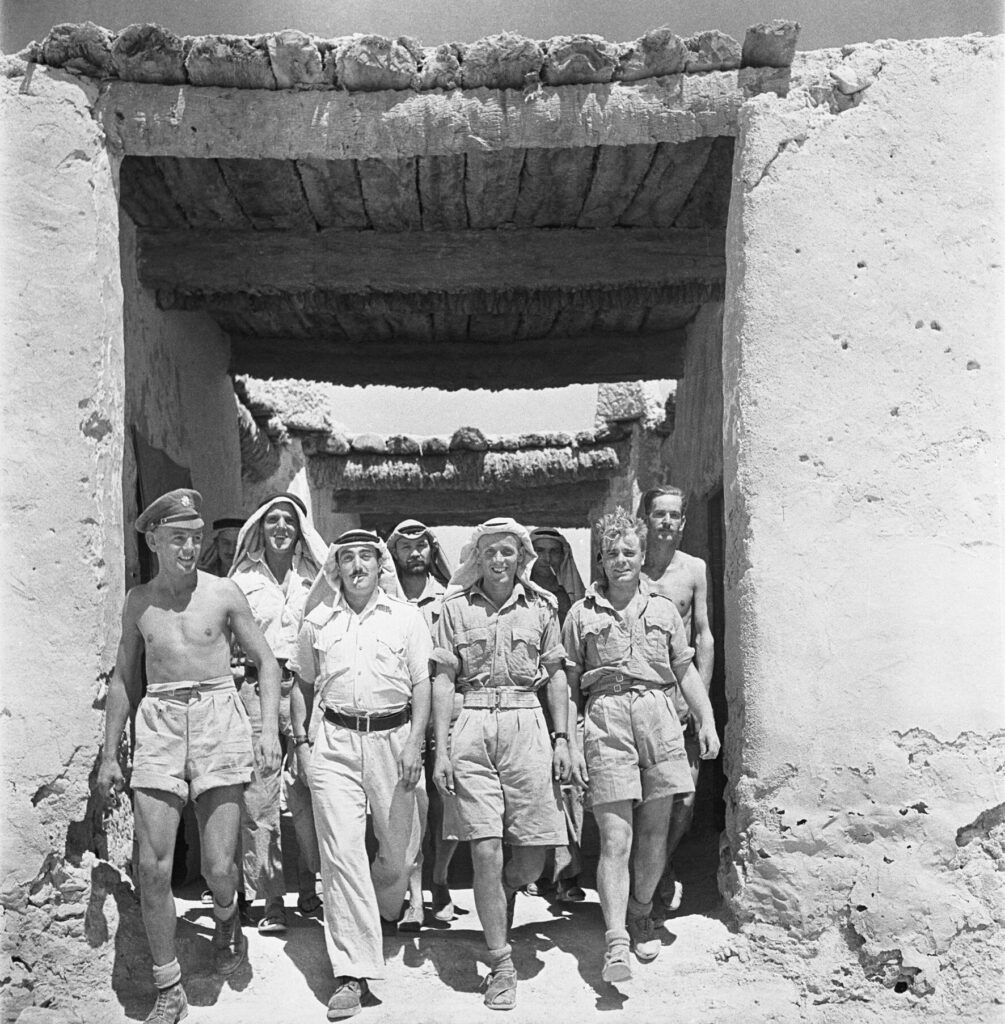
Early personnel included many New Zealanders, later joined by British and Rhodesian elements. The men needed more than physical toughness. A useful LRDG patrol member had to be calm, mechanically practical, comfortable with isolation, and able to follow routine under pressure. The group’s culture developed around competence rather than show.
The Desert as a Technical Problem
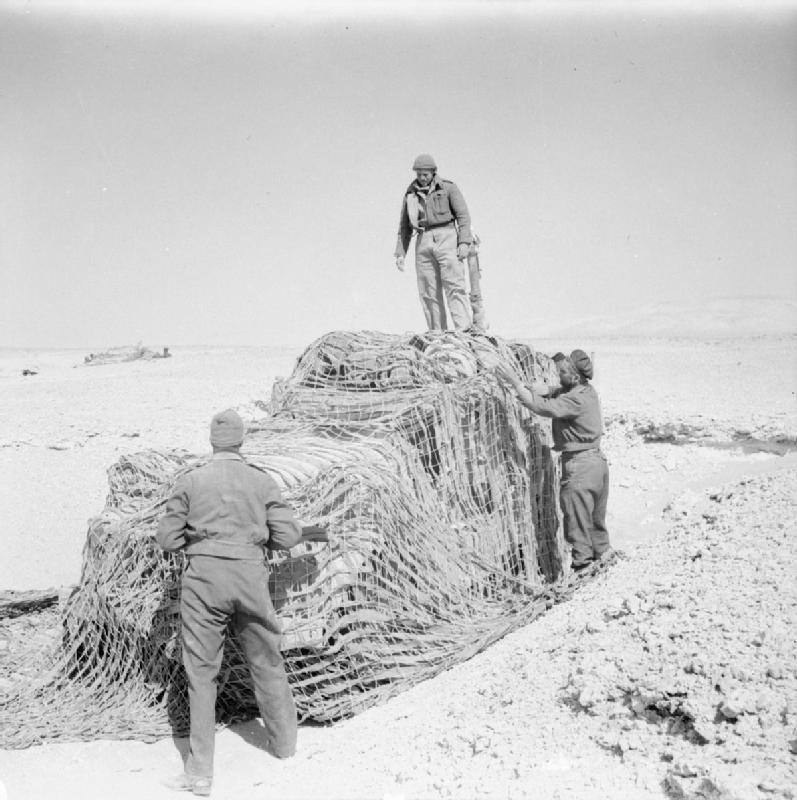
Operating in the Western Desert required constant calculation. Water had to be rationed. Fuel had to be measured against distance, terrain, and load. Tyres had to be managed according to sand conditions. Engines needed protection from dust and overheating. Radios, weapons, tools, spare parts, rations, camouflage material, maps, and medical supplies all competed for space on the same vehicle.
The patrols were not moving through a romantic empty landscape. They were moving through a place where heat, cold nights, dust storms, soft sand, rocky ground, and mechanical failure could destroy the mission before enemy contact.
Surface conditions mattered a lot. Hard desert allowed faster movement. Soft sand required lower tyre pressure and careful driving. Rocky ground threatened tyres, suspension, and fuel containers. Salt flats could look passable but become dangerous. Drivers had to read the ground almost like sailors read water.
For a conventional army, the deep desert was often a risk. For the LRDG, it became a route.
Vehicles and Load Discipline
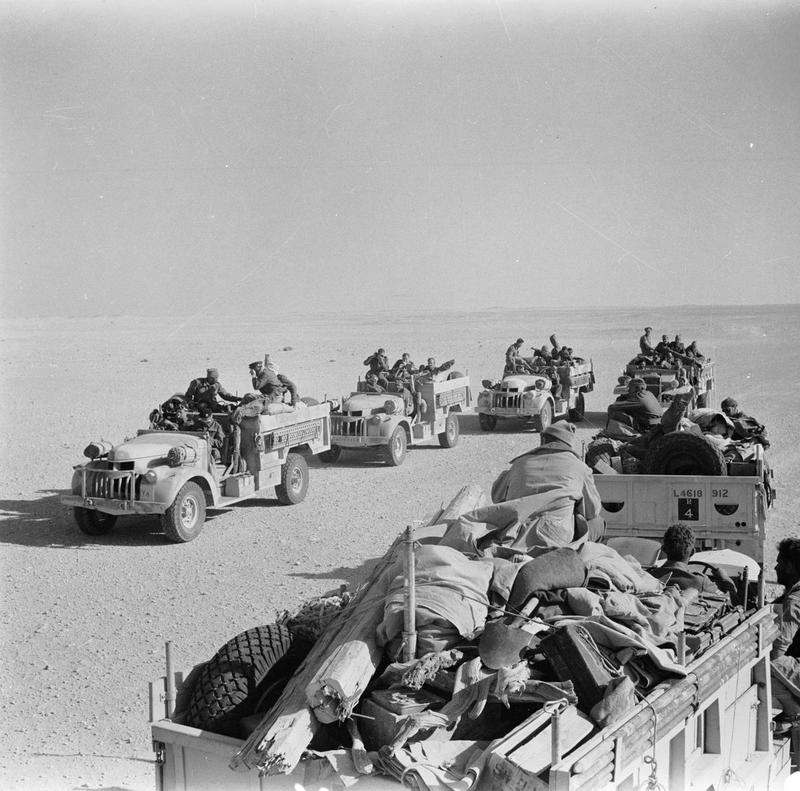
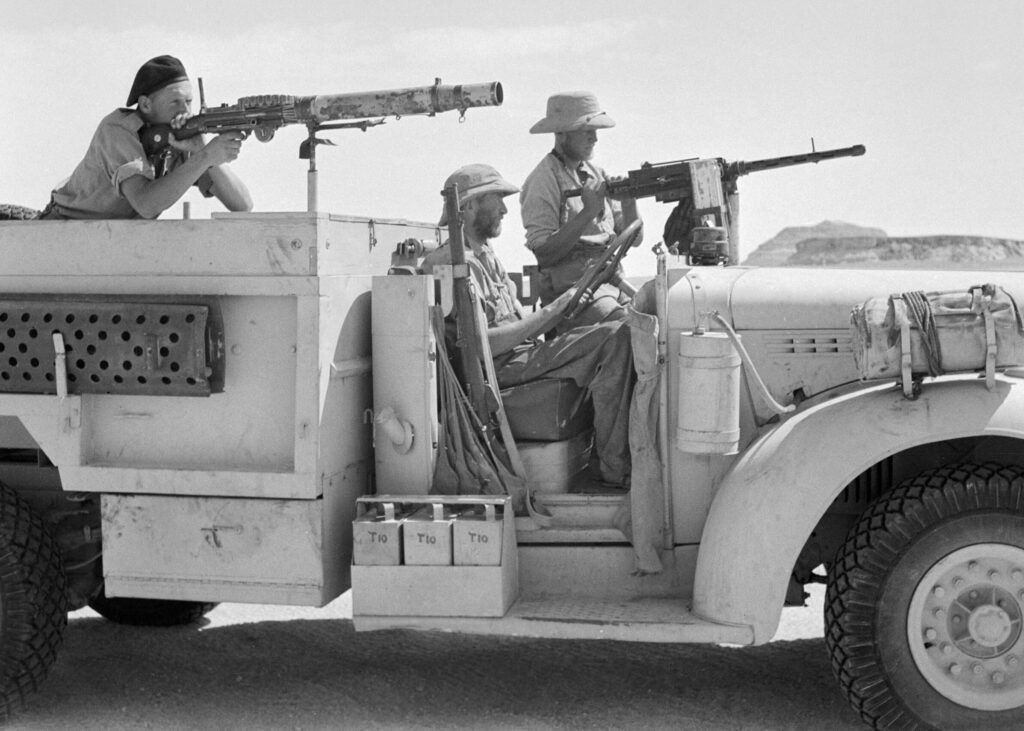
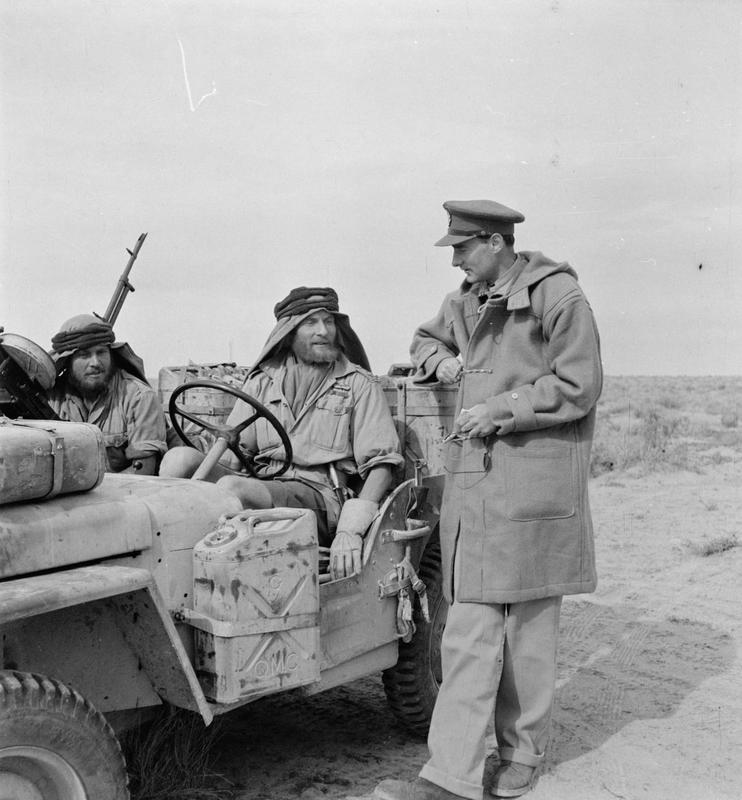
The LRDG is strongly associated with modified Chevrolet trucks, especially 30-cwt vehicles, along with other types used at different periods. These trucks were adapted for long-range patrol work. They carried extra fuel, water, spare tyres, sand channels, tools, radio equipment, weapons, ammunition, rations, and personal kit.
A patrol vehicle was more than transport. It was a mobile supply point, workshop, radio station, observation platform, and fighting position.
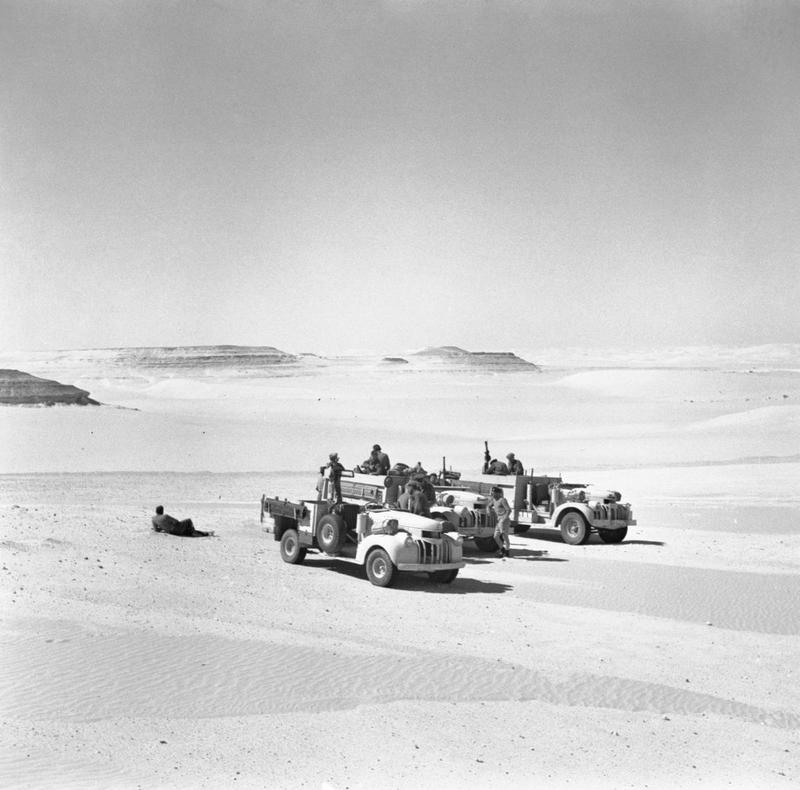
Load planning shaped the whole mission. Extra fuel increased range but added weight. More water improved survival but reduced room for ammunition or spare parts. More weapons increased firepower but affected handling and mechanical reliability. The LRDG had to find a balance between endurance, speed, concealment, and defensive capability.
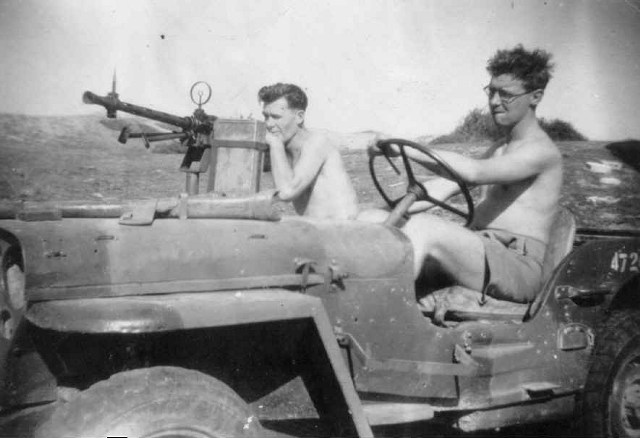
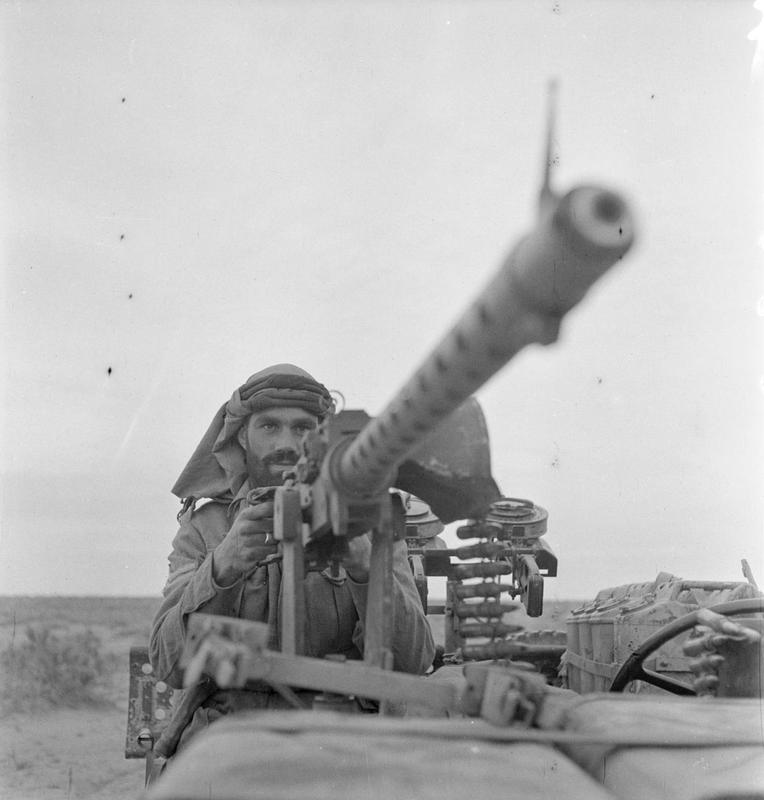
Weapons varied by patrol and period. Vehicle-mounted machine guns such as Vickers K guns, Lewis guns, and Browning machine guns appeared in LRDG service, with captured weapons sometimes used when practical. Yet firepower did not define the unit in the same way it might define an assault formation. Most patrols could not afford long engagements far behind enemy lines. The vehicle had to get them in, keep them alive, and get them out.
Navigation Without Modern Systems
Navigation was one of the LRDG’s most important skills. In open desert, there were few landmarks, tracks could disappear, and small errors in direction could grow into serious mistakes over long distances.
Ralph Bagnold’s sun compass became one of the best-known technical solutions connected with the unit. Magnetic compasses could be affected by the metal of vehicles, while the sun compass allowed more reliable direction-keeping during movement. Combined with maps, distance measurement, dead reckoning, astronomical observation, and disciplined record-keeping, it helped patrols cross areas that many troops would have found impossible to navigate with confidence.
A patrol might have weapons and fuel, but without accurate direction it could miss a target road, fail to reach a rendezvous, or run dangerously short of supplies.
Navigation in the LRDG was not a background task. It was part of the unit’s combat power.
Road Watching and Intelligence Work
One of the LRDG’s most valuable missions was road watching. Patrols moved behind Axis lines and positioned themselves near important routes. From concealed observation points, they recorded traffic, vehicle numbers, direction of movement, convoy size, timing, and sometimes unit markings.
The work required patience rather than drama. A patrol could spend long periods hidden in difficult conditions, watching a road and recording details that might look ordinary in the moment but become important when combined with other intelligence.
In North Africa, movement and supply were critical. If Axis forces were shifting units, reinforcing a sector, withdrawing, moving fuel, or preparing for a new action, Allied commanders needed to know. LRDG road watch reports helped build that wider picture.
The skill was not only getting behind the enemy. It was returning with information that was accurate enough to be useful.
Radio, Reporting, and Security
Radio communication gave LRDG patrols a way to pass intelligence back, but it also created weight, maintenance needs, and security concerns. Sets required trained operators, power supply, spare parts, and disciplined procedures. Messages had to be short, clear, and controlled.
A careless transmission could create risk. Enemy direction-finding, interception, technical failure, and battery limitations all affected how patrols communicated. Even when a patrol successfully observed enemy movement, the intelligence had little value unless it could be reported in time and in a usable form.
The LRDG therefore sat between fieldcraft and intelligence work. It was not only a group of armed men in trucks. It was a moving collection platform operating under difficult conditions.
Cooperation With the SAS
The SAS and LRDG had different roles, but their early desert histories overlapped. The SAS became known for raids against airfields and rear-area targets. The LRDG provided the mobility, navigation, and desert access needed for some of those operations.
Reaching a target across deep desert could be as difficult as the raid itself. Fuel calculations, route selection, vehicle discipline, concealment, and extraction planning all had to work. The LRDG brought that expertise.
The relationship also shows why special operations should not be understood only through the final assault. A successful raid may depend on reconnaissance, transport, communications, guides, recovery plans, and the quiet work of units that do not always receive the same attention.
Life on Patrol
Daily life on an LRDG patrol was hard and repetitive. Men lived from their vehicles, slept in rough conditions, managed limited water, ate basic rations, and worked around dust, heat, flies, cold nights, and fatigue.
Maintenance was constant. Engines had to be checked. Weapons had to be cleaned. Tyres had to be watched. Fuel and water containers had to be secured. Radios needed attention. Even personal discipline mattered, because exhaustion and dehydration could damage judgement.
A patrol might spend hours driving, then long periods waiting and observing. Some days were physically demanding. Others were slow and tense. The danger was not always visible, which may have made discipline even more important.
Tactical Limits
The LRDG could fight, but it was not designed to behave like a conventional battle group. Its patrols were small, mobile, and usually operating far from friendly support. Prolonged combat against stronger enemy forces could quickly become dangerous. Vehicle-mounted weapons gave the patrols options for ambush, self-defense, and breaking contact. Still, survival often depended on not being fixed in place. Concealment, route choice, timing, and mobility were usually more valuable than trying to overpower the enemy.
The LRDG’s tactical strength came from choosing the terms of contact when possible. Observation, movement, and withdrawal were just as important as attack.
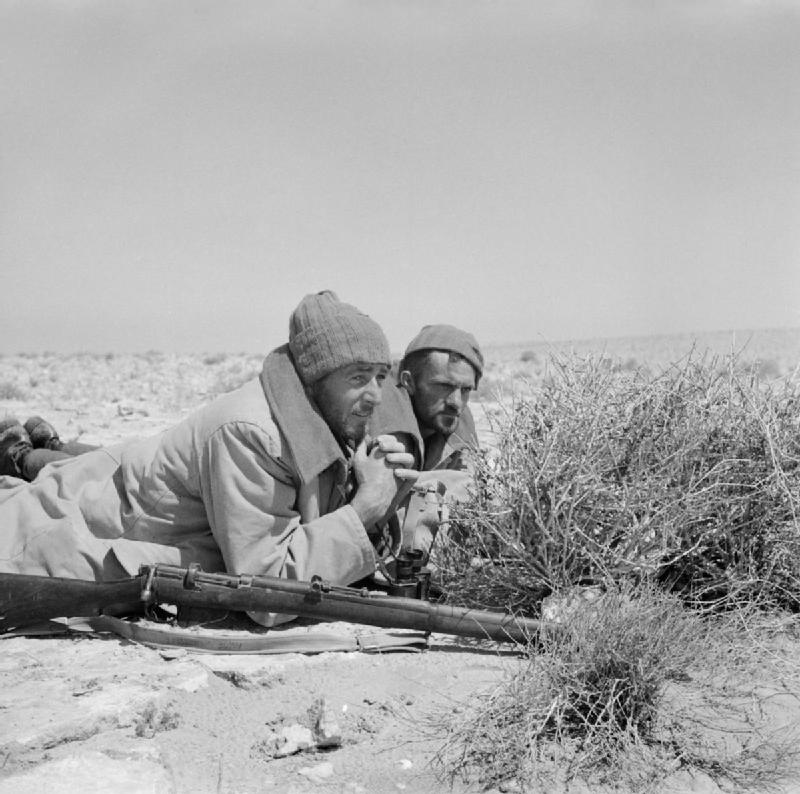
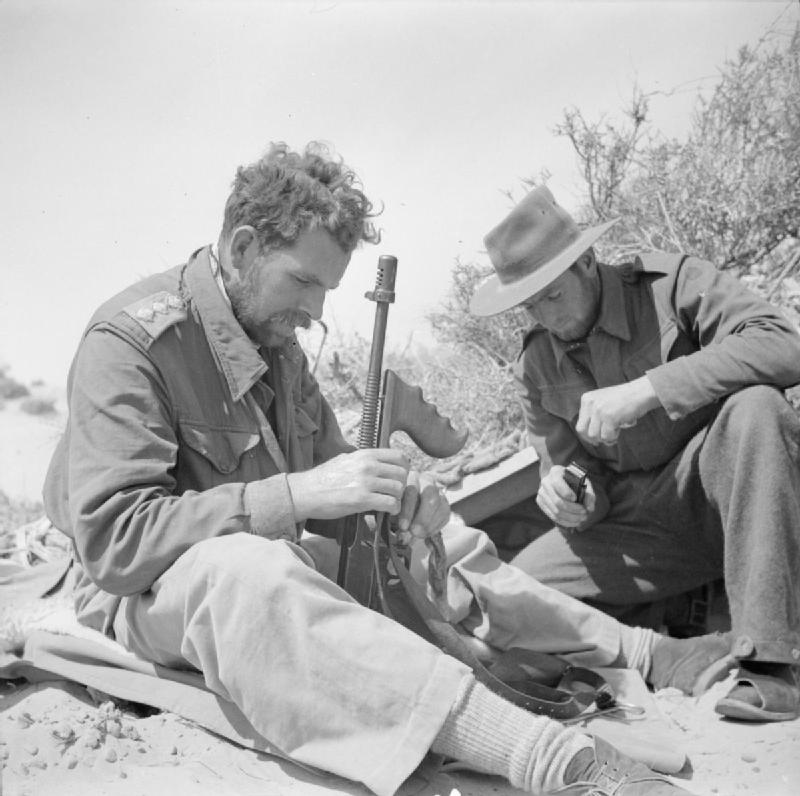
Two men of a Long Range Desert Group patrol, dressed in greatcoats, make use of available cover while on a road watch.
Beyond the Western Desert
After the North African campaign, the LRDG served in other areas, including the eastern Mediterranean and the Aegean. Those later operations placed the unit in terrain very different from the open desert.
The original desert methods could not transfer perfectly to islands, coastal areas, and mountainous environments. Vehicle mobility no longer offered the same advantages everywhere. Even so, the experience gained in small-team operations, reconnaissance, communications, and survival kept the unit useful.
The Western Desert remained the defining chapter of the LRDG. Its identity was tied to the environment that created it.
Why the LRDG Still Matters
The Long Range Desert Group remains important because it represents a practical form of special operations built around environment, mobility, intelligence, and technical adaptation. It was not simply a raiding force. It was a unit designed to solve a specific operational problem: how to move, observe, communicate, and survive in deep desert areas beyond normal military reach.
Its legacy also helps explain why some units become influential without being large. The LRDG did not need mass to create value. It needed skilled people, reliable vehicles, accurate navigation, disciplined reporting, and enough endurance to operate where the enemy did not expect Allied presence.
The unit was disbanded after the war, while the SAS survived and became much more famous. Public memory followed the unit that continued. Military history, however, gives the LRDG a different place: not as a forgotten side story, but as one of the clearest examples of how reconnaissance, mobility, and environmental mastery can shape a campaign far beyond the size of the force involved.
Sources:
- National Army Museum. “Desert Innovator: Bagnold’s Sun-Compass.”
- Imperial War Museums. “Special Forces That Helped Win WW2 Desert War.”
- Imperial War Museums Collections. “The Long Range Desert Group in North Africa During the Second World War.”
- Ngā Taonga Sound & Vision. “Voices of the Long Range Desert Group.”
- National Library of New Zealand. “Great Britain. Army. Long Range Desert Group.”
- Churchill Archives Centre. “‘Our rather useless hobby’.”