
A modern crisis does not always begin with a missile launch, a border crossing, or an emergency speech from a head of state. Sometimes it begins with something much smaller: a cancelled hotel booking, a drone alert, a shipping delay, a damaged cable, a sudden rise in insurance costs, or a government warning that most people only half-read on their phones.
At first, these events may look disconnected. One belongs to tourism, another to maritime security, another to telecommunications, another to energy. But are they really separate?
In today’s security environment, the answer is increasingly no.
Geopolitical pressure now moves through the systems people depend on every day. It reaches transport, communication, finance, energy, tourism, insurance, public trust, and even the sense of normal life. The battlefield is still real, of course. Soldiers, weapons, borders, and alliances still matter. But the space around the battlefield has expanded. Modern conflict often tries to affect society before society fully understands what is happening.
Disruption Before Destruction
For many years, people imagined conflict in a fairly simple way. A crisis happened somewhere, governments responded, militaries moved, and civilians watched from a distance unless they were directly inside the conflict zone.
That distance is becoming harder to maintain.
A drone does not need to destroy a building to create pressure. If it enters sensitive airspace, forces alerts, frightens civilians, affects local businesses, and makes authorities explain whether people are safe, it has already created an effect. The damage may not be physical, but the consequence is real.
Ask yourself a simple question: if a drone does not hit a town, but still causes people to cancel trips, avoid the region, distrust local security, and make businesses lose income, has it failed completely?
Not necessarily.
That is what makes modern conflict so difficult to measure. The old question was often, “What was destroyed?” The new question is also, “What stopped functioning normally?”
Fear can become an economic factor. Uncertainty can become a strategic tool. Confusion can become part of the pressure.
The Civilian Economy Is Now Exposed
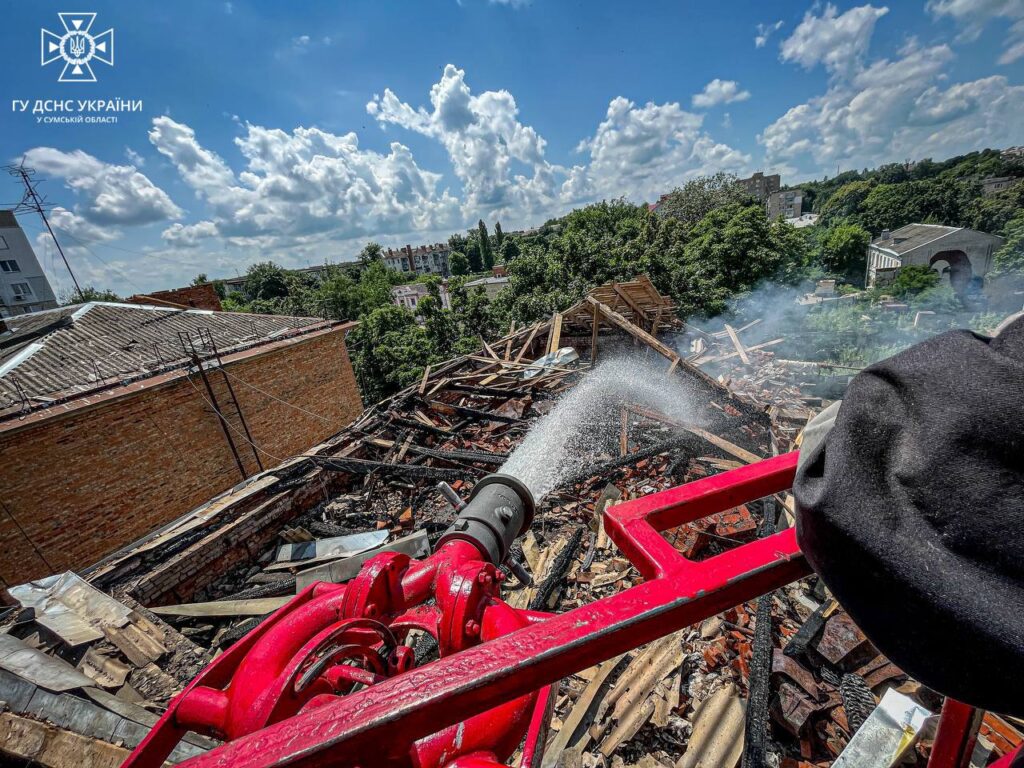
Recent reporting from Latvia showed how fear of drone activity affected guesthouses and small tourism businesses in the country’s eastern region. No major battle happened there. No invasion took place there. Yet local bookings, weddings, and business expectations were reportedly disrupted because people began to associate the area with security risk.
This is an important example because it shows how conflict can travel without moving front lines.
A hotel owner does not need to understand military doctrine to suffer from a regional drone threat. A family does not need to study air-defense systems before deciding to cancel a trip. A small business does not need to be involved in politics to feel the consequences of geopolitical instability.
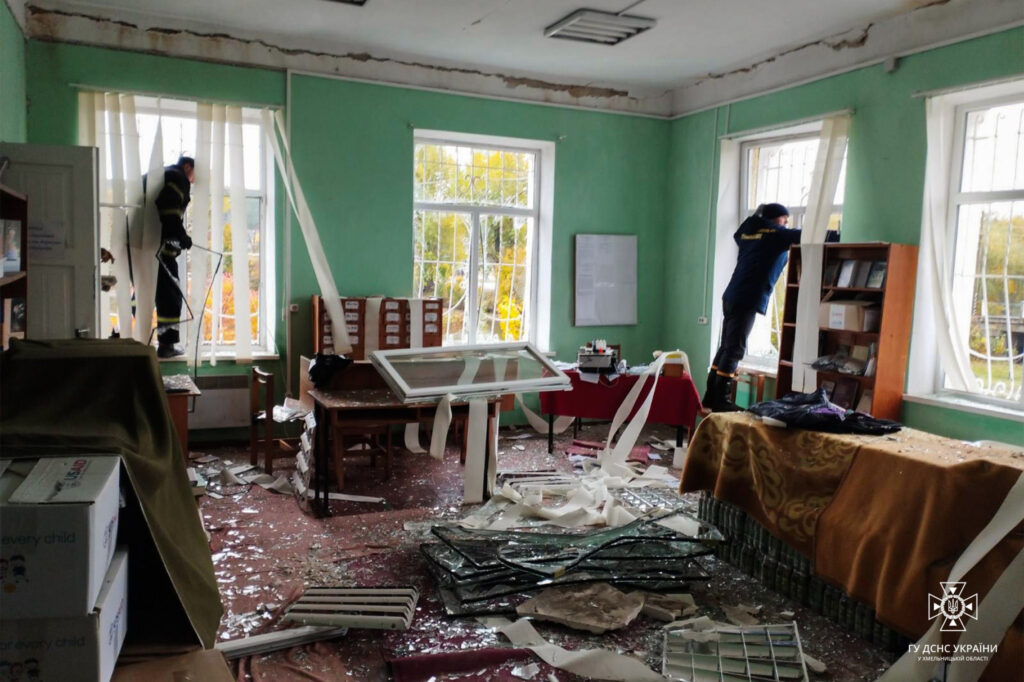
In that sense, modern security is no longer limited to ministries of defense. It reaches mayors, business owners, telecom operators, shipping companies, insurers, airport managers, energy planners, and ordinary families making ordinary decisions.
And when ordinary decisions begin to change, geopolitics has already entered daily life.
Lessons Are Moving Faster Than Weapons
Another important shift is taking place in the defense world. Battlefield experience is becoming exportable.
Ukraine’s use of drones, electronic warfare adaptation, and rapid battlefield learning have attracted attention from European partners, especially in the Nordic and Baltic region. Cooperation with countries such as Latvia shows that wartime experience is not only a military asset. It can also become an industrial, technological, and diplomatic asset.
For NATO members, the United States, Israel, and other security-focused states, the lesson is not simply about buying more equipment. The deeper lesson is adaptation speed.
Can a state learn faster than the threat changes?
Can procurement move quickly enough?
Can industry produce enough affordable systems?
Can local security agencies, civil protection units, police, border authorities, and infrastructure operators communicate effectively during a crisis?
Advanced platforms still matter. Air defense still matters. Naval power still matters. Intelligence still matters. But modern threats also test the layers between those systems. A country may have excellent high-end capabilities and still face difficulty if cheap drones, electronic interference, cyber pressure, or infrastructure incidents appear faster than institutions can react.
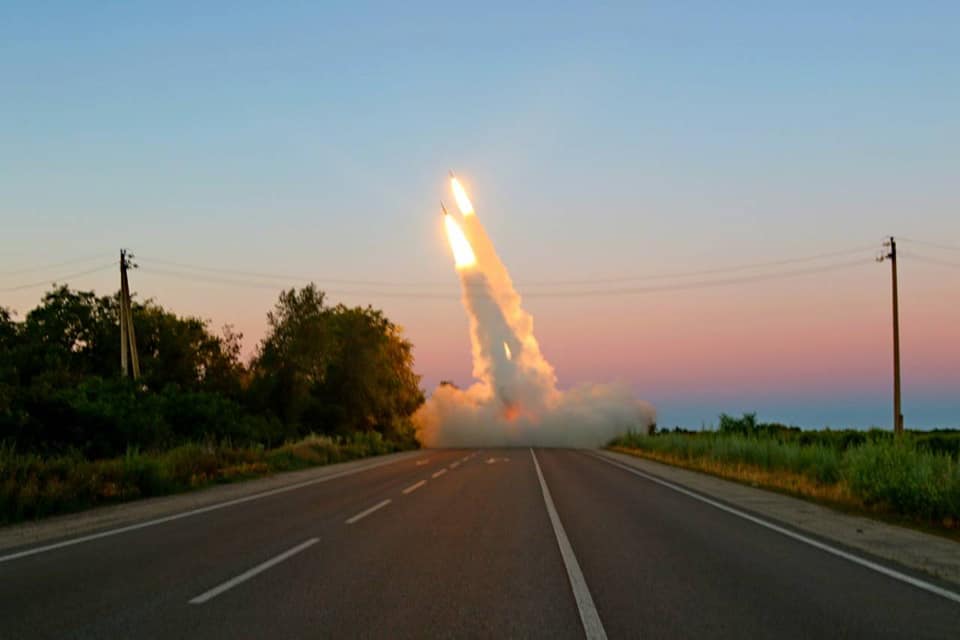
The future of defense will not belong only to countries with the most expensive systems. It will also belong to countries that can connect technology, training, production, intelligence, and civilian resilience without waiting for the crisis to become obvious.
Critical Infrastructure Is No Longer Background
Most people do not think about undersea cables. They do not see them, do not vote about them, and do not discuss them at dinner. Yet modern life depends on them.
Financial transactions, internet traffic, government communication, energy coordination, cloud services, and business operations all rely on physical infrastructure that is often more exposed than people realize. When a cable is damaged, cut, or suspected of sabotage, the story quickly moves from engineering to national security.
That shift is already visible. NATO’s Baltic Sentry initiative reflects growing concern about critical infrastructure security in the Baltic Sea. The European Union has also increased attention on submarine cable protection, mapping, risk assessment, and resilience. The United States has moved toward tighter scrutiny of undersea telecommunications cable rules.
Why does this matter? Because the modern world built many systems for efficiency, not resilience.
Fast shipping. Lean inventories. Cheap energy routes. Concentrated suppliers. Complex digital networks. Minimal redundancy. For a long time, this looked like smart economic design. In stable periods, it often was. But what happens when stability itself becomes uncertain?
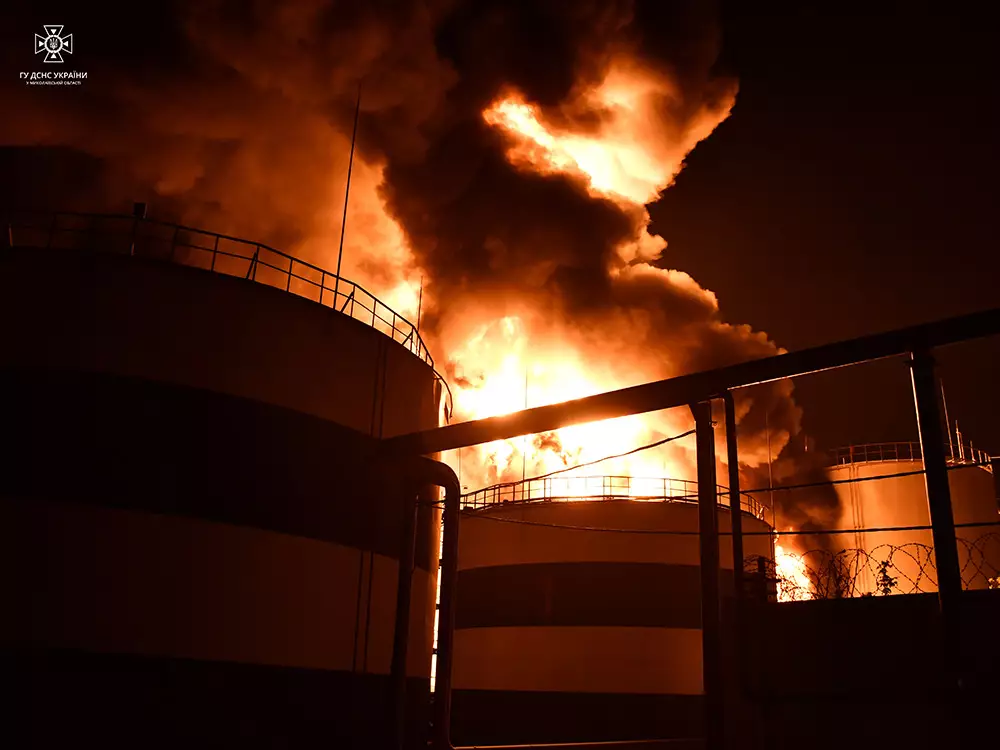
A system can be efficient and fragile at the same time. That is the uncomfortable lesson many governments and companies are now learning.
Energy Routes Are Still Strategic Pressure Points
Energy remains one of the clearest examples of geopolitical vulnerability. Maritime chokepoints such as the Strait of Hormuz and Bab el-Mandeb are not just map locations. They connect military risk, shipping costs, insurance markets, fuel prices, and national planning.
When tension rises around key energy routes, the effects do not stay local. Oil markets react. Shipping companies reconsider routes. Governments review supply risks. Investors watch stability. Consumers eventually feel the cost.
So the issue is not only whether a route is open today. The deeper issue is whether states have enough alternatives if pressure increases tomorrow.
Energy diversification is often discussed as an economic or environmental matter, but it is also a security matter. A country that depends too much on one supplier, one route, one port, one cable, one technology, or one external actor is not only making a business decision. It is accepting strategic exposure.
This does not mean globalization should disappear. It means globalization needs stronger shock absorbers.
The New Meaning of Deterrence
Deterrence used to be understood mainly through military strength. If a state had enough capability to respond, adversaries would think twice before acting. That logic still matters, but deterrence now has a broader meaning. A resilient society is harder to pressure.
If cables can be repaired quickly, disruption loses value. If energy supplies are diversified, chokepoint pressure becomes less effective. If drone alerts are handled calmly, fear spreads less easily. If businesses have continuity plans, economic shock becomes smaller. If the public trusts official communication, confusion becomes harder to weaponize.
That is why resilience is not a soft concept. It is a strategic capability.
Modern security is not only about preventing attack. It is also about preventing panic, paralysis, and loss of confidence.
For companies, this is especially important. Geopolitical risk is no longer something that belongs only to governments, defense ministries, or foreign policy experts. A port delay, cable incident, cyberattack, drone alert, fuel disruption, export restriction, or insurance change can reach commercial life very quickly.
The question for businesses is no longer, “Are we political?” The question is, “Are we exposed?”
The Real Front Line May Be Normal Life
The next major geopolitical warning signs may not always look dramatic. They may appear as unusual maritime behavior, GPS interference, drone fragments, cyber incidents, damaged cables, insurance spikes, port disruptions, airspace alerts, or sudden changes in energy flows.
Serious observers should pay attention to these signals because they show where pressure is building before a larger crisis becomes visible. Modern power will not be measured only by the ability to strike. It will also be measured by the ability to keep functioning under pressure. States that protect infrastructure, communicate clearly, adapt quickly, and maintain public confidence will be harder to disrupt.
The future of security may depend less on one dramatic moment and more on a quieter question:
Can a society continue to operate when disruption becomes part of the environment?
That may be the real test of modern geopolitical power.
Sources:
- NATO. Baltic Sentry and critical infrastructure security in the Baltic Sea, 2025.
- European Commission. Submarine cable security, infrastructure resilience and risk assessment measures, 2025.
- U.S. Energy Information Administration. World oil transit chokepoints and maritime energy routes, 2026.
- International Energy Agency. Energy security, investment planning and Middle East disruption risks, 2026.