
Drill & Defense
Advertisement
  • Defense Industry
    • Industry News
    • Defense Companies
    • Defense Technologies
    • Market Analysis
  • Military Systems
    • Land Systems
    • Air Systems
    • Naval Systems
    • Electronic & Cyber Systems
  • Firearms
    • Pistols
    • Rifles
    • SMGs & Machine Guns
    • Ammunition
    • Optics & Accessories
  • Geopolitics
    • Global Security
    • Defense & Energy Strategy
    • Tech & Innovation Crossover
    • Trade & Export Controls
  • Energy & Security
    • Oil & Gas News
    • Energy Technologies
    • Market Trends & Analysis
  • History
    • Military History
    • Doctrines & Concepts
    • Strategic Turning Points
    • Legacy Systems & Structures
  • Knowledge Base
    • Firearms Basics
    • Defense Know-How
    • Energy Fundamentals
    • Regulations & Frameworks
  • About
  • Contact
  • Login
  • Register
No Result
View All Result
  • Defense Industry
    • Industry News
    • Defense Companies
    • Defense Technologies
    • Market Analysis
  • Military Systems
    • Land Systems
    • Air Systems
    • Naval Systems
    • Electronic & Cyber Systems
  • Firearms
    • Pistols
    • Rifles
    • SMGs & Machine Guns
    • Ammunition
    • Optics & Accessories
  • Geopolitics
    • Global Security
    • Defense & Energy Strategy
    • Tech & Innovation Crossover
    • Trade & Export Controls
  • Energy & Security
    • Oil & Gas News
    • Energy Technologies
    • Market Trends & Analysis
  • History
    • Military History
    • Doctrines & Concepts
    • Strategic Turning Points
    • Legacy Systems & Structures
  • Knowledge Base
    • Firearms Basics
    • Defense Know-How
    • Energy Fundamentals
    • Regulations & Frameworks
  • About
  • Contact
  • Login
  • Register
No Result
View All Result
Drill & Defense
No Result
View All Result
Home History

D-Day Beyond the Beaches: Logistics, Energy and Security Lessons

June 6, 2026
in History, Strategic Turning Points
D-Day

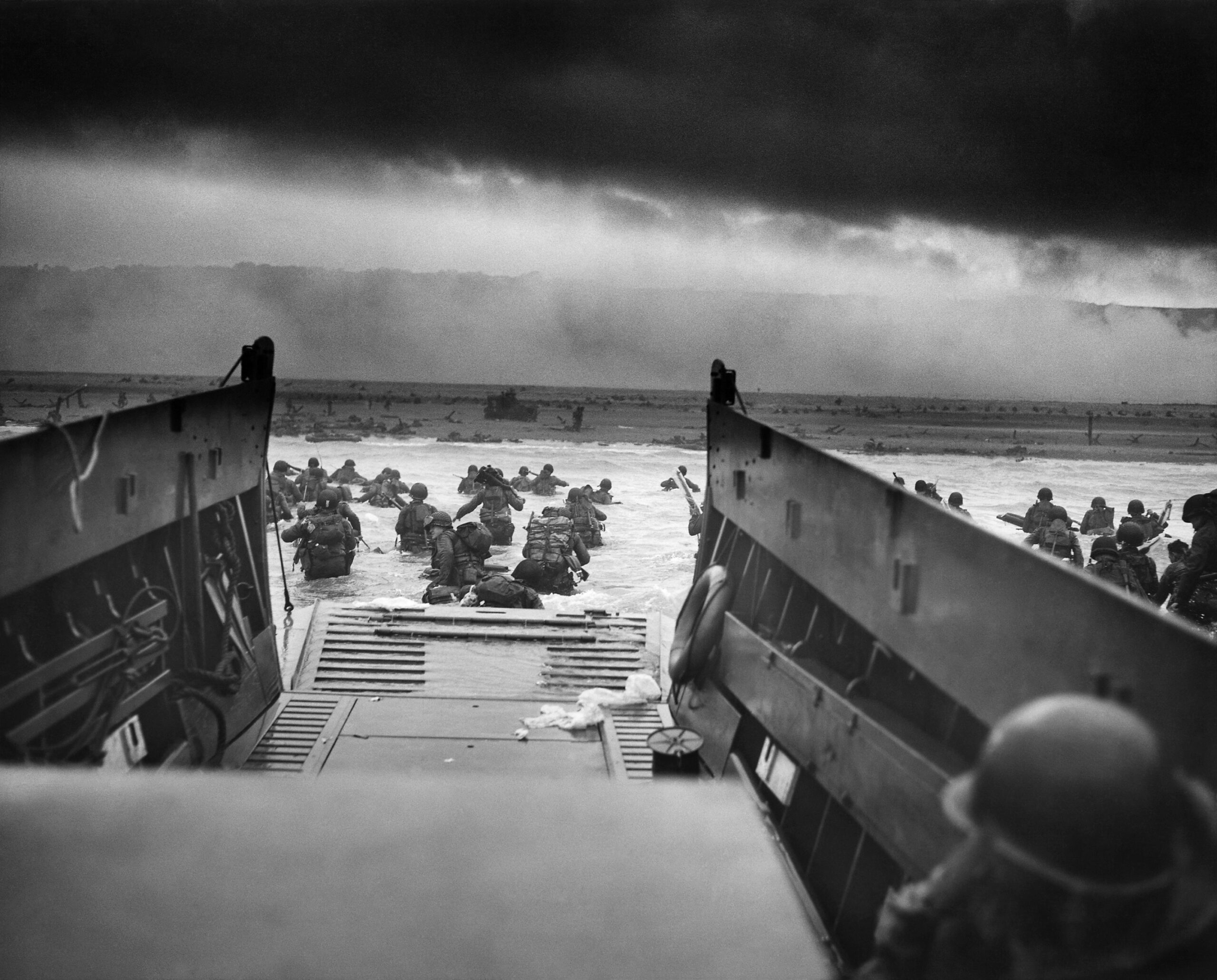
Second World War: Europe; "Into the Jaws of Death — U.S. Troops wading through water and Nazi gunfire”, circa 1944-06-06.

Share on LinkedInShare on Twitter

Today marks another anniversary of D-Day, one of the most studied military operations in modern history. Every year, the images return: landing craft approaching the beaches of Normandy, paratroopers descending into occupied France, and thousands of soldiers pushing forward under intense fire. These scenes have become part of military history itself.

Yet whenever D-Day is discussed, the focus tends to remain on the battle. The courage of the troops deserves that attention, but it can sometimes overshadow another story that was unfolding behind the scenes. The Normandy landings were not only a military operation. They were also a logistical achievement of extraordinary scale, one that required years of planning, industrial production, engineering innovation, and an uninterrupted flow of supplies.

In many ways, D-Day reminds us of a lesson that remains relevant today. Winning a battle and sustaining a campaign are not always the same thing.

Looking Beyond the Beaches

On the morning of June 6, 1944, Allied forces launched what would become the largest amphibious invasion in history. Tens of thousands of troops crossed the English Channel and landed on the beaches of Normandy as part of Operation Overlord. The objective was clear: establish a foothold in Western Europe and begin the long process of liberating territory occupied by Nazi Germany.
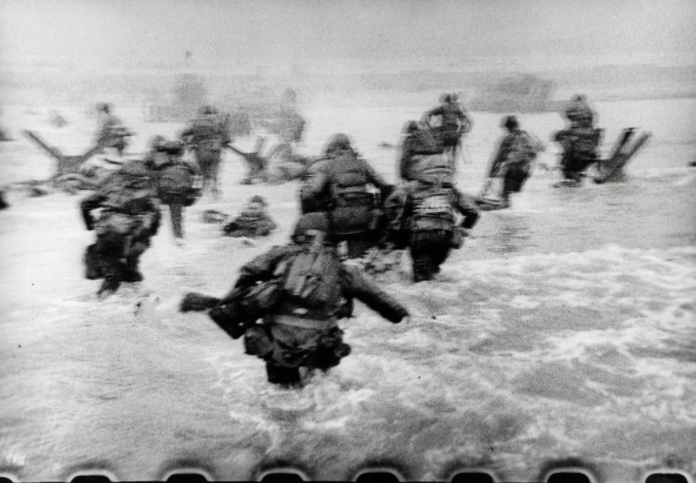
16th Infantry Regiment of the 1st Infantry Division moving towards the D-Day Beach taken by Capa

The military aspect of the operation has been documented extensively for decades. Historians have examined the planning, the airborne drops, the naval bombardments, and the brutal fighting that took place on beaches such as Omaha and Juno. Those events remain central to understanding D-Day.

At the same time, the landings themselves represented only the beginning of a much larger challenge.
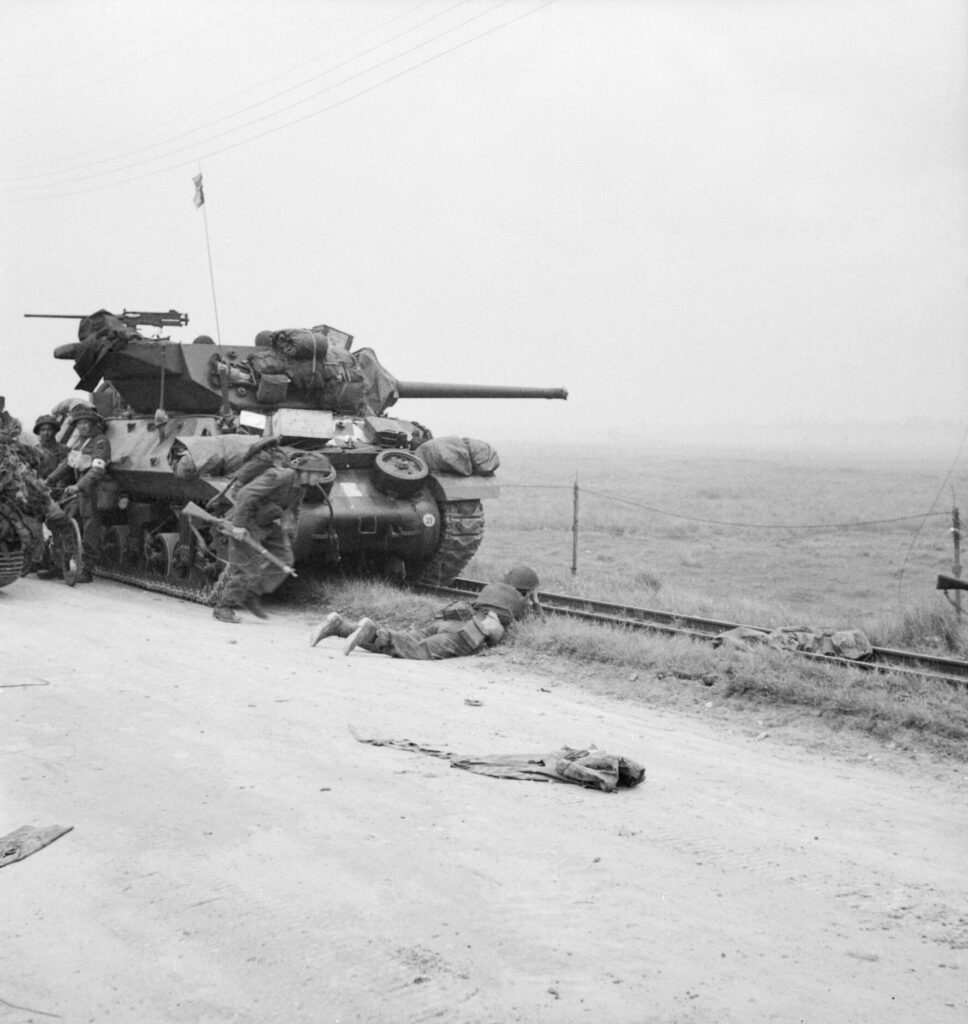
D-day – British Forces during the Invasion of Normandy, 6th June 1944 Troops take shelter near an M10 Wolverine tank destroyer.

Military planners knew that reaching the beaches would not guarantee success. Even if the initial assault succeeded, Allied forces would need a constant flow of ammunition, food, medical supplies, replacement equipment, vehicles, engineering assets, and fuel. Without that support, any gains made on June 6 could quickly be lost.

This is where D-Day becomes particularly interesting from a modern security perspective. The operation demonstrated that logistics is not a supporting function operating quietly in the background. In many cases, logistics becomes one of the deciding factors in whether an operation succeeds or fails.
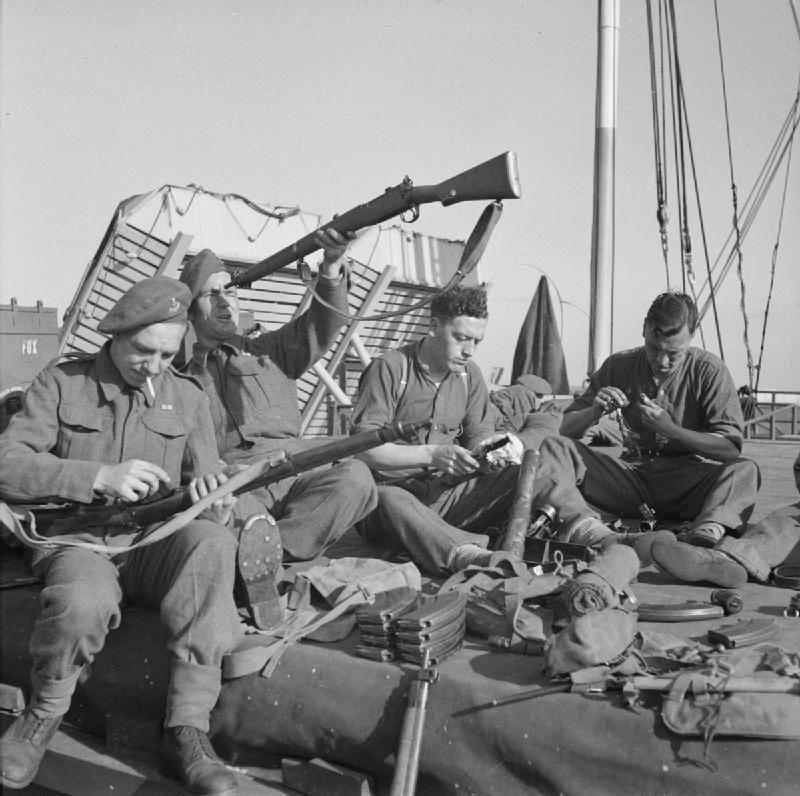
Operation Overlord (the Normandy Landings)- D-day 6 June 1944 Soldiers of the 6 & 7 Battalions, Green Howards, 69th Brigade, 50th Division, 30 Corps, sorting out kit as they prepare for the journey to Normandy.

The Industrial Side of Military Power

When people think about military strength, they often picture soldiers, aircraft, tanks, or warships. D-Day offers a reminder that industrial capacity deserves a place on that list as well.

The invasion required thousands of vessels, thousands of aircraft, and enormous quantities of equipment. Behind those visible assets stood factories, shipyards, engineers, transportation networks, planners, and civilian workers spread across multiple countries.

The scale was staggering. Months before the landings took place, preparations were already underway to ensure that troops could be supplied after arriving in France. Warehouses were filled, equipment was assembled, and transportation routes were coordinated on a scale that few organizations had ever attempted before.
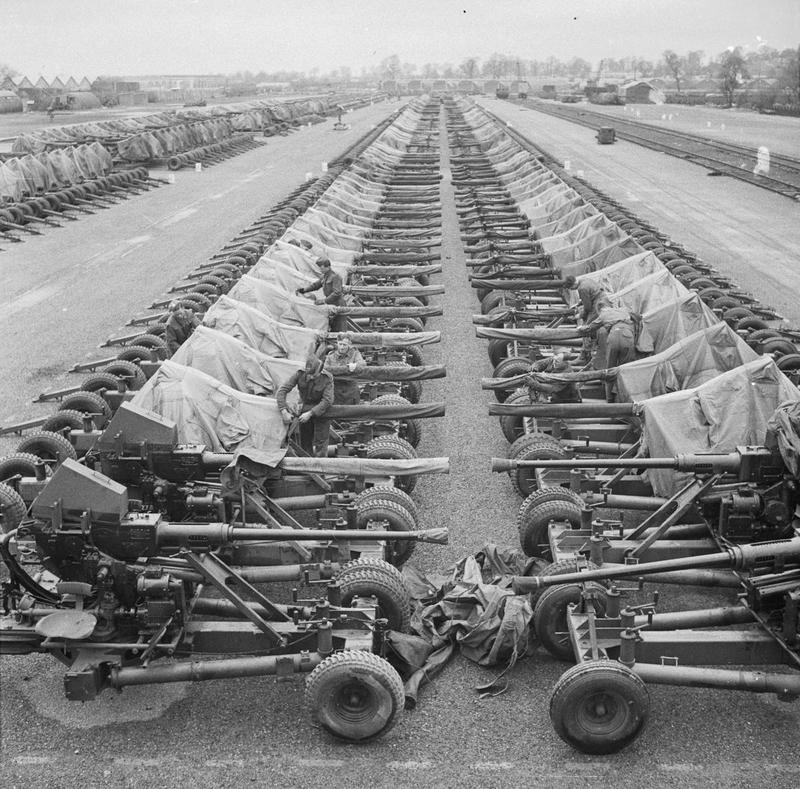
Preparations For Operation Overlord (the Normandy Landings)- D-day 6 June 1944 40mm Bofors Light AA guns on Mark II mountings lined up at an Ordnance Depot at Bicester.

Looking back from 2026, it is difficult not to see parallels with modern discussions surrounding supply chains. Whether the subject is defense production, semiconductor manufacturing, critical minerals, or energy infrastructure, many governments today are rediscovering the importance of resilience and long-term planning.

D-Day serves as a historical example of what large-scale strategic preparation can look like when success depends on more than battlefield performance alone.
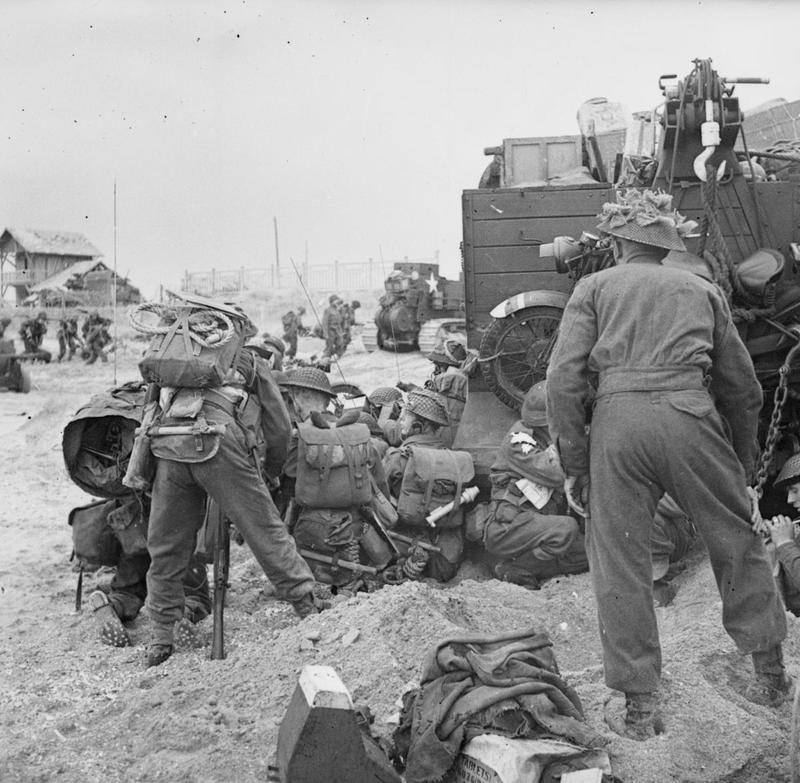
D-day – British Forces during the Invasion of Normandy 6 June 1944 Troops, including signallers and Beach Group personnel, sheltering behind a Universal Carrier on Queen beach, Sword Area, 6 June 1944. Gilbert A. Milne, CC BY 2.0 https://creativecommons.org/licenses/by/2.0.

Building Infrastructure in the Middle of a War

One of the most remarkable aspects of the Normandy campaign involved a problem that many people rarely consider.

How do you supply an army if major ports are unavailable?

The Allies understood that capturing and restoring large ports would take time. Waiting for that process to unfold was not an option. Forces on the ground needed supplies immediately.
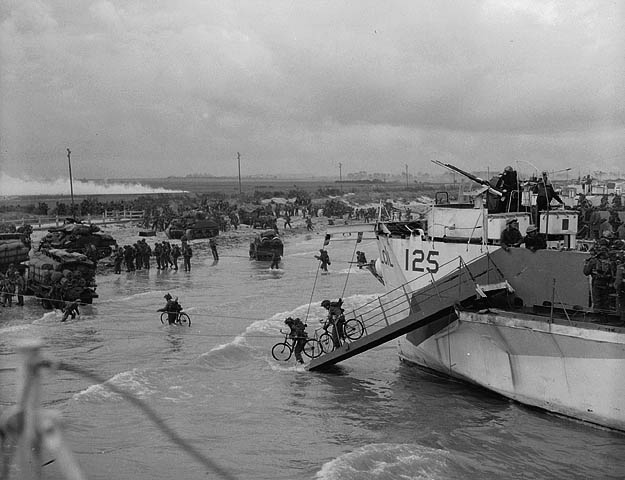
Personnel of the 9th Canadian Infantry Brigade landing on “Nan White” beach on D-Day / Gilbert A. Milne, CC BY 2.0 https://creativecommons.org/licenses/by/2.0.

The solution came in the form of the Mulberry Harbours, temporary artificial ports designed specifically to support operations after the landings. Massive components were built in Britain, transported across the Channel, and assembled off the coast of Normandy.

From today’s perspective, the concept feels surprisingly modern. Rather than relying on a single point of failure, planners developed an alternative system capable of maintaining operational momentum even under difficult conditions.

The idea reflects principles that remain common throughout contemporary security planning. Redundancy, resilience, contingency preparation, and infrastructure flexibility are concepts frequently discussed in relation to critical infrastructure protection. The engineers behind the Mulberry Harbours may not have used today’s terminology, but they clearly understood the underlying logic.

The lesson remains relevant because modern crises often expose weaknesses in systems that appear reliable until they are tested.

The Energy Story Hidden Inside D-Day

Energy security is not usually associated with Normandy. It is not the first topic that appears in documentaries, films, or public commemorations.

Yet fuel was one of the resources that made the entire campaign possible.

The Allied advance across Europe depended on tanks, trucks, ships, aircraft, generators, and countless support vehicles. Every movement required fuel. Every supply convoy depended on fuel. Every attempt to maintain operational momentum depended on fuel.

This challenge led to one of the most innovative engineering projects connected to the campaign: PLUTO, or Pipeline Under The Ocean.
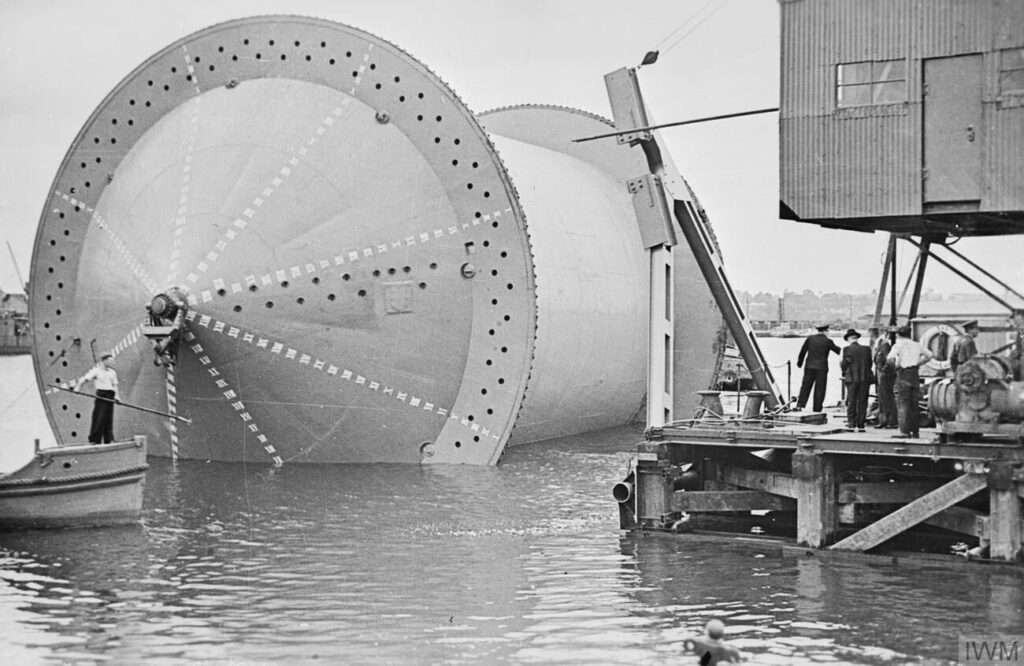
Laying the pipeline: A ‘Conundrum’ being moved into position into a specially constructed dock in preparation for the winding on of the pipe.

The project involved laying pipelines beneath the English Channel to transport fuel directly from Britain to Allied forces operating on the European continent. While tanker shipments remained important, planners recognized the value of creating additional methods of fuel delivery that could support long-term operations.

From a modern perspective, the significance of PLUTO extends beyond its wartime role. It highlights something that remains true today: energy infrastructure is strategic infrastructure.
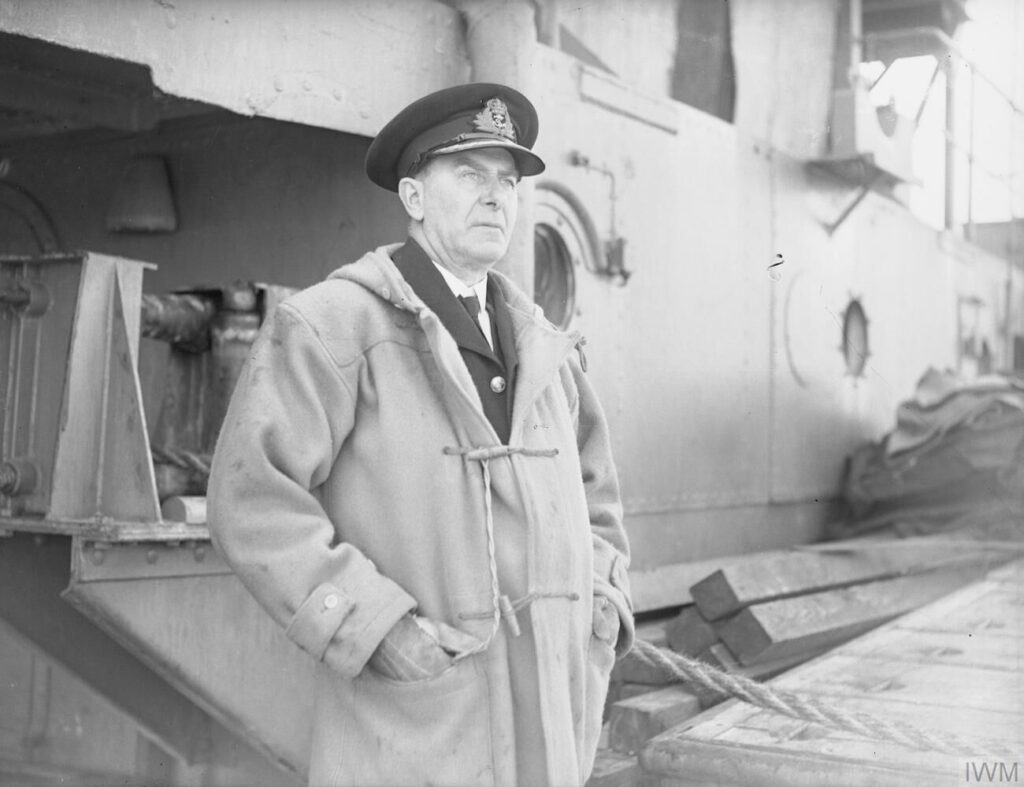
Three quarter length portrait of Captain John Hutchings OBE DSO RN, who developed the PLUTO concept. Photographed on board the cable laying ship HMS SANCROFT (ex EMPIRE BAFFIN).

Whether the discussion involves pipelines, electrical grids, LNG terminals, fuel depots, or offshore energy facilities, the ability to move energy where it is needed often influences national security outcomes. Modern defense planners understand this reality well, but D-Day offers a historical example that demonstrates the same principle decades earlier.

The operation is often remembered for the soldiers who crossed the beaches. Less visible were the systems ensuring that those forces could continue moving weeks and months later.

Why D-Day Still Matters Today

The technologies of war have changed dramatically since 1944. Modern militaries now operate with satellites, cyber capabilities, advanced sensors, precision-guided weapons, and digital communication networks that would have seemed unimaginable during the Second World War. Yet many of the underlying challenges remain familiar. Forces still need fuel, equipment still requires maintenance, supply chains still need protection, transportation networks still matter, and infrastructure remains vulnerable.

Perhaps most importantly, military operations still depend on the ability to sustain activity over time. Recent conflicts have repeatedly demonstrated that logistics, production capacity, infrastructure protection, and energy resilience remain critical components of national security. Tactical victories can attract headlines, but strategic endurance often determines long-term outcomes.
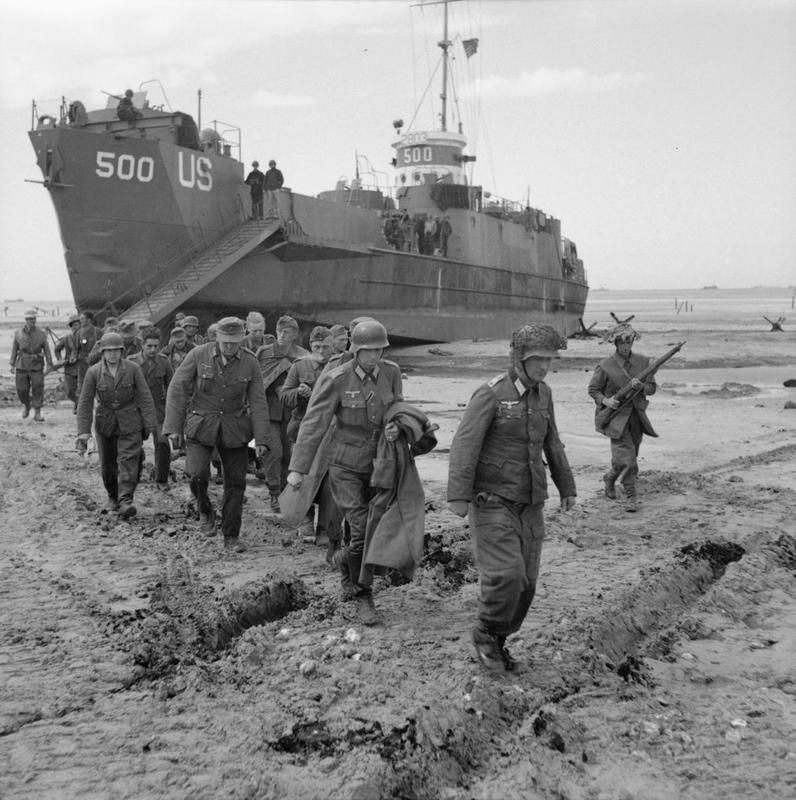
D-day – British Forces during the Invasion of Normandy 6 June 1944 German POWs disembarking from LCI(L)-500 on one of the Gold area beaches, 6 June 1944.

That reality helps explain why military academies, defense institutions, and historians continue to study operations such as D-Day more than eighty years later. The operation offers more than historical interest. It provides a reminder that successful campaigns are rarely built on courage alone. They depend on preparation, coordination, industrial capacity, infrastructure, and the often overlooked systems working behind the scenes.

As another D-Day anniversary passes, it is worth remembering not only the soldiers who landed on the beaches of Normandy, but also the planners, engineers, logisticians, and workers who made the operation possible. Their contribution may be less visible in photographs, but it remains an essential part of one of history’s most consequential military operations.


Sources:

  • National WWII Museum, D-Day Doctrine: Six Elements for a Successful Landing
  • National WWII Museum, Over-the-Shore Logistics of D-Day
  • Imperial War Museums, PLUTO (Pipe Line Under the Ocean)
  • University College London (UCL), PLUTO: Pipeline Under the Ocean
  • U.S. Army Center of Military History, Operation Overlord and the Normandy Campaign

Previous Post

Ukraine’s Ground War: Rifles, Machine Guns, Trenches, and the Soldier Still Holding the Line

Related Posts

Battle of Hürtgen Forest: When Terrain Became the Enemy
History

Battle of Hürtgen Forest: When Terrain Became the Enemy

May 20, 2026
General Orde Wingate_Chindit_leaders_Burma_1944_IWM_MH_7873
History

Orde Wingate: The Difficult Legacy of an Irregular Commander

May 18, 2026
Vietnam War
History

Vietnam War and the Limits of Conventional Power

May 11, 2026
Delta-Force
History

Delta Force: Beyond the Myth and Into Modern Special Operations

May 8, 2026
British, French and Italian wounded soldiers in a group
History

Britain’s Recruitment System in the First World War: Numbers, Pressure, and the Architecture of Persuasion

May 1, 2026
Tory-IIC_at_Jackass_flats
History

Project Pluto: Engineering Without Limits, Strategy Without Boundaries

April 27, 2026
  • Trending
  • Latest
Operation Enduring Freedom

What Exactly Is a Private Military Company (PMC)?

September 6, 2025
Blackwater PMC

After Blackwater: How PMCs Evolved, Professionalized, and Fragmented

September 13, 2025
MG42-1

MG42 Machine Gun: WWII History, Specifications and Battlefield Impact

April 21, 2026
Beretta 92FS vs Beretta M9: Is There a Real Difference?

Beretta 92FS vs Beretta M9: Is There a Real Difference?

July 19, 2025
D-Day

D-Day Beyond the Beaches: Logistics, Energy and Security Lessons

June 6, 2026
Ukraine War

Ukraine’s Ground War: Rifles, Machine Guns, Trenches, and the Soldier Still Holding the Line

June 4, 2026
IWI Tavor X95

IWI Tavor X95: A Bullpup Rifle Shaped by Urban Combat Logic

June 2, 2026
Demining_Vehicles_in_Ukraine

Demining Vehicles in Ukraine: Heavy Machines for a War That Stays Underground

June 1, 2026

Recent Articles

D-Day

D-Day Beyond the Beaches: Logistics, Energy and Security Lessons

June 6, 2026
Ukraine War

Ukraine’s Ground War: Rifles, Machine Guns, Trenches, and the Soldier Still Holding the Line

June 4, 2026
IWI Tavor X95

IWI Tavor X95: A Bullpup Rifle Shaped by Urban Combat Logic

June 2, 2026
Demining_Vehicles_in_Ukraine

Demining Vehicles in Ukraine: Heavy Machines for a War That Stays Underground

June 1, 2026
Drill & Defense

Drill & Defense is an independent defense and security platform covering firearms, military technology, geopolitics, energy security, and industry developments. We provide clear, structured, and practical insight for professionals, companies, and readers following the evolving defense landscape worldwide.

Follow Us

Browse by Category

  • Air Systems
  • Defense & Energy Strategy
  • Defense Industry
  • Defense Know-How
  • Defense Technologies
  • Doctrines & Concepts
  • Energy & Security
  • Energy Fundamentals
  • Energy Technologies
  • Firearms
  • Geopolitics
  • Global Security
  • History
  • Industry News
  • Knowledge Base
  • Land Systems
  • Legacy Systems & Structures
  • Market Analysis
  • Market Trends & Analysis
  • Military History
  • Military Systems
  • Naval Systems
  • Oil & Gas News
  • Pistols
  • Regulations & Frameworks
  • Rifles
  • SMGs & Machine Guns
  • Strategic Turning Points
  • Tech & Innovation Crossover

Recent Articles

D-Day

D-Day Beyond the Beaches: Logistics, Energy and Security Lessons

June 6, 2026
Ukraine War

Ukraine’s Ground War: Rifles, Machine Guns, Trenches, and the Soldier Still Holding the Line

June 4, 2026

© 2026 Drill & Defense. All rights reserved. Independent insights on firearms, defense, and energy. For business inquiries: info@drillanddefense.com | PRIVACY POLICY | COOKIE POLICY | TERMS AND CONDITIONS

Manage Consent

We use cookies to improve your experience. You can accept or refuse cookies; however, some features may not function properly without your consent.

Functional Always active
The technical storage or access is strictly necessary for the legitimate purpose of enabling the use of a specific service explicitly requested by the subscriber or user, or for the sole purpose of carrying out the transmission of a communication over an electronic communications network.
Preferences
The technical storage or access is necessary for the legitimate purpose of storing preferences that are not requested by the subscriber or user.
Statistics
The technical storage or access that is used exclusively for statistical purposes. The technical storage or access that is used exclusively for anonymous statistical purposes. Without a subpoena, voluntary compliance on the part of your Internet Service Provider, or additional records from a third party, information stored or retrieved for this purpose alone cannot usually be used to identify you.
Marketing
The technical storage or access is required to create user profiles to send advertising, or to track the user on a website or across several websites for similar marketing purposes.
  • Manage options
  • Manage services
  • Manage {vendor_count} vendors
  • Read more about these purposes
View preferences
  • {title}
  • {title}
  • {title}
No Result
View All Result
  • Defense Industry
    • Industry News
    • Defense Companies
    • Defense Technologies
    • Market Analysis
  • Military Systems
    • Land Systems
    • Air Systems
    • Naval Systems
    • Electronic & Cyber Systems
  • Firearms
    • Pistols
    • Rifles
    • SMGs & Machine Guns
    • Ammunition
    • Optics & Accessories
  • Geopolitics
    • Global Security
    • Defense & Energy Strategy
    • Tech & Innovation Crossover
    • Trade & Export Controls
  • Energy & Security
    • Oil & Gas News
    • Energy Technologies
    • Market Trends & Analysis
  • History
    • Military History
    • Doctrines & Concepts
    • Strategic Turning Points
    • Legacy Systems & Structures
  • Knowledge Base
    • Firearms Basics
    • Defense Know-How
    • Energy Fundamentals
    • Regulations & Frameworks
  • About
  • Contact
  • Login
  • Register

© 2026 Drill & Defense. All rights reserved. Independent insights on firearms, defense, and energy. For business inquiries: info@drillanddefense.com | PRIVACY POLICY | COOKIE POLICY | TERMS AND CONDITIONS