
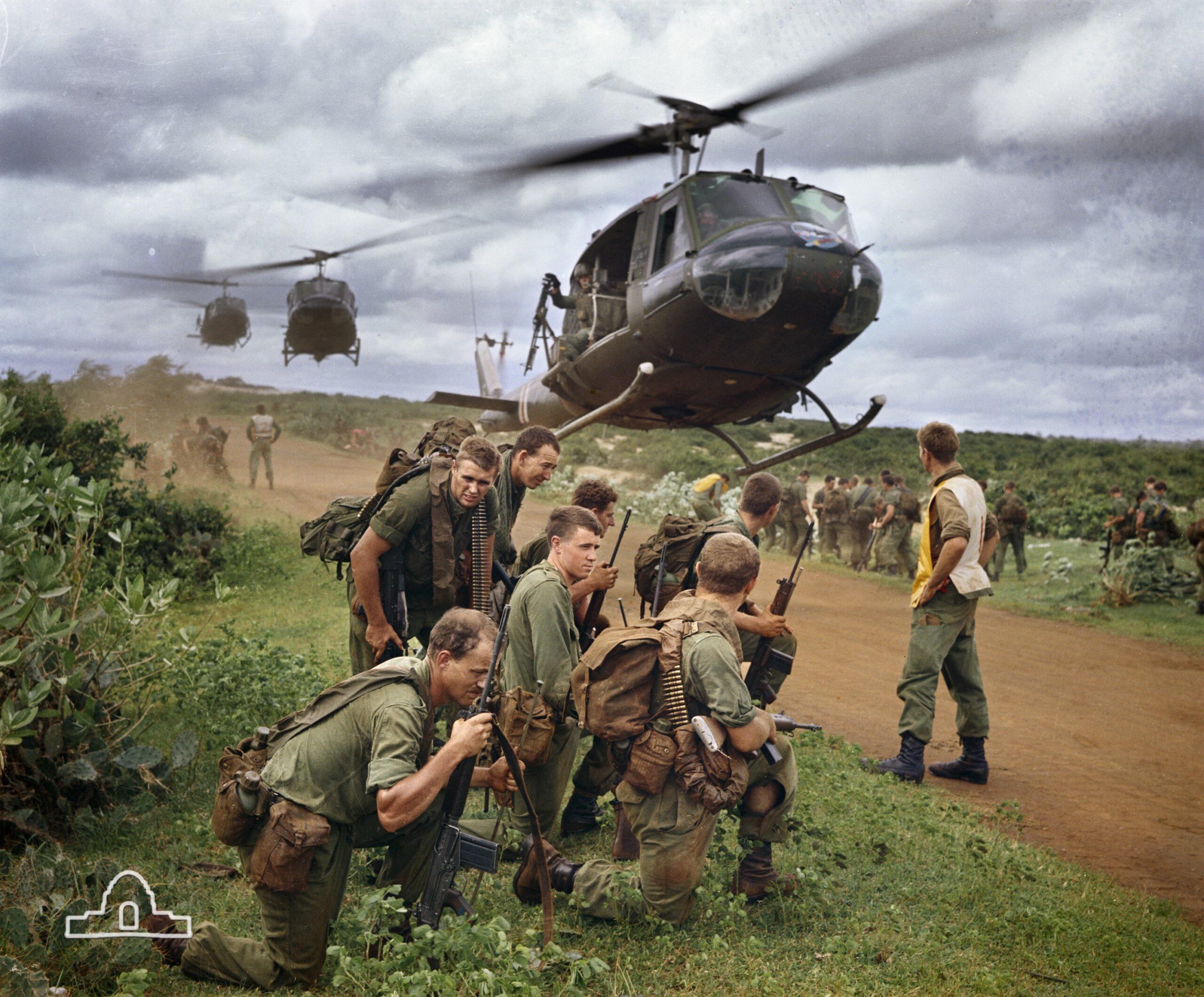
The Vietnam War remains one of the most important examples of how military superiority can face serious limits when political, social, and strategic conditions are deeply complex. The United States entered the conflict with advantages that were almost impossible to ignore: advanced aircraft, artillery, naval support, helicopter mobility, large-scale logistics, intelligence capabilities, and an industrial base that could sustain a long campaign. From a conventional military perspective, the imbalance was clear.

That imbalance, however, did not settle the war.
Vietnam was not a conflict that could be reduced to troop numbers, aircraft sorties, bombing tonnage, or battlefield engagements. It was a political war, a civil war, an anti-colonial and nationalist struggle, a Cold War confrontation, an insurgency, and eventually a war involving large conventional formations. These layers mattered because each one changed the meaning of success. Taking ground, killing enemy fighters, or destroying infrastructure did not automatically create political control.
This is where Vietnam still speaks to modern defense analysis. It does not show that conventional power is useless. That would be too simple. What it shows is that conventional power becomes limited when it is used inside a conflict where legitimacy, endurance, local control, perception, and political will matter as much as firepower.
The Problem with Measuring a War Through Numbers
One of the most difficult aspects of the Vietnam War was the constant need to measure progress. Military institutions need indicators. Policymakers need reports. The public expects some explanation of whether the war is moving in the right direction. So the war was often described through numbers: enemy casualties, villages secured, weapons captured, missions flown, bombs dropped, roads cleared, and operations completed.
These figures had value, but they also created a serious problem. They made the war appear more measurable than it actually was.
A high body count did not necessarily mean that enemy political networks were collapsing. A cleared village did not always mean that the government had gained lasting legitimacy there. A successful operation in the field did not automatically mean that South Vietnam was becoming more stable. The statistics could show activity, pressure, and destruction, but they could not always show whether the political direction of the war was changing.
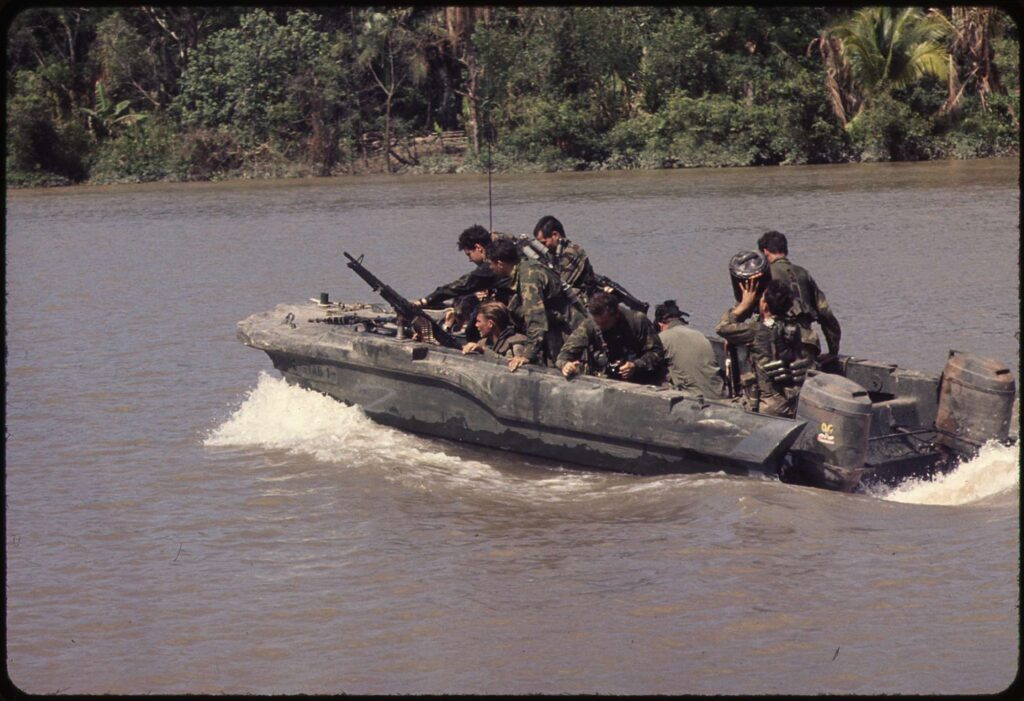
One of the central challenges for the American approach came from this imbalance in expectations. Washington operated under the pressure of visible progress, public accountability, alliance credibility, and the need to demonstrate that the campaign still had a viable direction. North Vietnam and the Viet Cong, by contrast, could place greater emphasis on endurance, political persistence, reconstruction after losses, and long-term pressure.
Different expectations shaped the war in practical terms. One side had to show that its strategy was producing a sustainable result. The other could continue fighting as long as its networks, supply lines, leadership, and political will remained intact.
Airpower and the Question of Coercion
Airpower was one of the most visible symbols of American strength in Vietnam. The United States could strike targets, support ground forces, move quickly across difficult terrain, and bring firepower to places that would have been much harder to reach by land. Airpower saved lives in many tactical situations and caused serious damage to enemy infrastructure and movement.
Still, Vietnam showed the limits of what airpower could achieve when it was expected to produce political surrender by itself.
Operation Rolling Thunder is often discussed because it reflected the idea that sustained bombing could place enough pressure on North Vietnam to change its strategic behavior. The campaign damaged infrastructure and created operational difficulties, but it did not produce the political outcome Washington sought. North Vietnam adapted, dispersed, repaired, concealed, and continued to operate under pressure. The bombing created real costs, but those costs did not translate into a decisive change in Hanoi’s objectives.
This distinction remains important. Tactical damage and strategic coercion are not the same thing. A bombing campaign can destroy bridges, rail lines, depots, air defenses, and troop concentrations. It can slow movement and complicate planning. But if the opponent is politically prepared for hardship, externally supported, and committed to a long struggle, destruction alone may not produce the desired decision.
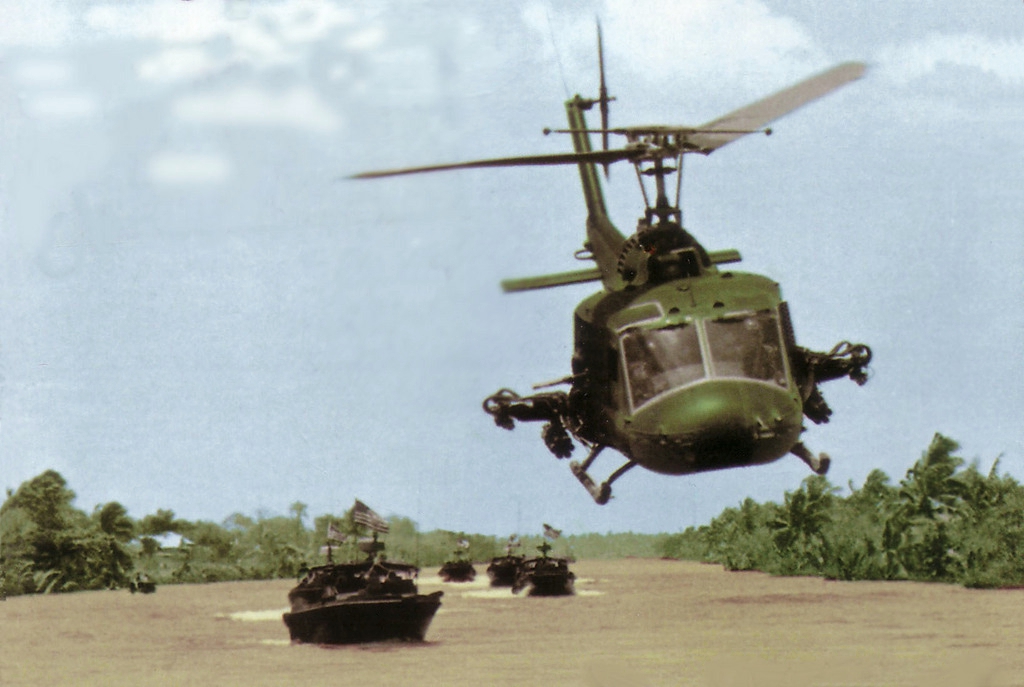
For modern readers, this is still relevant. Weapons should not be judged only by their technical specifications. Range, payload, accuracy, speed, and destructive capacity matter, but they do not decide war by themselves. The real question is how those capabilities interact with the enemy’s political structure, geography, doctrine, resilience, external support, and willingness to absorb losses.
An Enemy That Did Not Fit One Category
A simplified reading of Vietnam often treats the opposing side as one fixed enemy, but that view misses much of the strategic difficulty. U.S. and South Vietnamese forces were not facing only one type of opponent. Guerrillas, political cadres, village-level networks, Viet Cong units, North Vietnamese regular formations, supply systems operating through neighboring territories, and later major conventional offensives all formed part of the conflict environment.
As a result, commanders and policymakers faced a constant problem of focus. If the war was understood mainly as an insurgency, population security, governance, intelligence, and political legitimacy had to be central. If it was understood mainly as a conventional war, enemy main forces, supply routes, and large-unit battles became the priority. In practice, both dimensions existed at the same time.
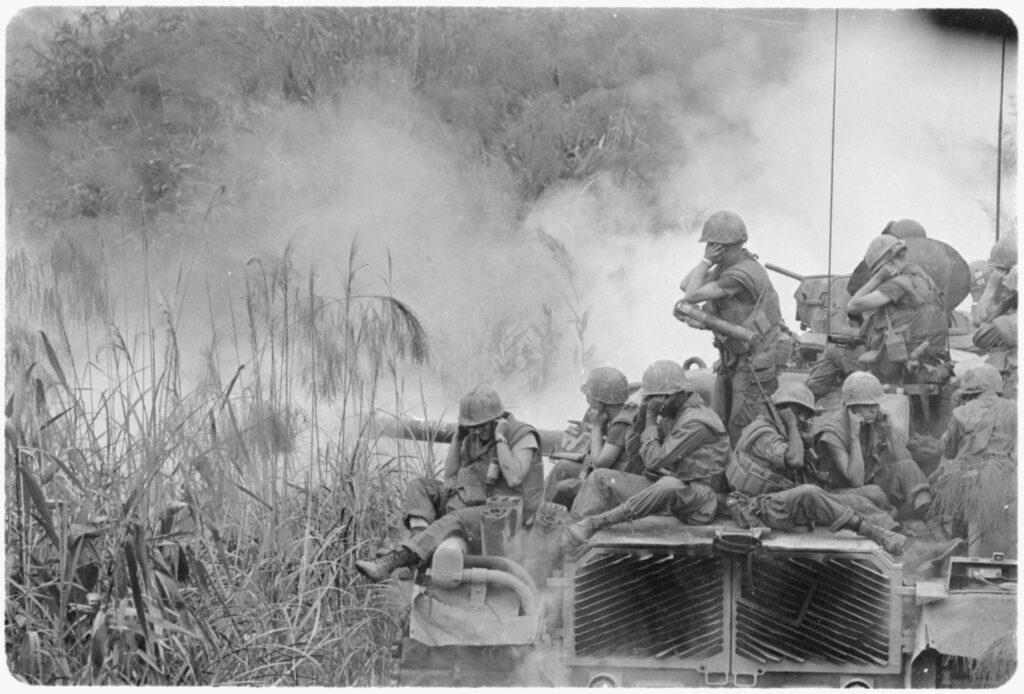
The enemy could shift between them. It could avoid battle when direct confrontation was too costly. It could rely on local networks when regular forces needed time. It could launch larger attacks when conditions allowed. This flexibility made it difficult for conventional superiority to produce a decisive result. The Tet Offensive in 1968 demonstrates this problem clearly. Militarily, it was extremely costly for communist forces. Many attacks were repelled, and the losses were severe. But politically, Tet changed the atmosphere of the war. It damaged confidence, challenged official optimism, and made many Americans question whether the war was truly being brought under control.
That does not mean Tet was a simple military victory for the communist side. It was not. But it showed that battlefield results and political consequences can move in different directions. In a war shaped by perception and endurance, even a costly offensive can have strategic value if it changes how the conflict is understood.
Conventional Power Without Political Closure
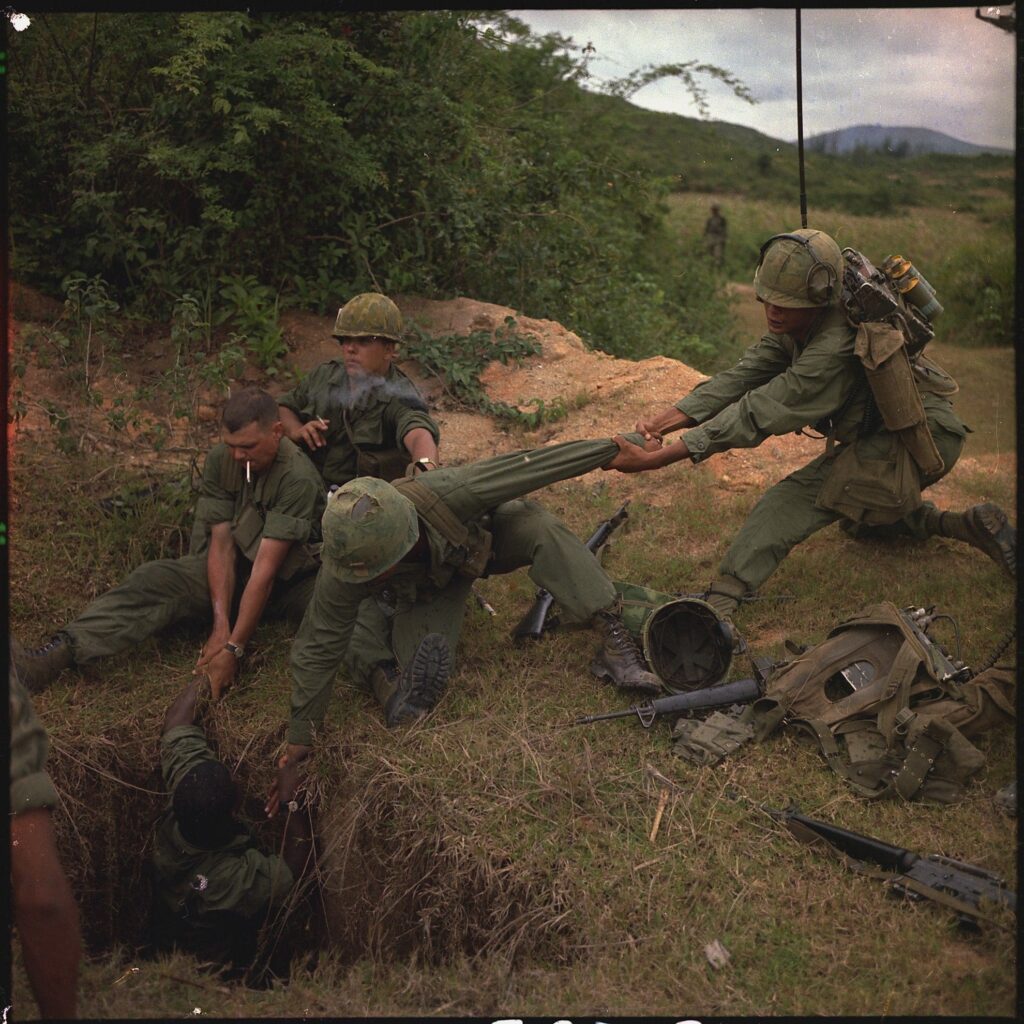
The United States could win engagements in Vietnam. American forces could move troops, deploy helicopters, use artillery and air support, conduct search-and-destroy operations, and sustain a huge military presence far from home. None of these were minor achievements. In purely military terms, the U.S. system in Vietnam had immense capacity.
What remained difficult was the connection between military success and political closure. South Vietnam stayed fragile in ways that external military support could not easily fix. Political instability, corruption, uneven governance, internal divisions, and questions of legitimacy all weakened the broader campaign. Outside military assistance can train forces, supply weapons, defend cities, and conduct operations, but building durable trust between a state and its population is a much longer and more complex process.
Here lies one of the most important limits of external power. An army can be strengthened faster than a political order can be made legitimate. A village can be cleared faster than it can be governed. An enemy unit can be destroyed faster than an alternative local authority can be built.
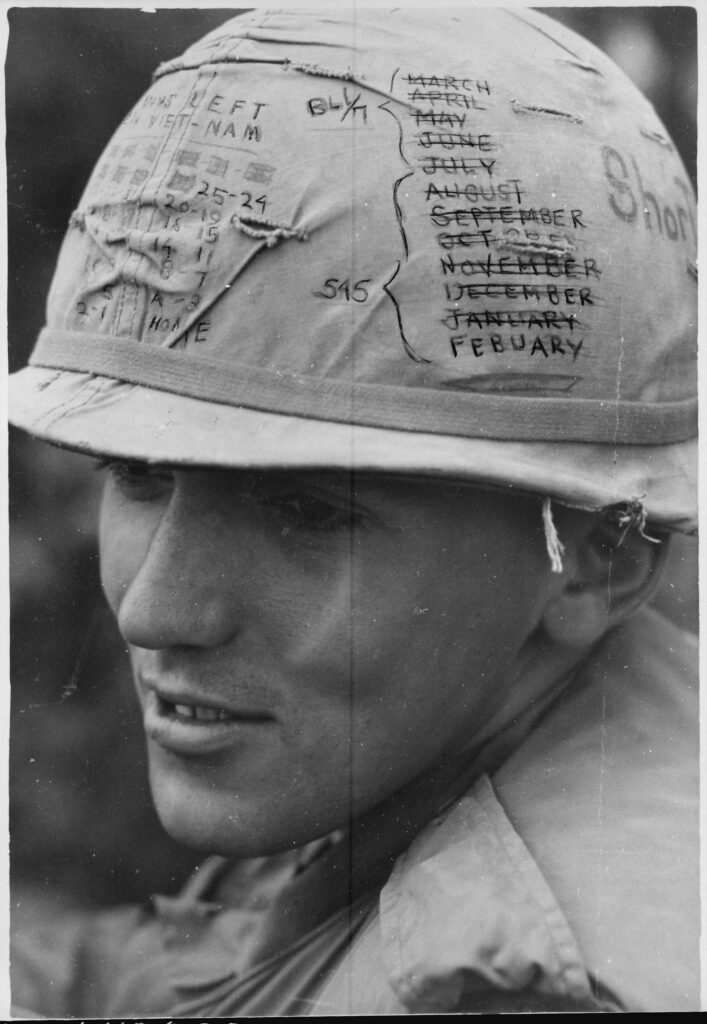
That difference mattered throughout the war. The key issue was not whether American forces could apply pressure. They could. The deeper issue was whether that pressure was creating a stable political result. Were local populations becoming more secure? Was the South Vietnamese state becoming more resilient? Were enemy networks being permanently weakened? Were battlefield achievements changing the long-term direction of the war?
Too often, the answers remained uncertain.
And in a long war, uncertainty itself can become part of the strategic burden.
The Home Front and the Limits of Endurance
The Vietnam War also showed that domestic support is part of military power. A state may have the ability to continue fighting, but ability and political willingness are not always the same thing. In the United States, the war became increasingly difficult to justify as casualties rose, media coverage intensified, and official claims of progress seemed less convincing to many citizens.
This did not happen overnight. Public opinion changed over time, shaped by battlefield events, political decisions, conscription, casualty reports, televised images, and the broader social tensions of the 1960s. The war entered American homes in a way earlier conflicts had not. For many people, Vietnam was no longer an abstract Cold War commitment. It became a visible, costly, and morally contested reality.
This matters because democracies must explain war to their own societies. They must explain the objective, the cost, the duration, and the reason why continued sacrifice is necessary. When the purpose of a war becomes unclear, even a powerful military can face growing political constraints.
For weaker opponents, this can become part of strategy. They may not need to defeat a stronger army in a traditional sense. They may instead aim to prolong the conflict, absorb losses, maintain pressure, and wait for the stronger power’s political patience to weaken. Vietnam showed how endurance can become a strategic asset, especially when the stronger side has limited political time.
What Vietnam Still Teaches
Vietnam does not prove that conventional military power is obsolete. States still need conventional forces. They still need airpower, ground forces, naval strength, logistics, intelligence, industrial production, and advanced weapons. No serious defense analysis can ignore that.
But Vietnam does challenge the assumption that conventional superiority is enough. Military power must be connected to a realistic political objective. If that connection is weak, more force may create more destruction without producing the desired outcome.
The war also warns against mirror imaging. A technologically advanced military may assume that an opponent values time, casualties, infrastructure, and negotiations in the same way. In Vietnam, that assumption proved difficult to sustain. North Vietnam and the Viet Cong accepted levels of hardship that U.S. planners often found difficult to translate into decisive strategic pressure. Losses mattered, but they did not automatically change the enemy’s political objective.
This is why Vietnam remains relevant beyond its own era. It forces defense analysts to look past platforms and battlefield performance. It asks a harder question: what political result is military force supposed to create, and is that result actually achievable under the conditions of the war?
The Vietnam War was not simply a story of weapons, soldiers, technology, or battlefield courage. It was a case study in the gap between military capability and strategic effect. That gap remains one of the central problems in modern warfare.
Sources
- U.S. Army Center of Military History, “Vietnam War Campaigns.”
- Army University Press, Dale Andrade and James H. Willbanks, “CORDS: Counterinsurgency Lessons from Vietnam for the Future.”
- Library of Congress, Veterans History Project, “Vietnam War: Air Power.”
- RAND Corporation, “What RAND Research Says About Counterinsurgency, Stabilization, and Nation-Building.”