
On June 1, 2025, Ukraine executed a meticulously planned drone assault deep within Russian territory, targeting multiple airbases and marking a significant escalation in the ongoing conflict.

Unveiling Operation Spider’s Web
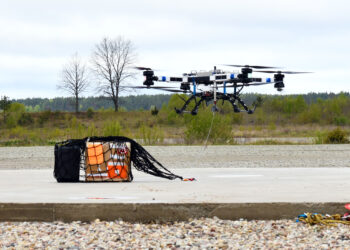
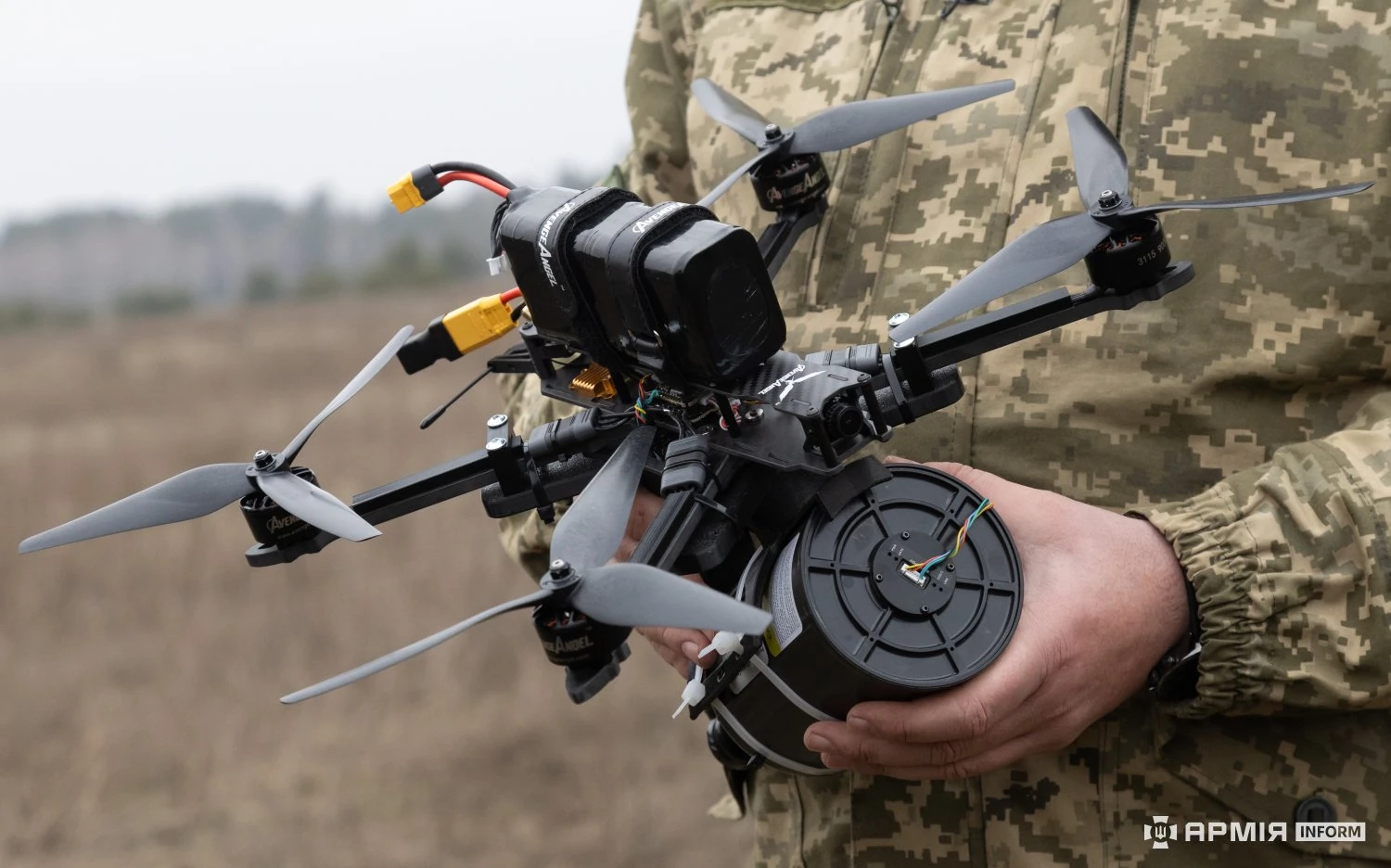
Codenamed “Operation Spider’s Web,” this mission was the culmination of 18 months of strategic planning by Ukraine’s Security Service (SBU). The operation involved smuggling 117 FPV (First-Person View) drones into Russia, concealed within modified trucks. Once positioned near key airbases, these drones were remotely activated to strike their targets with precision.
Targets and Impact
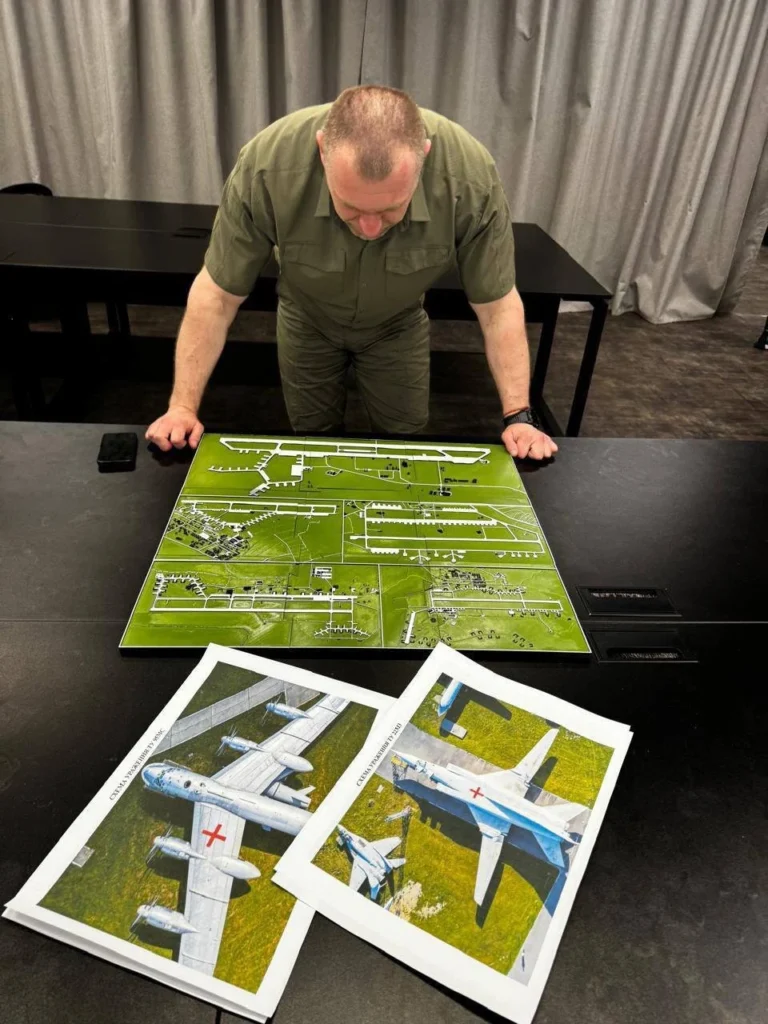
The drones targeted four major Russian airbases: Olenya, Belaya, Dyagilevo, and Ivanovo. The assault resulted in the destruction or damage of over 40 strategic aircraft, including Tu-95 and Tu-22M3 bombers, as well as A-50 early warning planes. This accounted for approximately 34% of Russia’s strategic cruise missile carriers, delivering a substantial blow to its long-range strike capabilities.
Innovative Tactics and Technology
A notable aspect of this operation was the use of AI-powered autonomous drones. These drones operated without human intervention, utilizing artificial intelligence to identify and engage targets. The cost-effectiveness of this approach was highlighted by reports indicating that each drone sortie cost the equivalent of 10 iPhone 16 Pros, underscoring a shift towards economical yet impactful military strategies.
Strategic and Psychological Ramifications
The success of Operation Spider’s Web not only inflicted significant material losses but also had profound psychological effects. Russian commentators likened the attack to a “Russian Pearl Harbor,” emphasizing its unexpected nature and the vulnerabilities it exposed within Russia’s defense infrastructure. The operation demonstrated Ukraine’s capability to conduct deep strikes, challenging traditional notions of battlefield boundaries.
Implications for Future Warfare
This operation signifies a paradigm shift in modern warfare, highlighting the increasing role of unmanned systems and artificial intelligence in military operations. The ability to conduct precise, cost-effective strikes deep within enemy territory without risking personnel sets a new precedent for future conflicts. It also underscores the importance of cybersecurity and counter-drone measures in national defense strategies.
Conclusion
Operation Spider’s Web stands as a testament to Ukraine’s resilience and ingenuity in the face of adversity. By leveraging advanced technology and strategic planning, Ukraine has not only dealt a significant blow to Russian military capabilities but also redefined the contours of modern warfare. As conflicts continue to evolve, the lessons from this operation will undoubtedly influence military doctrines worldwide.
Sources:
- Reuters: To attack Russian air bases, Ukrainian spies hid drones in wooden sheds
- New York Post: Ukraine wipes out dozens of Russian doomsday nuclear bombers in massive surprise attack on air bases, Kyiv says: ‘Russian Pearl Harbor’
- Times of India: Operation ‘Spider Web’: How Ukraine struck nuclear bombers thousands of kilometres inside Russia
- The Economic Times: The Ukrainian truck trick: How Kyiv smuggled drones 6,000 km into Russia to strike bases housing nuclear-capable aircraft
- The Sun: Moment Ukraine launches drones from trucks inside Russia destroying 40 planes – as Zelensky celebrates ‘historic’ blitz