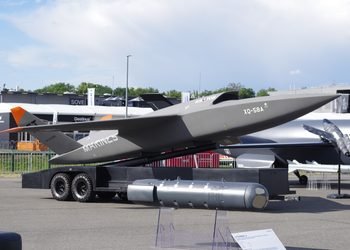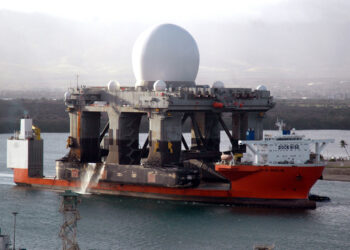

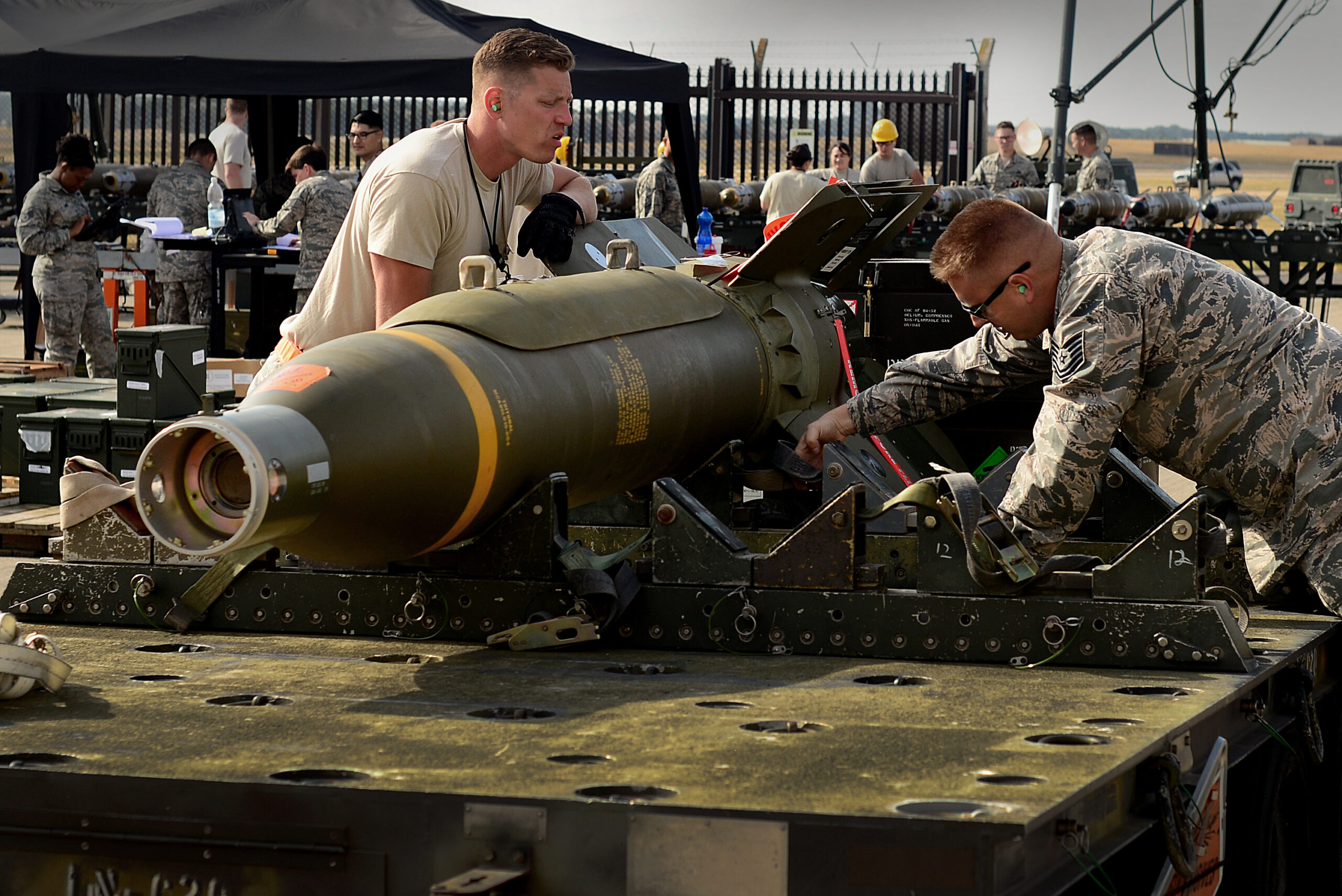
Modern defence discussions are usually dominated by the most visible systems. Fighter aircraft, hypersonic missiles, autonomous drones, long-range air defence batteries and artificial intelligence attract attention because they represent technological progress. Yet military power is not measured only by what an army can deploy during the opening phase of a conflict. It is also measured by what that army can still fire on the thirtieth, hundredth or three-hundredth day.

A military may possess highly advanced platforms, excellent sensors and sophisticated command networks. If its magazines are empty, however, those systems gradually lose their operational value. A launcher without available missiles is not an air defence capability. An artillery system without projectiles, propelling charges and fuzes is simply a heavy vehicle. A combat aircraft without a sustainable supply of suitable weapons becomes an extraordinarily expensive surveillance platform.
This is why ammunition should not be treated as a secondary procurement category or as an accessory purchased after the platform. Ammunition is part of the capability itself.
The Platform Is Only One Part of the Weapon System
When governments announce the acquisition of a fighter, artillery system or missile battery, the platform normally receives most of the attention. The number of aircraft, launchers or gun systems makes the headline, while the ammunition package is often reduced to a secondary figure. Operationally, this separation can be misleading.
Consider a conventional 155 mm artillery mission. The gun is only one part of the firing system. The crew also needs a compatible projectile, a fuze and the correct propelling-charge configuration. Depending on the mission, this may involve a high-explosive projectile, smoke, illumination, extended-range ammunition or a precision-guided round. Different fuzes may produce point detonation, delayed action, proximity effects or an airburst over the target.
Even the standard high-explosive round is a substantial logistical object. The US M795 155 mm projectile weighs approximately 103 pounds, or 46.7 kilograms, and contains around 23.8 pounds, or 10.8 kilograms, of explosive material. Its stated maximum range is approximately 22.5 kilometres when used with the appropriate charge and weapon system. This figure describes the projectile alone. The complete firing requirement also includes the fuze, propelling charge, packaging and handling equipment.
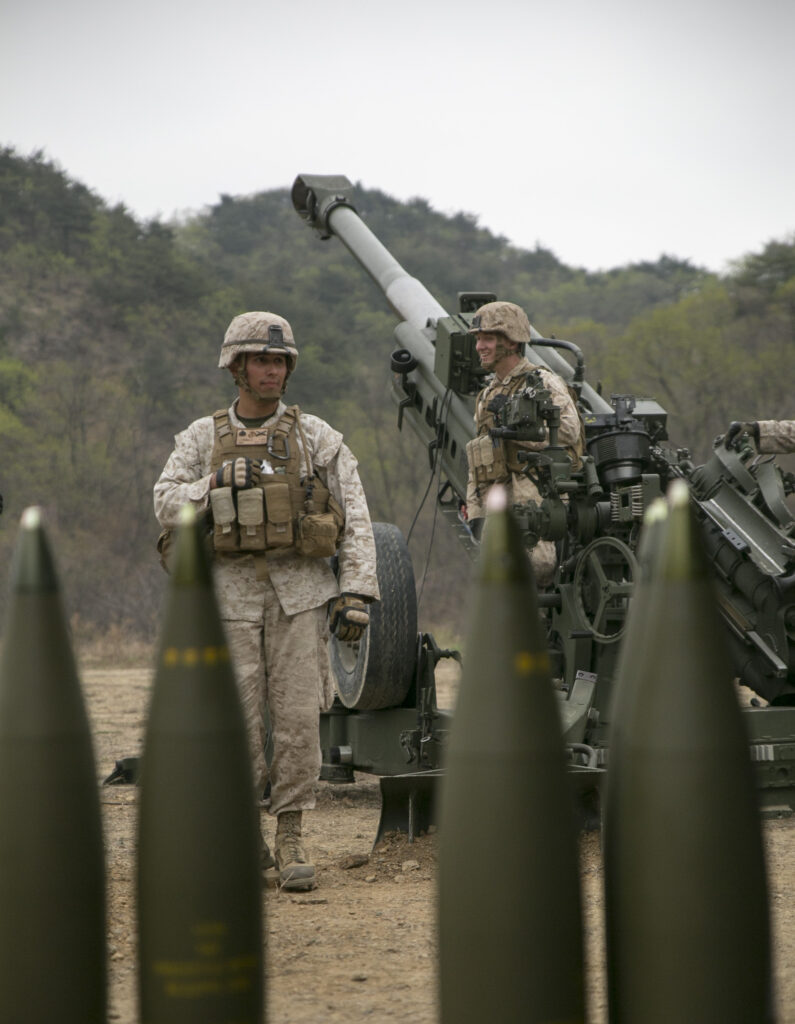
Now consider an expenditure rate of 2,000 such projectiles per day. The projectiles alone would weigh approximately 93 metric tonnes, before adding propellant, fuzes, pallets, containers and transport equipment. At 3,000 rounds per day, the projectile weight would rise to roughly 140 tonnes. That demand must move from production plants to strategic depots, through ports or rail terminals, into theatre storage sites and eventually to firing units, often while the transport network is being observed or attacked.
The same principle applies to air power. A combat aircraft may be certified to employ several missile and bomb types, but integration does not guarantee that meaningful quantities are available. Each weapon requires procurement funding, storage infrastructure, maintenance procedures, qualified armourers, software compatibility and service-life management. Air defence is even more dependent on ammunition depth. A battery may remain physically undamaged after several engagements but become operationally irrelevant when it has exhausted its ready missiles and reloads.
The important question is therefore not simply, “How many launchers does an army possess?” A more revealing question is, “How many engagements can those launchers sustain before ammunition becomes the limiting factor?”
Consumption Rates Can Defeat Peacetime Planning
Ammunition planning is built on assumptions about conflict duration, target density, operational tempo, hit probability and expected expenditure. Real wars rarely respect those assumptions.
Consumption may increase because a conflict lasts longer than expected, because targets become dispersed or because electronic warfare reduces the effectiveness of guided weapons. Units may need to fire several rounds to achieve an effect that planners assumed would require only one. Counter-battery threats may force artillery to fire rapidly and relocate, reducing the time available to correct fire. Poor weather may restrict aviation and increase reliance on ground-based fires. An adversary may also deliberately launch larger salvos to exhaust the defender’s interceptors.
The scale quickly becomes difficult to absorb. A reported Ukrainian estimate in 2024 suggested that approximately 75,000 artillery rounds per month could be required merely to hold defensive lines, with substantially more needed for a major offensive. That baseline equals around 2,500 rounds per day. Even at that rate, annual demand would reach approximately 900,000 rounds.
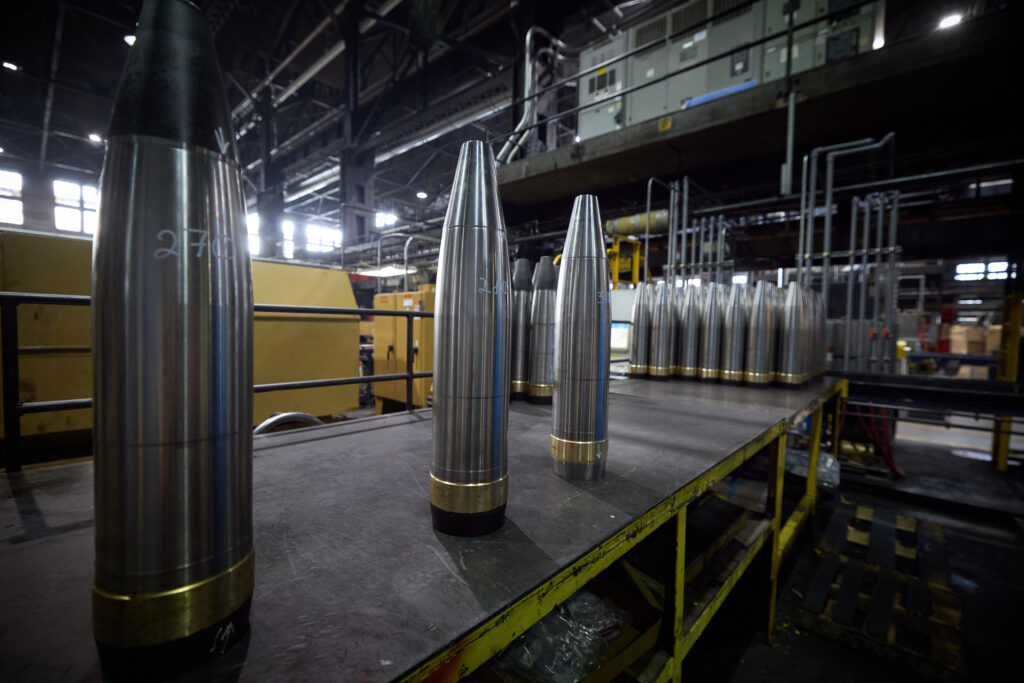
This is close to the entire annual output of a production system manufacturing 75,000 rounds per month. It leaves little room for training, reserve creation, losses, rejected lots or support to other theatres.
The United States illustrates how slowly industrial capacity can respond. Before Russia’s full-scale invasion of Ukraine, US production of 155 mm ammunition was approximately 14,000 rounds per month, or 168,000 annually. The Department of Defense subsequently pursued an increase to approximately 1.2 million rounds annually, equivalent to 100,000 per month. The scale-up is significant, but it also demonstrates the starting point: a major industrial power required several years and billions of dollars to move from peacetime output toward high-volume production.
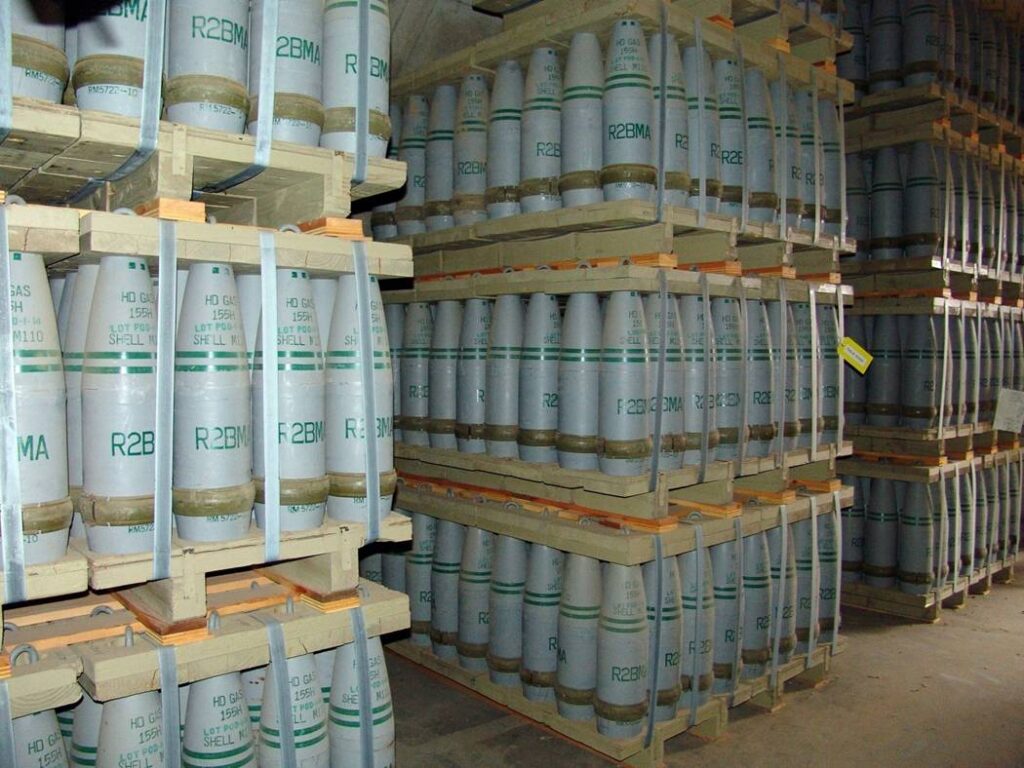
The US Government Accountability Office calculated that, at 2022 production rates, producing two million 155 mm rounds would have taken nearly twelve years. That figure reveals the danger of waiting until a crisis begins before rebuilding capacity.
Precision Does Not Eliminate the Need for Mass
Precision-guided weapons have transformed modern warfare. They can reduce the number of rounds needed against certain targets, extend engagement range and reduce unintended damage. Yet precision should not be confused with unlimited efficiency.
A guided munition is normally more difficult to produce than a conventional projectile. Seekers, navigation units, processors, control surfaces, batteries and specialised electronic components create additional supply-chain demands. Some components may come from a very small number of certified suppliers. Production can therefore be constrained by an electronic component, fuze or rocket motor even when sufficient metal bodies are available.
Precision also cannot solve every tactical problem economically. Would it make sense to use an advanced long-range missile against every field position, unprotected vehicle or temporary observation post? Should a multimillion-dollar interceptor be assigned to every low-cost drone approaching defended airspace? Sometimes the answer is yes, particularly when the defended target is a power station, command centre or ammunition depot. But a force that has only expensive answers will eventually face an ammunition-budget problem as well as an inventory problem.
The correct approach is not quantity instead of quality. It is a structured ammunition mix.
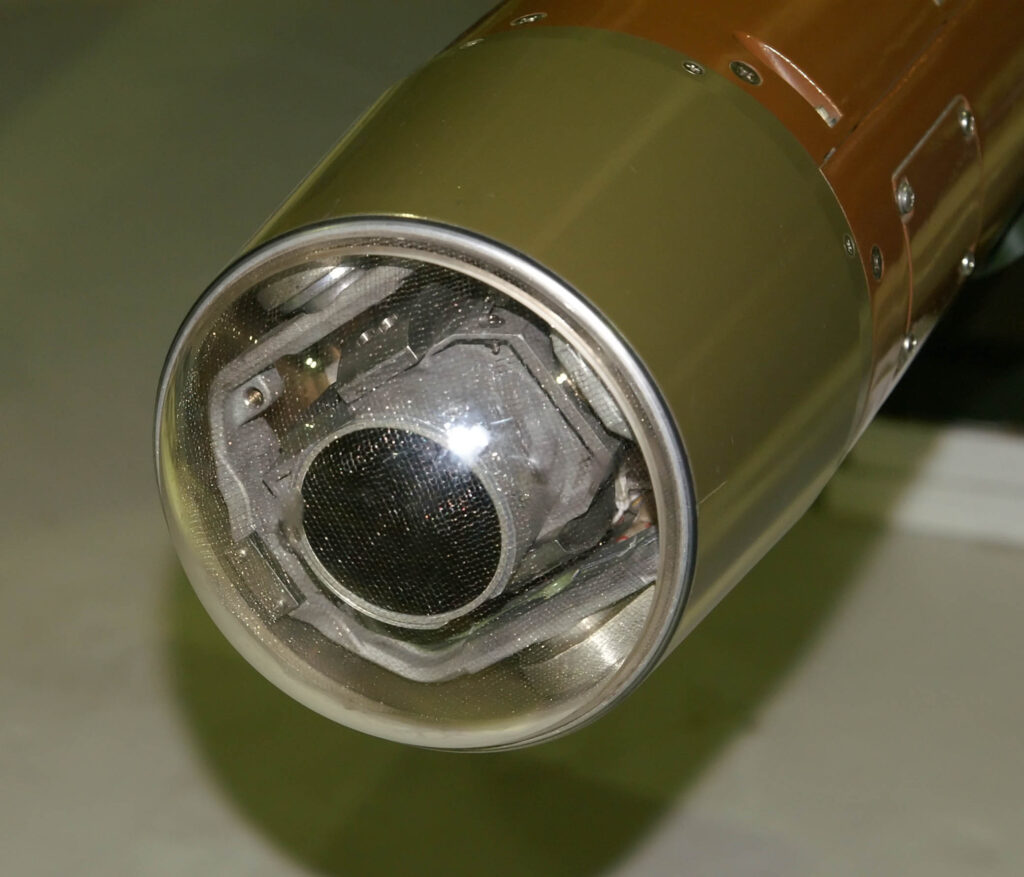
High-value precision weapons should be reserved for mobile, hardened, distant or time-sensitive targets that justify their use. Conventional artillery, mortars, direct-fire weapons and cheaper guided systems should provide volume against targets that do not require the most sophisticated option. Air defence should similarly combine long-range interceptors with medium- and short-range missiles, guns, electronic warfare and interceptor drones.
A technologically advanced military that can engage only a limited number of targets may be less resilient than a balanced force combining precision with sufficient volume.
Production Is a Network, Not a Single Factory
Discussion of ammunition production often focuses on the final assembly plant. In reality, an artillery round is the product of a distributed industrial network. Steel must be formed and machined into projectile bodies. Explosives must be manufactured, processed and loaded. Propellant production requires chemical inputs and specialised facilities. Fuzes require mechanical or electronic components. Charges, primers, packaging and testing capacity must all expand at compatible rates.
Increasing production of projectile bodies does not solve the problem if explosive filling remains constrained. More explosive output does not produce complete rounds if fuze manufacturing cannot keep pace. The slowest component determines the output of the whole chain.
This is particularly important because explosives and propellants cannot be manufactured in ordinary commercial facilities. Plants require specialised safety distances, environmental approvals, trained personnel and equipment designed to manage energetic materials. New production capacity may therefore require years of construction, certification and workforce development.
The industrial workforce is another constraint. Skilled machinists, chemical engineers, quality-control specialists and explosives technicians cannot be created immediately by signing a procurement contract. NATO’s Secretary General noted in March 2026 that a young graduate beginning engineering training at that time might not be ready to work independently in the defence sector until around 2030. Capacity expansion is therefore not merely a matter of purchasing more machinery. It is also a long-term human-capital problem.

Long-term contracts matter for the same reason. A manufacturer is unlikely to build a new plant and hire hundreds of employees for an order that may disappear after two years. Governments may prefer flexible annual purchasing, but industry needs predictable demand to justify irreversible investments.
NATO procurement efforts have attempted to create this predictability. Since the Defence Production Action Plan was agreed in 2023, NATO’s procurement agency has signed or supported multibillion-dollar ammunition arrangements. These have included a reported $5.5 billion contract framework for 1,000 Patriot missiles and around $4 billion for 155 mm artillery ammunition, anti-tank guided missiles and tank ammunition.
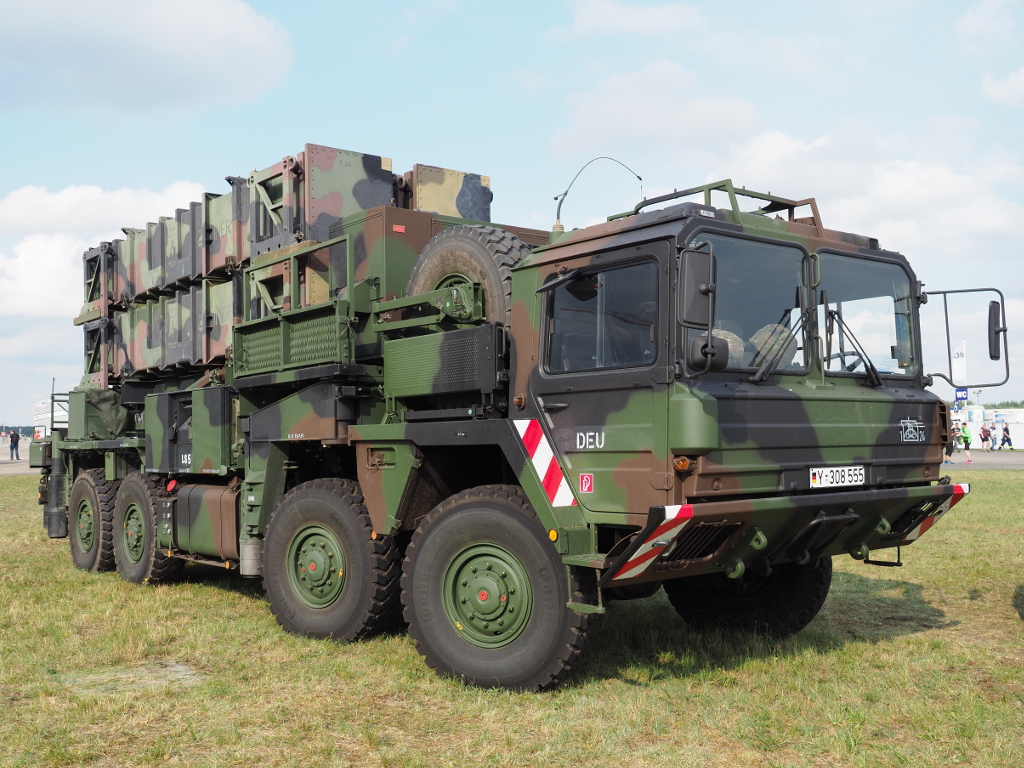
These figures should not be interpreted as simple unit prices. Large defence contracts may include production expansion, support, equipment, spare components and framework-order provisions. Nevertheless, they illustrate the financial scale required to rebuild inventories while increasing production.
Output Is Rising, but Capacity Is Not the Same as Stock
On 7 July 2026, NATO Secretary General Mark Rutte stated that the Alliance was projected to reach the capacity to produce approximately four million artillery shells annually in 2027, almost twice the previous year’s level. Four million rounds per year sounds enormous. Broken down, however, it equals roughly 333,000 rounds per month across the Alliance.
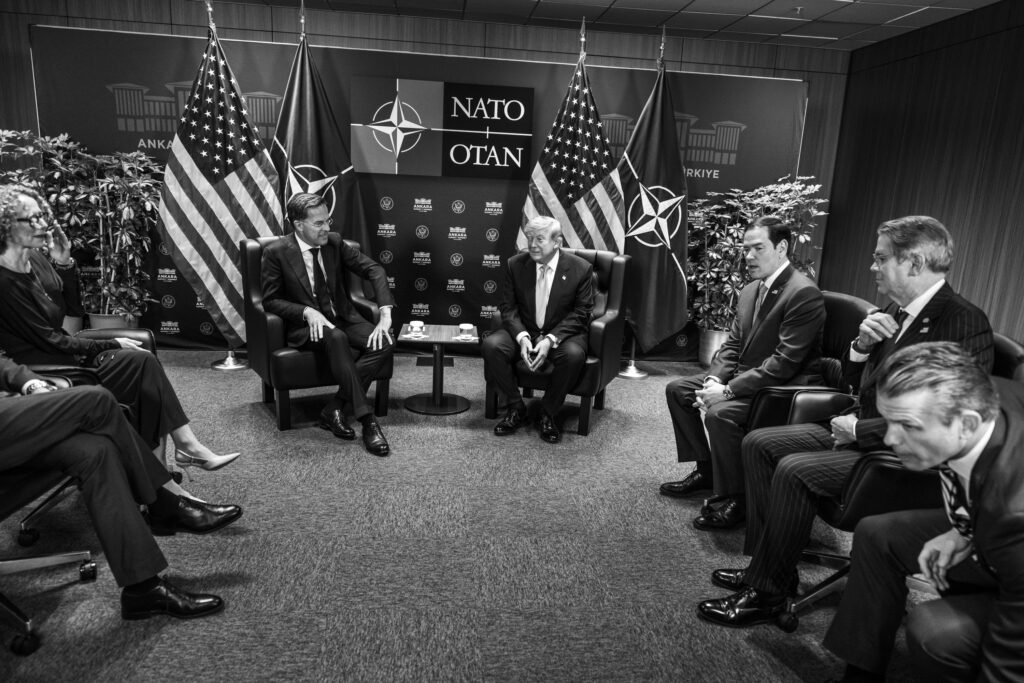
At a battlefield expenditure rate of 3,000 rounds per day, one force would consume approximately 90,000 rounds per month. At 6,000 per day, consumption would reach around 180,000 per month. The point is not that all NATO production would be directed to one battlefield, because it would not. The point is that apparently large annual figures become smaller when compared with sustained daily expenditure, training requirements and the need to replenish national reserves.
Individual factories also show how difficult scale is to achieve. A new German ammunition plant cited by NATO is expected to produce around 350,000 artillery rounds annually. A planned facility in Iowa is expected to approach half a million rounds per year from 2029. These are major industrial investments, but even a plant producing 350,000 rounds annually averages fewer than 1,000 rounds per day.
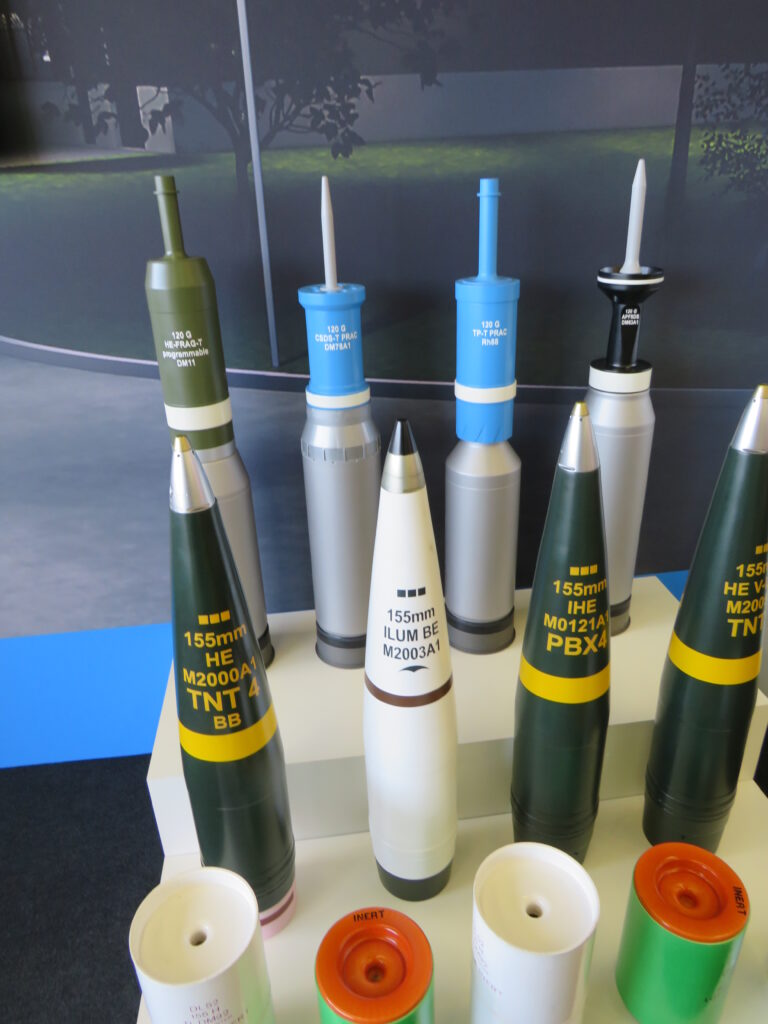
Production capacity must also not be confused with ammunition already sitting in depots. Newly manufactured rounds may be needed to replace transferred stocks, meet training requirements, support deployed forces and create strategic reserves. Some output will be undergoing acceptance testing or transportation. Some lots may be delayed by component shortages.
An army cannot fire a future production target. It can fire only ammunition that has already passed inspection and reached the unit.
Ammunition Is a Logistics and Maintenance Problem
Manufacturing is only the beginning. Ammunition must be inspected, packaged, stored, moved and distributed. Depots require protection against fire, accidents, sabotage, drones and long-range strikes. Railways, ports, roads and military transport formations must handle large volumes under pressure.
Storage conditions matter. Propellants and explosives can deteriorate. Electronic fuzes and guidance components may have batteries or parts with limited service lives. Ammunition must be sampled, inspected and sometimes refurbished. A nominal stockpile of one million rounds does not necessarily contain one million immediately serviceable rounds.
Transporting ammunition also creates a visible operational signature. Repeated truck movements between depots and firing positions can be detected. Large storage concentrations are efficient but vulnerable. Dispersed storage improves survivability but increases security, inventory-control and transportation requirements.
High firing rates also affect the weapon itself. Artillery barrels are consumable components. Wear is not measured solely by the number of rounds fired because high-pressure charges produce more erosion than lower-charge missions. Militaries therefore use concepts such as equivalent full charges to estimate barrel life. Extended-range ammunition and maximum-charge firing can accelerate wear, reducing accuracy and eventually creating safety problems.
An ammunition stockpile without spare barrels, maintenance crews and recovery capacity may therefore create only temporary firepower.
Compatibility is another technical issue. Two countries may operate weapons described as NATO-standard 155 mm systems while still applying different certification limits, charge tables or fuze combinations. NATO’s Generic NATO Indirect Fire Round initiative, launched in July 2026, is intended to explore a more generic 155 mm round that could improve interoperability among allied systems.
Standardisation may sound bureaucratic, but it determines whether one ally’s ammunition can be transferred rapidly to another during a crisis.
The Cost-Exchange Problem Is Becoming Operational
The spread of inexpensive unmanned systems has exposed the economic dimension of ammunition planning. When a low-cost drone is destroyed by a sophisticated surface-to-air missile, the defender may achieve a tactical success while accepting an unfavourable cost exchange.
Cost alone does not determine whether the engagement was rational. A relatively cheap drone may be targeting a radar, aircraft shelter, refinery or electrical substation worth many millions of dollars. Allowing it through could be far more expensive than launching the interceptor.
The deeper problem arises when the defender has no cheaper engagement layer. An attacker does not need every drone to survive. It may be sufficient to force the defender to fire scarce missiles, reveal radar positions and consume attention. Mixed attacks involving drones, cruise missiles, decoys and ballistic missiles make the decision even more difficult because the defender must determine which targets are genuine and which interceptor should be assigned.
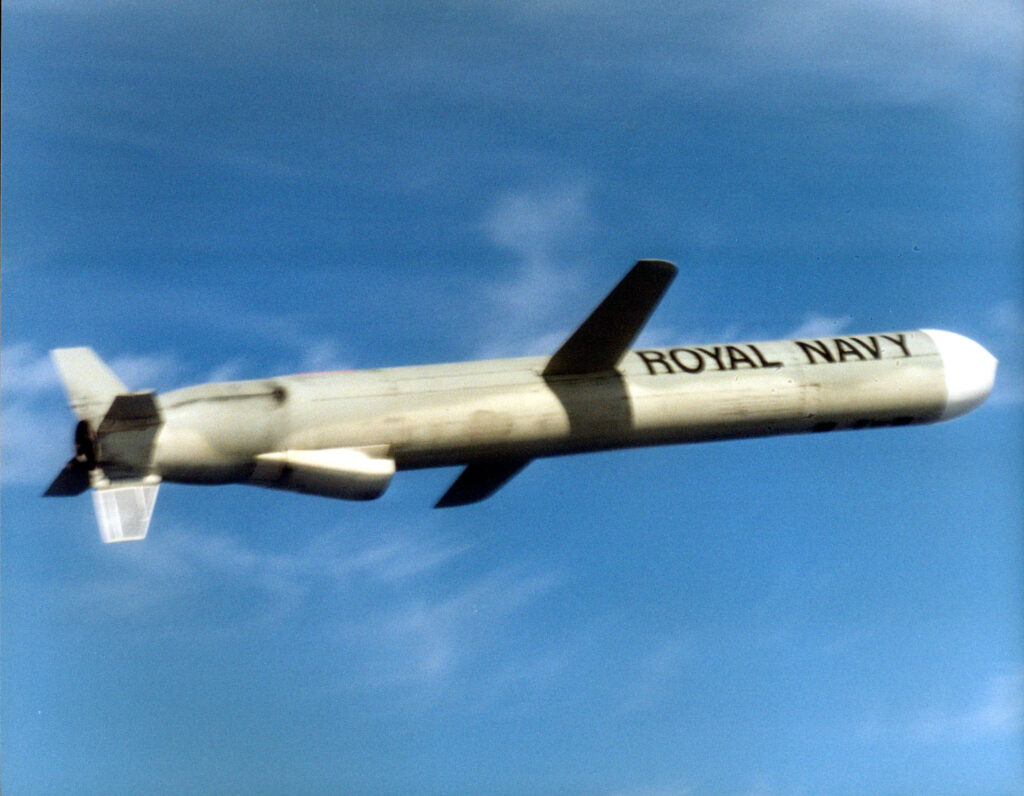
This creates a technical requirement for layered ammunition, not merely layered sensors. Long-range missiles are needed for the most dangerous threats. Shorter-range missiles and guns are needed for lower-altitude targets. Electronic warfare may defeat systems dependent on external navigation or control links. Interceptor drones may provide another relatively low-cost layer. None of these methods is universally effective, but together they prevent the most expensive interceptor from becoming the default response.
The same principle applies throughout the armed forces: ammunition must be matched to the target, not simply to the launcher.
Readiness Should Be Measured in Sustainable Engagements
A military inventory can look impressive on paper while remaining fragile in practice. Counting aircraft, guns and launchers is not enough. Readiness assessments should include available war-reserve ammunition, expected expenditure rates, lot condition, production lead times, transport capacity, spare barrels and the vulnerability of storage sites.
How many days of high-intensity combat can current inventories support? How quickly can expenditure be replaced? Which components depend on a single supplier? What happens if a port, railway junction or explosive plant is disrupted? Can allied countries exchange ammunition without lengthy technical approval?
These questions are less visually impressive than unveiling a new missile or aircraft, but they may determine whether a force can endure.
Advanced weapons create an initial military advantage. Ammunition depth, industrial capacity and logistics allow that advantage to survive contact with a prolonged war. Modern armies still need the best technology they can reasonably obtain, but they also need conventional rounds, affordable interceptors, spare components, protected depots and factories capable of replacing losses at a meaningful rate.
A capable force is not simply one that can deliver an extraordinary first strike. It is one that can continue operating after the original planning assumptions have failed and the initial stockpiles have begun to disappear.
Sources:
- US Army Joint Program Executive Office for Armaments and Ammunition. “JPEO Armaments and Ammunition Portfolio Book.” M795 High-Explosive Projectile specifications.
- NATO. “Keynote Speech by NATO Secretary General Mark Rutte at the NATO Summit Defence Industry Forum.” 7 July 2026.
- NATO. “NATO’s Role in Defence Industry Production.”.
- US Government Accountability Office. “Defense Industrial Base: Actions Needed to Address Risks Posed by Dependence on Foreign Suppliers.” GAO-25-107283.
- NATO. “Delivering Capabilities Through Multinational Cooperation.”.
- US Government Accountability Office. “Status and Challenges of DOD Weapon Replacement Efforts.” GAO-24-106649.
- NATO. “Speech by the NATO Secretary General at the BEDEX 2026 Conference.” 12 March 2026.
- NATO. “Atlantic Council Front Page Conversation with NATO Secretary General Mark Rutte.” 25 June 2026.