
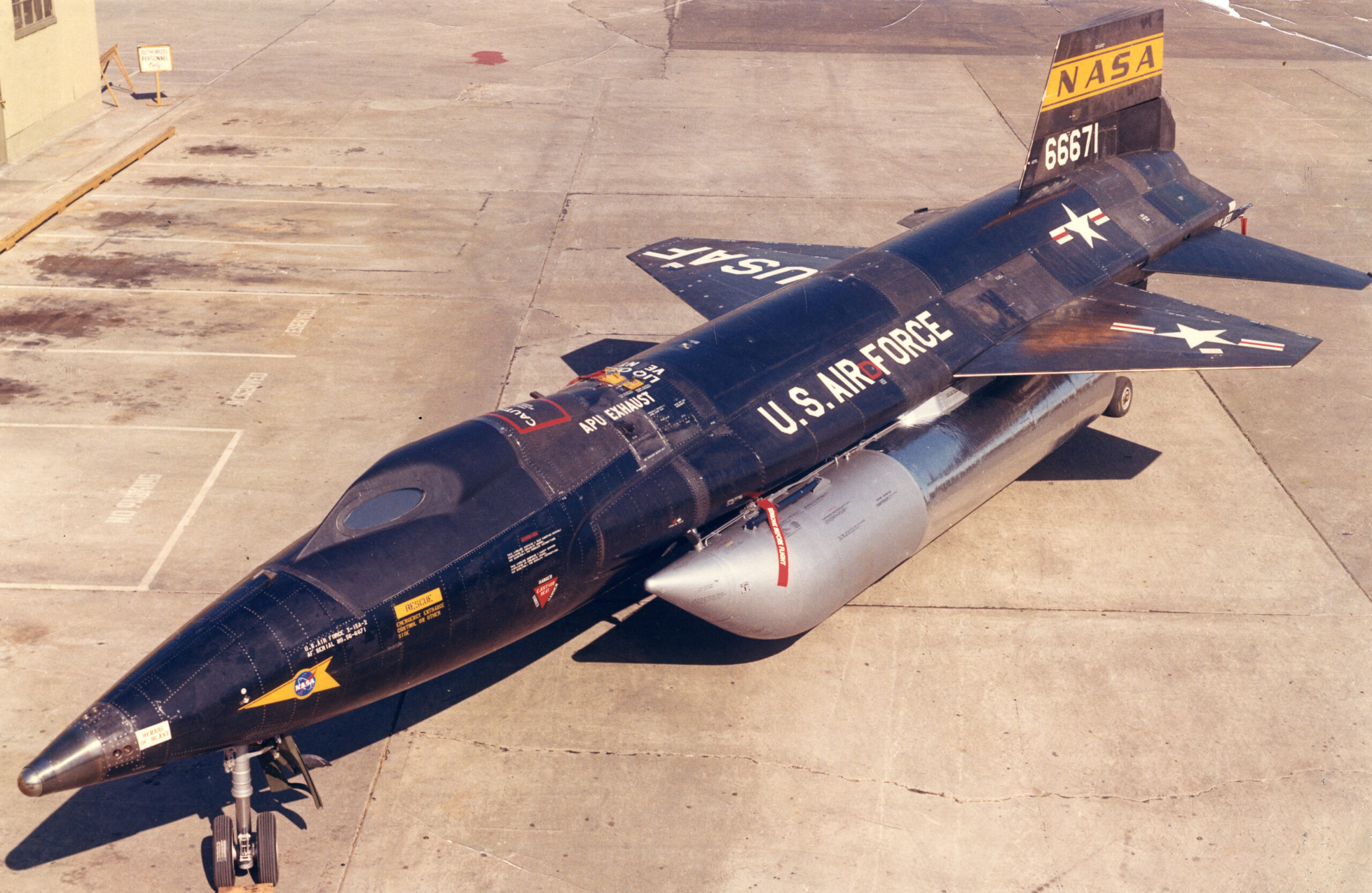
The North American X-15 is one of those aircraft that can easily be misunderstood if we only look at its shape, speed, or U.S. Air Force markings. It looked aggressive, it flew faster than any piloted aircraft before it, and it operated within a Cold War environment where aerospace research, military planning, and space ambition were deeply connected. Still, the X-15 was not a fighter aircraft, not a bomber, and not an operational weapon system.

Its purpose was more fundamental: to answer questions that conventional aircraft could not answer.
What happens to a piloted aircraft at Mach 5 and beyond? How does heat affect the structure? How does a pilot control a vehicle when the atmosphere becomes too thin for normal flight surfaces? Can a human being survive and operate effectively at the edge of space? These were not simple engineering questions. They belonged to the borderland between aviation, missile technology, and spaceflight.
That is where the X-15 matters most. It did not enter combat, but it entered a region of flight where combat aircraft designers, spacecraft engineers, and military planners all had something to learn.
The Fastest Piloted Aircraft, But Not a Normal Aircraft
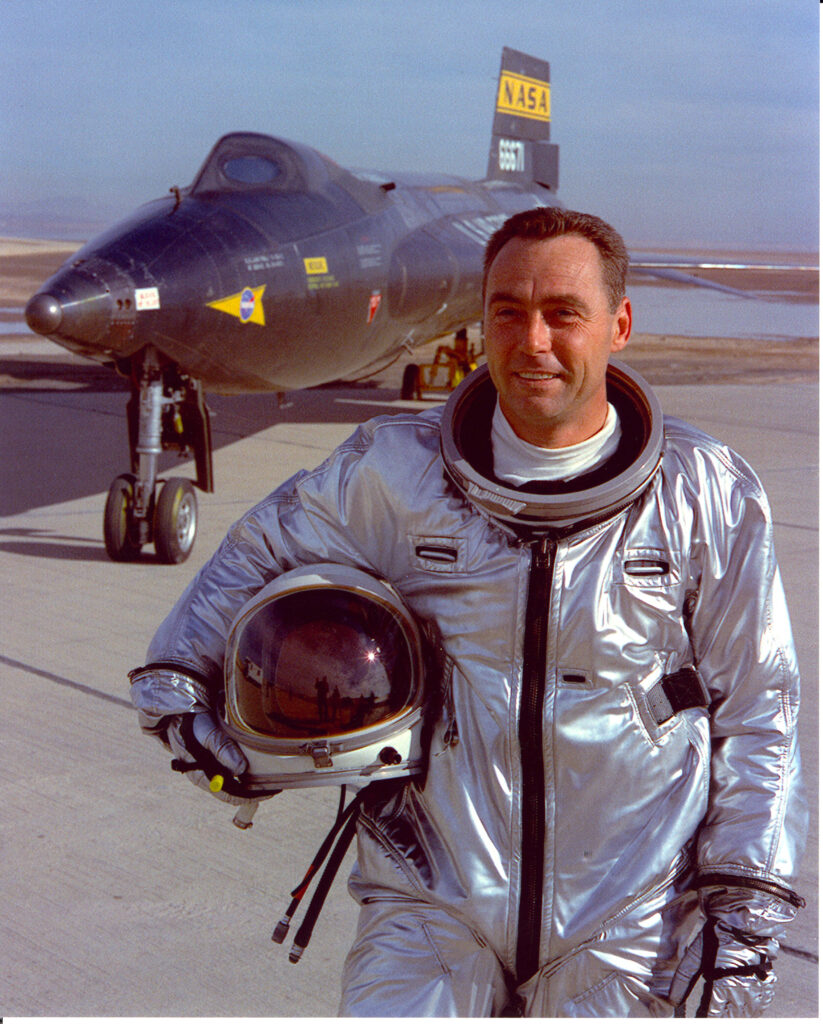
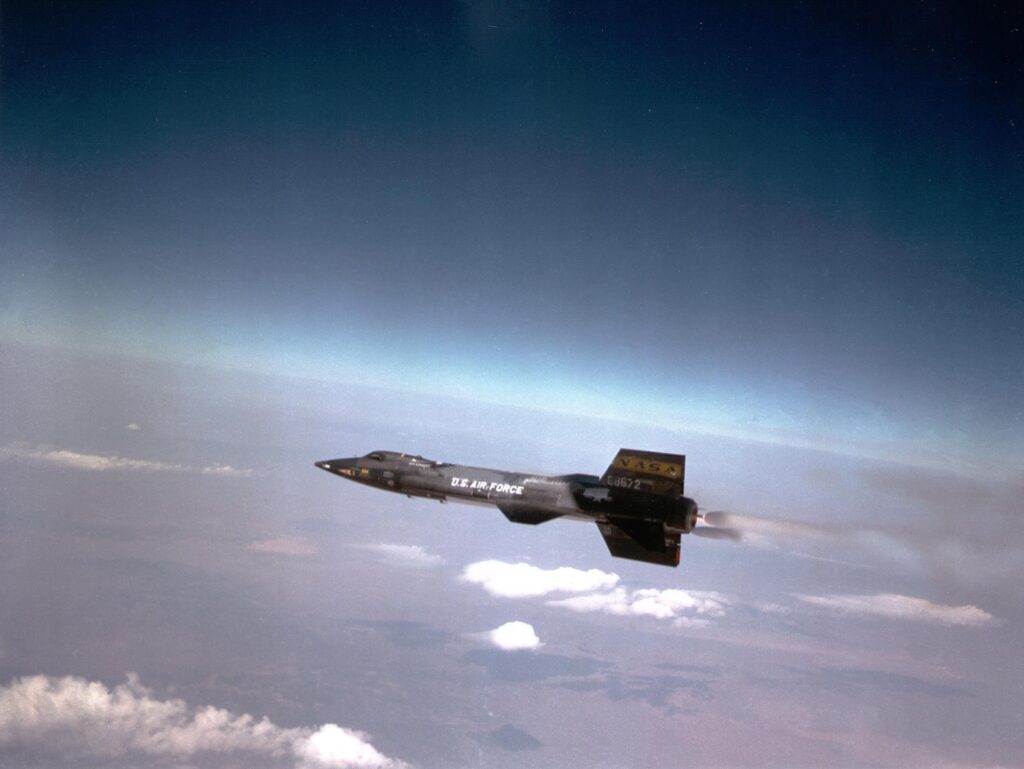
The X-15 reached its highest speed on October 3, 1967, when U.S. Air Force pilot William J. “Pete” Knight flew the modified X-15A-2 to Mach 6.7, about 4,520 mph. That record remains central to the aircraft’s reputation. But we should be careful with the wording. The X-15 was not a jet aircraft. It was a rocket-powered research aircraft, air-launched from a modified B-52.
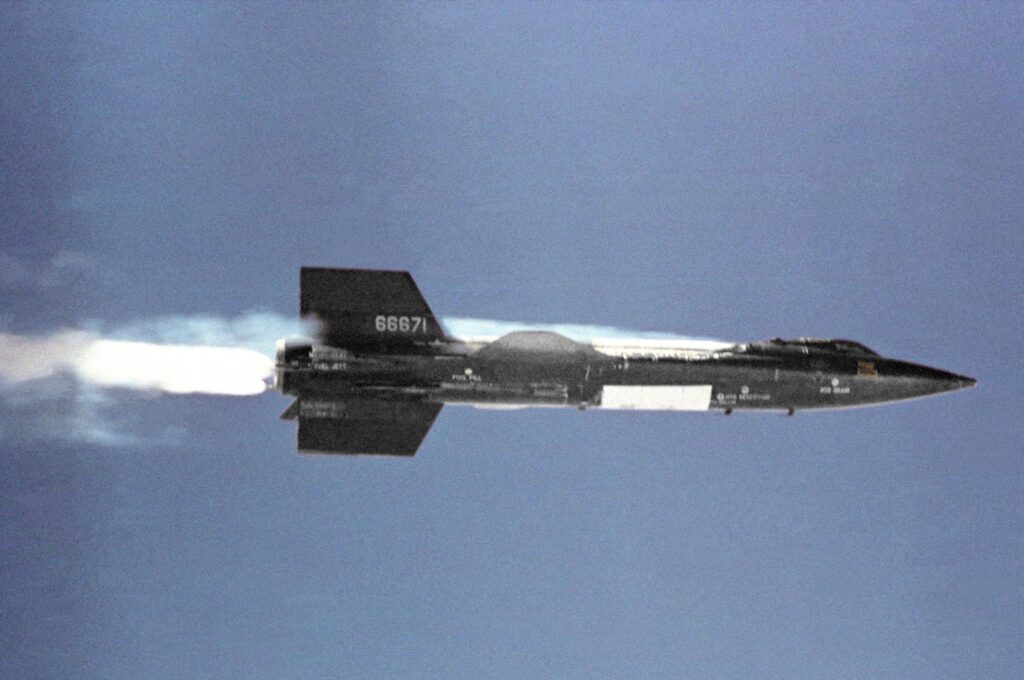
A normal fighter takes off from a runway, climbs under its own power, performs a mission, and returns. The X-15 was carried under the wing of a B-52, released at altitude, fired its rocket engine for a short period, climbed or accelerated violently, and then glided back to a dry lakebed landing. Typical flights lasted only around ten minutes.
So, when people compare it with the SR-71 Blackbird, the F-15, or other fast military aircraft, the comparison is useful only up to a point. The SR-71 was an operational reconnaissance aircraft. The F-15 was a combat aircraft. The X-15 was a flying laboratory.
But sometimes flying laboratories leave a deeper legacy than operational aircraft.
Did the X-15 Lead Directly to a Fighter?
This is where the answer needs balance.
No, the X-15 did not directly become a fighter. We should not say that the F-15, F-16, F/A-18, or any other conventional combat aircraft was “built from” the X-15. That would be inaccurate. Those aircraft belonged to very different design requirements: sustained flight, combat maneuvering, radar, weapons carriage, maintenance, range, and operational reliability.
The X-15 was different. It was not designed around missiles, dogfighting, air superiority, or battlefield survivability. It was designed around speed, altitude, heat, stability, pilot survival, and data collection.
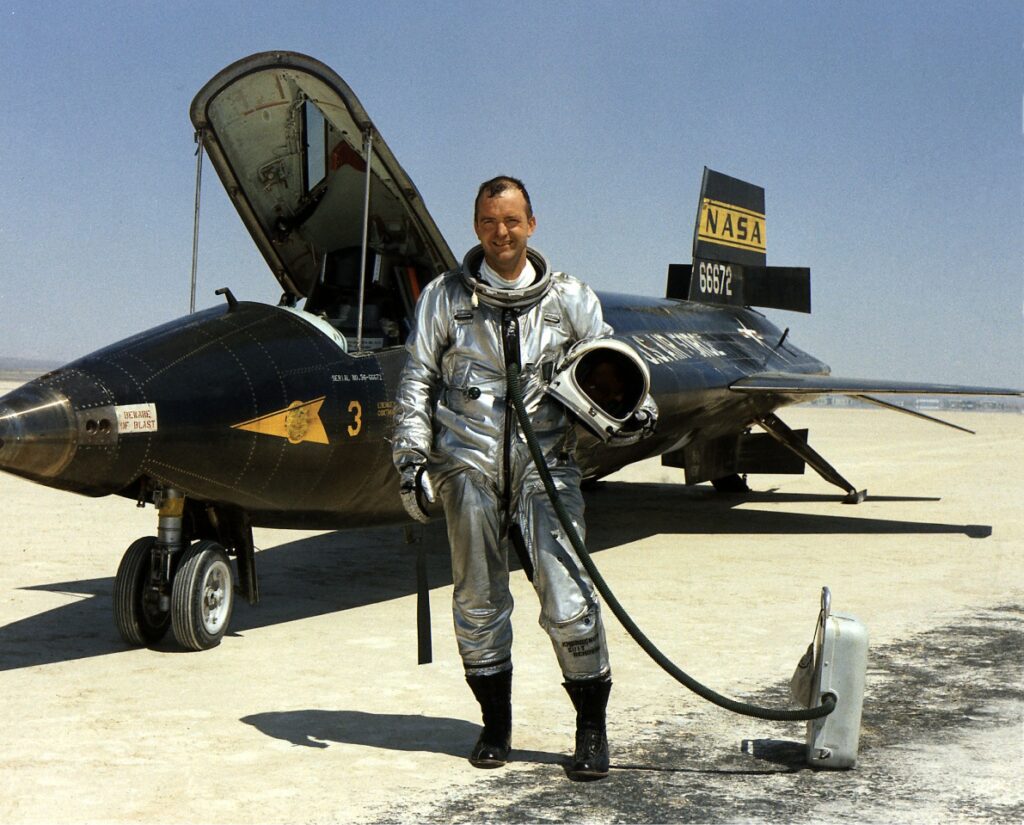
However, that does not mean it had no military relevance. In fact, its military relevance was serious precisely because it produced knowledge rather than a direct weapon. High-speed flight research shaped the technical environment in which later aerospace and defense systems were developed. The X-15 helped engineers understand hypersonic airflow, aerodynamic heating, stability at extreme speed, reaction control systems, pilot workload, and high-altitude flight instrumentation.
In other words, the X-15 did not give the U.S. military a new fighter. It gave the U.S. aerospace community a new understanding of flight.
Heat Was One of the Real Enemies
At normal aircraft speeds, drag and structural stress are already serious concerns. At hypersonic speeds, heat becomes one of the central problems. The faster a vehicle moves through the atmosphere, the more intense aerodynamic heating becomes. At X-15 speeds, the aircraft was not simply “cutting through air.” It was forcing air to behave in ways that created extreme thermal loads.
This is why the aircraft used heat-resistant materials, including Inconel X, a nickel-chromium alloy suited for high-temperature environments. This was not just a material choice. It was part of a wider learning process about how aircraft structures behave when speed itself becomes a thermal threat.
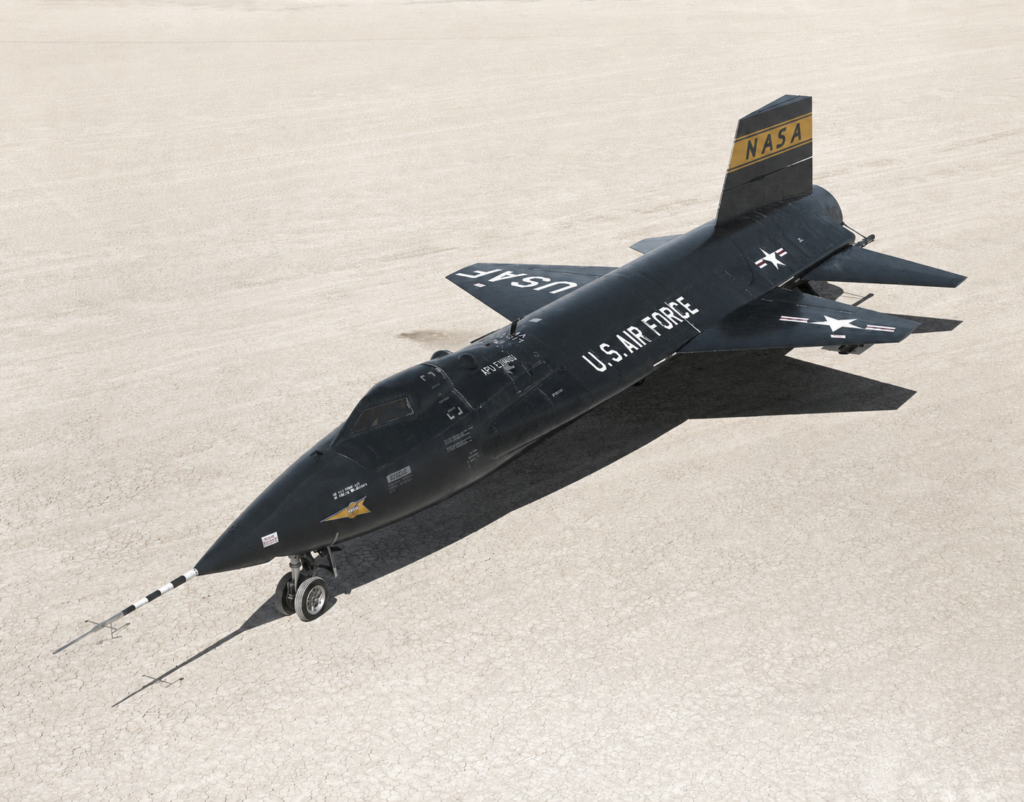
For later military aerospace projects, this kind of knowledge mattered. Any future vehicle designed for very high speed, whether reconnaissance, strike, missile-related, or space-related, would face the same basic problem: speed creates heat, and heat can destroy the aircraft before the enemy ever sees it.
That is one of the quiet lessons of the X-15. It showed that hypersonic performance is not only about propulsion. It is about materials, structure, thermal protection, and flight profile.
Control at the Edge of the Atmosphere
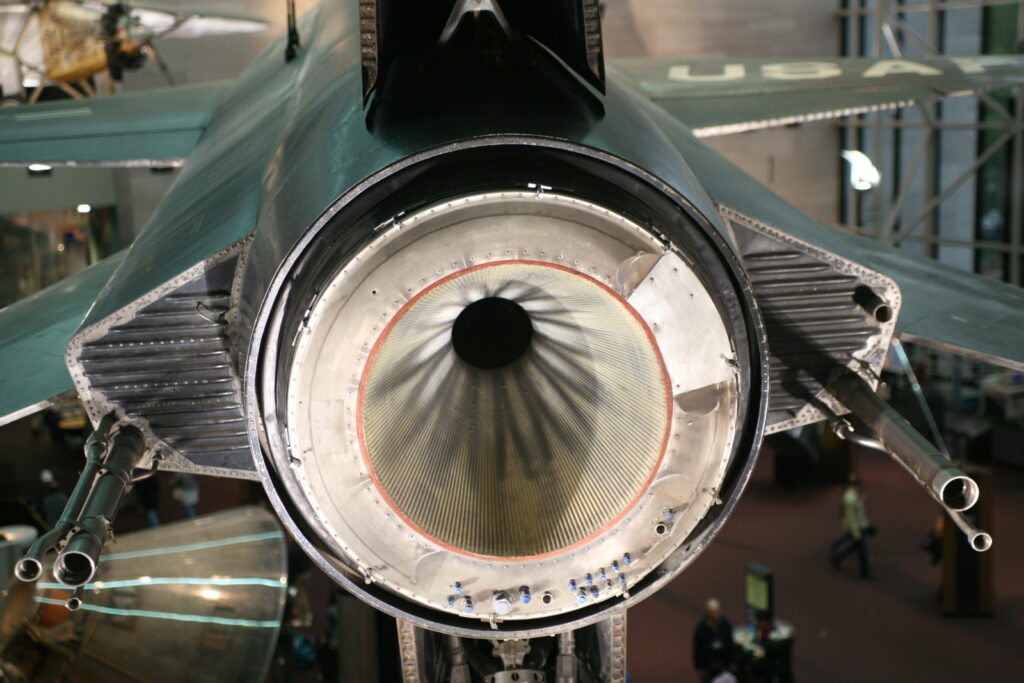
A conventional aircraft uses aerodynamic control surfaces: elevators, rudders, ailerons. These need airflow to work. But the X-15 operated at altitudes where the air could become too thin for normal control surfaces to remain effective. That created a major problem.
How do you control a winged vehicle when the atmosphere is no longer dense enough to behave like the atmosphere?
The X-15 used reaction control systems, small thrusters that helped the pilot control attitude in near-space conditions. This was an important bridge between aircraft control and spacecraft control. A fighter pilot thinks in terms of aerodynamic control. An astronaut thinks in terms of attitude control in a low or no-atmosphere environment. The X-15 sat between those worlds.
This is one reason the aircraft is often described as a bridge between aviation and spaceflight. It was still an aircraft, but it forced pilots and engineers to think beyond ordinary aircraft behavior.
The Human Factor
The X-15 was not only a test of metal and propulsion. It was also a test of the pilot.
At high speed and extreme altitude, the pilot had to manage acceleration, attitude, energy, trajectory, systems, and landing planning in a very compressed time window. There was little room for casual flying. The aircraft demanded precision because its flight profile was unforgiving.
This matters for defense and aerospace history because advanced systems are never only about machines. They are also about whether human operators can understand, control, and survive those machines under stress. The X-15 program generated valuable experience in pressure suits, cockpit displays, pilot workload, high-altitude physiology, and emergency procedures. That human side is easy to overlook because the speed record is more dramatic. But for future spacecraft and high-performance aircraft, the pilot experience was part of the data.
Its Real Legacy Was Broader Than Combat Aviation
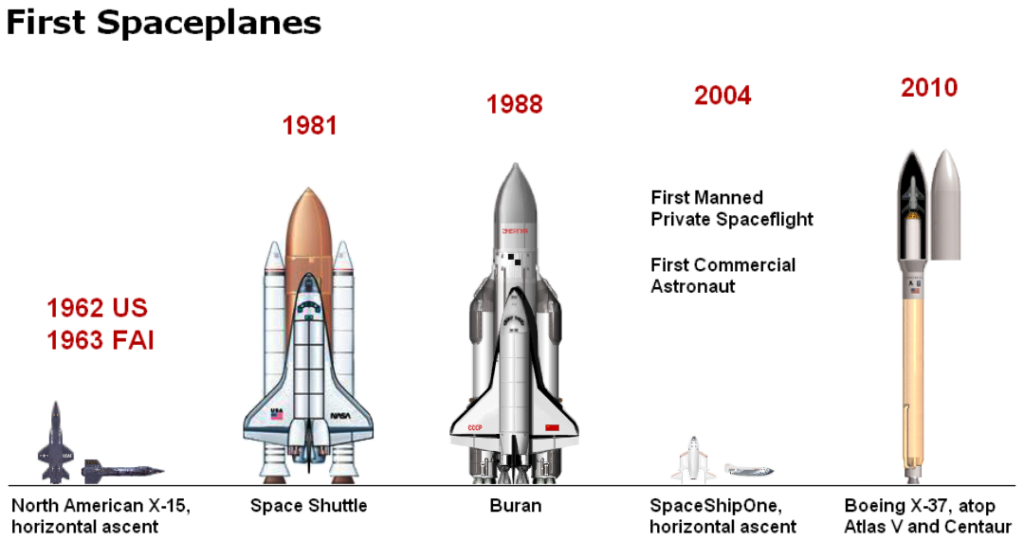
NASA states that data from the X-15 contributed to Mercury, Gemini, Apollo, and the Space Shuttle. That is probably the clearest way to understand the program’s legacy. Its strongest direct influence was not on a conventional fighter aircraft, but on the wider aerospace ecosystem that connected military research, human spaceflight, and high-speed vehicle design.
For a defense-focused reader, this is important. Not every militarily relevant platform carries weapons. Some platforms matter because they expand the technical boundaries from which future systems can be created. The X-15 belongs to that category.
It was not a combat aircraft, but it was not irrelevant to military aviation. It was not a spacecraft, but it helped spaceflight. It was not a missile, but it taught lessons about speed, heat, and control that also mattered in the missile age.
That is why the X-15 still feels modern. Hypersonic weapons, reusable spaceplanes, high-speed reconnaissance concepts, and advanced thermal protection research all live in a world where the problems explored by the X-15 have never disappeared. They have only become more technologically demanding.
Why the X-15 Still Matters Today
The X-15 should not be treated only as a record-breaking machine. Speed records are impressive, but records alone do not explain historical importance. Its real value was that it turned unknowns into measurable data.
It showed that piloted hypersonic flight was possible. It showed that heat could be studied in real flight, not only in wind tunnels. It showed that aircraft and spacecraft control concepts could overlap. It showed that pilots could operate at the edge of space and return with information that changed engineering assumptions.
For a modern defense and aerospace audience, the X-15 is a reminder of something simple but often forgotten: before a technology becomes operational, someone has to fly into uncertainty and measure it.
The X-15 was not the ancestor of one specific fighter. It was something more unusual. It was a research aircraft that helped define the technical language of high-speed flight. That is why, decades later, it still belongs in any serious discussion about military aerospace innovation, hypersonic development, and the long relationship between aviation and space.
Sources:
- NASA, “X-15 Hypersonic Research Aircraft.”
- NASA, “X-15 Hypersonic Research Program.”
- NASA, “North American Aviation X-15.”
- National Museum of the United States Air Force, “North American X-15A-2.”