
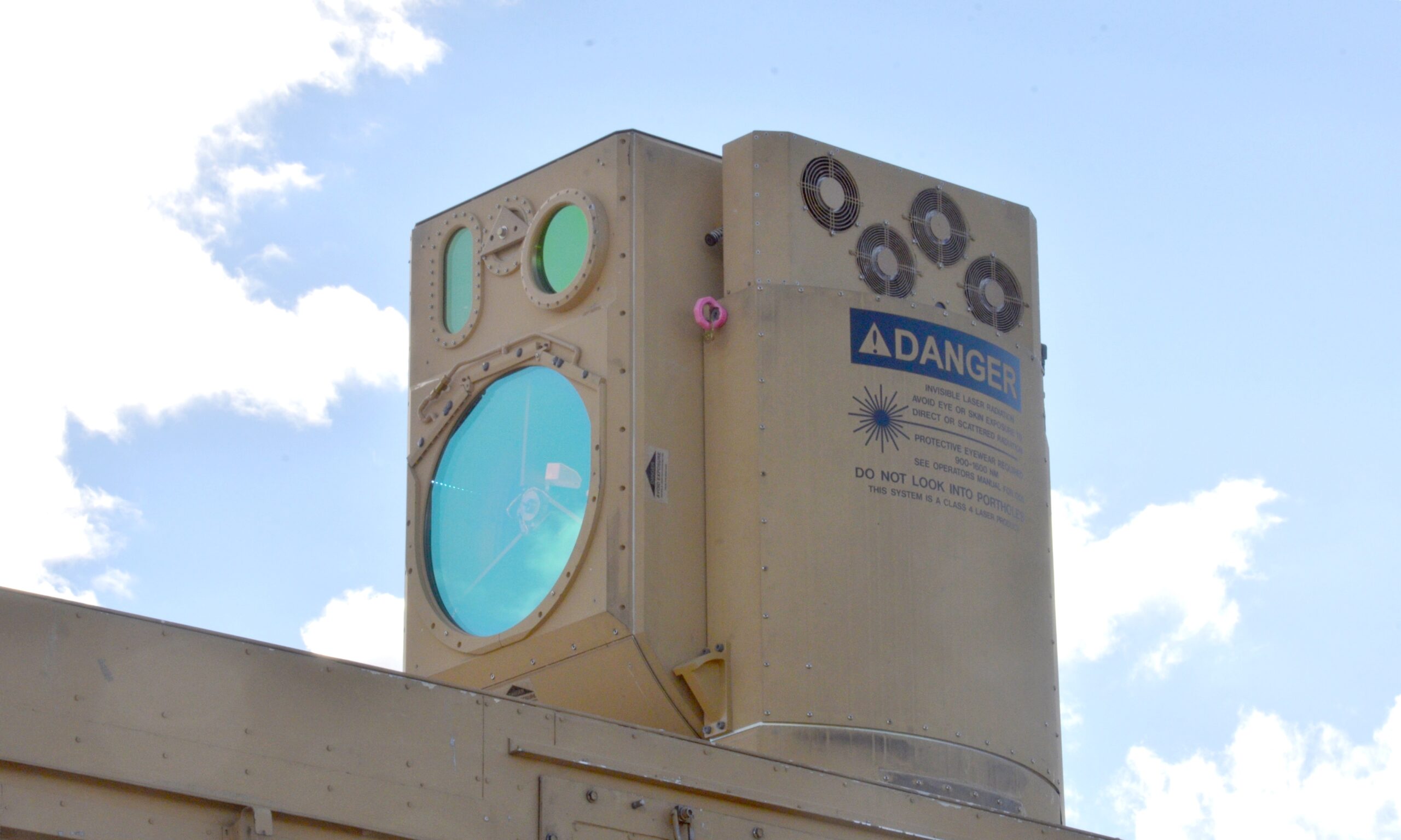
Laser weapons have spent decades moving between imagination, laboratory testing, and military ambition. For a long time, they belonged to the future tense of defense writing: impressive in theory, difficult in practice, and often treated as technology that was always coming but never quite arriving. That picture has started to change. High-energy laser systems are now being tested against drones, rockets, mortar-type threats, small boats, and aerial targets, while armed forces are trying to understand where directed energy belongs inside modern defense planning.

The appeal is easy to understand. A system that fires at the speed of light, relies on electrical power rather than conventional ammunition, and may offer a very low cost per shot naturally attracts attention. Yet laser weapons should not be approached as miracle systems. They require power, cooling, accurate tracking, beam control, favorable atmospheric conditions, and enough time on target to create damage.
For Drill & Defense, the more useful question is not whether laser weapons are futuristic. They already are part of serious defense planning. The real question is where they will perform well, where their limits will remain visible, and how they may reshape the economics of air and missile defense.
From Experimental Concept to Operational Pressure
The renewed interest in laser weapons is closely connected to the changing cost structure of warfare. Drones, loitering munitions, rockets, and other low-cost aerial threats have made defense more complicated. A military can possess advanced air defense systems and still face pressure if every interception requires an expensive missile.
Directed energy offers a different engagement model. Once a laser system is installed and supplied with power, each shot can be far cheaper than a missile launch. The system itself is not cheap, and development remains technically demanding, but the cost of repeated engagements may become more manageable. Against massed low-cost threats, that difference becomes strategically attractive.
Naval forces face this problem with particular urgency. A warship carries a limited number of missiles, and replenishment is not simple during operations. If a laser can defeat some drones or small surface threats, missile stocks can be preserved for higher-end targets. Rather than replacing existing weapons, directed energy may help stretch the defensive capacity of ships.
What a Laser Weapon Actually Does
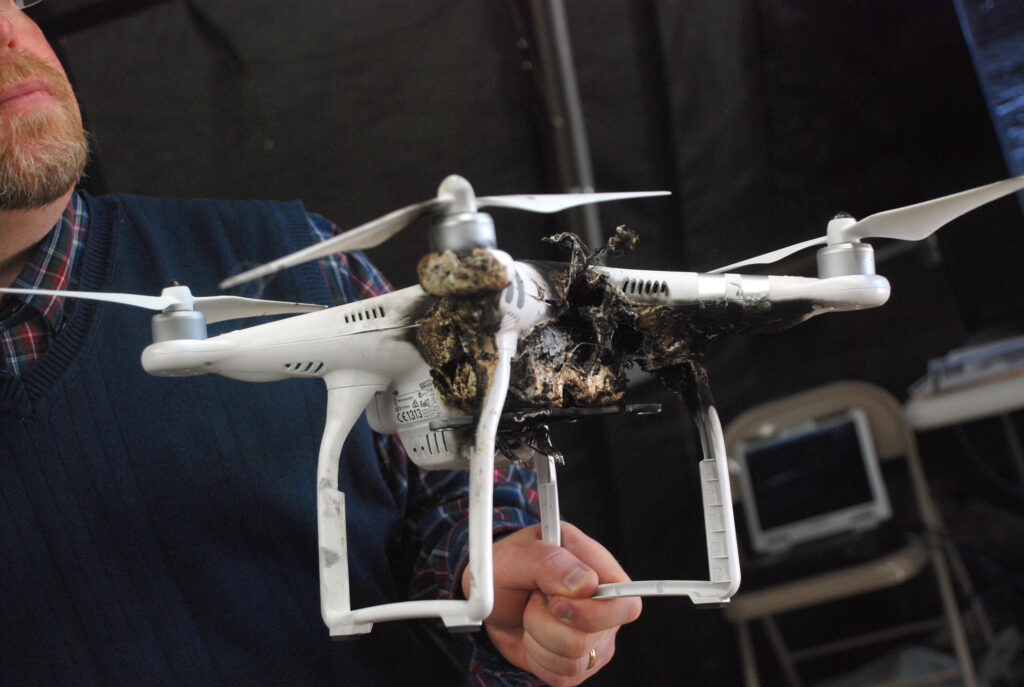
A military laser weapon concentrates energy onto a target until heat damages or disables it. The effect depends on the target. It may burn through material, damage a sensor, disrupt a control surface, destroy a propeller, or force electronics to fail. The familiar image of a laser instantly cutting through anything in its path is misleading. In many cases, the beam must remain focused on one point long enough to create the desired result.
Dwell time sits at the center of the discussion. A slow drone in clear weather is one kind of target. A fast, maneuvering, hardened missile in poor visibility is another. Both may appear in discussions about laser weapons, but they do not represent the same technical challenge.
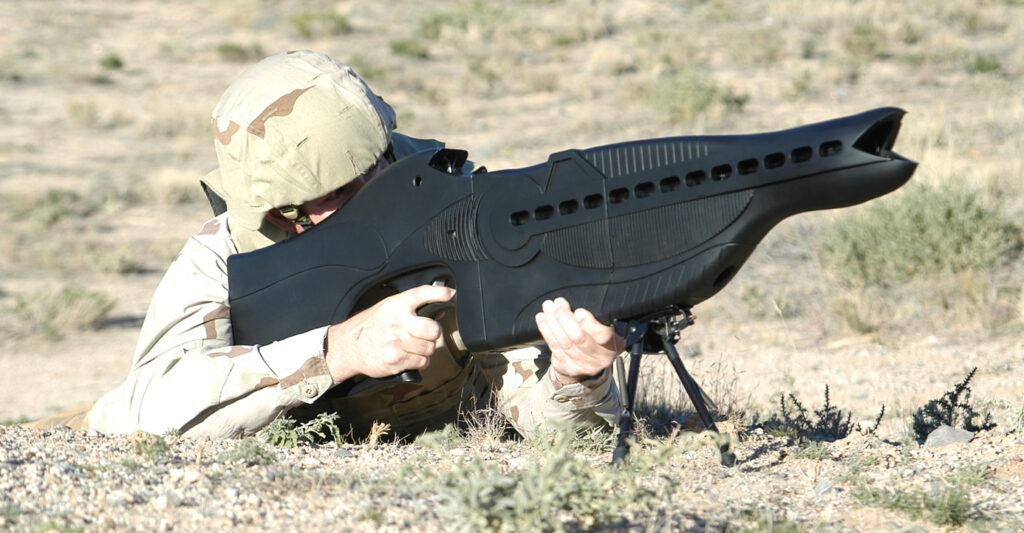
Range is shaped by much more than the advertised power level of the system. Beam quality, atmospheric absorption, turbulence, target movement, target material, tracking precision, and engagement geometry all affect performance. A laser can be highly effective in one scenario and much less effective in another, even if the weapon itself has not changed.
THEL and the Lessons of Early Directed Energy
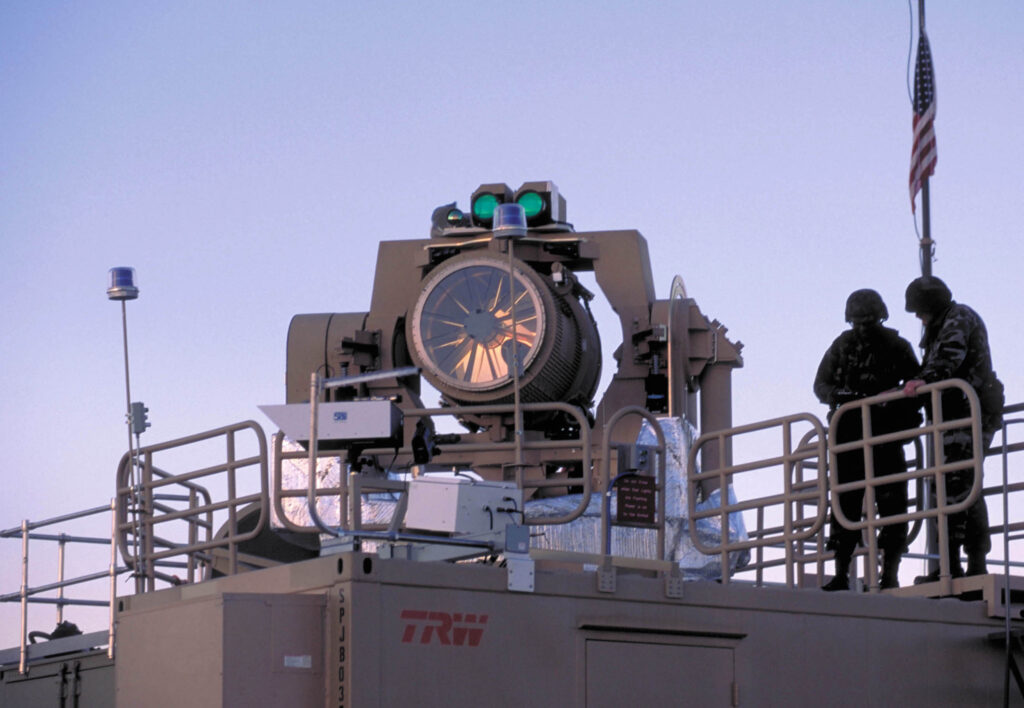
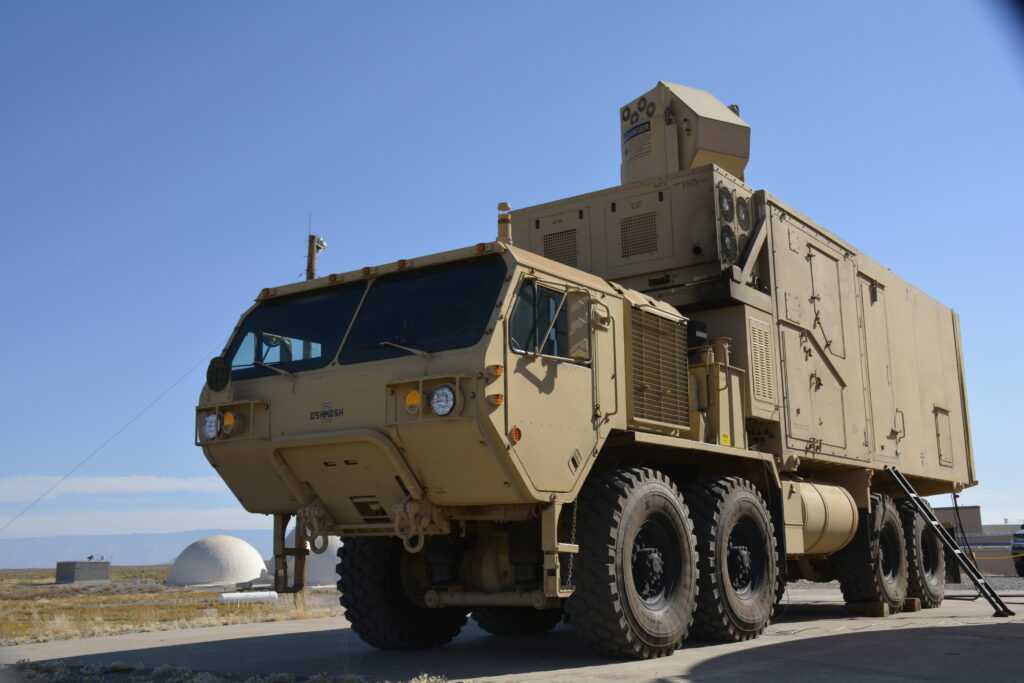
The Tactical High Energy Laser, or THEL, remains an important early reference point. Developed through U.S. and Israeli cooperation, THEL demonstrated that high-energy lasers could engage rockets, artillery, and mortar-type threats in testing. It helped prove that directed energy had real defensive potential. Turning that potential into a practical fielded system proved more difficult. Earlier chemical laser systems created logistical and operational burdens. Chemicals, system size, mobility, safety, and sustainment were not minor details. A weapon can succeed in a controlled test environment and still struggle to become equipment that armed forces want to deploy routinely.
Modern programs have moved toward electrically powered solid-state and fiber laser systems. That shift reflects more than technological preference. Armed forces need systems that can be integrated onto ships, vehicles, and fixed sites without creating excessive sustainment problems. In that sense, the story of laser weapons is not only about beam power. It is also about whether the system can be operated, maintained, transported, repaired, and trusted.
Naval Lasers and the HELIOS Direction
The U.S. Navy’s HELIOS program shows how directed energy is being integrated into a broader combat system rather than treated as a stand-alone weapon. HELIOS combines high-energy laser capability with surveillance and counter-sensor functions. Its value therefore extends beyond simply destroying drones.
At sea, flexibility matters. A ship may need to track, identify, warn, disrupt, disable, or destroy depending on the situation. A laser can potentially support several points along that escalation ladder. Against small drones or certain surface threats, it may provide a response option that sits between passive observation and the use of an expensive interceptor.
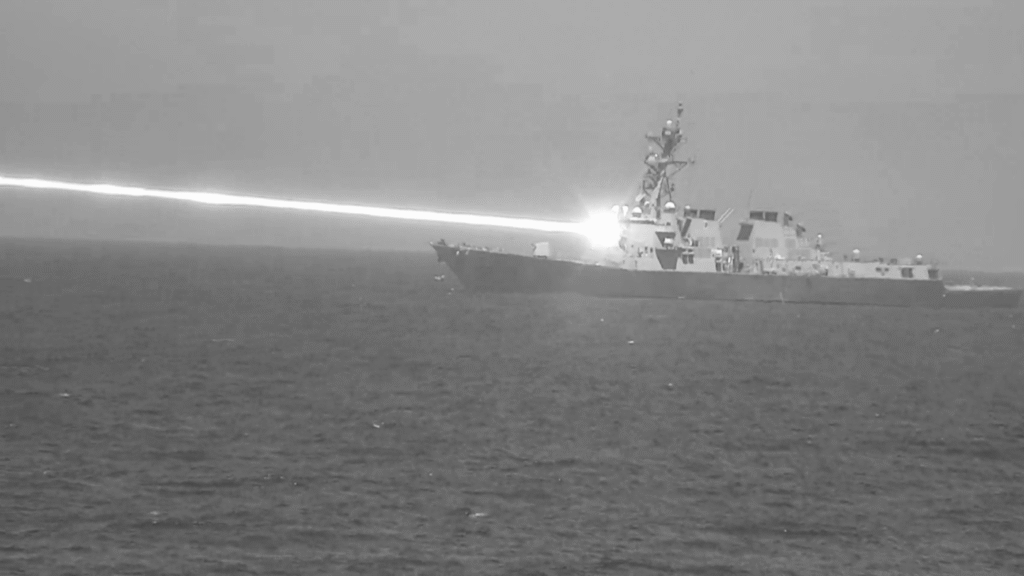
Warships also offer a more favorable starting point for laser deployment than many smaller platforms. They provide more space, more electrical power, and more room for cooling systems. Still, naval environments bring their own problems: salt air, sea spray, motion, weather, and integration with existing combat systems. A shipboard laser must function as part of a fighting vessel, not as an isolated technology demonstration.
Land-Based Lasers and the Drone Problem
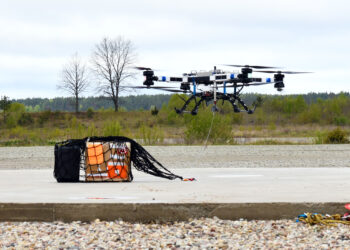
For land forces, the most urgent use case is counter-drone defense. Small drones have become persistent battlefield tools because they are cheap, adaptable, and difficult to fully suppress. They observe, correct fire, carry explosives, harass troops, and force defenders to spend time and resources on protection.
A tactical vehicle equipped with a laser offers an attractive response. It may engage targets that do not justify a missile, especially when threats are numerous and interception costs matter. The U.S. Army’s DE M-SHORAD effort reflects this need. A 50-kilowatt-class laser mounted on a Stryker vehicle points toward a future in which directed energy becomes part of short-range air defense.
The vehicle platform creates the hardest part of the problem. Space is limited. Power is limited. Cooling is limited. Dust, vibration, heat, movement, and combat stress all affect reliability. A laser that performs well in trials still has to prove that soldiers can depend on it under difficult field conditions. For land forces, ruggedness may decide the outcome as much as raw power.
DragonFire and the European Momentum
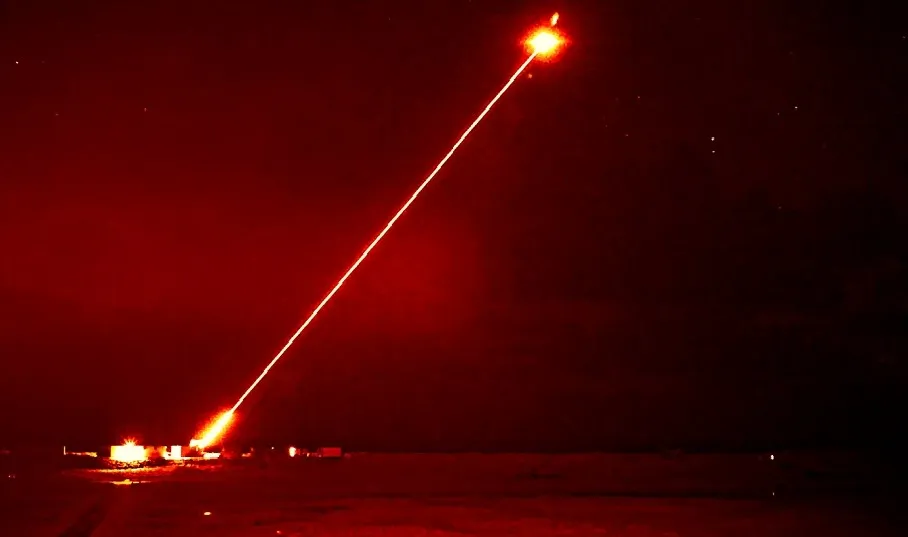
The UK’s DragonFire program has become one of the most visible European laser weapon efforts. The system has been tested against aerial targets, and the UK has accelerated plans to bring the capability into Royal Navy service. The wider motivation is clear: drones, saturation threats, and expensive interceptors are forcing navies to look for additional defensive layers.
DragonFire also shows that laser weapons are no longer only an American defense technology conversation. European planners are dealing with the same pressures: drone proliferation, missile stockpile concerns, protection of ships and bases, and the need for cheaper defensive engagements.
For a navy, directed energy does not remove the need for missiles, guns, decoys, or electronic warfare. It joins them. Some threats will still require missiles. Others may be better handled through electronic attack. Certain targets may be suitable for lasers. The future defensive picture is likely to be layered, not defined by one dramatic replacement.
The Limits That Still Matter
Serious analysis of laser weapons has to include their weaknesses. Weather and atmosphere can reduce effectiveness. Fog, rain, smoke, dust, sea spray, and turbulence may weaken or distort the beam. A missile carries its destructive mechanism toward the target. A laser must transmit energy through the air, and the air is not always cooperative.
Power and cooling remain major constraints. High-energy lasers need substantial electrical supply and generate heat that must be managed. Larger ships can support this more easily than small vehicles, but even ships have competing power demands. Tracking is just as decisive. The beam must remain on the target long enough to cause damage. Against a small drone, that may be realistic. Against a fast, maneuvering, hardened, or spinning target, the challenge becomes much greater.
Line of sight adds another limitation. Terrain, buildings, curvature, smoke, and obstacles affect engagement opportunities. Laser weapons can be excellent in selected defensive roles, but they cannot cover every angle or every threat type.
Where Laser Weapons Are Most Likely to Fit
The most realistic near-term roles are counter-drone defense, counter-small boat defense, base protection, ship self-defense, and selected rocket or mortar-type threats under suitable conditions. These missions match the strengths of directed energy: rapid engagement, low cost per shot, deep magazine potential, and precision.
Higher-end missile defense remains more difficult. It may become more realistic over time, but it will require stronger power generation, better beam control, advanced sensors, and mature integration with air and missile defense networks.

The bigger change may arrive quietly. Laser weapons may not transform warfare overnight. Instead, they may gradually alter how commanders think about defensive economics. If some targets can be engaged without spending a missile, the whole logic of repeated defense begins to shift.
A Practical Technology, Not a Miracle Weapon
Laser weapons are entering defense planning because they answer real problems. Drones are multiplying. Missile inventories are expensive. Ships and bases need more defensive depth. Commanders want fast, precise, and sustainable options for repeated engagements. Operational trust will be the real milestone. Weather, power, cooling, tracking, maintenance, and integration will decide how far these systems go. A successful test matters, but routine service is the harder achievement.
The likely future is not a battlefield where laser beams replace every missile and gun. A more realistic picture is a layered defense environment where directed energy handles certain targets efficiently while traditional weapons remain essential for others. That future is less cinematic, but much more believable.
For readers following defense technology, laser weapons deserve attention not because they are perfect, but because they are becoming practical. Their rise tells us something important about modern warfare: the next major advantage may come not only from stronger weapons, but from changing the cost, speed, and sustainability of every defensive shot.
Sources
- U.S. Government Accountability Office, “Directed Energy Weapons: DOD Should Focus on Transition Planning,” 2023.
- U.S. Government Accountability Office, “Science & Tech Spotlight: Directed Energy Weapons,” 2023.
- U.S. Government Accountability Office, “Air and Missile Defense Efforts Would Benefit from Increased Transparency,” 2025.
- U.S. Army, “Army to field laser-equipped Stryker prototypes in FY 2022,” 2021.
- U.S. Army, “US Army tests laser weapons, aiming at a future of energy-based air defense,” 2025.