
There are moments in defense technology where a concept feels less like an incremental step and more like a structural break from the past. The electromagnetic railgun sits precisely in that space. It does not refine the idea of a gun. It questions it.

For centuries, projectile weapons have relied on chemical propellants. That logic shaped everything from small arms to naval artillery. The railgun removes that foundation entirely and replaces it with electrical energy. No combustion, no expanding gases, just controlled electromagnetic force translating stored power into velocity.
That shift sounds clean on paper. In practice, it introduces a different kind of complexity. You are no longer optimizing propellant efficiency or barrel design alone. You are dealing with energy storage, current delivery, thermal stress, and material limits all at once. The system stops being just a weapon and becomes something closer to a power-intensive platform integrated into a weapon.
Understanding the Mechanism Without Oversimplifying It
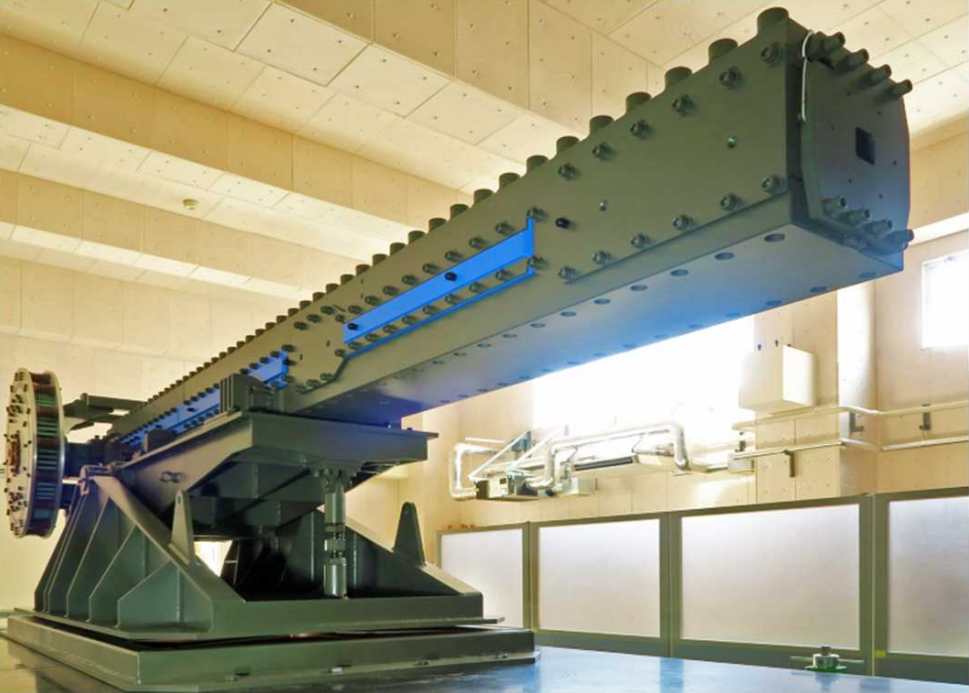
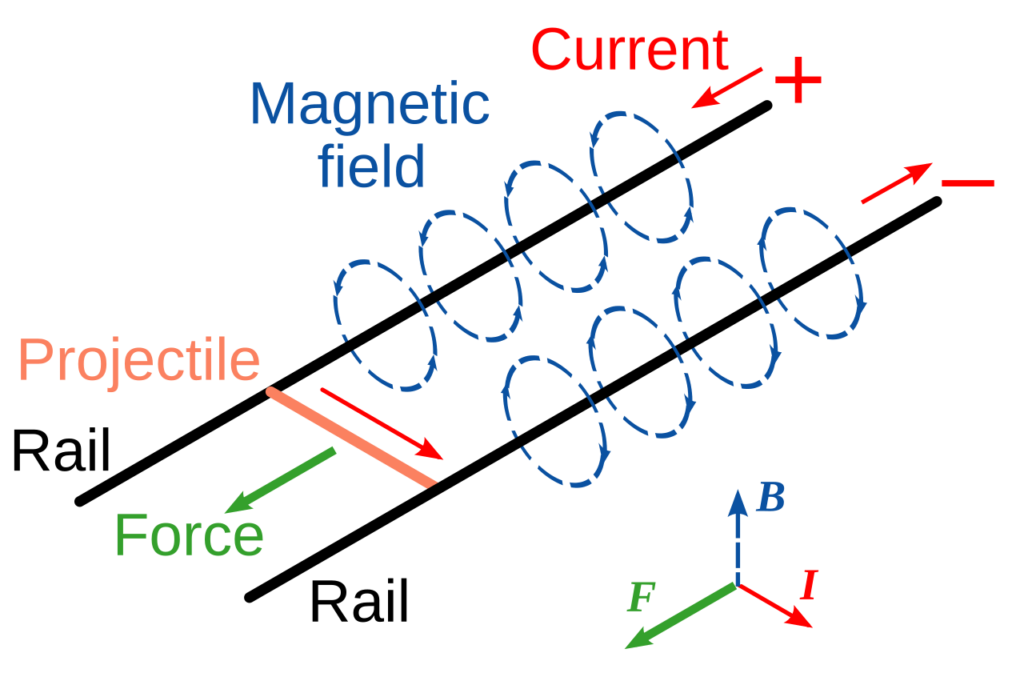
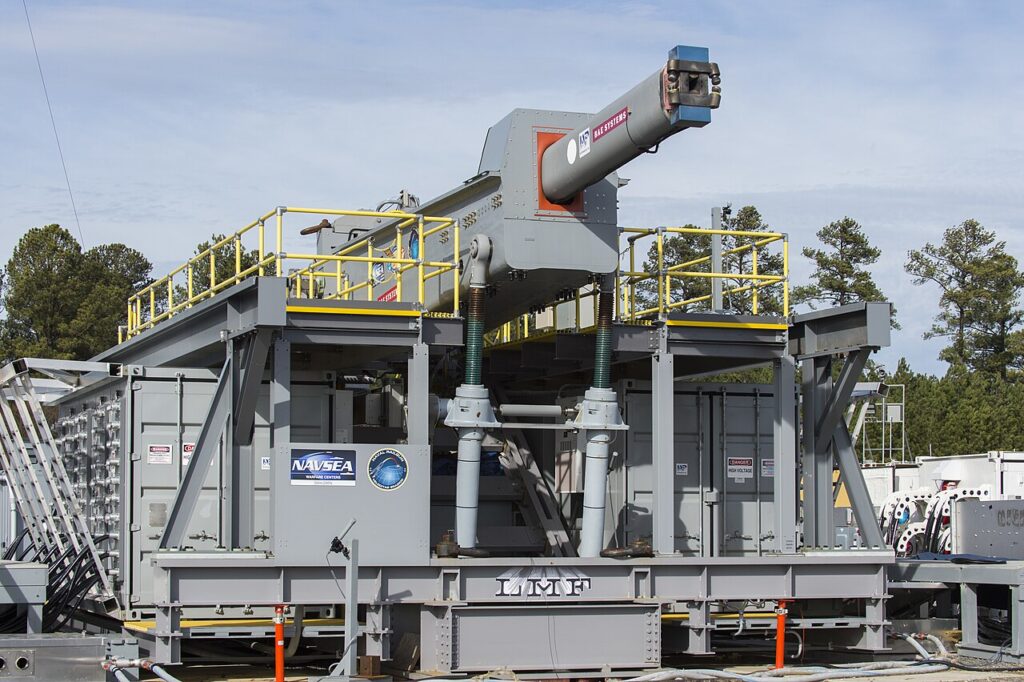
The way railguns are often described can be misleadingly simple. Two conductive rails, a movable armature, and a pulse of electricity. The current flows, a magnetic field is created, and the projectile is pushed forward at extreme speed.
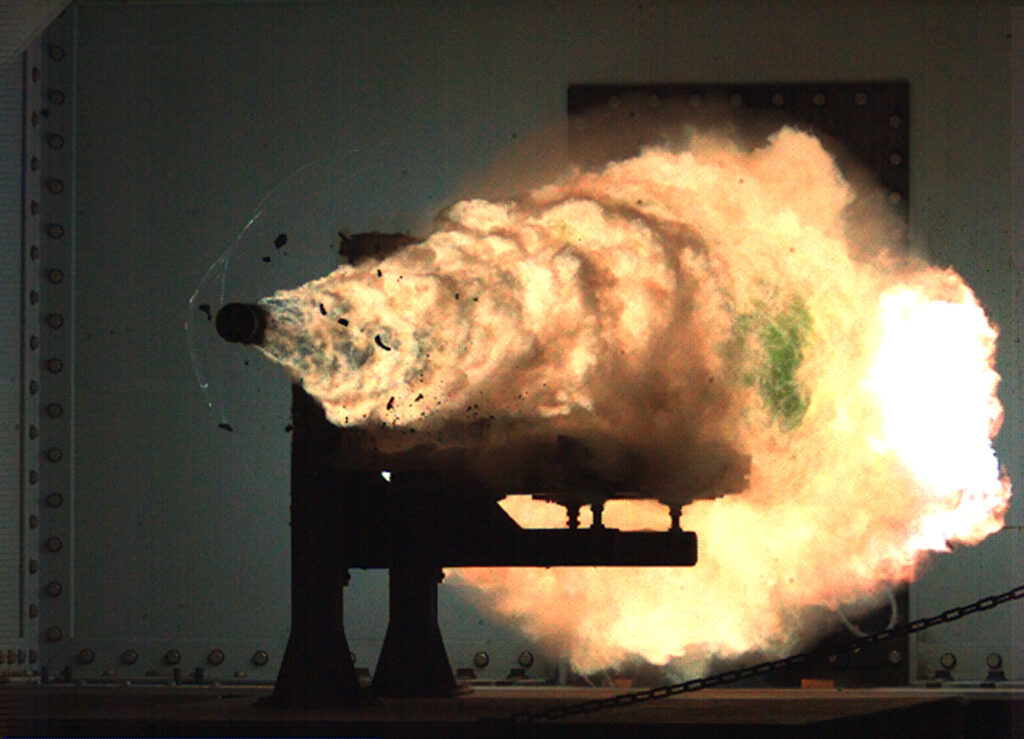
That explanation is technically correct, but it hides the scale of the process. The electrical current involved is not just high, it operates at levels that push the limits of what most systems can handle consistently. The interaction between current and magnetic field produces forces that generate both acceleration and internal stress at the same time. Velocity is where the system starts to separate itself from conventional weapons. Railgun prototypes have reached hypersonic speeds, often exceeding several kilometers per second. At that level, the projectile behaves less like a shell and more like a concentrated mass of energy in motion.
-1024x682.jpg)
And once velocity reaches that threshold, the role of explosives becomes less central. The projectile does not need to carry destructive material in the traditional sense. Its speed becomes the destructive factor.
The Shift Toward Kinetic Impact
When impact is driven by velocity instead of detonation, the entire logic of engagement begins to shift. The railgun operates on the principle that energy can be delivered more efficiently through motion than through stored chemical reactions.
A high-speed projectile transfers enormous kinetic energy upon impact. This makes it possible to achieve significant destructive effects without relying on explosive payloads. That alone changes how ammunition is designed, stored, and handled. There is also a logistical dimension to this. Without explosive rounds, storage risks are reduced and capacity can be increased within the same physical space. That matters particularly in naval environments, where safety and volume are tightly connected.
Cost becomes another factor. Compared to guided missile systems, a railgun round is conceptually simpler. If the energy infrastructure is already in place, the cost per shot has the potential to be significantly lower. In scenarios where repeated engagement is required, that difference becomes strategically relevant.
At the same time, the absence of explosives does not eliminate complexity. It shifts it. The complexity moves from the projectile to the system that launches it.
Engineering Constraints That Cannot Be Ignored
This is where the discussion moves away from theoretical advantages and into practical limitations.
Every firing cycle places stress on the rails. The combination of electrical current, friction, and heat leads to material degradation over time. Rail erosion is not a minor issue. It directly affects the lifespan of the system and its ability to maintain consistent performance.
Thermal management becomes a constant concern rather than a secondary consideration. Heat builds up rapidly during operation, and without efficient cooling, the system cannot sustain repeated use. This creates a gap between what the railgun can achieve in isolated tests and what it can deliver in continuous operational scenarios.
Power demand introduces another layer. A railgun requires significant electrical input, often stored and then released in a controlled burst. This means that the weapon is only as effective as the platform’s ability to generate and manage energy. Integration is not just a technical challenge, it is an architectural one.
There is also a balance that must be maintained between performance and durability. Higher velocities increase effectiveness, but they also accelerate wear and reduce component lifespan. That trade-off cannot be ignored, especially in systems expected to operate under sustained conditions.
Lessons from U.S. Navy Development
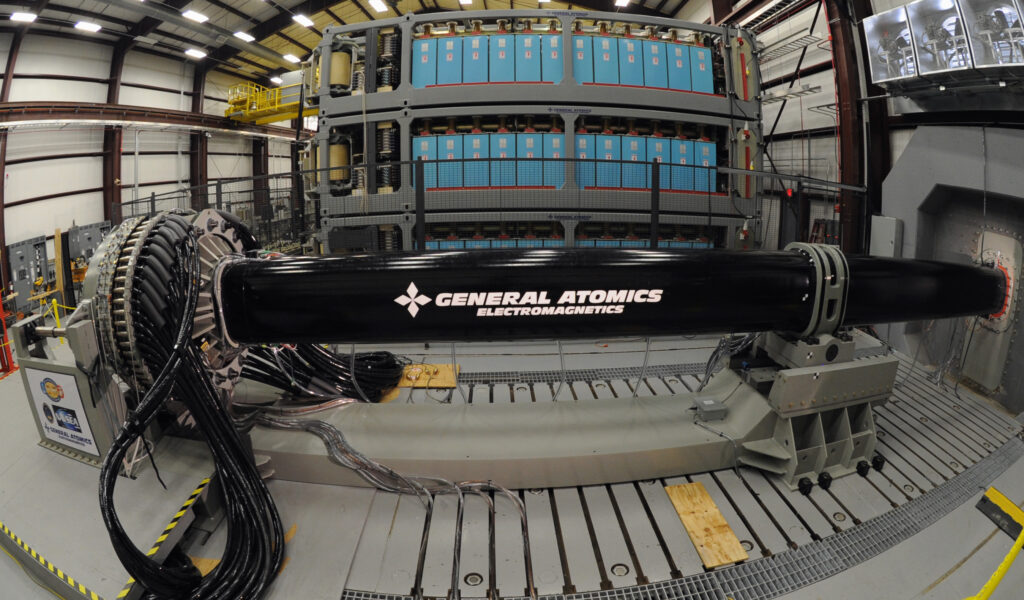
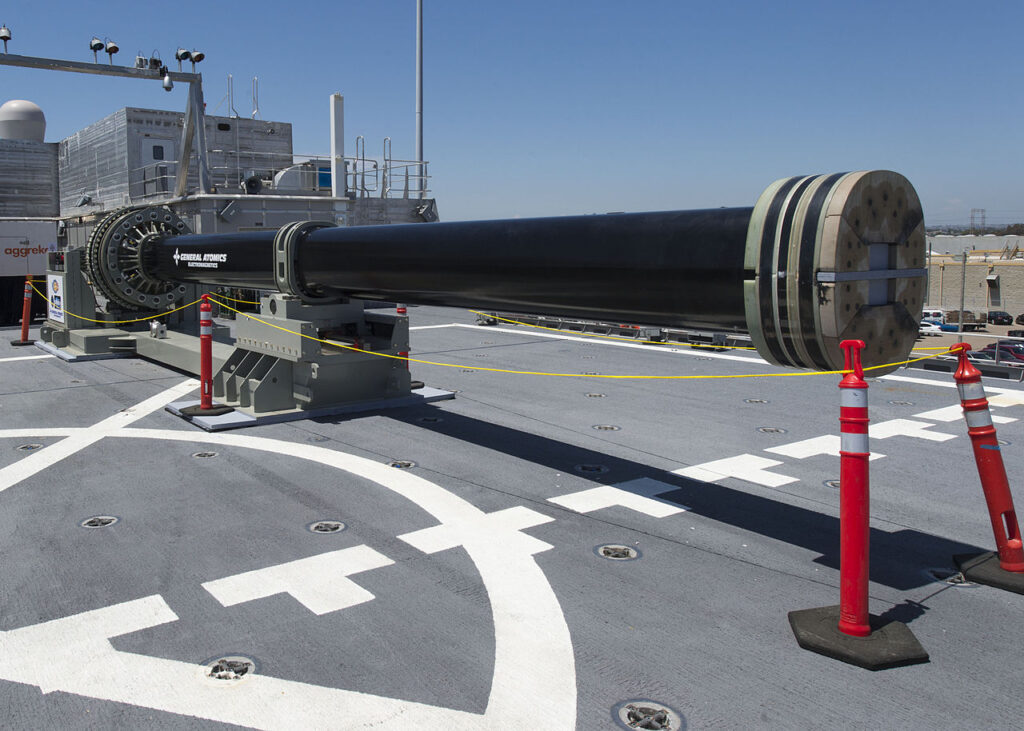
The development path of the railgun within the United States Navy offers a practical reference. For a period, the system was seen as a potential shift in naval warfare, particularly in terms of long-range engagement and cost efficiency. Initial testing confirmed that the concept was viable. Projectiles could be launched at high velocity, and the system demonstrated measurable potential. That phase created expectations that the technology could move relatively quickly toward operational deployment.
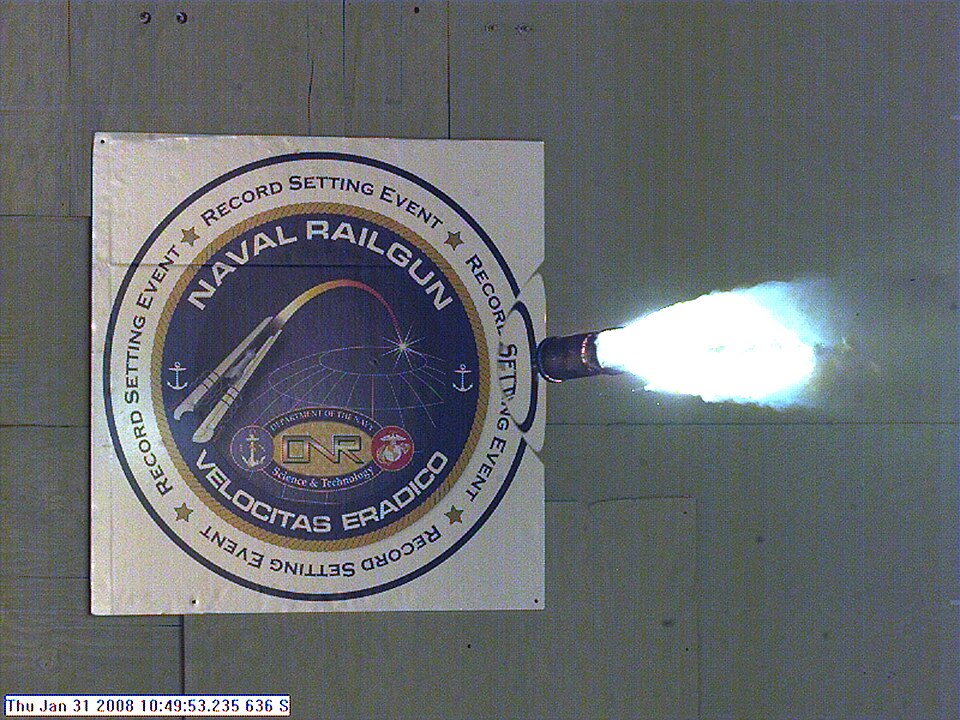
As development progressed, the challenges became more visible. Barrel wear proved to be more significant than anticipated, limiting how often the system could be used before maintenance or replacement was required. Energy demands placed pressure on existing naval power systems, requiring additional infrastructure that complicated integration.
Sustained firing capability remained a concern. While individual shots were successful, maintaining performance over repeated cycles exposed limitations that were difficult to resolve within a realistic timeframe.
Eventually, the program slowed, not because the concept lacked merit, but because the system had not reached the level of reliability required for deployment. That outcome reflects a common pattern in advanced technology development, where demonstration success does not immediately translate into operational readiness.
Ongoing Development and Strategic Interest
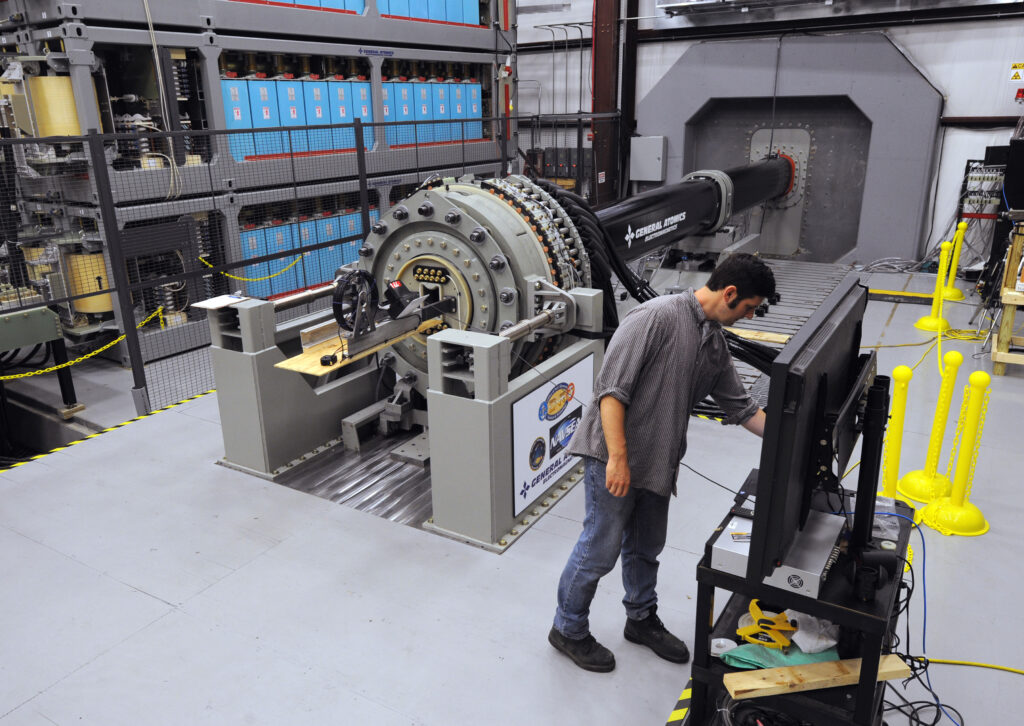
The reduced momentum in some programs does not mean that interest in railguns has disappeared. Other countries continue to explore the technology, often with different priorities and expectations.
Some focus on integrating railguns into naval platforms for specific roles, such as intercepting high-speed threats. Others examine land-based applications or experimental configurations that reduce some of the constraints seen in maritime environments. There is also a broader research direction that extends beyond direct military use. Concepts involving electromagnetic launch systems for space applications or alternative deployment mechanisms continue to appear in academic and technical discussions.
This diversification suggests that the railgun is no longer seen as a single solution, but as a set of technologies with multiple possible outcomes. That shift in perspective tends to happen when a system proves valuable in principle but difficult to implement in its original form.
A Broader Shift Toward Electrified Systems
Looking at the railgun in isolation does not fully capture its significance. The challenges it faces are closely aligned with trends that are shaping modern defense systems more broadly. Energy is becoming a central factor in system design. Directed energy weapons, advanced radar systems, and future propulsion concepts all rely on high levels of electrical power and efficient energy management.
In that environment, the railgun can be seen as part of a larger transition. It represents an attempt to convert stored electrical energy directly into operational effect. The difficulties encountered in doing so are not unique to railguns. They appear in various forms across multiple domains.
Progress in materials science, particularly in areas related to heat resistance and conductivity, has the potential to influence railgun viability. Improvements in energy storage and distribution systems could also reduce some of the current limitations.
Even if railguns do not become standard weapons in the near term, the research behind them contributes to a broader shift toward electrically driven military platforms.
Where the Technology Stands Today
The railgun occupies a position that is neither fully experimental nor fully operational. It has demonstrated capabilities that challenge existing systems, particularly in terms of velocity and kinetic impact. At the same time, it remains constrained by engineering realities that limit its deployment. This creates a situation where the technology continues to evolve without reaching widespread adoption. It is being tested, refined, and adapted, but not yet standardized.
From a strategic perspective, that makes it worth following closely. Technologies in this phase often shape future systems indirectly, even if they do not become dominant in their original form.
The key question is not whether the railgun will replace traditional weapons in the near future. It is whether the underlying technologies that support it will mature enough to make its advantages practical.
At that point, the conversation may shift from possibility to implementation. For now, the railgun remains a system that sits at the edge of what is technically achievable, pushing the boundaries while revealing where those boundaries still exist.
Sources
- U.S. Office of Naval Research publications
- Congressional Research Service reports on electromagnetic railgun programs
- IEEE Transactions on Magnetics and Plasma Science
- Center for Air Power Studies reports on emerging weapon systems