

Climate change is usually discussed in terms of rising temperatures, carbon emissions, and renewable energy. Yet behind the transition to cleaner technologies lies another issue that receives considerably less public attention: the growing strategic importance of critical minerals. Copper, lithium, nickel, cobalt, graphite, and rare earth elements are becoming increasingly important to modern economies. Their applications extend beyond renewable energy and electric vehicles to telecommunications, aerospace, electronics, and certain defense technologies.

As COP31 places climate policy under international scrutiny, an important question deserves attention: Could efforts to reduce dependence on fossil fuels create new forms of geopolitical dependence?
A Different Kind of Resource Competition
For much of the twentieth century, oil and natural gas occupied a central position in discussions about energy security. Access to these resources influenced diplomatic relations, trade agreements, and military planning. Critical minerals introduce a different set of concerns. Unlike oil, which must be continuously supplied to generate energy, minerals are generally incorporated into equipment and infrastructure. They can also be recovered through recycling. Nevertheless, building these systems requires reliable access to materials, processing facilities, and manufacturing capacity.
According to the International Energy Agency’s 2026 outlook, mineral refining remains geographically concentrated. China accounts for more than 90% of global refining supply for several materials, including gallium, graphite, manganese, and certain rare earth categories.
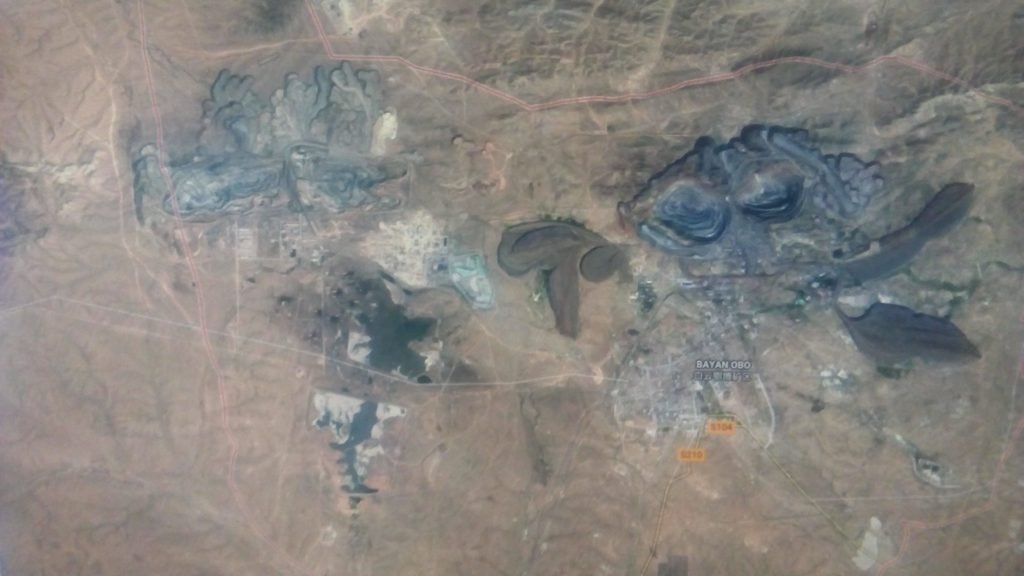
This concentration does not automatically imply political confrontation. However, it creates vulnerabilities when industrial supply chains depend heavily on a limited number of countries. A disruption in refining capacity can affect manufacturers thousands of miles away, regardless of where the original minerals were extracted.
Mining Is Only Part of the Equation
A country may possess substantial mineral reserves without controlling the industries that transform those resources into commercially usable materials. Consider the Democratic Republic of the Congo, a major cobalt producer, or Indonesia, which has expanded its position in nickel production. Their importance is undeniable, but extraction represents only one stage of a much larger industrial process. Refining, specialized equipment, technical expertise, and downstream manufacturing can be equally important.
This distinction matters because mineral security is not necessarily achieved by opening additional mines. A government seeking greater independence may discover that developing domestic processing capacity requires years of investment, specialized infrastructure, and access to technologies already concentrated elsewhere. The geography of mineral deposits and the geography of industrial power are not always the same.

Where Defense Enters the Discussion
The relationship between critical minerals and national security extends beyond energy infrastructure. Gallium and germanium have applications in advanced electronics and semiconductor technologies. Rare earth elements are used in certain permanent magnets, while tungsten and titanium remain important to several industrial and aerospace applications.
These materials are not exclusively military resources. In fact, commercial industries often account for much larger portions of demand. Nevertheless, their availability can influence defense manufacturing, maintenance, and technological development. What happens when civilian industries and defense manufacturers depend on the same limited processing capacity?
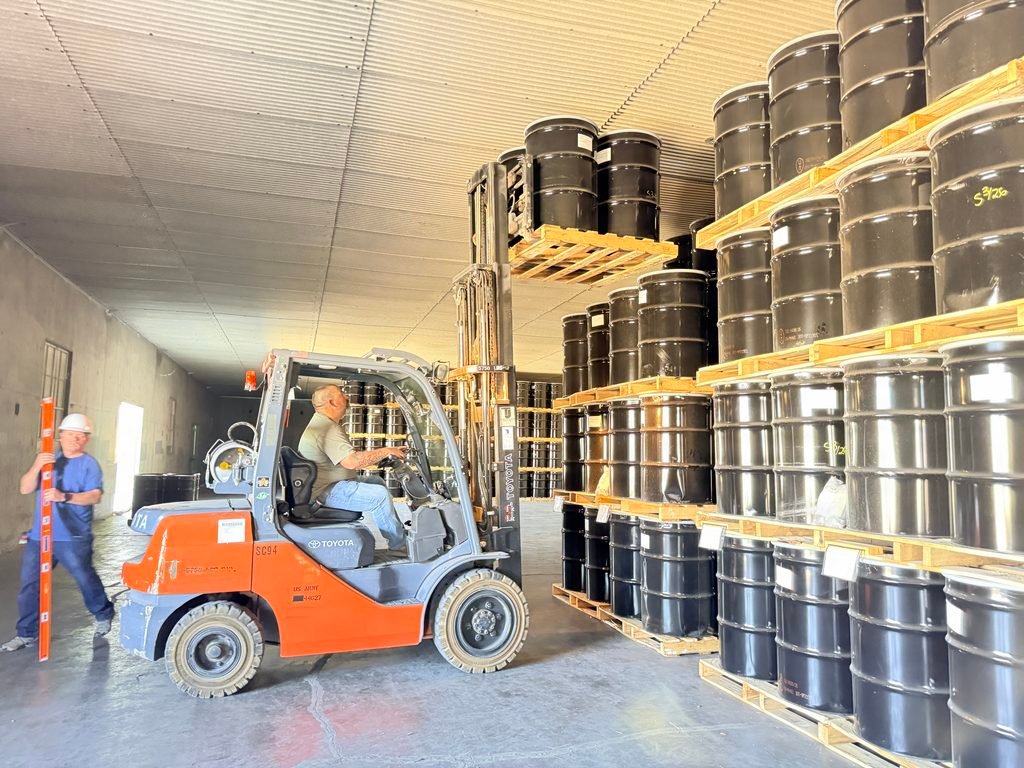
Competition does not necessarily produce shortages, but export restrictions, trade disputes, or prolonged disruptions can complicate procurement decisions. For defense planners, the concern is therefore not simply whether a material exists. It is whether suppliers can deliver the required quality and quantities under difficult political or economic conditions.
Can Countries Diversify Their Supply Chains?
Governments are already responding. The European Union’s Critical Raw Materials Act establishes 2030 benchmarks for domestic extraction, processing, recycling, and reduced dependence on individual external suppliers. However, diversification presents difficult trade-offs. New mining and refining projects face environmental assessments, infrastructure costs, financing challenges, and local opposition. These factors are particularly relevant when governments simultaneously seek to reduce environmental damage.
Recycling can reduce pressure on primary supply, but it cannot immediately replace newly mined materials, especially while demand continues expanding.
There is also a distinction between reducing excessive dependence and attempting complete self-sufficiency. The latter may be economically unrealistic for many countries. Even governments with substantial financial resources may struggle to develop every stage of a mineral supply chain domestically, making international partnerships essential.

The Security Question Behind the Energy Transition
Climate policy and national security are increasingly connected, but their objectives should not be treated as identical. Reducing emissions, protecting ecosystems, maintaining affordable energy, and securing industrial supply chains involve different priorities. Progress in one area does not guarantee progress in another. The International Renewable Energy Agency has similarly highlighted how geographically concentrated mineral supply chains can create geopolitical vulnerabilities.
COP31 provides an opportunity to consider these relationships beyond conventional environmental discussions. The more relevant question may no longer be which countries possess critical minerals, but which countries can reliably extract, process, manufacture, and trade them without creating excessive strategic dependencies. That is where the changing geography of energy security becomes a broader question of economic resilience, industrial capability, and national security.
Sources:
- International Energy Agency (IEA). (2026). Global Critical Minerals Outlook 2026.
- International Renewable Energy Agency (IRENA). (2023). Geopolitics of the Energy Transition: Critical Materials.
- International Renewable Energy Agency (IRENA). (2024). Geopolitics of the Energy Transformation: Energy Security.
- European Union. (2024). Regulation (EU) 2024/1252 — Critical Raw Materials Act.
- U.S. Geological Survey (USGS). (2026). Mineral Commodity Summaries 2026.