
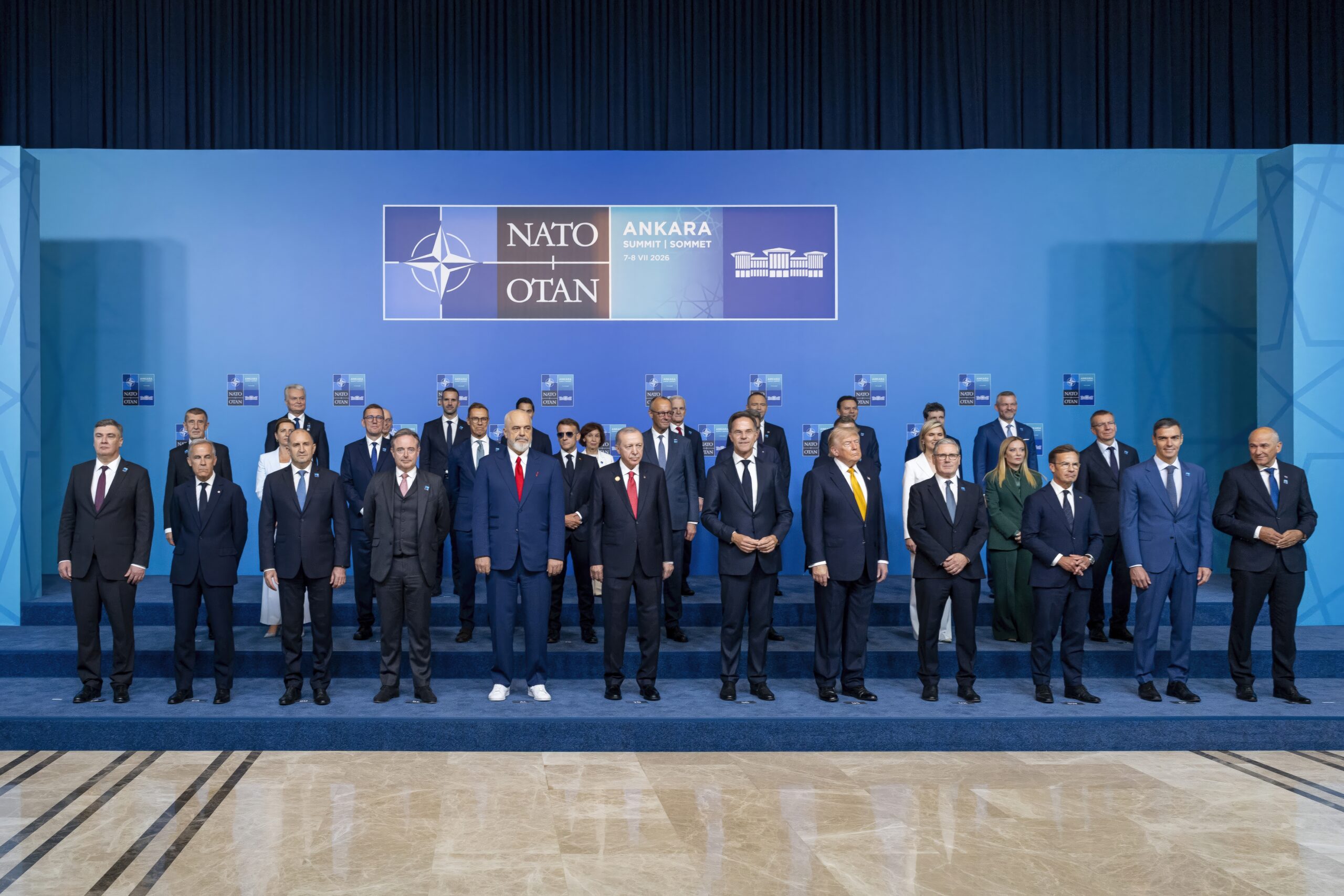
More than $50 billion in new procurement commitments were announced around the NATO Summit Defense Industry Forum in Ankara on 7 July 2026. The figure is large enough to dominate a headline, but the final value of these announcements will not be determined at a summit. It will be determined on production lines, inside maintenance facilities and through the ability of different NATO members to operate the purchased systems together.

The announcements covered airborne surveillance, maritime intelligence, strategic transport, missile production and counter-drone technologies. NATO also introduced initiatives intended to improve communication between governments and manufacturers while providing industry with a clearer understanding of future demand. The direction is understandable. Higher defense budgets mean little when factories cannot increase output, critical components arrive late or multinational systems cannot exchange information.
Large procurement figures still require careful reading because they often combine completed contracts, planned acquisitions, formal negotiations and early industrial agreements. Political commitment may begin the process, but it does not manufacture an aircraft, train an operator or deliver a missile.
One Figure, Several Different Stages
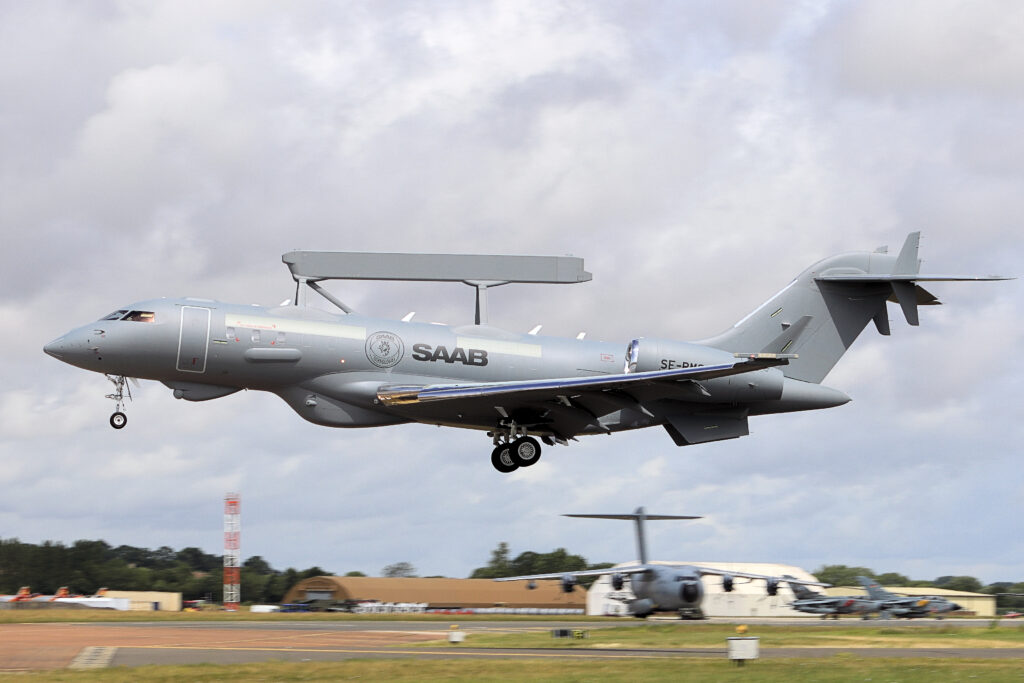
The projects presented in Ankara do not form one unified procurement package. They involve different countries, companies, timelines and levels of contractual certainty. GlobalEye offers a clear example. Eleven NATO members announced a joint procurement initiative centered on Saab’s airborne early warning and control system, while Saab separately confirmed that NATO would begin formal negotiations concerning the potential acquisition of up to ten aircraft.
At the same time, the company stated that it had not yet received an order or signed a contract connected to the announcement. Both statements can be true. NATO has selected a preferred direction for part of its future airborne surveillance capability, but negotiations must still establish technical requirements, pricing, support arrangements and delivery schedules.
This distinction is often lost when major defense announcements are reduced to one number. A platform may be politically selected before it is contractually ordered. A memorandum may establish a serious industrial ambition without guaranteeing that production will begin. A letter of intent may demonstrate commitment while leaving financing and final quantities unresolved. These early steps are necessary in major procurement programs, but they should not be presented as if every announced system has already entered production.

GlobalEye and the Future of Airborne Surveillance
NATO’s interest in GlobalEye reflects a broader requirement to modernize airborne warning and control capabilities as the Alliance prepares to replace parts of its aging E-3 fleet. The aircraft combines air, maritime and ground surveillance within a single platform, and NATO has stated that the system is intended to improve the detection and tracking of threats including cruise missiles, ballistic missiles and drone swarms.
Modern airborne surveillance involves much more than identifying aircraft on a radar screen. The platform must collect information from different domains, process it rapidly and distribute it to military units belonging to several countries. That creates a wider integration challenge involving crews, secure data links, ground infrastructure, maintenance, spare parts and software support.
National rules governing classified information can also affect how quickly data is shared during multinational operations. The potential acquisition of up to ten aircraft could strengthen NATO’s situational awareness significantly, but their operational value will depend on whether they become part of a functioning command and surveillance network rather than operating as isolated platforms.
Triton Expands the Maritime Picture
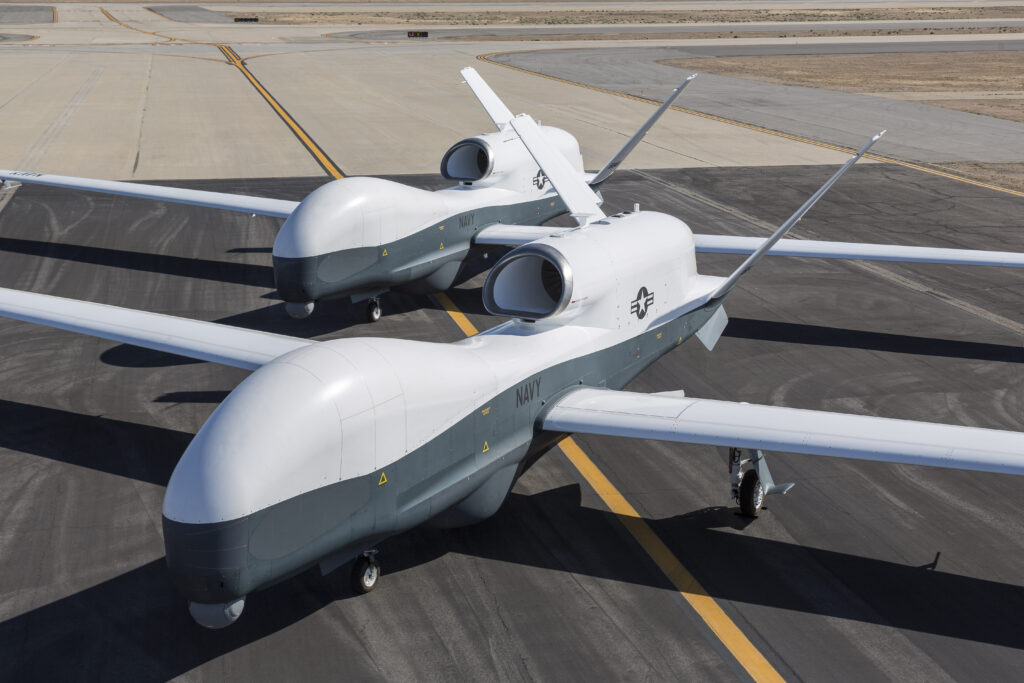
Denmark, Finland, Germany and Norway announced a procurement initiative involving up to five Northrop Grumman MQ-4C Triton aircraft to support NATO’s intelligence, surveillance and reconnaissance capability. Northrop Grumman described the development through a Letter of Intent, while NATO used stronger procurement language in its own announcement. The project is clearly moving forward, although some commercial and implementation details may still require completion.
Triton is designed for long-duration maritime surveillance at high altitude. NATO states that it can remain airborne for approximately 24 hours and operate above 15 kilometers. The aircraft is expected to complement the Alliance Ground Surveillance fleet based at Sigonella in Italy. Its value is closely connected to the growing difficulty of monitoring naval movements, shipping routes, undersea infrastructure and military activity across the Arctic and High North.
An aircraft capable of remaining over these regions for extended periods can provide a wider and more continuous operational picture, but collecting information is only the beginning. The data must be processed, interpreted and distributed quickly enough to influence military decisions. A powerful sensor becomes far less valuable when information remains trapped inside national systems or reaches commanders too late.
A transatlantic industrial structure is expected to support the program. Northrop Grumman will provide the aircraft, while Airbus Defense and Space and other European companies are expected to contribute ground systems, data management, infrastructure and mission support. The arrangement may broaden the industrial benefits of the program, but it will also require clearly defined responsibilities for software interfaces, maintenance obligations and access to technical information.
Shared Airlift Is Still an Ambition
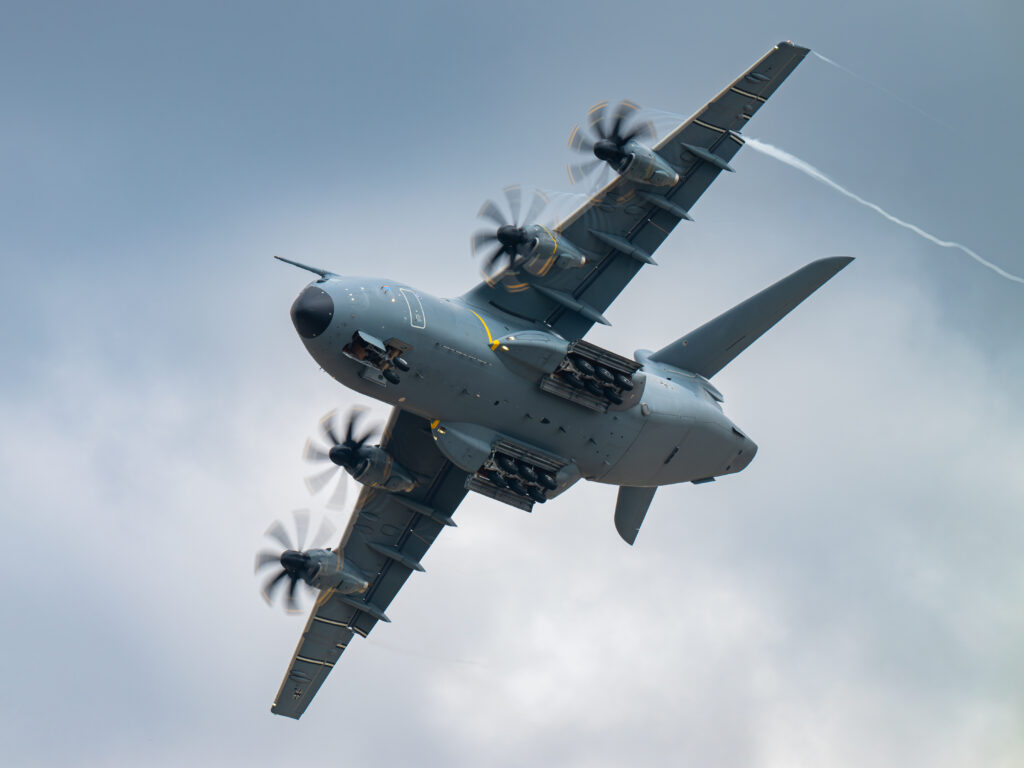
Seven NATO members launched a High Visibility Project to explore the eventual creation of a multinational Airbus A400M fleet. Belgium, Croatia, France, Poland, Spain, Türkiye and the United Kingdom are participating. The wording is important because NATO has not announced an immediately operational joint fleet. The project is intended to examine how shared ownership, financing and operation could work in the future.
A multinational A400M fleet could give participating countries access to transport capacity that some of them may struggle to finance independently. It could also improve cooperation during military deployments, humanitarian operations and emergency evacuations. However, shared aircraft create political and organizational questions that do not exist in the same form with nationally controlled fleets.
Participating governments will need to agree on how flight hours are divided, where aircraft are based, who provides crews and how maintenance costs are shared. Difficulties may arise when several countries need the same aircraft at the same time. These questions may appear administrative, but they directly affect whether the fleet will be available during a crisis.
NATO already has experience with multinational air capabilities through the Multinational MRTT Fleet. Finland joined the program as its ninth participant, and the fleet is expected to expand from nine operational A330 MRTT aircraft to twelve by 2029. That experience may help shape the future A400M arrangement, but it will not remove the need for clear agreements on access, command authority and long-term funding.
Counter-Drone Defense Receives the Largest Commitment
NATO Allies announced plans to invest more than $40 billion in counter-drone capabilities over the following five years. They also aim to train five times as many drone operators by the end of 2027. The scale of the commitment reflects how rapidly uncrewed systems have changed military operations.
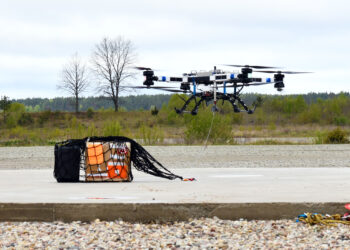
Low-cost drones can locate units, correct artillery fire, attack vehicles, damage critical infrastructure and force expensive air-defense systems to reveal their positions. The economic imbalance is becoming increasingly difficult to ignore. Using a costly interceptor against every inexpensive drone is not sustainable, especially during a prolonged conflict.
A more effective counter-drone structure will need several layers. Radar and acoustic sensors may detect incoming threats, while electronic warfare systems may disrupt navigation or communication. Conventional weapons, directed-energy systems or specialized interceptors may then be used depending on the type of drone and the surrounding environment. No single technology is likely to provide a universal answer.
NATO also intends to establish a marketplace for systems that have been tested by the Alliance and are compatible with NATO requirements. This could allow governments to identify available solutions more quickly and reduce some procurement delays. Compatibility on paper, however, does not automatically create an integrated defense network. Sensors, command systems and effectors from different manufacturers must exchange information reliably, while software must be updated as hostile drones change frequencies, navigation methods and attack tactics.
Co-Production and the ATACMS Proposal
Lockheed Martin and Rheinmetall signed a memorandum of understanding concerning the possible co-production of ATACMS in Europe. The companies intend to develop production capacity at Rheinmetall’s Unterlüß facility in Germany, and the proposal may create the first ATACMS production location outside the United States.
The industrial logic is clear. Expanding production into Europe could increase output, shorten parts of the supply chain and reduce dependence on a limited number of American facilities. It could also support NATO’s wider effort to distribute manufacturing capacity more evenly across the Alliance.
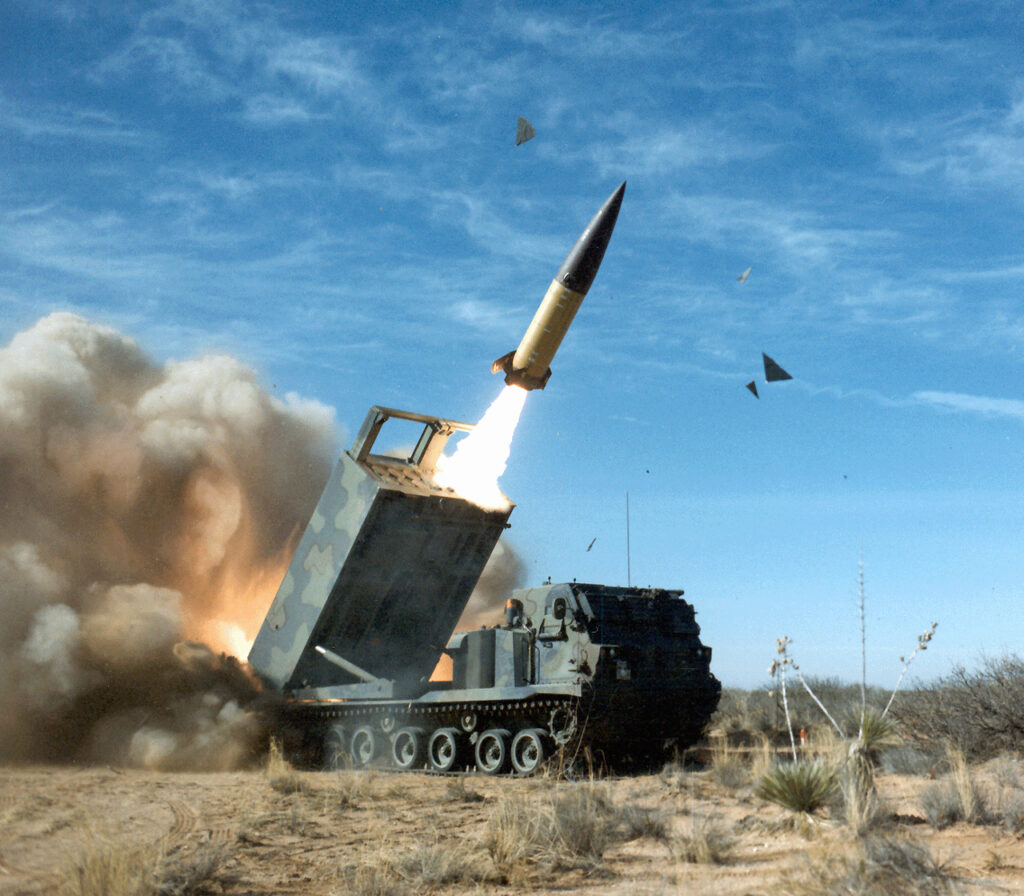
Local production should not automatically be confused with complete industrial independence. A European production line may continue to rely on American intellectual property, export approvals, controlled technical information and specialized components manufactured elsewhere. Even when final assembly takes place in Germany, critical parts may still come from the United States or another supplier.
The resilience of the arrangement will therefore depend on how much of the supply chain can function locally during a prolonged crisis. Final assembly is the most visible stage of production, but the deeper supply chain is often where the real limitations appear.
Money Can Move Faster Than Manufacturing
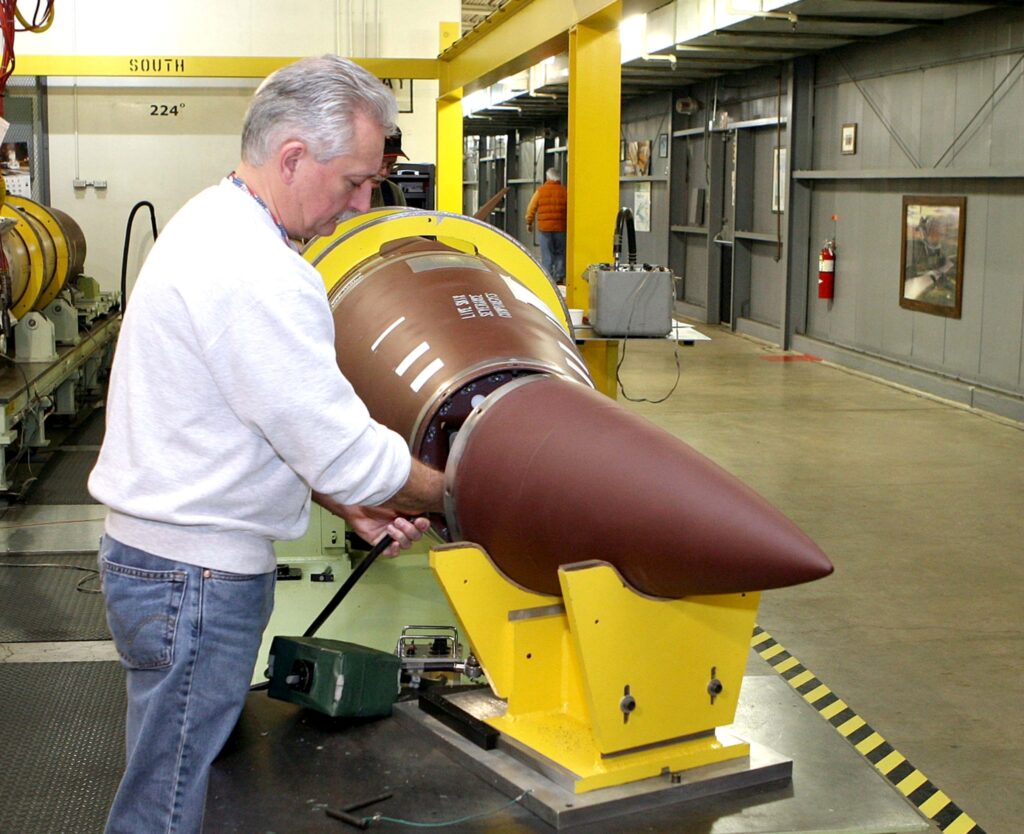
Governments can approve larger budgets within months, but industrial capacity usually requires years to expand. New production lines need specialized machinery, qualified workers, testing infrastructure, raw materials and dependable suppliers. Missile motors, seekers, explosives, microelectronics and advanced sensors cannot be produced in unlimited quantities simply because additional funding becomes available.
Manufacturers must also determine whether current demand will remain strong enough to justify major investment. Building a new factory is expensive, and recruiting and training skilled employees takes time. A company may hesitate to expand if it believes government orders will decline once the immediate political pressure has passed.
Long-term procurement planning is therefore as important as large annual spending announcements. Industry needs visibility. Manufacturers must understand whether governments will continue purchasing systems after the first wave of urgent orders has been completed.
NATO’s Front Door for Industry and its first public, unclassified demand signal are intended to address part of this problem. Companies should gain a clearer view of future capability requirements and a simpler route toward procurement opportunities. The initiative may improve communication between NATO and the private sector, but its practical value will depend on whether it actually reduces delays and gives smaller suppliers meaningful access.
Buying Systems Does Not Automatically Build One Force
Large procurement programs can strengthen NATO, but they can also create new coordination problems. Every country has its own military requirements, domestic industries, political priorities and acquisition procedures. Joint procurement can reduce duplication, although negotiations may become more difficult when each participant requests different specifications.
Interoperability is often described as a technical requirement, but the organizational side is equally important. Aircraft, drones, satellites and missile systems must exchange information securely. Personnel must operate under compatible procedures. Spare parts must move across borders, maintenance responsibilities must be clear and national restrictions on data sharing must not prevent different systems from functioning together during a crisis.
Shared fleets introduce further complications because ownership and operational control may be divided between several governments. A platform can be technically advanced and still remain unavailable because participating countries cannot agree on its use.
The Ankara announcements demonstrate political willingness to acquire new capabilities. The more difficult task is creating a force in which those capabilities can communicate, deploy and remain operational together.
The Announcements Are the Beginning of the Test
Ankara showed that NATO governments are prepared to increase procurement, explore multinational capabilities and support a broader transatlantic industrial base. The programs address real capability gaps. Airborne surveillance needs modernization, maritime activity requires persistent monitoring, strategic transport remains essential and counter-drone defense can no longer be treated as a secondary issue.
Large financial commitments can create momentum, but they are not proof of completed military capability. Negotiations may change quantities and delivery schedules. Memoranda may require years before becoming production contracts. Shared fleets may face disagreements over funding, access and command authority, while new factories may continue to depend on components produced elsewhere.
The difficult work begins after the summit. It will take place inside factories, procurement agencies, training centers, maintenance facilities and multinational command structures. More spending can accelerate the process, but only sustainable production, effective integration and reliable long-term support can turn these announcements into military readiness.
Sources:
- NATO, “The Ankara Summit Declaration,” 8 July 2026.
- NATO, “Tens of Billions in New Procurements Revealed at the NATO Summit Defence Industry Forum in Ankara,” 7 July 2026.
- NATO, “NATO’s New Airborne Warning and Control System Is Announced,” 7 July 2026.
- Saab, “NATO Selects Saab’s GlobalEye,” 7 July 2026.
- NATO, “NATO Expands Its Intelligence, Surveillance and Reconnaissance Fleet with the Purchase of Triton Aircraft,” 7 July 2026.
- Northrop Grumman, “NATO Signals Intent to Expand Maritime ISR Capability with Northrop Grumman’s MQ-4C Triton,” 7 July 2026.