
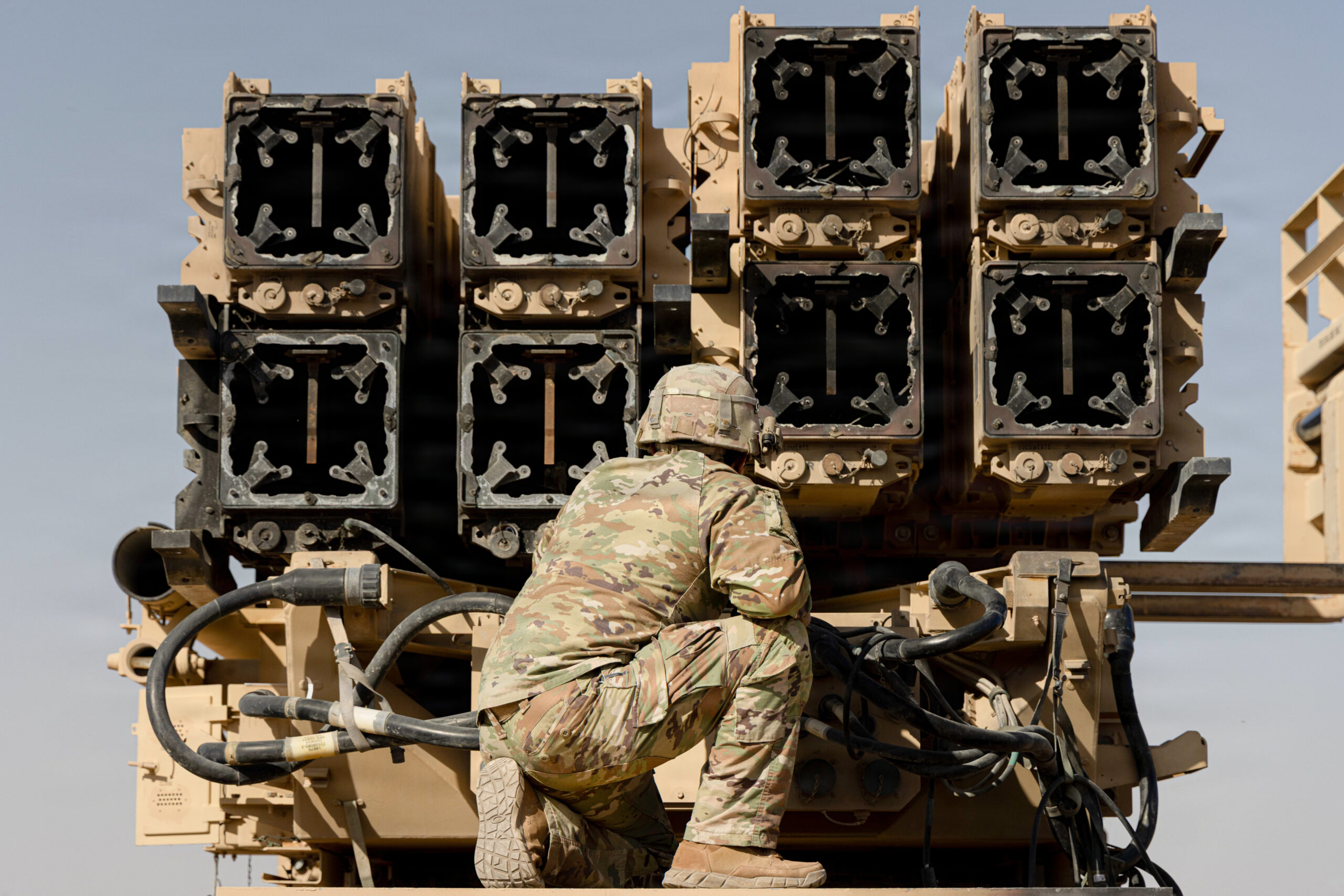
Patriot is often discussed as a missile defense system, yet its real importance today reaches far beyond the launcher, radar and interceptor. In the current security environment, air defense has become one of the clearest indicators of how states understand risk, alliance politics and strategic dependency. A Patriot deployment can protect a city, an air base or an energy facility, but it can also send a message about political commitment.

Across Europe, the Middle East and the Gulf, the same system carries different meanings. For some countries, Patriot represents reassurance from the United States. For others, it is a sign of vulnerability, because the system depends on foreign supply chains, export approvals and long-term sustainment. Looking at Patriot only as a weapons platform misses this wider picture.
Modern warfare has made air defense more visible because the threat itself has changed. Ballistic missiles, cruise missiles and one-way attack drones can pressure states without a traditional ground invasion. Airports, ports, refineries, command centres and power networks can all become targets. In this environment, the ability to intercept incoming threats is not just a military issue. It is connected to economic stability, public confidence and political survival.
Air Defense Is No Longer a Secondary Layer
During the decades after the Cold War, many Western defense planners focused heavily on expeditionary operations, counterinsurgency and air superiority. Air defense remained important, but it was often not treated as the central question of national resilience. Recent conflicts have challenged that assumption.
Russia’s war against Ukraine made this shift visible, but the lesson is not limited to Ukraine. Missile and drone threats are also central to Gulf security, Red Sea instability, tensions around Iran and NATO’s eastern flank. A country may have capable aircraft and modern ground forces, but if its critical infrastructure remains exposed, its deterrence posture becomes incomplete.

Patriot sits inside this wider transformation. Its value comes not only from interception capability, but from the fact that it protects high-value targets against threats that can shape the political direction of a crisis. When a capital city, air base or energy hub is defended by Patriot, the deployment itself becomes part of the strategic conversation.
Scarcity Is Now Part of the Story
A serious discussion of Patriot cannot avoid production capacity. Public debates often focus on how many batteries a country has, but the deeper question is how many interceptors it can fire, replace and sustain over time.
Recent data shows why this matters. Lockheed Martin said it delivered more than 500 PAC-3 MSE missiles in 2024, a record level and more than 30 percent higher than the previous year. In 2026, Reuters reported that Lockheed had secured a seven-year agreement with the US Department of Defense to raise PAC-3 missile production from around 600 units annually to 2,000 units per year. This is a major ramp-up, but it also reveals the scale of the problem.
Demand has grown faster than the old industrial model was designed to handle. Ukraine needs interceptors for survival. European NATO members need them for deterrence. Gulf states need them to protect infrastructure and bases. The United States also needs to preserve its own readiness. All of these requirements compete for limited production capacity.
Because of this, the interceptor has become almost as politically important as the system itself. A launcher without enough missiles is a symbol with limited endurance. In a long crisis, stockpiles decide how long a state can keep defending critical targets.
Europe’s Dilemma: Protection and Dependence
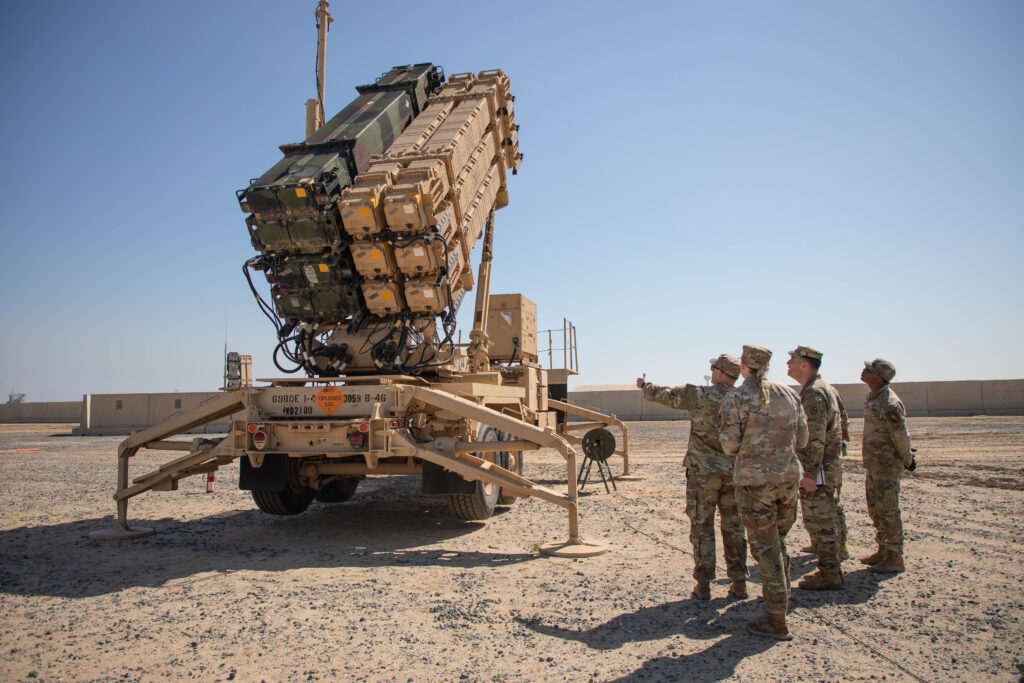
Europe is trying to rebuild its air and missile defense architecture while facing a difficult balance. On one hand, Patriot remains one of the most important systems available for high-end missile defense. On the other hand, relying too heavily on US-made interceptors exposes Europe to supply constraints and political prioritisation from Washington.
NATO’s European Sky Shield Initiative reflects this urgency. The initiative aims to improve European air and missile defense through multinational procurement and better integration. The logic is understandable: no single European state can solve the problem alone, and fragmented national procurement slows everything down.
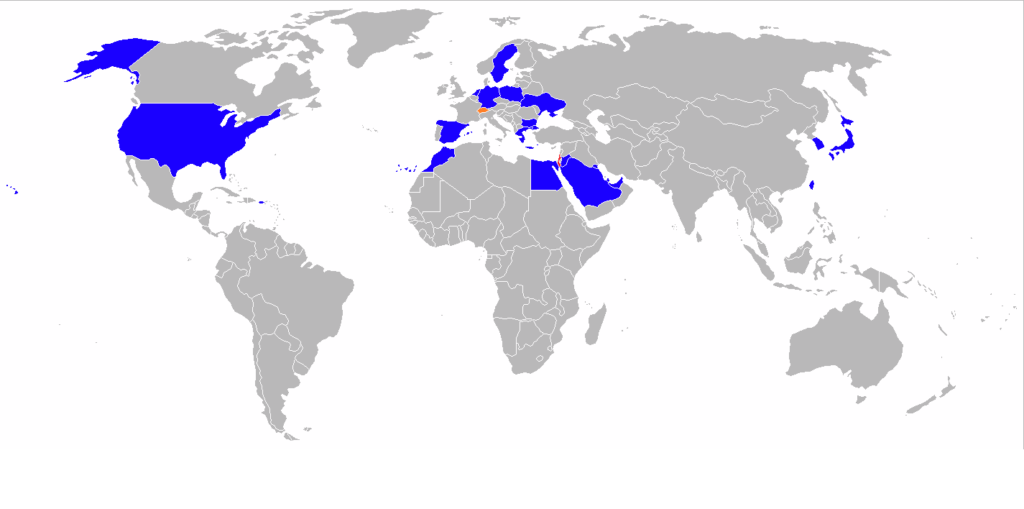
Even so, Europe’s answer cannot be only “buy more Patriot.” Effective air defense needs layers. Patriot may be suitable for high-value threats, but it should not be the default answer for every drone or lower-cost munition. Medium-range systems, short-range systems, counter-drone tools, hardened infrastructure, dispersal and electronic warfare all need to fit into the same defensive architecture.
Analysts at CSIS warned in March 2026 that Europe faces a serious air defense munitions problem and should rapidly expand missile production. IISS has also pointed to slow progress in European integrated air and missile defense. These warnings matter because they show that the problem is not only technical. It is industrial and political.
Gulf Security Gives Patriot Another Meaning
In the Gulf, Patriot is closely linked to energy security. Refineries, export terminals, ports, desalination plants and military bases are not just local assets. They are connected to global energy flows and international market stability.
Saudi Arabia’s 2026 request for 730 PAC-3 MSE missiles and related equipment, with an estimated cost of $9 billion, shows the scale of the requirement. The US Defense Security Cooperation Agency framed the sale as supporting the foreign policy and national security objectives of the United States by improving the security of a Major Non-NATO Ally in the Gulf.
That wording is important. It shows that Patriot is not sold only as hardware. It is sold as part of a strategic relationship. The buyer gains a powerful defensive capability, while the supplier maintains influence through training, sustainment, upgrades and future missile deliveries.
Patriot as Alliance Language
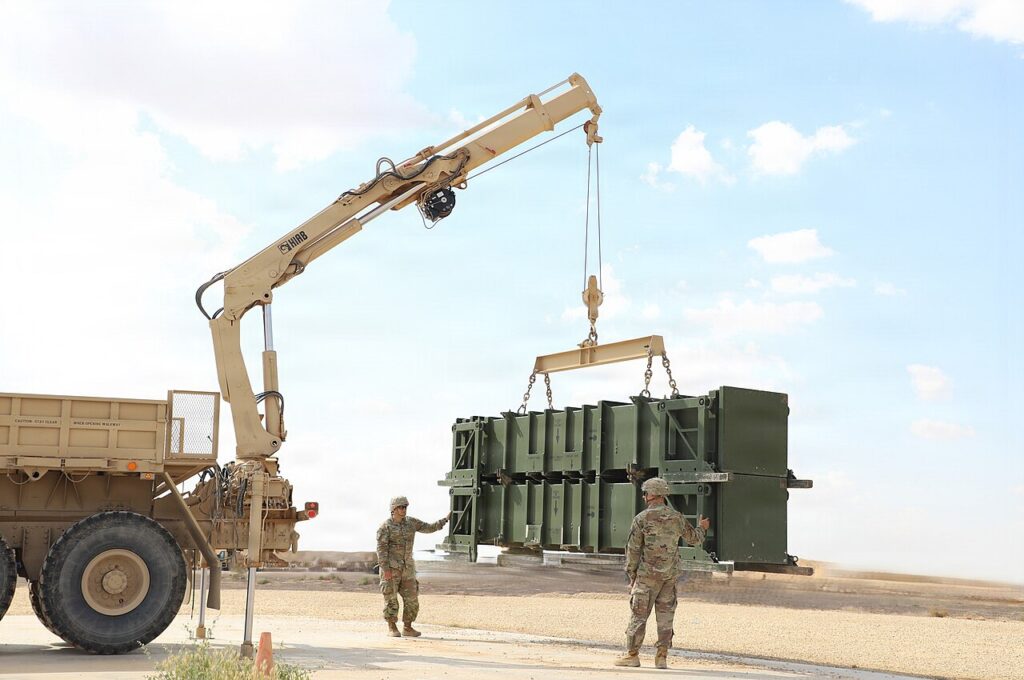
One of Patriot’s most important roles is communicative. A deployment can reassure an ally without firing a shot. It can show that a country is inside a protective political framework. It can also warn an adversary that certain targets are not undefended.
This does not mean Patriot should be treated as a perfect shield. No air defense system offers total protection. Saturation attacks, mixed salvos, decoys, drones and ballistic missiles can all create pressure. The stronger argument is not that Patriot makes a country invulnerable. Rather, it raises the cost of attack and reduces the opponent’s confidence.
For NATO, this matters because credibility is practical. An alliance promise becomes more believable when it is backed by deployed systems, trained crews and available ammunition. Words alone do not intercept missiles.
Industrial Capacity Is Strategic Power
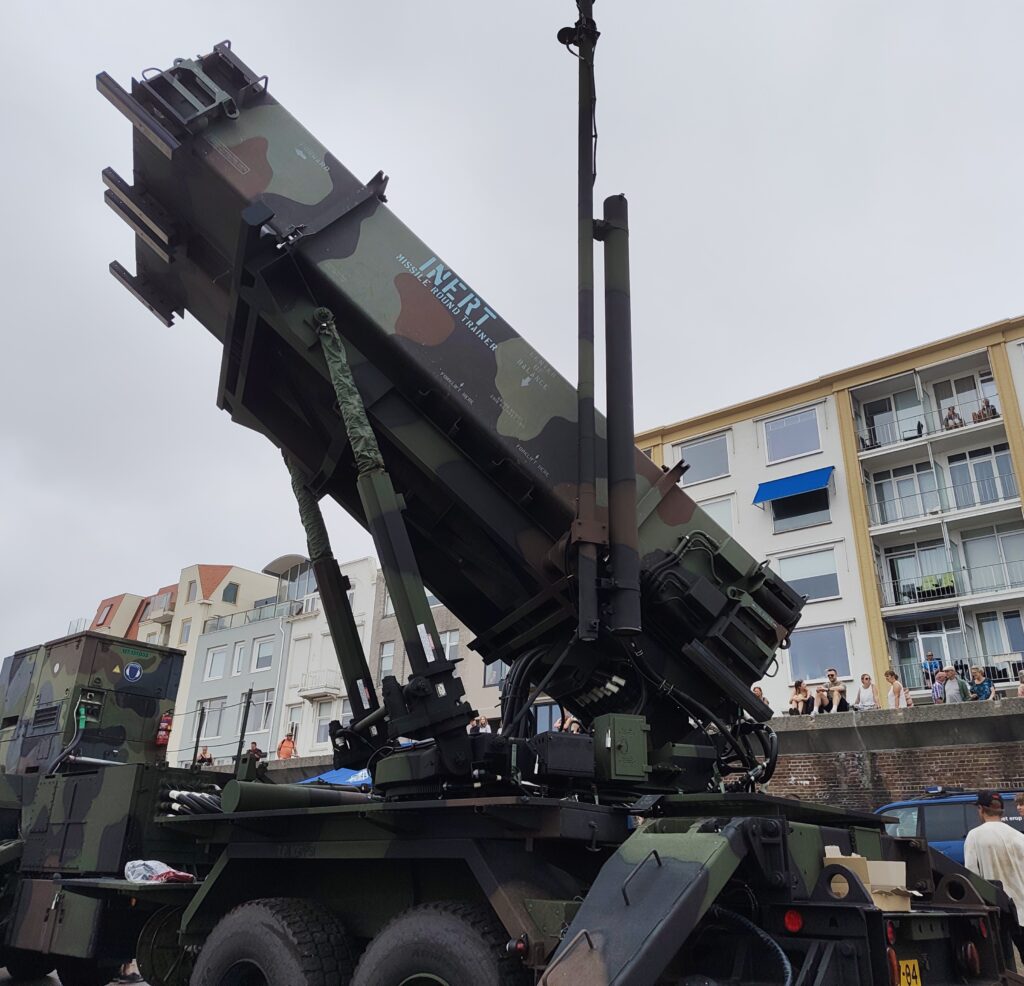
A major lesson from the current air defense debate is that production lines are now part of deterrence. States that can manufacture interceptors quickly have more strategic freedom. States that cannot must wait, negotiate or depend on allies.
Lockheed’s production expansion and RTX Raytheon’s Patriot-related contracts show how defense industry has moved back into the centre of geopolitics. RTX announced in April 2026 a $3.7 billion contract to deliver GEM-T interceptors for Ukraine. The same month, the Netherlands awarded Raytheon a $627 million contract for Patriot air and missile defense equipment.
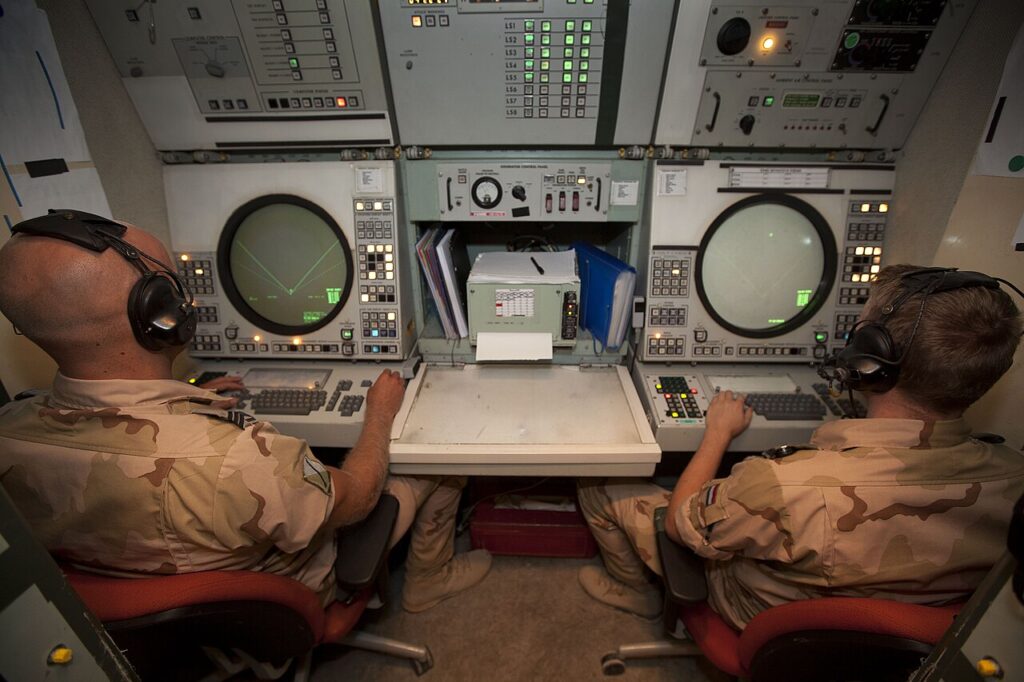
Numbers like these should not be read only as procurement news. They show where governments believe future risk will come from. Air defense is becoming one of the clearest spending priorities across allied defense planning.
What Patriot Reveals About the New Security Environment
Seen from a distance, Patriot tells us more about the world than about one system. It shows that missile defense is no longer a niche capability. It shows that industrial depth matters as much as technological sophistication. It also shows that strategic dependency can be both useful and uncomfortable.
A country using Patriot gains access to one of the most established air and missile defense systems in the world. But it also enters a long relationship with the United States and its defense industrial base. That relationship may provide reassurance, but it can also limit autonomy during a crisis when many allies are asking for the same missiles at the same time.
For readers following defense and geopolitics, this is the key point: Patriot is not just about intercepting missiles. It is about who gets protected first, who controls the supply chain, who has enough ammunition for a long war and who can turn industrial capacity into political influence.
Air defense has become a language of modern power. Patriot is one of its most recognisable words, but the real message is written in stockpiles, production lines, alliances and geography.
Sources:
- NATO, “14 NATO Allies and Finland agree to boost European air defense capabilities,”.
- Reuters, “Lockheed Martin awarded PAC-3 MSE missile interceptor production contract,”.
- Reuters, “Lockheed sets profit-sharing deal with US, outlook boosted by geopolitical demand,”.
- Lockheed Martin, “PAC-3 MSE Achieves Record Production Year,”.
- RTX Raytheon, “Raytheon to deliver Patriot interceptors to Ukraine,”.
- RTX Raytheon, “The Netherlands awards Raytheon a $627 million contract for Patriot air and missile defense equipment.