
Written by Jung Hoon Kim.

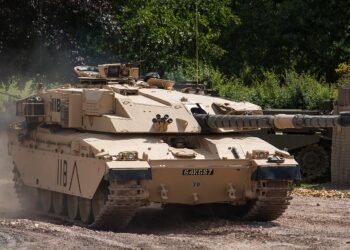
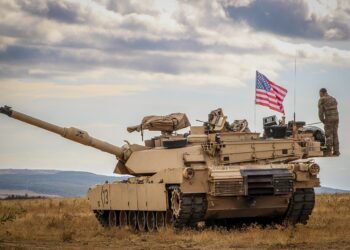
In analyzing one country’s relationship with others, looking into its military inventory could provide some insight. If one country has newly built M1A2 SEPv3 Abrams which has been made in United states, it means that the country may have good foreign relationship with United states at the moment. If one country has old M113 armored personnel vehicle in its armored fleet, this could mean that the country at least maintained moderate relationship with United states during Cold War era. By utilizing same method, we could say that most countries using Soviet era built BMP or BTR armored vehicle might have some supportive relation with Soviet Union or Russia. Apparently, assets in one’s military inventory could tell which nation is its friend (can offer partial insight into past or present relationships, though not always reflecting current alignment).
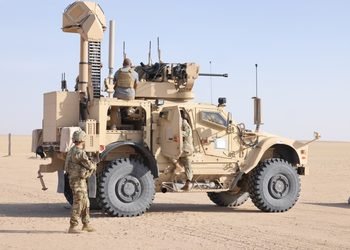
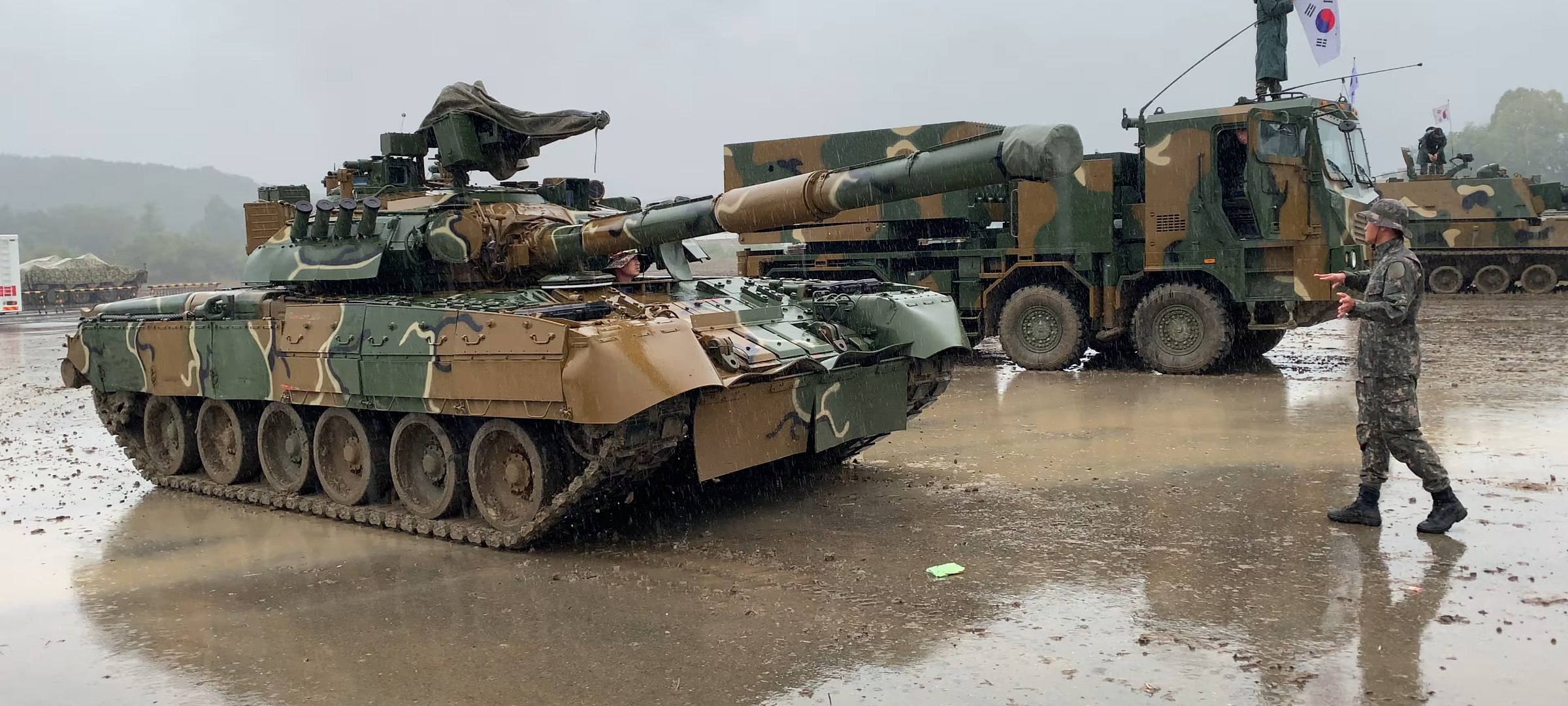
However, there are some countries which can not be explained with this inventory – foreign relationship analysis method. Republic of Korea is good example. Its inventory has military assets from both of United states and Russia at the same time. Although its army use Russian made T-80 main battle tanks, BMP-3 and BTR-80 armored vehicles, Ka-32 helicopters, 9K115 Metis M anti tank guided missiles and Igla surface to air missiles, it use United States-made AH-64 Apache attack helicopters and high tech fighter jet such as F-35s simultaneously. Of course, it could be said that Iran also have such inventory, as the republic transformed its center of foreign policy direction from Western to Eastern, which made Iran’s inventory to be filled with Soviet made items such as T-72, BMPs. However, Republic of Korea has not made big switch like Iran. After Korean war in 1950, Korean government has maintained positive relationship with United states continuously. There has not been any big turbulence that changed its main ideology and foreign policy directions. Then the question arose. How Korean government added Russian made assets into its inventory?
Brown Bear Project : Korea – Russia military cooperation
To understand such mixed-origin inventory, we must understand relationship with Korea and Russia during 1980s. In 1980s, Soviet Union was making big change in foreign policy. In the year of 1985, Mikhail Gorbachev, the leader of the Soviet Union, commenced reform and diversification of its foreign policy, with establishing diplomatic relations with some of Western countries. At that time, Republic of Korea, once the very ideologic front line, started its move to make Soviet Union into a more cooperative partner. After multiple activities to build up relation such as Soviet’s participation at Seoul Olympic and conference, meeting with government to government, big opportunity arose at the early of 1990s. At that time, Soviet union suffered lack of foreign exchange reserves. Actions speak louder than words. To make Soviet union as friendly country, Korean government provide loan to the union with about 1.4 billion USD in 1991. However, as Soviet union collapsed in 1991, Russian government, which succeeded Soviet union, needed alternative method to repay its loan to Korean governments since most of economic investment has to be allocated into internal industrial restructuring and stabilization.
Several alternatives had been exchanged each other. At first, Korean government requested Russian minerals since Korean peninsula always suffer from lack of natural resource. However, it was rejected. So, second proposal as alternative for repayment of loan was Russian made military assets, and Russian government accepted it. After this process, so called ‘Brown Bear project’ had been initiated.
Brown Bear Project : What has been transferred?
First Brown Bear project
The first phase of Brown Bear project had been fulfilled from 1995 to 1998. The main objective is to repay 0.2 billion USD from total 1.4 billion USD loan. Russian government exported various Russian built military assets as below:
- T-80U main battle tank : 33 units
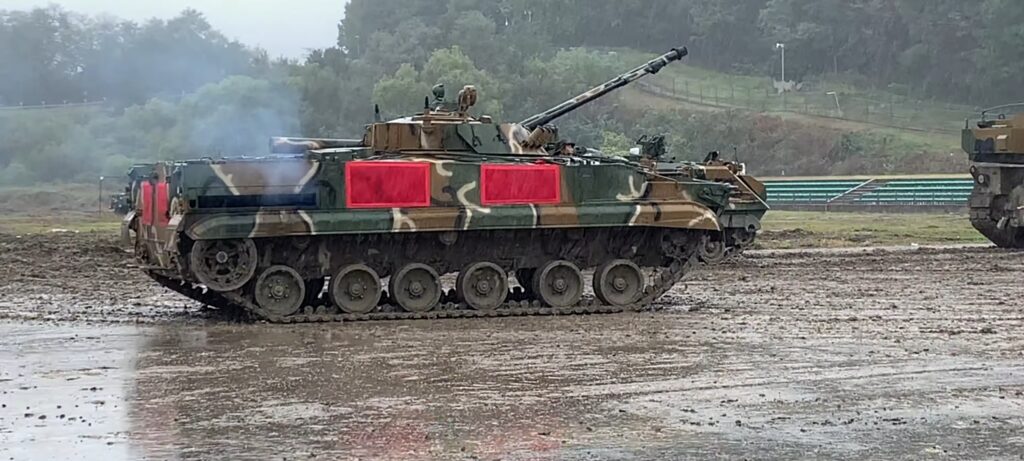
- BMP-3 Infantry fighting vehicles : 33 units
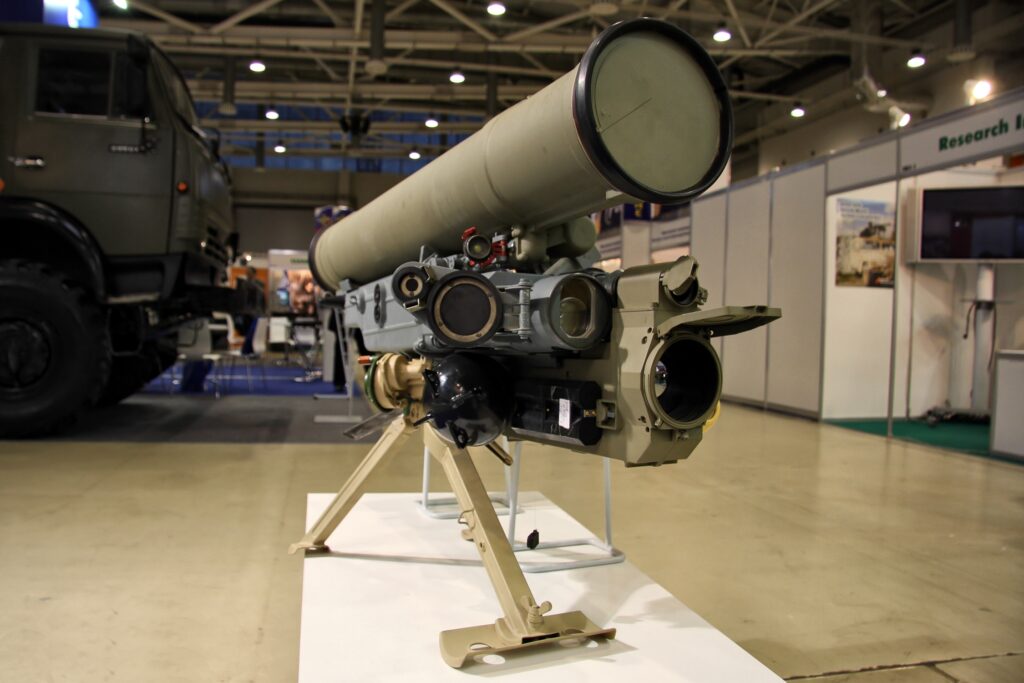
- Metis-M Anti tank guided missiles : (launcher) 70 units, (missiles) 1,250 units
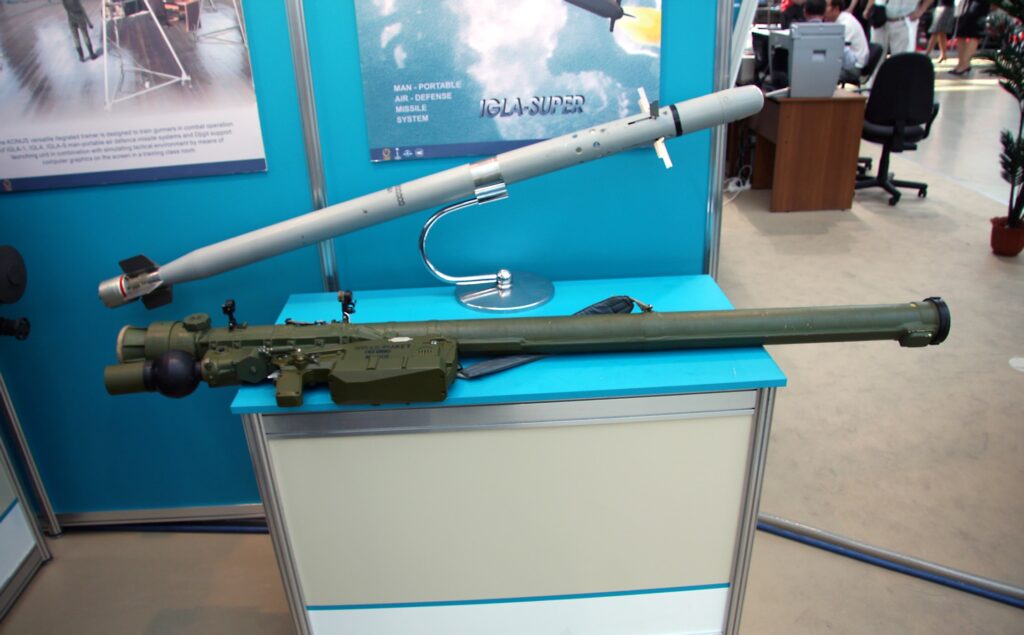
- Igla man portable surface to air missile : (launcher) 50 units, (missiles) 700 units
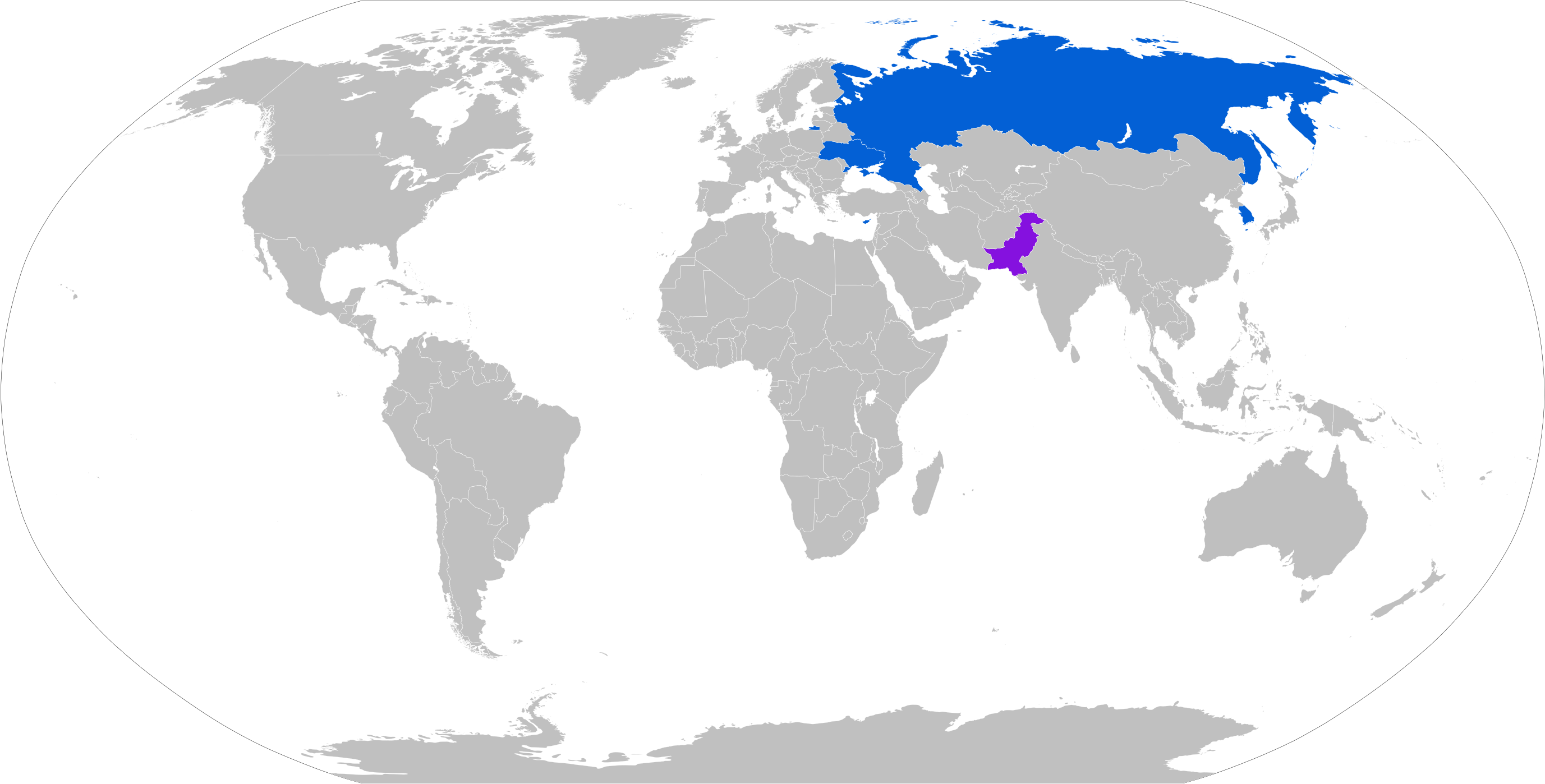
- T-80U (blue)
- T-80UD (purple)
Second Brown Bear project
The second phase had conducted from 2002 to 2006. At this time, project’s purpose is to repay 0.5 billion USD dollar from total 1.4 billion USD loan. The main difference between phase 1 is, Russian government repay its loan with half cash and half military assets. Russian government provided assets as below:
- T-80U main battle tank : 2 units
- BMP-3 Infantry fighting Vehicle : 37 units
- Metis-M Anti tank guided missiles : (launcher) 156 units, (missiles) 11,500 units
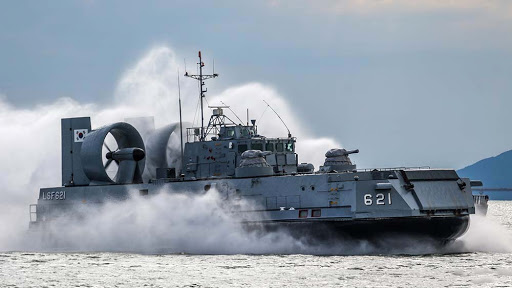
- Murena hovercraft : 3 units
- Il-103, Ka-32 aircraft (platforms, including helicopters such as Ka-32)
Technical Impact
Brown Bear project certainly did great help for Korean military industry. At that time, Korean army could not acquire technical intel or military assets of North Korea, which were mainly supported by Soviet union or Russian government. However, thanks to Russian government, some of equipment, which North Korea also use, provided great tech intel to Korean military side. Igla MANPADS is good example. Since North Korea use almost same version of it, Korean army could obtain information about its main enemy’s capability (gain limited insight into systems of similar origin).
Also, Russian military assets gave various insight for Korean army to develop new main battle tanks and armored vehicles. Firstly, K2 Panther. K2 Panther is well known for one of the products exported from Korea to Poland with massive units. Some of its functions, such as snorkel ability may have been influenced by T80U main battle tanks. Secondly, K21 Infantry fighting vehicle. Unlike other Infantry fighting vehicle like M2 Bradley, K21 has amphibious ability same as BMP-3. Lastly, Korean MANPADS called Chiron. Although Korean government had used several MANPADS from Western nations such as Mistral, FIM-92 Stinger, development its own MANPADS was still needed. In this sense, Russian made Igla MANPADS is said to may have contributed as a reference point for Korean to make its own one.
In conclusion, Brown Bear Project indeed gave precious chance to Korean government to reduce its dependency upon Western military assets and to develop its own systems.
Other than just military cooperation
To make writings above into short version, Brown Bear project gave Korean military industry to nurture technical capability to advance into global military market. Although some of its assets are retired, most of the assets such as BMP-3, BTR-80, Murena hovercrafts are still in use and continue to serve operational roles for Korean Army.
However, Brown Bear Project gave chance not only Korean military industry as mentioned above, but also commercial economy. After Russian ship lay down all of its product on dock in Korea, it returned to Russia with various Korean products. The most distinguished examples are instant noodle called Paldo doshirak and snack called Choco Pie. Especially, Paldo’s instant noodle experience great hit at Russian food market. There have been several recipe to eat instant noodle in Russian style. Which means, Brown Bear Project also made opened commercial pathways.
Although the project had initiated to repay its loan, it gave great opportunity for Korean companies to advance into much larger market and make good partnership with Russian economy. Although recent situation is hard for both sides to work together, and Russian government started to find new friend like North Korea and China, I personally believe that South Korea could re-initiate such project.
Source :
- Korea’s military diplomacy toward Russia,
- Doosan encyclopedia
- Military balance plus