
There was a time when battlefield superiority was primarily defined by firepower, maneuver, and direct engagement. That framework still exists, but its relative importance has shifted over time. In many modern operational environments, some of the most critical moments occur before any engagement begins, often in the seconds leading up to a decision about whether it is safe to approach an object or continue moving along a route.

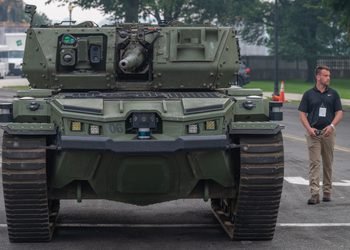
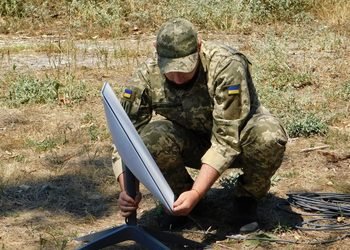
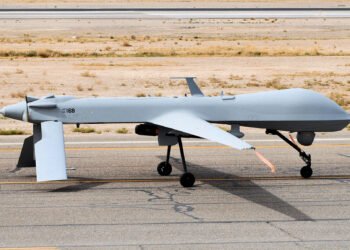
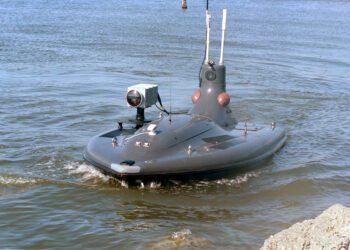
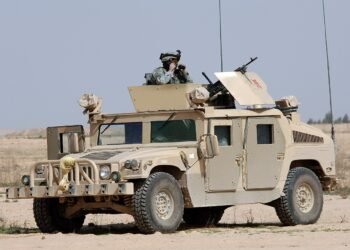
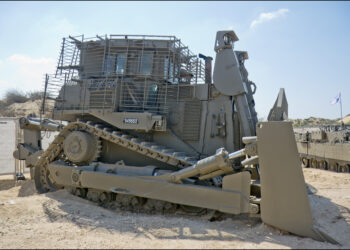
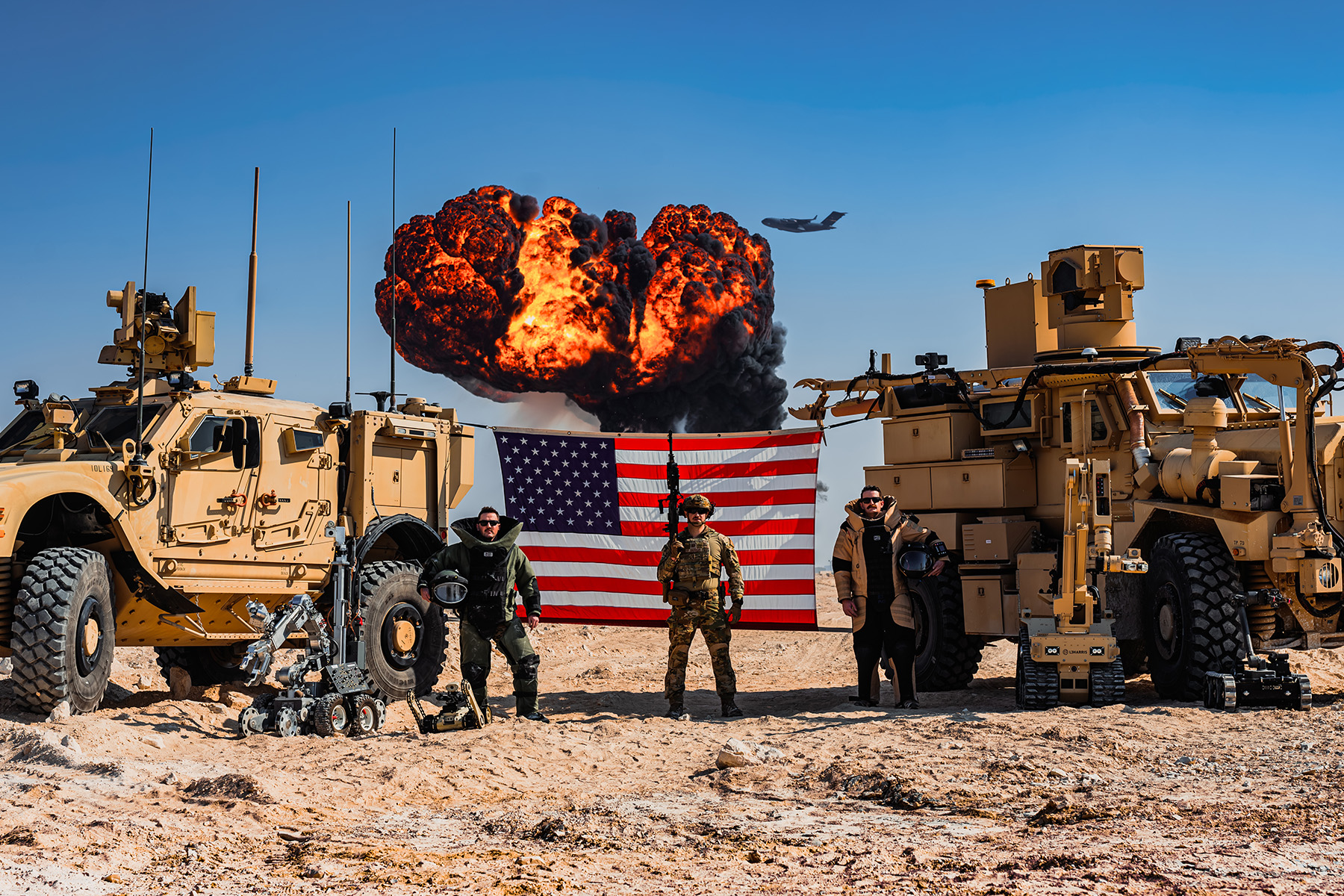
When observing the systems deployed in these scenarios, a clear pattern becomes visible. Armored vehicles are designed with survivability at their core, robotic platforms are used to extend reach and reduce exposure, and personnel operate within a structure that emphasizes controlled interaction with risk. This reflects a broader transformation in how militaries approach threats that cannot be easily identified or neutralized through conventional means.
The Problem That Redefined the Battlefield
Improvised Explosive Devices did not introduce a completely new form of warfare, but they forced a fundamental shift in operational priorities. During the Iraq War, IEDs became the dominant threat against coalition forces, reaching nearly 2,000 attacks per month at their peak and accounting for a significant portion of casualties.
Their effectiveness came from simplicity and adaptability. These devices could be hidden along roads, embedded in infrastructure, or disguised as everyday objects, making detection difficult and forcing military units to operate under constant uncertainty.
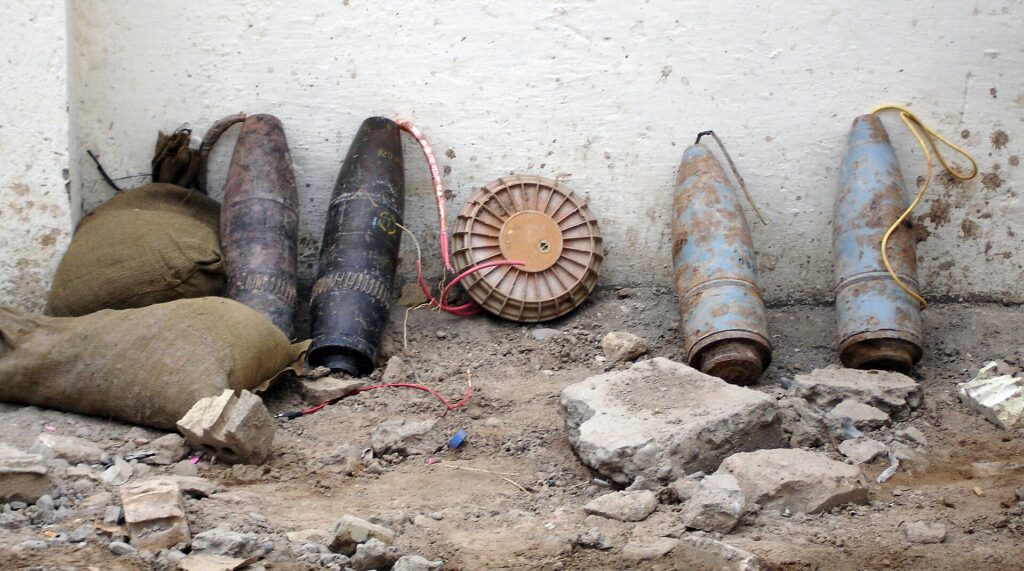
This type of threat could not be addressed effectively through increased firepower alone. The response required a combination of procedural changes, technological adaptation, and a greater emphasis on detection and risk management. Over time, the focus expanded beyond defeating an adversary to ensuring that forces could operate, move, and sustain presence within these environments without incurring unacceptable losses.
MRAP: Engineering Survival
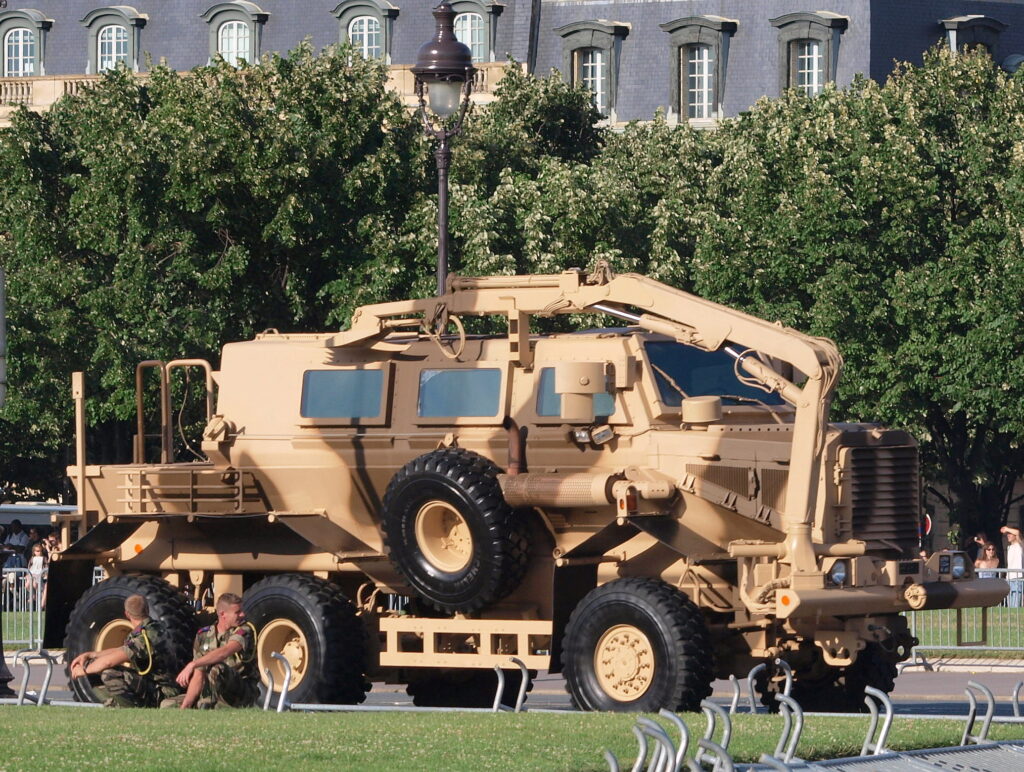
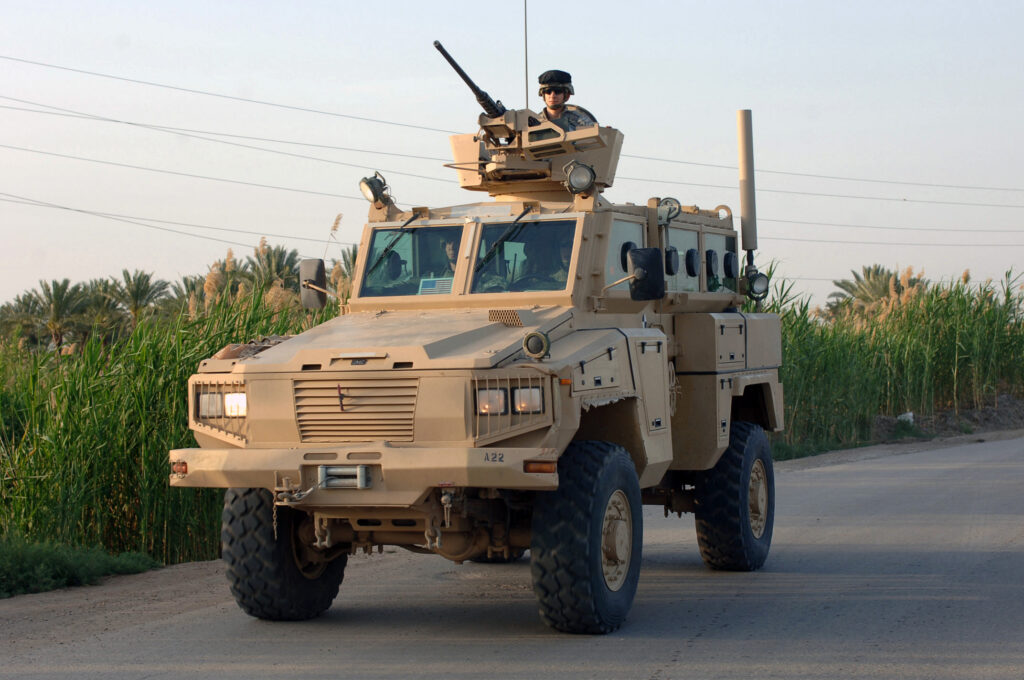
Mine-Resistant Ambush Protected vehicles emerged as a direct response to this challenge, shaped by the need to improve survivability against explosive threats. The U.S. Department of Defense launched the MRAP program in 2007 specifically due to rising casualties from IED attacks, eventually deploying tens of thousands of vehicles across Iraq and Afghanistan.
The defining feature of these vehicles, the V-shaped hull, is designed to redirect the force of an explosion away from the crew compartment. This structural approach significantly reduces the impact of blasts originating beneath the vehicle, improving survival rates for personnel inside.
As deployments continued, MRAPs transitioned from being an urgent solution to becoming a standard element of military operations in high-risk areas. Their role extends beyond mobility, as they function as protective platforms that enable forces to operate in environments where conventional vehicles would be significantly more vulnerable. Even so, while these vehicles reduce exposure, they do not remove it entirely, which leaves a critical gap in the process.
The First Step Is No Longer Human
That gap is addressed through the use of unmanned systems. Before their widespread adoption, approaching a suspected explosive device often required direct human involvement, which introduced a level of risk that was difficult to manage consistently across different scenarios.
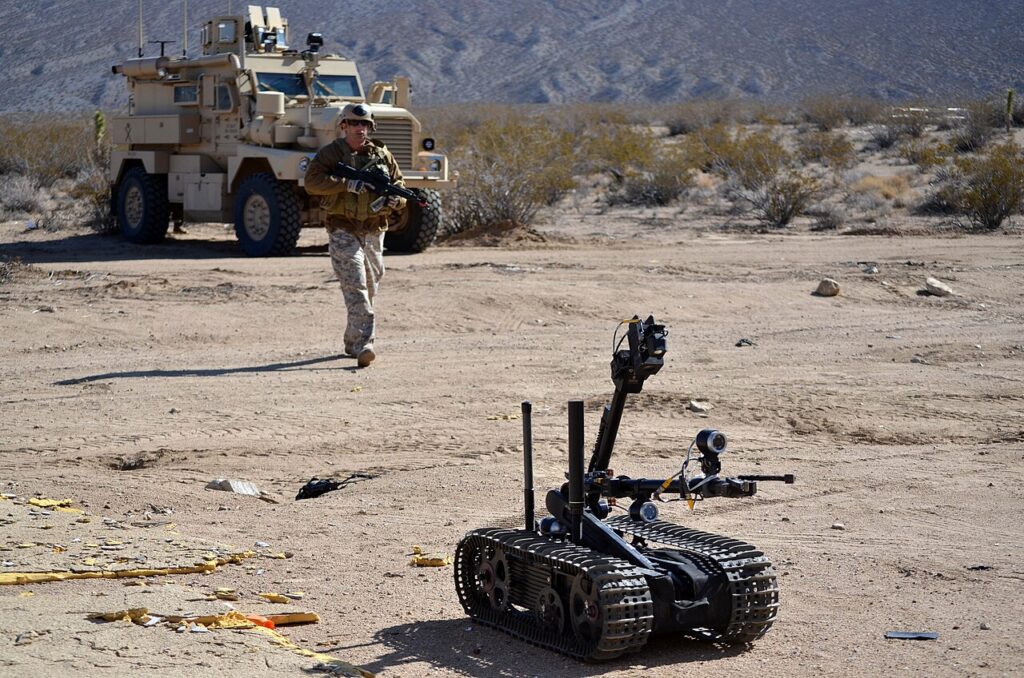
Robotic platforms such as PackBot and TALON were developed to provide a practical alternative. More than 2,000 PackBot systems were deployed in Iraq and Afghanistan, supporting EOD teams in identifying and handling explosive threats.
TALON systems, widely used by U.S. and allied forces, have been involved in tens of thousands of EOD missions and are credited with neutralizing over 50,000 IEDs in operational environments.
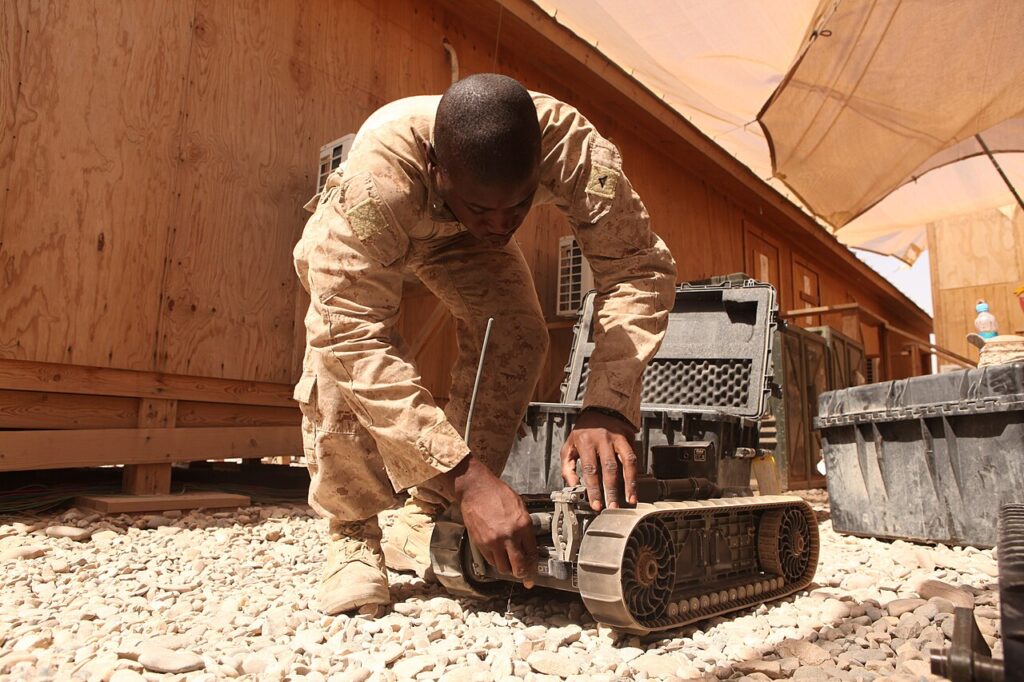
These systems allow operators to assess and interact with threats from a distance, significantly reducing the need for immediate human exposure. Their increasing use reflects a broader operational preference for assigning initial exposure to machines wherever possible. While this does not eliminate risk, it changes how that risk is approached and managed.
Layered Protection as a System, Not a Feature
Modern EOD operations are best understood as an integrated system rather than a collection of individual tools. The effectiveness of this approach lies in how different elements support one another throughout the operation.
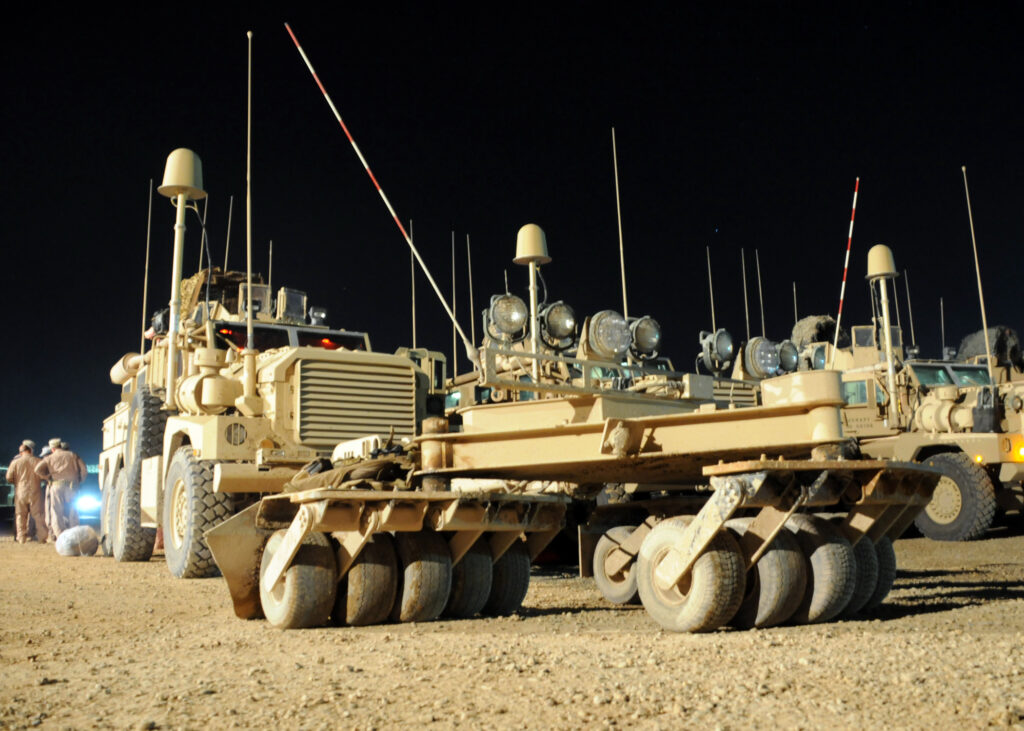
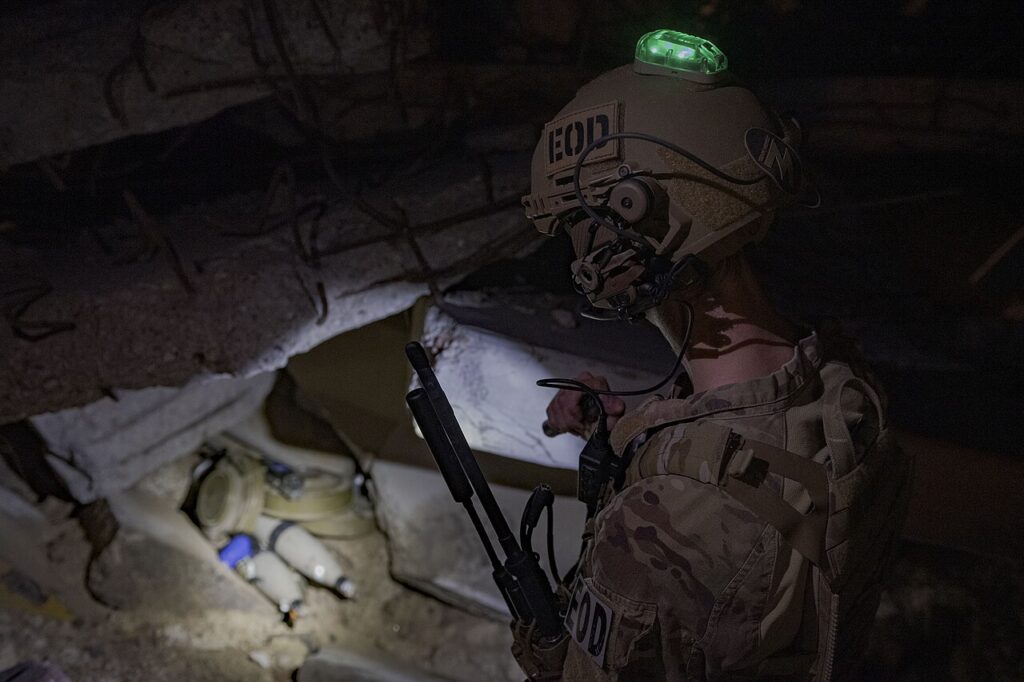
An MRAP provides protected mobility and serves as a secure base in high-risk areas. A robotic system extends the reach of the operator, enabling remote inspection and initial interaction with potential threats. When human intervention becomes necessary, specialized protective equipment allows for controlled engagement under carefully managed conditions.
Vehicles such as the Joint EOD Rapid Response Vehicle (JERRV), based on MRAP designs like the Cougar, are specifically configured for these missions. They are used to transport EOD teams along with robots such as TALON and PackBot, creating a mobile system that integrates protection, detection, and response capabilities.
The overlap between these systems is intentional. If one layer becomes insufficient, others remain in place to maintain operational safety.
A Different Kind of Engagement
The presence of IED threats has also influenced the tempo and structure of operations. Unlike traditional combat scenarios, which often prioritize speed and decisive action, EOD operations require a more deliberate and controlled approach.
Time becomes an essential factor in reducing uncertainty. Movements are calculated, observations are verified, and actions are taken only when conditions allow for a reasonable level of confidence. Technology plays a key role in supporting this process by enabling operators to gather information and respond without immediate proximity to the threat.
In this context, operational tempo is adjusted to match the nature of the threat, rather than the other way around.
The Psychological Dimension
Beyond the technical aspects, these systems also influence how risk is experienced by personnel. Operators controlling robotic systems interact with threats from a distance, which changes the immediacy of the situation while still requiring constant attention and precision.
At the same time, those operating within armored vehicles rely on structural protection while remaining aware that no system is completely immune to high-energy blasts. Instead of concentrating risk on a single moment or individual, modern EOD operations distribute exposure across multiple layers and systems.
This distribution affects both operational planning and the way individuals perceive and respond to their environment.
From Reaction to Integration
What began as a response to a specific operational challenge has evolved into a more integrated approach to force protection. MRAPs and EOD robots are no longer temporary solutions but established components of modern military doctrine.
Their continued use reflects the expectation that explosive threats will remain a persistent factor in many operational environments. As a result, development efforts are increasingly focused on improving system integration, enhancing remote capabilities, and reducing human exposure wherever possible.
A System Designed Around Survival
Military capability is often associated with offensive strength, but the systems developed in response to IED threats highlight a different dimension of effectiveness. Survivability has become a central factor in both design and deployment, influencing how forces operate in environments where threats are difficult to predict.
The combination of armored vehicles, robotic systems, and specialized personnel represents a structured approach to managing risk. Each component contributes to maintaining operational capability while reducing vulnerability, allowing forces to function in conditions that would otherwise impose significant limitations.
This approach does not remove uncertainty from the battlefield, but it provides a more stable and controlled framework for operating within it.
Sources
- Brookings Institution
- U.S. Department of Defense (DOT&E Reports)
- U.S. Army Acquisition Support Center