
Energy production is usually presented as a civilian activity. Oil is extracted, gas is transported, tankers are loaded, refineries operate, and markets react to supply. Engineers, operators, logistics teams, insurers, regulators and shipping companies appear to be the main actors.

Yet in many regions, this is only the visible side of the picture.
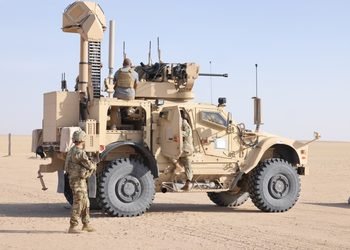
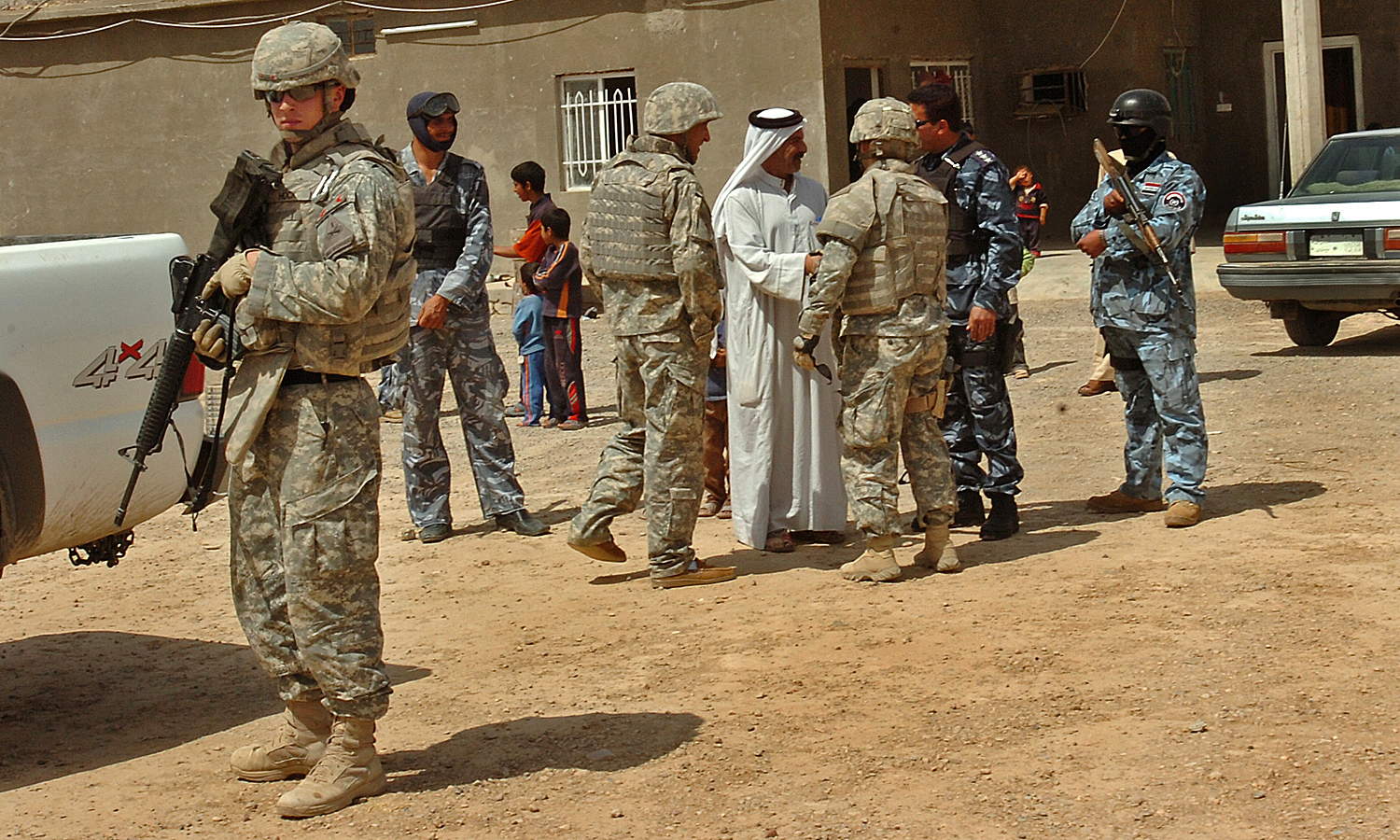
Around oil fields, gas facilities, pipelines, export terminals and refineries, there is often a security structure that does not always appear in official production reports. It may involve soldiers, coast guards, intelligence services, police units, private contractors, naval patrols, emergency planners or cyber defense teams. Sometimes the military presence is obvious. Sometimes it remains in the background, shaping the wider environment in which energy production continues.
The point is not that every oil field is a battlefield. It is also not that every soldier near an energy facility is there simply because of the oil itself. That explanation is too narrow. Energy production sits at the intersection of revenue, sovereignty, logistics, foreign investment, domestic stability and national defense.
A producing energy site is not only a commercial asset. In strategic regions, it becomes part of a broader system of control.
Energy Sites Are Not Just Industrial Sites
An oil field is more than a collection of wells. A gas facility is more than pipes and valves. A refinery is more than an industrial complex. Each one belongs to a wider chain that must continue functioning for the whole system to work.
Workers need safe access. Equipment must arrive. Spare parts must be delivered. Roads must remain open. Pipelines must stay intact. Ports must operate. Tankers must load and leave. If one part of this chain fails, the consequences can move quickly beyond the facility itself.
For this reason, states treat major energy infrastructure differently from ordinary commercial property. A warehouse can be valuable, and a factory can be economically important. But an oil terminal, LNG facility, gas pipeline or large refinery can affect state revenue, electricity generation, fuel prices, military mobility and foreign policy at the same time.
Security around these sites is therefore layered. A fence and a guard post may protect the immediate perimeter, but they do not protect the entire system. Local police, military units, coast guards, intelligence agencies, private security contractors, cyber teams and foreign partners may all have a role, depending on the location and risk level.
Energy security and defense planning meet exactly at this point. The facility may look civilian, but the consequences of its disruption can be strategic.
The Military Is Often Protecting Continuity, Not Just Ownership
A basic explanation says soldiers are near oil because oil is valuable. True, but incomplete.
Continuity matters more. Can production continue? Can the state collect revenue? Can fuel reach the domestic market? Can exports move through ports and terminals? Can foreign operators remain in the country? Can the government show that it still controls the area?
In fragile states or conflict zones, energy infrastructure can become a visible test of state authority. A government may control the capital, but if it cannot secure oil fields, pipelines, refineries or export terminals, its authority appears limited. Armed groups understand this clearly. Attacking energy infrastructure can create economic pressure, political embarrassment and public disruption without requiring a conventional battlefield victory.
Energy facilities can therefore become leverage points. A pipeline can be threatened. A terminal can be blocked. A refinery can be damaged. A production site can be used in negotiations. None of these actions is only about the physical asset. They are about pressure, control and bargaining power.
A better question is not only, “Who wants the oil?” It is also, “Who needs the system to keep working, and who benefits if it stops?”
The Invisible Security Architecture
The military layer behind energy production does not always look dramatic. In fact, when it works well, it may look almost invisible. Ships move. Valves open. Workers arrive. Tankers leave. Production continues. Markets do not panic.
Behind that ordinary rhythm, a much more complex structure may exist.
At the local level, security can include access control, patrols, surveillance, emergency response teams and coordination with police or military units. Along pipelines, the risks may include sabotage, theft, illegal tapping, drone observation or attacks on pumping stations. Around ports and offshore platforms, concerns shift toward maritime security, small boats, mines, drones and chokepoint disruption. Around refineries and power plants, physical security increasingly overlaps with cyber defense.
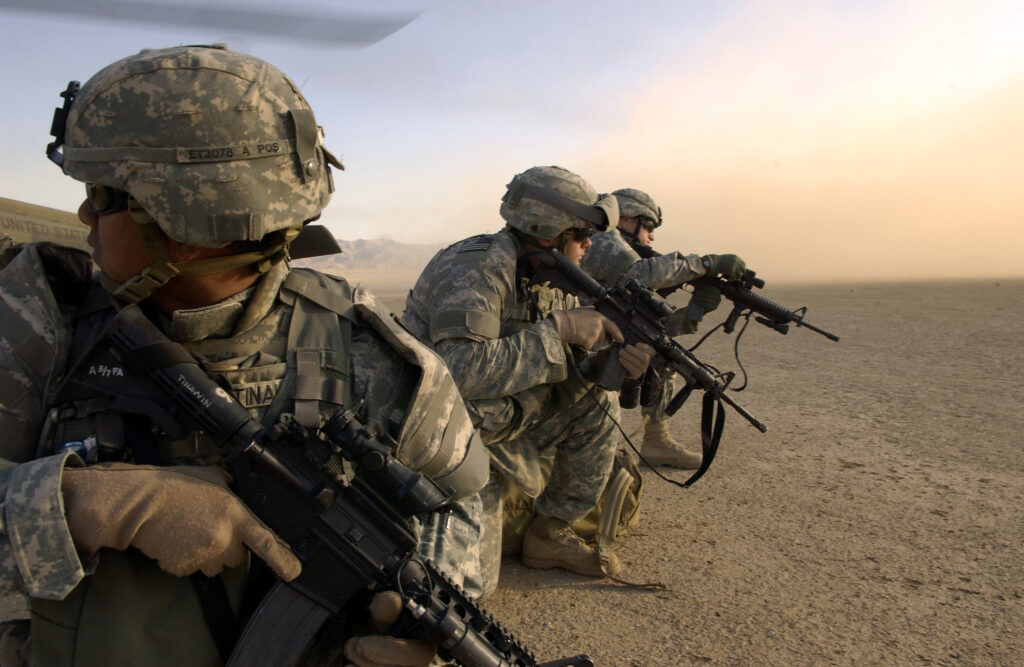
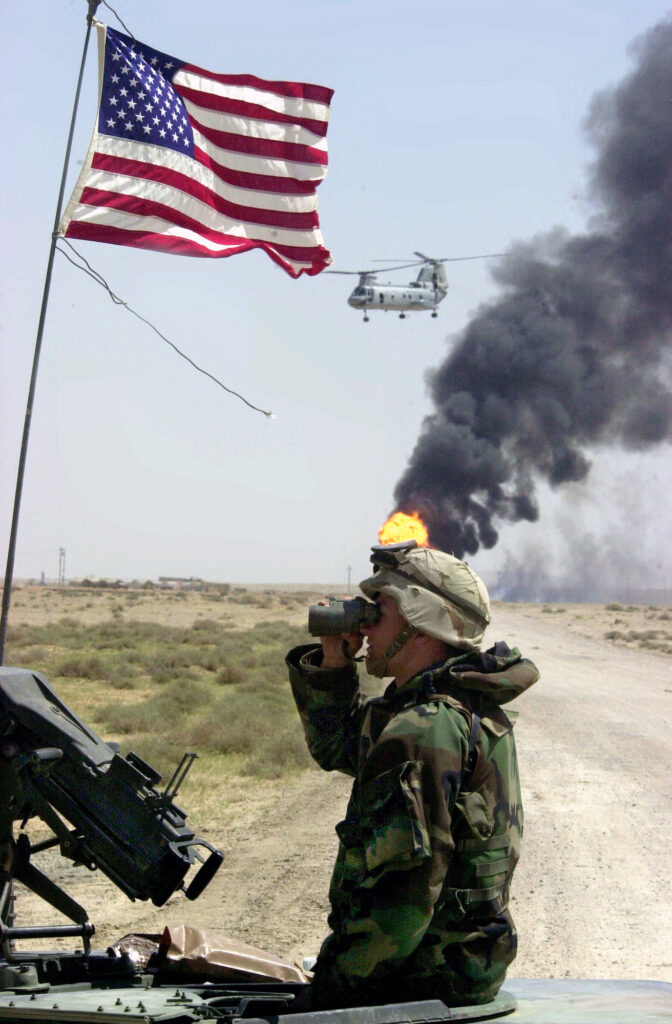
Military support is therefore not limited to standing guard. Armed forces may provide intelligence, deterrence, rapid response, airspace monitoring, maritime patrols or logistical support during emergencies. In some cases, military units are not inside the facility at all. Their role is to shape the wider security environment so that the facility can keep operating.
A soldier at the gate is visible. A patrol route, surveillance network, air defense plan, coast guard coordination system or emergency repair plan is less visible, but often more important.
Energy Infrastructure as a Target
Recent conflicts have made the vulnerability of energy infrastructure much harder to ignore. Oil and gas facilities, pipelines, ports, power grids and refineries can be targeted through sabotage, cyber operations, drone attacks, missile strikes, maritime disruption or hybrid pressure.
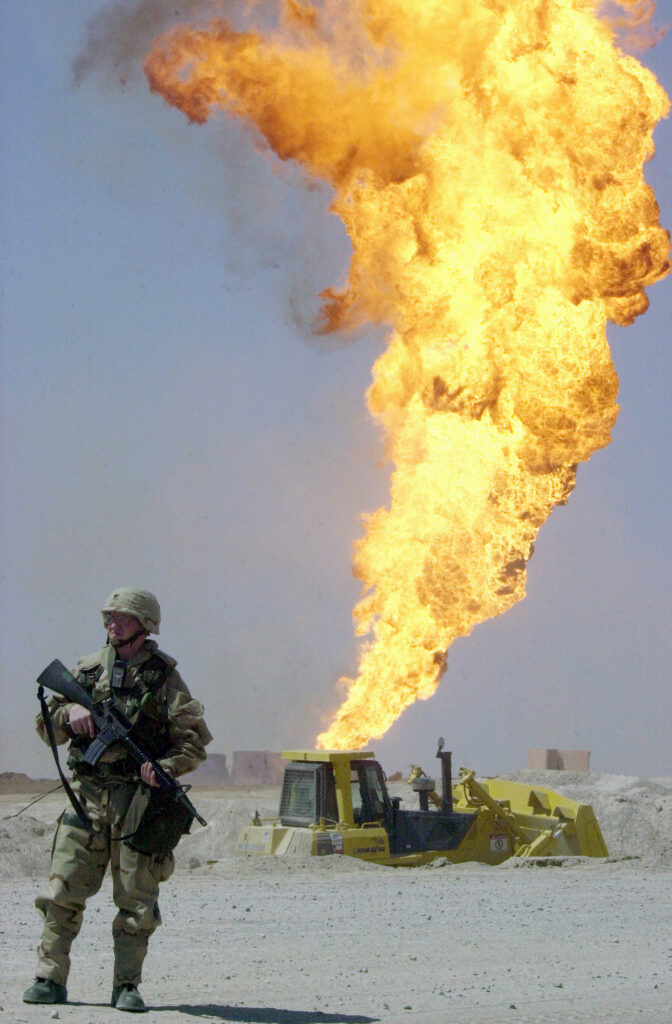
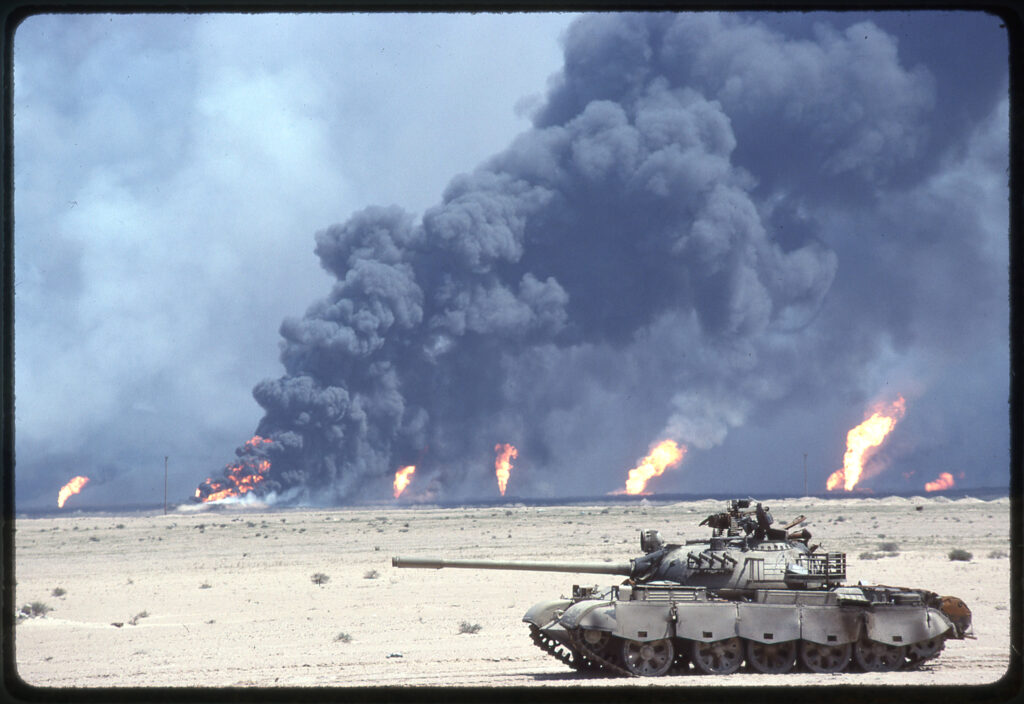
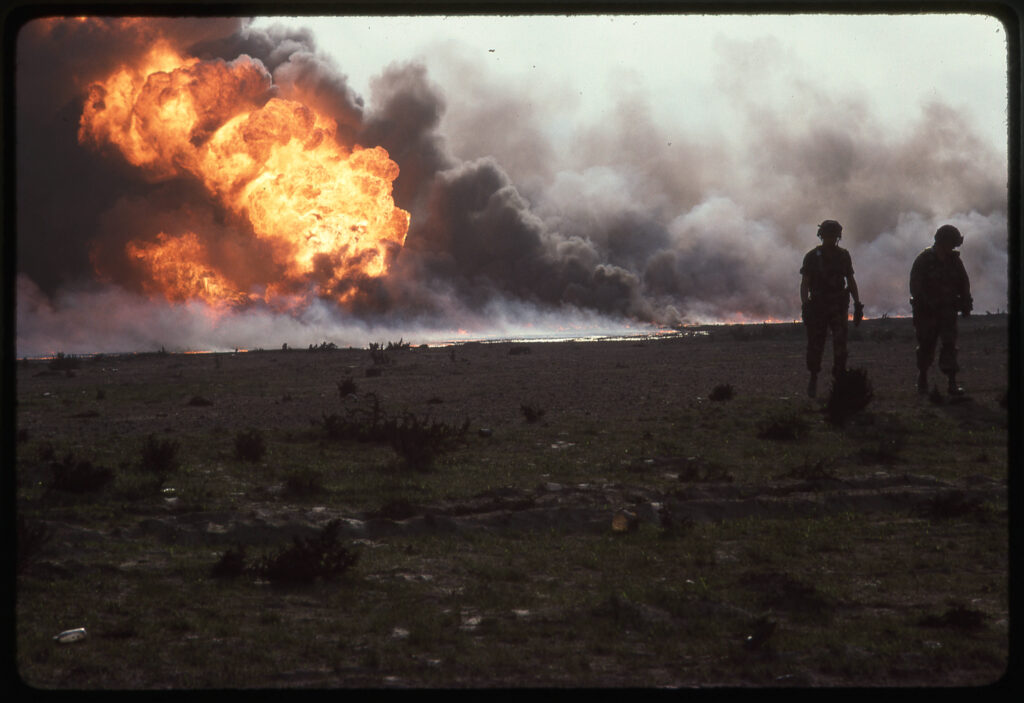
The 1991 Gulf War remains one of the clearest examples of how energy infrastructure can become part of the battlefield itself. As Iraqi forces withdrew from Kuwait, hundreds of oil wells were set on fire, turning production sites into instruments of economic damage, environmental pressure and political messaging. The fires did not only affect Kuwait’s petroleum output. They created a wider crisis involving firefighting operations, air pollution, economic loss and post-war recovery. In that sense, the oil fields were not merely assets to be captured or protected. They became part of the conflict’s final destructive phase.
Energy security was once discussed mainly through supply, demand, reserves, diversification and price stability. These still matter. But physical protection and operational resilience have moved much closer to the center of the issue.
A subsea pipeline, an export terminal, a refinery, a transformer station or a power cable may not look like a traditional military target. Disabling it, however, can create strategic consequences. Prices may rise. Public confidence may fall. Military logistics may become harder. Allies may face pressure. Governments may be forced to redirect resources.
The line between civilian infrastructure and strategic infrastructure is becoming thinner. Energy assets may be privately operated and commercially insured, but their disruption can produce national security effects.
Care is needed here. Recognizing the strategic importance of energy infrastructure does not mean every attack on such infrastructure is justified or lawful. It means energy assets often sit in a difficult category: civilian in function, strategic in effect.
Companies Do Not Operate Alone in High-Risk Energy Zones
Energy companies working in high-risk areas are not simply drilling, refining or exporting. They operate inside a political and security environment shaped by host governments, local communities, armed groups, security contracts and international scrutiny.
In stable countries, many of these issues are handled through regulation, policing and normal commercial procedures. In unstable regions, the security burden becomes heavier. Companies may rely on host-state forces, private security providers, local agreements, evacuation planning and crisis coordination. Each layer brings its own complications.
When state forces protect an energy site, questions can emerge about legitimacy, local resentment, human rights and political favoritism. When private contractors are involved, accountability and rules of engagement become important. When local armed groups influence access, the facility may become part of a wider political economy of control.
Reality is rarely as simple as “company plus oil field.” More often, energy production in unstable environments depends on a network of state authority, corporate continuity, local negotiation and armed protection.
The oil under the ground matters, but the security ecosystem above it may decide whether production continues at all.
Fuel Is Also a Military Requirement
The relationship works in both directions. Militaries may protect energy systems, but they also depend on them.
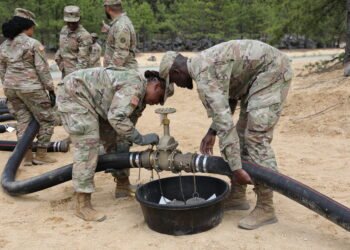
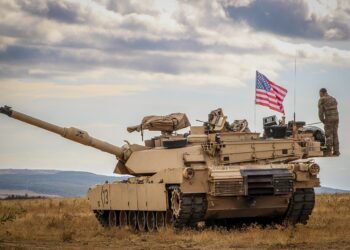
Modern armed forces require fuel, electricity, spare parts, transport networks, ports, roads and reliable supply chains. Aircraft need aviation fuel. Armored units need diesel. Naval forces need logistics. Bases need power. Command systems, ammunition production and military transport all rely on energy.
A circular relationship emerges. Energy infrastructure supports national defense, while national defense often supports energy infrastructure. If the energy system is disrupted, military readiness can be affected. If military operations expand, energy demand and logistical pressure increase.
For this reason, energy security cannot be treated as a purely economic file. It belongs in defense planning, emergency preparedness and strategic infrastructure policy.
Drones, Cyber Threats and Harder Targets
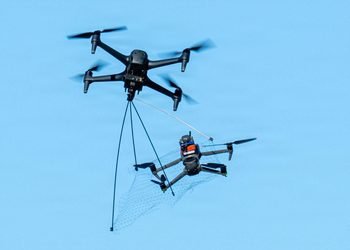
The security challenge is becoming more complex. A facility that once focused mainly on intruders, theft or local unrest may now need to consider drones, cyber intrusion, satellite visibility, precision strikes and information operations.
Not every oil or gas site can become a fortress. That would be expensive, politically sensitive and often unrealistic. A more practical approach is layered protection.
Future energy security will likely require closer coordination between civilian operators and security institutions. Anti-drone measures, maritime monitoring, cyber resilience, hardened control rooms, emergency repair capacity, backup systems and clearer crisis communication will become more important.
Resilience is the key issue. Total protection is impossible. A resilient system can absorb damage, respond quickly and continue functioning under pressure.
Energy production may look like an industrial process, but in strategic regions it is also a security arrangement. The well, the road, the port, the pipeline, the tanker route and the control room belong to the same wider map. On that map, energy is not only produced. It is protected, negotiated, threatened, repaired and sometimes defended.
Sources:
- International Energy Agency, Energy Security
- NATO, Energy Security
- Cybersecurity and Infrastructure Security Agency, Energy Sector
- Federal Energy Regulatory Commission, Office of Energy Infrastructure Security
- NATO Energy Security Centre of Excellence, Impact of Critical Energy Infrastructure Security on Military Resilience and Energy Security within NATO