
Defense headlines can feel like noise. So let’s focus on two developments that actually move the needle: a U.S. green light for Joint Light Tactical Vehicles (JLTVs) to Canada, and a U.S.-approved upgrade to Australia’s intelligence, surveillance, reconnaissance, and electronic warfare (ISREW) fleet. Different programs, same theme—trusted partners doubling down on mobility, sensing, and survivability. If you follow procurement cycles, force design, or the evolving edge of land and air integration, this is your kind of day.

Canada’s JLTV Path: Mobility First, Survivability Always
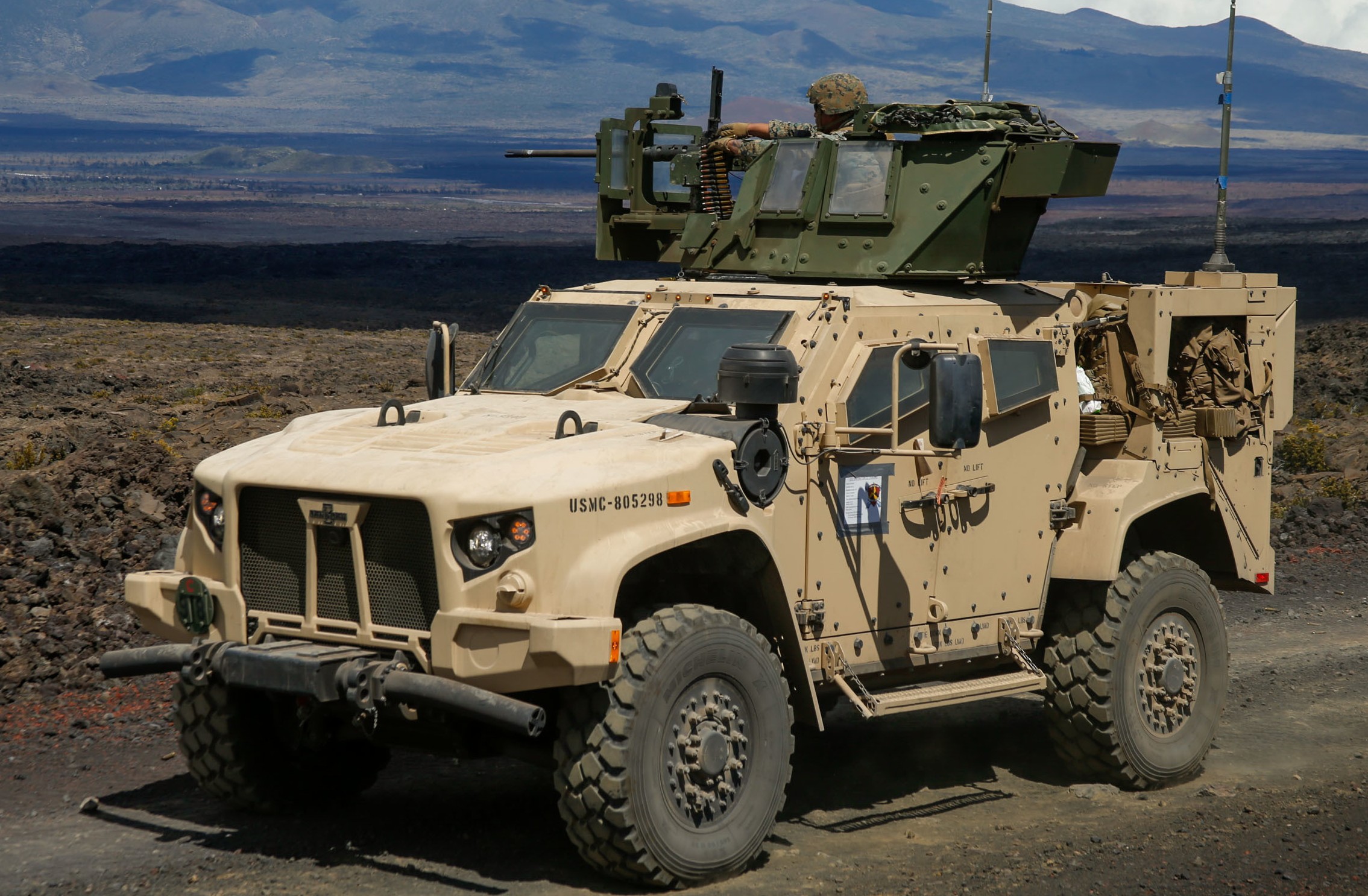
Canada has long balanced expeditionary tasks with domestic missions that range from Arctic operations to disaster response. The JLTV package fits neatly into that reality. It’s not just a “new truck.” It’s a survivable mobility platform engineered to carry people and payloads through small-unit fights in contested environments, where artillery fragments and improvised threats are not theoretical. You care about the blend: mine-blast protection, up-armorable kits, and the ability to host radios, jammers, and remote weapon stations without breaking the suspension or power budget.
Why it matters now: land forces are relearning old lessons at scale. Mobility without protection has proved costly; protection without mobility has proved inflexible. JLTVs ride that line. For Canada, a measured buy—rather than a massive fleet overhaul—suggests targeted backfilling and capability refresh, not a wholesale rewrite of doctrine. Expect these vehicles to support high-readiness units first, align with existing LAV-centric formations, and slot into multinational exercises where interoperability is as important as armor thickness.
A quick practical lens for you: the value isn’t only tactical. It’s also sustainment and training. Canada benefits from a broad allied user base, predictable spares, and a mature upgrade pipeline. In a world of long lead times, that predictability is a feature.

Australia’s ISREW Upgrade: The Sensing Layer Is the Strategy
If JLTVs are the muscle and bone, ISREW is the nervous system. Australia has been investing steadily in sensors, processing, and electronic effects, and today’s approval points to the same trajectory: better collection, faster fusion, and more resilient electronic warfare across the kill chain. You’ll hear a lot of jargon around ISREW, so let’s keep it simple. This is about three things:
- Finding what matters (emitters, radios, radars, moving targets).
- Understanding it quickly (signals characterization, targeting quality, confidence levels).
- Acting with options (from non-kinetic disruption to precise kinetic effects).
Australia’s geography makes this more than a “nice to have.” Long ranges, wide maritime spaces, and a dense electromagnetic environment demand aircraft that can soak up signals, classify them, and push usable intel to shooters and commanders without delay. Upgrades typically include new sensors, mission systems, processing power, and hardened comms—all the plumbing that turns raw data into decisions. The payoff is immediate: better maritime domain awareness, better air defense cues, and tighter teaming with U.S. and Japanese assets in the region.
If you’re evaluating this as an industry watcher, look for two signals in the months ahead: integration milestones with existing command-and-control architectures, and how quickly Australia fields crews trained to exploit the new kit at tempo. Technology is the entry ticket; trained crews turn it into outcomes.
A Shared Thread: Interoperability Over Showmanship
It’s tempting to frame both moves as shopping decisions. They’re not. They’re interoperability choices. Canada’s JLTVs are part of a common allied vocabulary for protected mobility. Australia’s ISREW step is part of a common allied vocabulary for sensing and electromagnetic maneuver. If you’ve worked multinational exercises, you know how much easier life is when platforms speak the same language—physically (connectors, rails), digitally (data formats, crypto), and operationally (common TTPs).
That’s where these approvals earn their keep. They reduce the friction cost of coalition operations. They make joint planning faster. They shorten the time from “we think we see it” to “we’re doing something about it”—together.
What This Signals to Industry and Programs of Record
For primes and their supply chains, there are three takeaways you should not miss.
First, survivable mobility isn’t cyclical—it’s structural. Demand for protected, modular, C4ISR-ready vehicles will persist. The war-watchers know why: artillery lethality, loitering munitions, and pervasive sensors have rewritten risk calculations for light forces. If you deliver weight-sensitive protection, reliable power distribution, and open architectures that accept new radios or effectors, you’re aligned with the next decade.
Second, the sensing layer is where margins live. ISREW programs rarely grab headlines, but they drive sticky integration work: software drops, payload swaps, certification, and upgrades. Vendors who design for rapid payload evolution—while keeping integration effort reasonable—will win sustainment dollars that outlast initial buys.
Third, speed and credibility beat clever marketing. Both Canada and Australia prize delivery schedules, supportability, and proven interoperability over press-release hyperbole. If your solution takes an extra six months to certify with allied data standards, you’re not competitive, no matter how dazzling the brochure.
How This Plays on the Battlefield
Put yourself in the loop. A Canadian light infantry company, cross-attached with engineers and signals, needs to move under threat of indirect fire and drone observation. JLTVs with the right kits can change the commander’s options: faster tailgate drills, better protection on approach routes, power and space for counter-UAS equipment, and a chassis that can handle the weight without shedding components in the first 500 kilometers. That is not romantic. It’s the difference between getting to the fight in fighting shape—or not.
Now shift to the air picture. An Australian ISREW aircraft is on station, quietly cataloging emissions. A new radar lights up at an unexpected frequency hop. The mission system flags it, cross-references known libraries, and pushes a near-real-time track and characterization to allied shooters. There’s no movie moment. Just faster, cleaner decisions. And in a fight where windows of opportunity are measured in minutes, that’s decisive.
What to Watch Next
You don’t need rumor-mill commentary. You need signposts.
For Canada: watch contracting milestones, variant mix (General Purpose vs. Close Combat Weapons Carrier, etc.), and the pace of fielding to high-readiness units. If timelines hold and training pipelines scale smoothly, you’ll know the program is healthy.
For Australia: watch integration flight tests, software baselines, and the speed of data-link interoperability with U.S. and regional partners. If you see rapid incorporation into major exercises, the upgrade is delivering operational value, not just technical promise.
For both: keep an eye on sustainment models. Availability rates and mean time between failures will tell you whether these capabilities show up ready on day three of an exercise—or sit in a hangar while maintenance hunts parts.
A Quick Word on Risk
No program is without trade-offs. JLTVs face the eternal tension between protection and weight, especially as users add comms, counter-UAS, and remote weapon stations. The best mitigation is strict configuration control and weight budgeting from day one. ISREW upgrades face a different risk: software complexity and integration churn. The mitigation there is disciplined spiral development and early operator involvement in test events, so crews train on what they’ll actually fly.
Neither risk is exotic. Both are manageable with boring, rigorous program management—the kind that keeps capability where it belongs: available, interoperable, and relevant.
Sources
- U.S. Army Program Executive Office (PEO) Combat Support & Combat Service Support – JLTV program materials (background and interoperability notes), accessed August 2025.
- Australian Department of Defence – public statements and program updates on airborne ISR/EW initiatives, accessed August 2025.