
Written by Ido Kalev.

How wars change in form, scale, and method, while their deepest logic remains disturbingly familiar
War did not begin with the modern state, nor with industrial armies, nor with tanks, aircraft, satellites, and drones. Long before modern borders, standing militaries, or strategic theory in its contemporary form, war was already shaped by principles that remain recognizable today- fear, survival, coercion, deception, intelligence, asymmetry, morale, and the struggle to impose will under conditions of uncertainty.
That continuity matters, because one of the most persistent mistakes in writing about war is to confuse new tools with new essence. The technologies change. The domains multiply. The speed increases. The scale expands. But some of the deepest laws of war do not disappear. They reappear under new conditions.
Intelligence Before Action
Long before modern intelligence services, military staffs, or surveillance systems, leaders already understood that force without knowledge is blindness. Before movement comes information. Before entry comes assessment. Before contact comes interpretation.
One of the oldest and most revealing examples appears in the biblical account of Moses sending spies ahead before entering the land. Whatever one’s faith, the strategic principle is unmistakable- intelligence precedes maneuver.
But the story also captures something even more enduring. Information alone is never enough. The decisive question is whether leadership knows how to interpret what it sees without surrendering to fear, distortion, or paralysis.
Most of the spies returned with the same terrain before them, yet they did not return with the same war in their minds. That problem, the gap between reality and the interpretation of reality, has remained central to war ever since.
Asymmetry and the Logic of Survival
The same is true of asymmetry. Long before modern discussions of hybrid warfare, insurgency, or offset strategy, war already contained a recurring lesson- the stronger side often expects the weaker side to fight on familiar terms. The weaker side survives by refusing that logic.
The story of David and Goliath endures for exactly that reason. Its strategic value is not theological here, but operational. David does not defeat superior mass by matching it. He defeats it by rejecting the enemy’s preferred form of combat and imposing a different geometry of conflict, speed instead of weight, precision instead of spectacle, imagination instead of symmetry.

That principle has echoed across military history ever since. It is visible wherever smaller actors survive by improvisation, by exploiting vulnerability rather than confronting strength directly, and by turning creativity into combat power.
Strategic Culture and Adaptation
This is also why such examples matter culturally, not just tactically. They point to something deeper than a single battle- the way political communities internalize certain strategic instincts.
Some societies can afford mass and depth. Others cannot. Small states under permanent threat often develop different military cultures, faster, sharper, more improvisational, and more reliant on initiative, intelligence, adaptation, and precision. In that sense, asymmetry is not only a battlefield method. It can become part of a national strategic grammar.
Enduring Laws of War
These are not modern discoveries. They are ancient laws that modern warfare has never outgrown. Intelligence before maneuver. Interpretation before action. Fear as distortion. Improvisation against superior force. The danger of mass without clarity. The power of imagination when direct symmetry means defeat.
Industrialization and the Expansion of War
What changed in the last century was not the existence of war, but its scale, speed, industrial depth, political reach, and technological density. Modern war fused these ancient principles to the machinery of the industrial state.
Bureaucracy, railroads, artillery, steel, fuel, mass conscription, airpower, communications, computation, nuclear deterrence, cyber capabilities, drones, and information warfare did not replace the old logic of war. They amplified it, accelerated it, and made its consequences vastly more destructive.
War as an Evolutionary Process
That is why the evolution of war cannot be told as a simple chronology of battles, nor as a museum of weapons. The real story is evolutionary. Each major conflict does more than destroy. It teaches. It reveals what the previous generation misunderstood, what the next generation will imitate, and which old rule has returned under a new form.
Some wars change the means of battle. Others change the political meaning of force. Others expose illusions about speed, occupation, deterrence, intelligence, attrition, maritime reach, insurgency, or technological supremacy.
Scope of This Analysis
This article follows the wars that most clearly changed the structure of war itself- wars that altered the relationship between mass and maneuver, state and proxy, battlefield and society, technology and doctrine, victory and illusion.
It begins not because war itself began there, but because the First World War marks the point at which war became unmistakably modern in scale and organization. From that rupture onward, the evolution of war becomes impossible to separate from industry, bureaucracy, technology, ideology, logistics, and the total mobilization of societies.
Looking Forward
To understand the wars of the present, and the wars likely to come, it is not enough to know what happened. One must understand what changed, what did not, and why each major conflict altered the way the next one would be fought.
World War I and the Birth of Modern Industrial War
The First World War was the moment war became unmistakably modern.
It was not the first large war in history. It was not the first imperial war. It was not even the first war shaped by technology. What made it historically decisive was something else- it fused industrial power, mass mobilization, state bureaucracy, rail logistics, mechanized firepower, and national political commitment into a single system of destruction.
From that point on, war could no longer be understood as the clash of armies alone. It became the organized collision of entire societies.
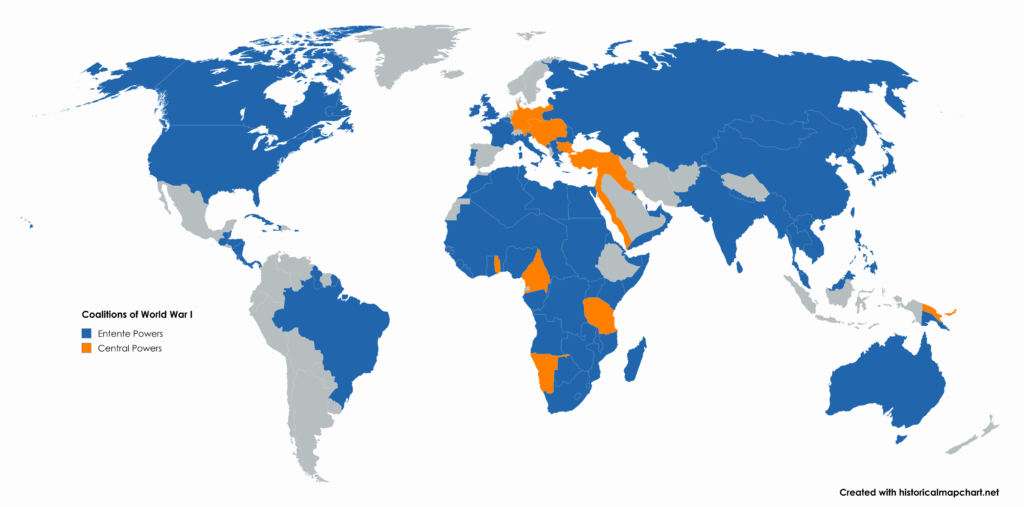
Europe entered the war with the wrong assumptions. Political leaders believed they were entering a conflict that would be sharp, violent, and finite. Generals believed offensive spirit, maneuver, speed, and courage would still decide outcomes in broadly recognizable nineteenth-century terms.
They were wrong. Industrial firepower had already outgrown inherited doctrine. Mass armies could be mobilized faster than command systems could think. Railways could move men and materiel with remarkable precision, but once those armies collided, movement collapsed into slaughter.
That is what the First World War revealed with brutal clarity- modern war had outgrown the imagination of the men who began it.
The Collapse of Maneuver
The Western Front became the clearest expression of that rupture. Trenches were not just a battlefield feature. They were the physical proof that industrialized defense had surpassed unadapted offense. Artillery, machine guns, barbed wire, and concentrated fire made movement catastrophically expensive.
Commanders kept searching for breakthrough with concepts that no longer matched reality. Men were sent forward again and again into kill zones created by technology their doctrine had failed to absorb. This was not merely a tragedy of leadership. It was a structural transformation.
War as a Total System
The First World War changed the grammar of war because it demonstrated that the modern state could mobilize society itself for prolonged industrial killing. War was no longer confined to the battlefield. It was now a national system- factories, railroads, depots, manpower pools, food supply, steel output, ammunition production, political endurance, and morale. The front line was only one visible edge of a much larger machine.
That is why logistics ceased to be background support and became a decisive layer of combat power. Armies no longer fought only with courage, training, and command. They fought with railway timetables, shell production, replacement systems, industrial output, medical evacuation, and the ability to sustain mass under fire. Once war reached that scale, the state that could organize endurance gained an advantage no tactical brilliance alone could replace.
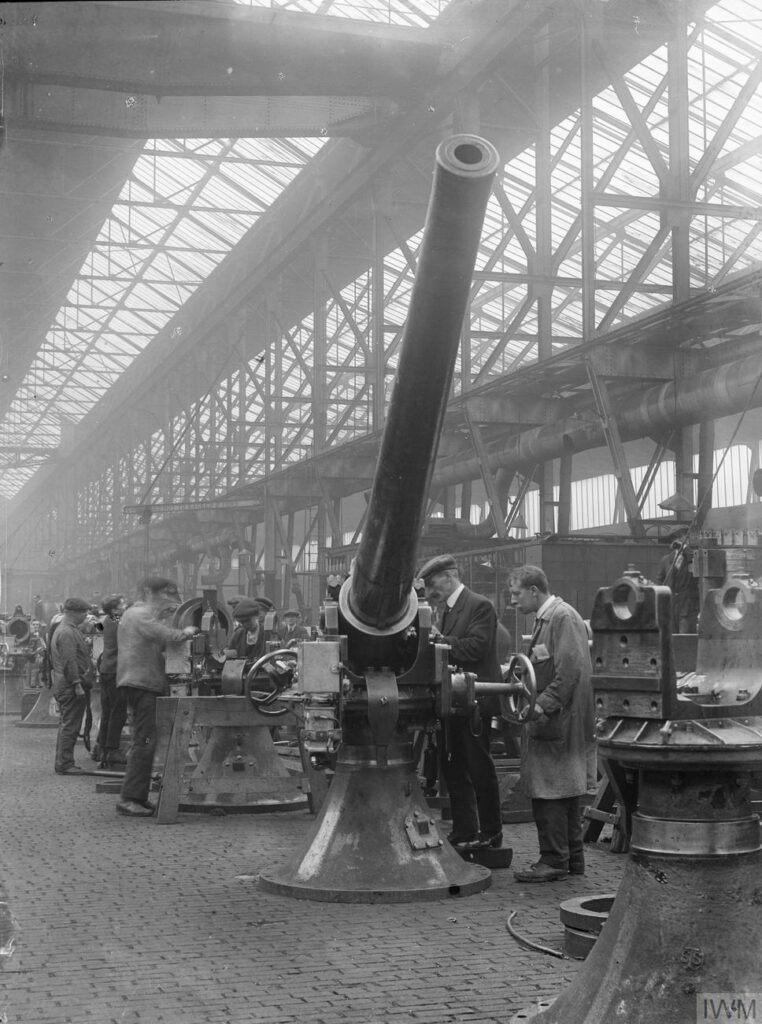
Men working on a 4 inch naval gun in the Coventry Ordinance Works. September 1917.
The Logic of Attrition
The war also established attrition as a strategic logic in its own right. This was not simply a war of movement interrupted by entrenchment. It became a war in which exhaustion itself was weaponized. States sought not merely to defeat armies in battle, but to wear down reserves, morale, manpower, industry, and political willingness to continue. In that sense, World War I was not just a struggle over territory. It was a struggle over organized endurance under industrial pressure.
Technology and Doctrine
This is also where one of the deepest lessons of modern war became unmistakable-technological change matters less than doctrinal adaptation. Europe did not lack intelligence, manpower, or industrial means. It lacked alignment between what technology had made possible and what command culture still believed war to be.
That gap, between new instruments and old mental models, would reappear again and again in later wars. Militaries would continue to discover, often too late, that possessing advanced tools is not the same as understanding the war those tools have created.
War as a Laboratory
And yet it would be a mistake to treat the First World War only as a story of paralysis. It was also a laboratory.
Tanks appeared. Aircraft began to matter. Signals intelligence, coordination, combined-arms experimentation, and new forms of operational learning all began to emerge. Much of it was incomplete, inconsistent, and often badly used. But the future was already visible inside the catastrophe. The war that began with cavalry assumptions ended by hinting at armor, air reconnaissance, mechanized maneuver, and a more integrated form of battle.
A Beginning, Not an End
That is why the First World War matters far beyond its casualty figures. It established the template of modern total war. It proved that industrial capacity could become battlefield power, that logistics could decide operational possibility, that attrition could become strategy, and that failure to adapt doctrine to technology could destroy entire generations.
It also left behind unresolved lessons. Some armies learned the wrong ones. Some learned only partially. Some overcorrected. Some mistook survival for understanding. Those distortions shaped the next war as much as the correct lessons did.
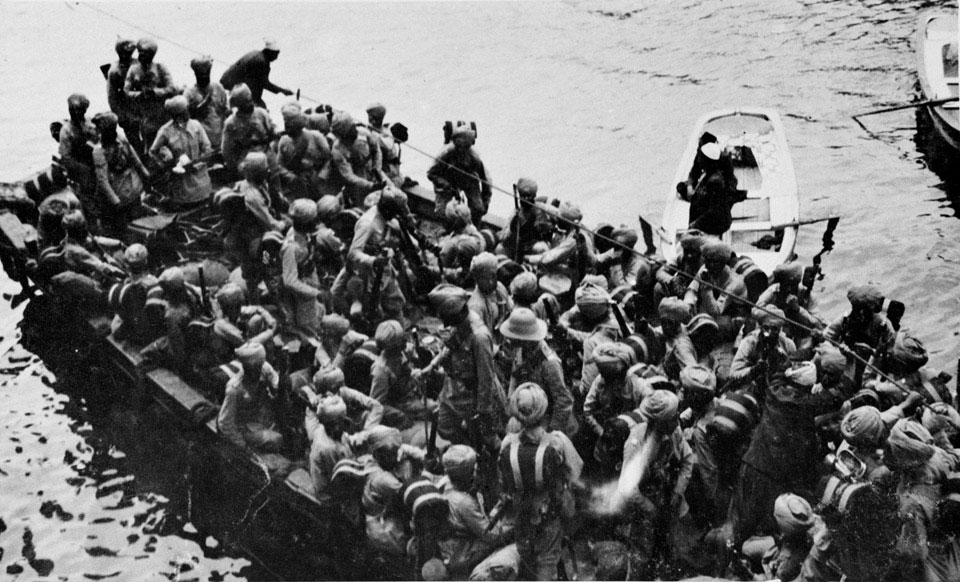
In that sense, the First World War was not only a catastrophe. It was a beginning.
It marked the point at which war became fully modern- industrial, bureaucratic, mass-based, logistically decisive, technologically accelerated, and politically total in a way earlier wars had only foreshadowed.
And it left behind the question that would define the century that followed: once industrial society is fused to war, does humanity learn to restrain violence, or merely to organize it more efficiently the next time?
World War II and the Acceleration of Modern War
If the First World War made war industrial, the Second World War made it integrated, global, and fully systemic.
The First World War revealed the destructive power of industry, attrition, and mass mobilization. The Second did not discard those lessons. It accelerated them, corrected some of them, weaponized others, and fused them into a faster and more adaptive form of war. This was no longer only a contest of endurance in trenches. It became a war of maneuver, production, airpower, intelligence, maritime reach, ideological annihilation, and industrial depth all at once.
That is what made it so decisive in the evolution of war.
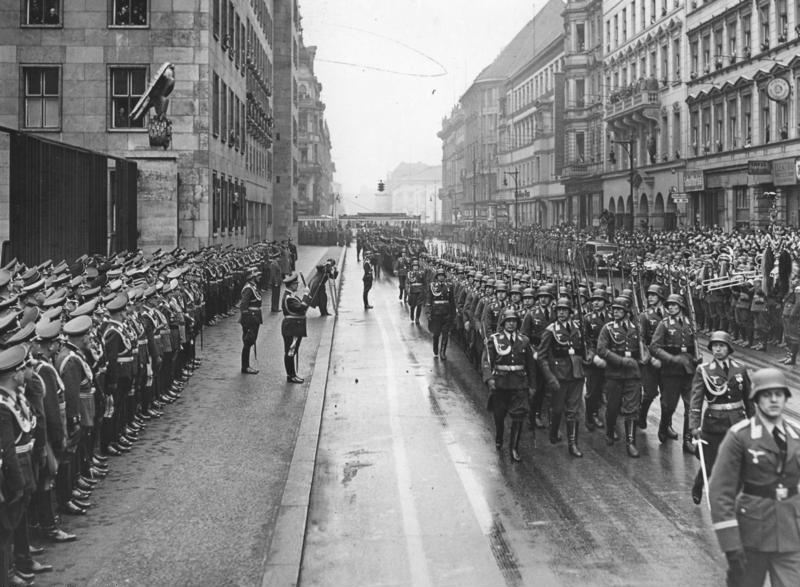
[Berlin, Wilhelmstrasse – Parade in front of the Reich Air Ministry]. Bundesarchiv, Bild 183-03127 / CC-BY-SA 3.0, CC BY-SA 3.0 DE
Integration as Combat Power
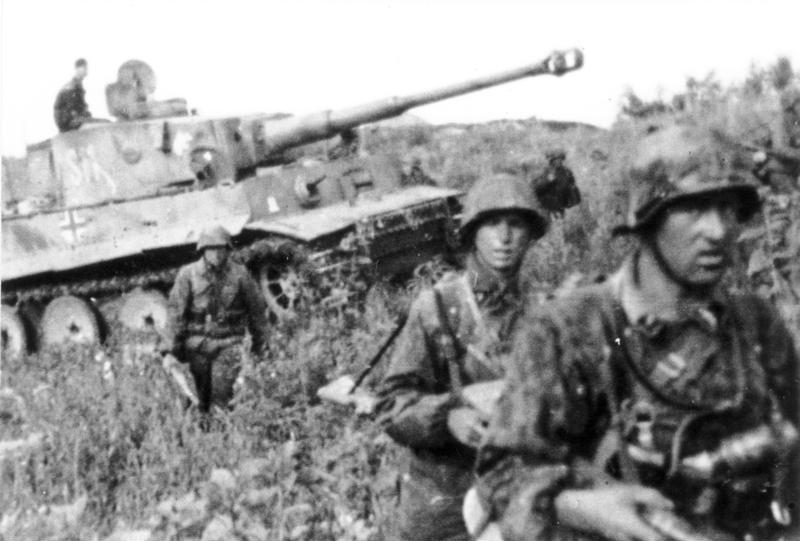
The most important operational lesson of the Second World War was not simply that mobility had returned. It was that mobility could now be organized at scale through the integration of armor, airpower, communications, logistics, and doctrine. What came to be described as blitzkrieg was not magic and not merely speed. It was concentrated coordination- armored thrusts, rapid exploitation, air-ground integration, disruption of command, and the deliberate refusal to let the enemy recover mentally or organizationally before collapse spread.
That was the real breakthrough. Not tanks alone. Not aircraft alone. Not radios alone. Integration.
This was the war in which combined arms ceased to be a promising idea and became a condition of serious military effectiveness. It was no longer enough to possess strong weapons in separate categories.
Victory depended increasingly on the ability to connect them into a coherent operational system. Firepower, mobility, intelligence, logistics, and timing had to function together. The state that mastered integration gained far more than tactical advantage. It gained the ability to turn local success into strategic rupture.
The Limits of Operational Success
And yet the Second World War also proved the limits of operational brilliance when it outruns strategy. Germany’s early victories were extraordinary in tempo and coordination, but they were not matched by sustainable grand strategy.
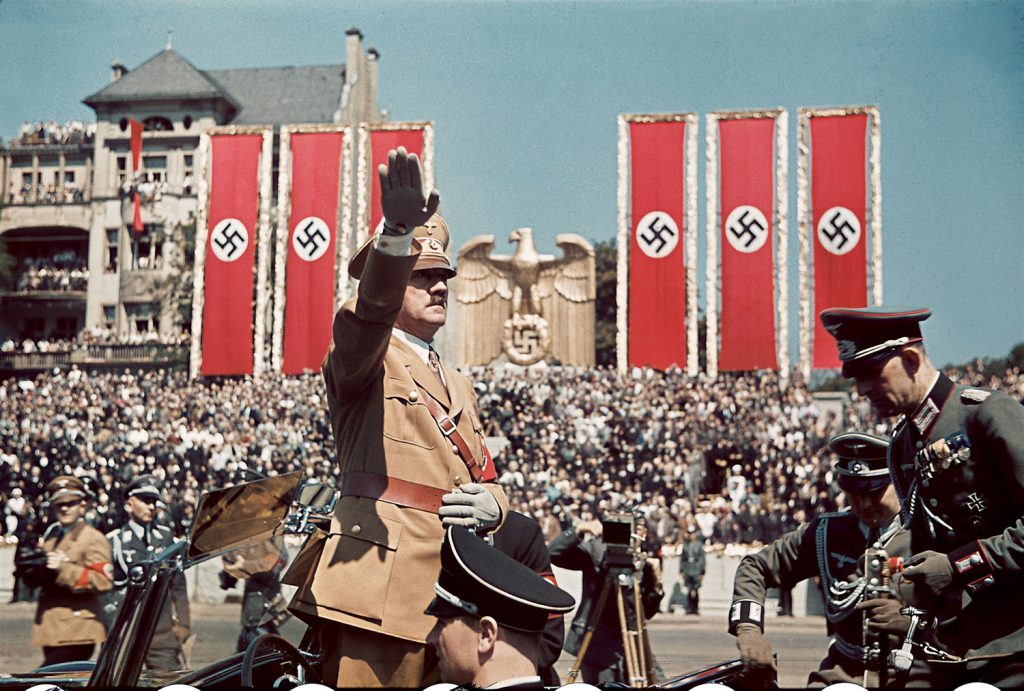
The invasion of the Soviet Union turned maneuver into overreach, and overreach into ruin. What had looked unstoppable became a war Germany could not politically, industrially, or logistically sustain.
That is one of the central lessons of the war- operational excellence cannot rescue strategic incoherence.
Convergence and Collapse
Nazi Germany was not defeated by one front, one army, or one tool. It was broken by convergence. Western industrial power, Soviet mass and endurance, strategic bombing, intelligence penetration, maritime control, economic isolation, and the opening of multiple fronts combined to destroy the regime’s ability to recover.
Germany did not simply lose battles. It lost the capacity to convert violence into durable strategic position.
That distinction matters because the Second World War did more than show how modern states fight. It showed how modern states are broken.
The Eastern Front and War as Civilizational Attrition
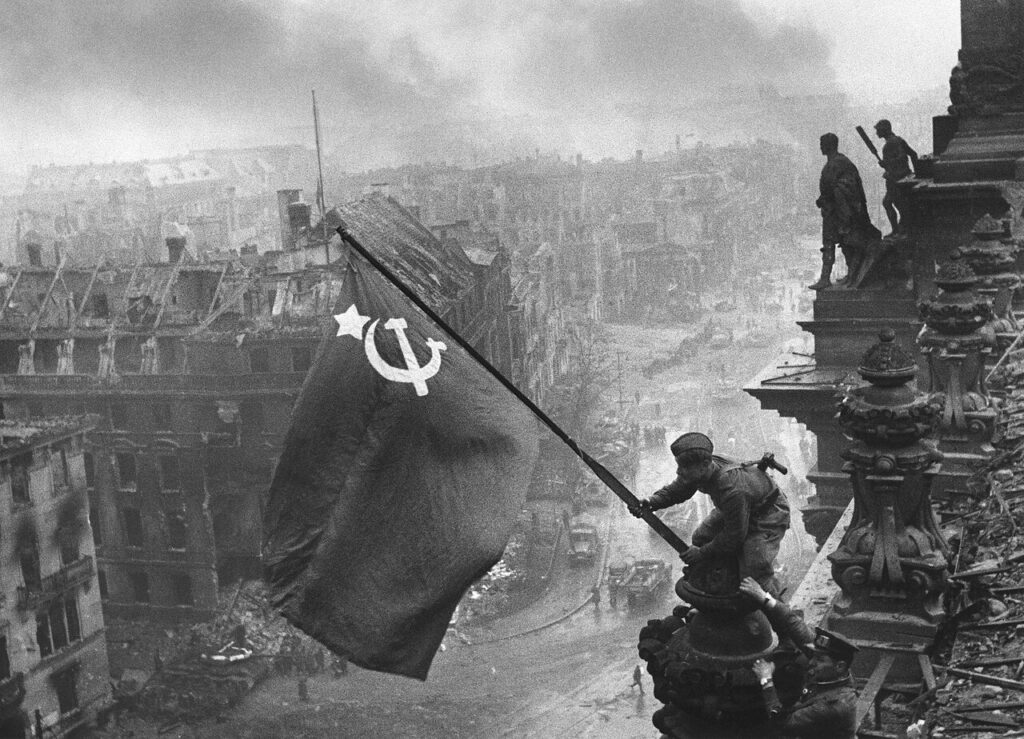
The Eastern Front remains the clearest demonstration of war as organized attrition on a civilizational scale. It was not only a battlefield struggle. It was a war of exhaustion, brutality, replacement, industrial output, ideological hatred, and survival. The Wehrmacht could destroy, encircle, and kill on an enormous scale.
But once it failed to break Soviet capacity quickly, it became trapped inside a war it could no longer end on favorable terms. Time, distance, manpower, production, and winter all ceased to be background conditions. They became active participants in Germany’s defeat.
The Western Front and Structural Defeat
The Western Front demonstrated something different- the power of coalition warfare, industrial coordination, strategic bombing, and the deliberate opening of a second front to close the vice.
It was not simply that Germany was attacked from west and east. It was that the regime was forced into a war of impossible simultaneity. Once a modern power is required to survive attrition, defend depth, replace losses, absorb bombing, fight coalitions, and sustain ideological war across multiple theaters at once, defeat ceases to be abstract. It becomes structural.
Maritime Power and the Battle of Survival
The war at sea was equally transformative. Maritime power was not a secondary theater. It was one of the foundations of global war. The Battle of the Atlantic showed that logistics is not merely about moving supplies. It is about whether a civilization can keep itself alive under pressure. Shipping lanes, naval escorts, submarines, convoy doctrine, codebreaking, fuel movement, and industrial sustainment became part of the same struggle.
Sea power did not merely support victory. It made victory logistically possible.
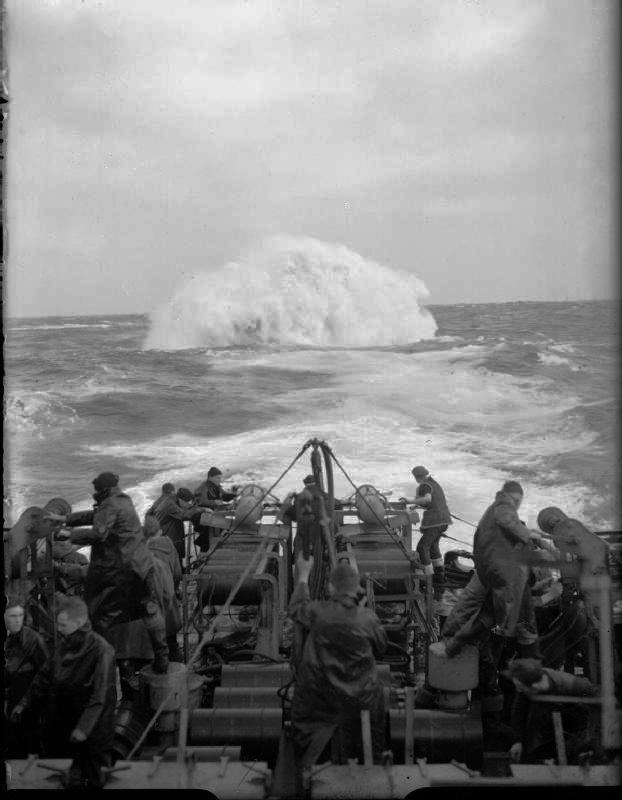
Anti-Submarine Weapons: A depth charge explodes astern of HMS STARLING. Mk VII depth charges, which were the standard anti-submarine weapon at the beginning of the Second World War, can be seen in the racks on the quarter-deck.
Airpower and the Expansion of the Battlefield
Airpower also changed permanently in this war. Strategic bombing, air superiority, close air support, and long-range strike all expanded dramatically in scope and consequence. But the most important lesson was not technological. It was political and psychological.
Airpower demonstrated that war could now reach deep into the economic and civilian interior of states on a scale previously unimaginable. Industry, cities, production, morale, and civilian life became directly vulnerable in new ways. The battlefield was no longer geographically confined. War had entered the depth of society.
The Pacific and Nuclear Rupture
The Pacific added yet another decisive layer- maritime reach fused with industrial scale and, ultimately, nuclear force. Japan’s strike on Pearl Harbor remains one of the clearest examples of how tactical surprise can generate strategic disaster when it activates an opponent with deeper industrial and political reserves.
The United States did not simply recover. It converted injury into total mobilization. The Pacific campaign then became a demonstration of naval-industrial warfare, long-distance logistics, amphibious operations, air-sea integration, and attritional advance across enormous space.
And then came Hiroshima and Nagasaki.
The atomic bomb did not simply end a war. It altered the structure of war itself. For the first time, a single weapon could compress industrial science, military force, and civilizational destruction into one moment. Nuclear weapons did not eliminate conventional war. But they changed the ceiling of violence forever. From that point onward, every major-power conflict would exist under the shadow of escalation into something categorically different.
The Second World War as Fully Systemic War
That is why the Second World War is not merely the continuation of the First with better tools. It is the war that accelerated every major dimension of modern warfare at once- maneuver, integration, coalition warfare, intelligence, industrial mobilization, sea control, strategic bombing, amphibious reach, ideological annihilation, and nuclear rupture.
It also destroyed one of the most comforting illusions in military thinking- that victory in modern war can be explained by one decisive factor. Germany had superior operational method for periods of the war. Japan had surprise, will, and tactical aggression. None of that was enough.
The war was decided by the interaction of layers, industrial power, intelligence, logistics, geography, coalitions, ideology, manpower, maritime access, air dominance, and strategic endurance.
That is the deeper lesson.
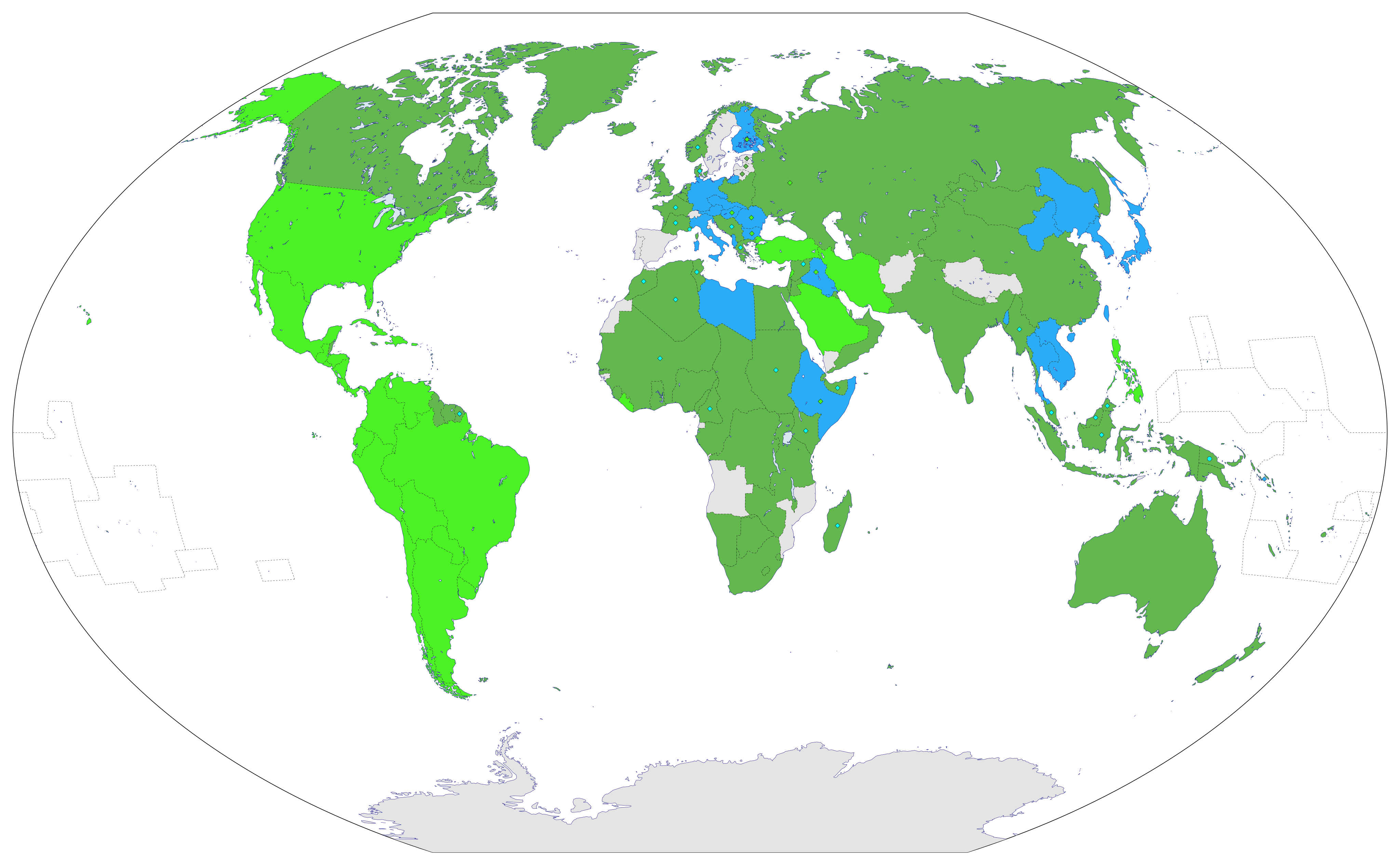
The Second World War did not merely show that modern war had become more destructive. It showed that war had become fully systemic. To win, a state had to integrate force across domains, across theaters, across time, and across society. To lose was not simply to suffer battlefield defeat. It was to lose the ability to continue converting power into strategic effect.
And that lesson would shape everything that followed.
Because once the war ended, the world did not move into peace in the old sense. It moved into a nuclear age in which war between the strongest states became too dangerous to wage directly in the form they had just experienced.
That was the beginning of the Cold War.
The Cold War and the Globalization of Indirect War
The Cold War changed war by changing what the strongest states could no longer risk doing directly.
The invention of nuclear weapons did not end conflict. It transformed its structure. For the first time, the most powerful states on earth had to compete under the knowledge that direct escalation could become civilizational suicide. That single fact altered the political grammar of force. Great powers still threatened, armed, destabilized, infiltrated, and contested one another. But they did so under a ceiling of destruction that made open war between them radically more dangerous.
That is why the Cold War was not peace. It was armed rivalry under limits.
Deterrence and the Migration of War
The central strategic concept of the era was deterrence, and its harshest expression was mutual assured destruction. This did not produce moderation in any moral sense. It produced strategic discipline under terror. The major powers learned that they could not freely repeat the logic of the Second World War against one another. If direct war became too dangerous, then indirect war became more valuable.
That is the real military revolution of the Cold War- war did not disappear. It migrated.
It moved into proxy conflicts, coups, insurgencies, counterinsurgencies, covert action, sabotage, political warfare, intelligence operations, ideological penetration, and sustained contests for influence across regions that were not peripheral to the struggle but central to it. Korea, Vietnam, Afghanistan, Latin America, the Middle East, Africa, and countless covert confrontations were not deviations from Cold War logic. They were the logic.
The superpowers learned that they could bleed each other without formally going to war with each other.
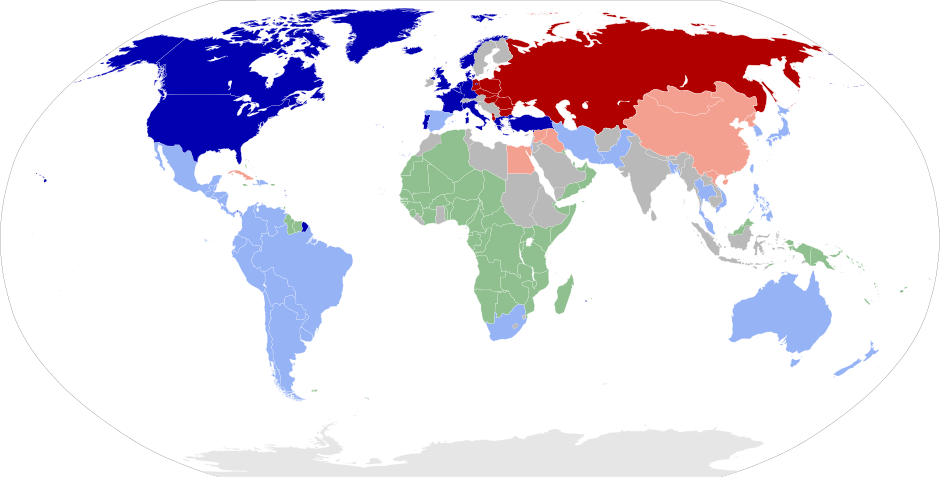
NATO member states (blue)
Other allies of the USA (light blue)
Colonized countries (light green)
Warsaw Pact member states (red)
Other allies of the USSR (light red)
Non-aligned nations (gray)
Crisis, Escalation, and the Architecture of Division
The Cuban Missile Crisis was the clearest proof of how narrow the margin had become. It was not simply a diplomatic confrontation. It was the moment the world saw, in explicit form, that war between major powers had entered a new category. Nuclear rivalry was no longer abstract. It was immediate, compressed, and existential.
The crisis taught the superpowers that the management of escalation had become as important as the application of force itself. It also taught them something else- from that point forward, competition would increasingly be pushed outward, into other geographies, other instruments, and other actors.
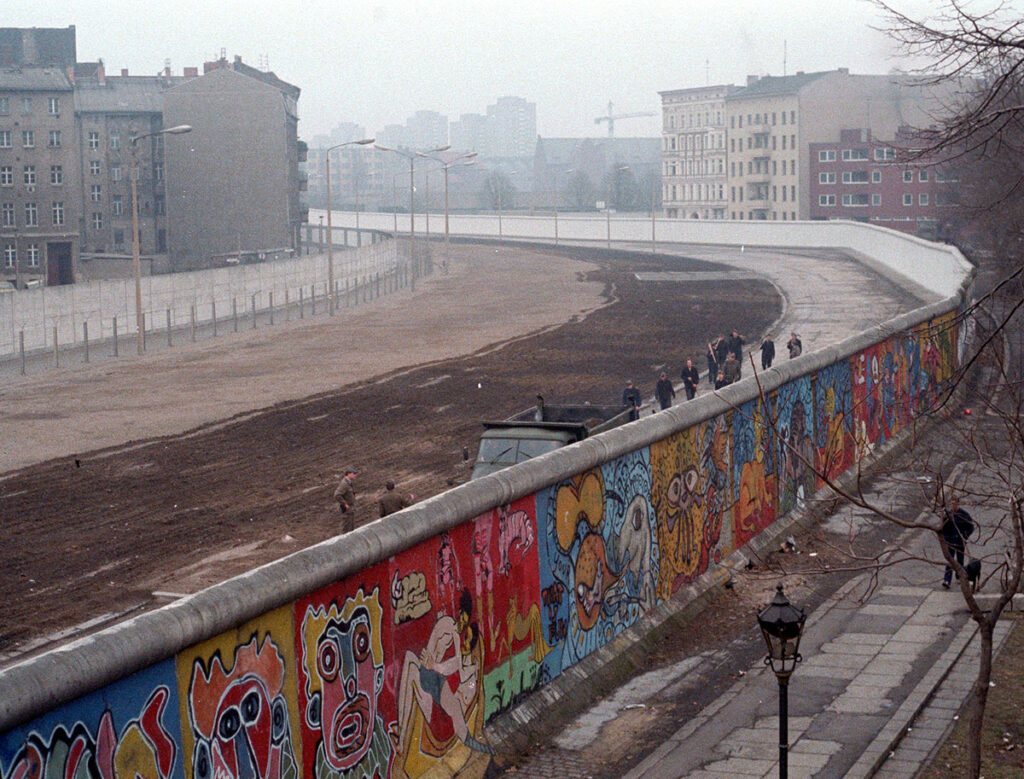
Berlin made the same truth visible in another form. The Berlin Wall was not merely concrete and barbed wire. It was the physical architecture of a divided world. It embodied the fact that the Cold War was not only a military confrontation but a struggle over systems, populations, legitimacy, and internal control. The Wall did not just separate East from West. It institutionalized the idea that the state itself could be militarized against the movement of its own people.
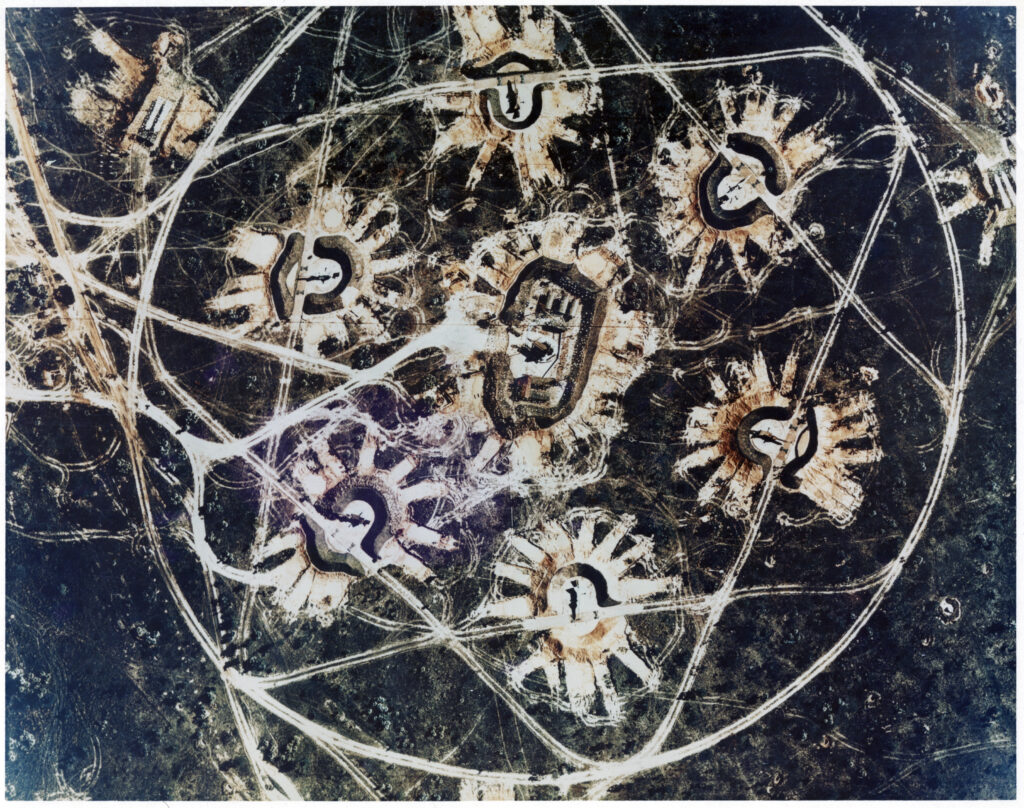
Surveillance, Intelligence, and Internal Control
That is where the Stasi matters. The East German security apparatus was not a side feature of the Cold War. It was one of its purest expressions. Surveillance, infiltration, intimidation, informant networks, internal control, and political fear were not accidental to the system. They were part of how Cold War power functioned. The struggle between East and West was fought not only through armies and missiles, but through information, secrecy, social penetration, and the conversion of domestic life into a security battlefield.
This is why intelligence rose to a different level during the Cold War. Intelligence had always mattered. In the Cold War it became a permanent theater of conflict in its own right. Espionage, counterintelligence, covert financing, strategic deception, clandestine influence, signal interception, political warfare, and controlled ambiguity became standing instruments of statecraft. Conflict no longer required visible battle in order to be consequential. It could now live in files, networks, false fronts, recruitment, sabotage, manipulated movements, and deniable sponsorship.
Terrorism Inside the Cold War Ecosystem
That is also why terrorism has to be placed inside the Cold War, not outside it. The era did not merely witness terrorism. It globalized the infrastructure within which terrorism could become strategically useful. Hijackings, transnational cells, Palestinian armed organizations, radical European networks, Japanese extremists, safe havens, arms channels, and intelligence-linked toleration all emerged within a larger environment shaped by bloc rivalry. Not every terrorist act was controlled by a superpower. Not every violent network was a puppet. That is the wrong standard.
The important fact is that the Cold War created an ecosystem in which violent non-state actors could be sheltered, used, tolerated, watched, redirected, or discarded according to shifting strategic utility.
This is where figures like Carlos the Jackal matter. Carlos was not important simply because he was notorious. He mattered because he embodied one of the most revealing truths of the era- terrorism had become entangled with sanctuary, intelligence toleration, and the gray-zone logic of East-West confrontation. The archival record does not support the simplistic myth of one monolithic Soviet command structure controlling all international terrorism. But it does show that Carlos moved inside a Cold War ecosystem in which Eastern Bloc services, especially in Czechoslovakia and East Germany, monitored, accommodated, manipulated, or sought to manage actors like him according to changing political and security calculations.

That ambiguity is the point. The Cold War did not need a single master hand behind every act of violence to make terrorism part of its strategic environment. It only required enough overlap between ideological struggle, state sponsorship, deniable sanctuary, and operational utility to make such violence structurally useful. That is what happened.
The same logic appeared across multiple theaters. Palestinian organizations, radical European groups, and other transnational militants did not emerge in a vacuum. They operated in a world shaped by bloc competition, state patrons, rival intelligence agendas, training infrastructures, and the political use of chaos. The Cold War turned terrorism from a marginal phenomenon into one of the recognizable instruments through which indirect conflict could be waged below the threshold of open interstate war.
Victory Redefined Under Nuclear Conditions
This is also why the Cold War changed the meaning of victory. In earlier eras, war still carried the image of battlefield defeat, territorial seizure, and visible collapse. Under nuclear conditions, success became slower, harder to measure, and more indirect: containment, exhaustion, alliance durability, deterrence credibility, political erosion, economic strain, regime penetration, ideological attrition, and the ability to outlast the opponent without triggering terminal escalation.
That did not make the era less violent. It made it more layered.
Many of the conflicts fought during the Cold War were exceptionally brutal. But they were often fought by others, in other geographies, under limits imposed by actors not themselves bearing the full human cost. This is one reason Cold War conflicts combined intensity with ambiguity. Local participants were often fighting existential wars. External patrons were often fighting positional wars. That disconnect shaped escalation, duration, and outcome.
The Korean War showed that conventional war could continue under nuclear shadow. Vietnam showed that superior firepower, technology, and resources could still fail against a politically resilient enemy with ideological depth, sanctuary, and strategic patience. Afghanistan showed, from the Soviet side, that even a superpower could bleed inside a war it could not politically convert into control. But behind all of those cases remained the same deeper truth- the Cold War had normalized a condition in which competition became continuous, violence became indirect, and the line between war and non-war grew permanently unstable.
That legacy did not end in 1991.
What the Cold War normalized, proxy war, deterrence, intelligence competition, political warfare, terrorism within strategic ecosystems, and conflict conducted below the threshold of formal great-power war, did not disappear with the collapse of the Soviet Union. The bipolar structure ended. The methods survived.
And that is why the next stage in the evolution of war would not begin with peace. It would begin with a new illusion- that once the Cold War was over, force could be applied quickly, cleanly, and decisively without reproducing the old problems in new form.
The war that exposed the weakness of that illusion before the Cold War was even over was Vietnam.
Vietnam and the Limits of Superior Force
Vietnam was the war that exposed one of the most enduring illusions in modern military history- that overwhelming power, technological superiority, and material advantage are enough to produce strategic success.
They are not.
The United States entered Vietnam with immense superiority in firepower, aviation, logistics, industrial backing, and global reach. On paper, the asymmetry was overwhelming. In conventional terms, the United States was the stronger power by every measurable standard.
But war is not decided by strength in the abstract. It is decided by the relationship between force, political purpose, legitimacy, adaptation, time, and the enemy’s willingness to absorb punishment in pursuit of an outcome that matters more to him than to you.
Vietnam made that truth impossible to ignore.

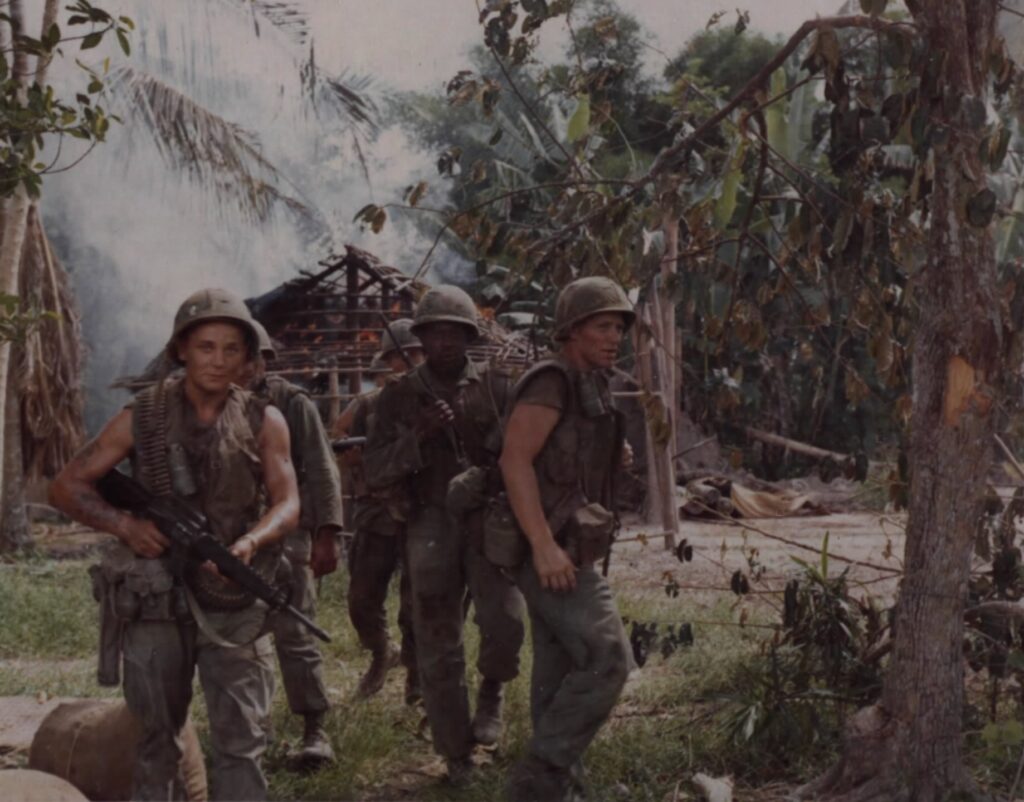
U.S. Marine Michael Wynn with a slogan written on his helmet “Make War Not Love” at Da Nang, South Vietnam, 1967.
Power Without Political Conversion
This was not the first war in which a stronger power underestimated a weaker one. But it was one of the most consequential examples in the modern era because it happened at the height of American power and under the logic of Cold War containment. Washington did not enter Vietnam simply to win a local war. It entered under the belief that geopolitical credibility, ideological competition, and the containment of communist expansion required it.
That framing gave the war strategic importance. It did not, however, solve the problem of whether the means being used were aligned with the nature of the conflict itself. They were not.
Vietnam exposed a widening gap between military capability and political understanding. The United States could kill at scale, strike at distance, deploy enormous resources, and dominate many tactical engagements. What it could not do was convert those advantages into a stable political outcome. Superior force could inflict damage. It could not manufacture legitimacy. It could impose attrition. It could not guarantee control over meaning, endurance, or local will.
That is what made Vietnam such a turning point in the evolution of war.
It revealed that a weaker enemy does not need to defeat a stronger power symmetrically in order to prevail. It can survive. It can deny closure. It can force duration. It can make time itself corrosive. It can turn the battlefield into one part of a larger struggle over perception, legitimacy, patience, and domestic tolerance for cost. Once that happens, the stronger power begins to discover that military superiority is not the same as strategic dominance.
War, Media, and the Home Front
Vietnam also changed the relationship between war and media. Earlier wars had shaped public opinion, of course, but Vietnam brought war into the living room in a new and sustained way. Images, casualties, destruction, protest, political disillusionment, and the gap between official rhetoric and visible reality all entered the social consciousness with a force that transformed the home front into a contested theater of the war itself.
The battlefield was no longer far away in the political sense. It had become domestically present.
That matters because wars are not fought only against enemies. They are also fought through the ability of a political system to explain, justify, sustain, and absorb them. Vietnam showed what happens when that capacity begins to fracture. The war did not only damage American credibility abroad. It wounded American confidence at home.

This is one reason Vietnam produced such a deep and lasting cultural afterlife. The war did not end when the fighting ended. It remained embedded in the American mind as a symbol of strategic overreach, political ambiguity, military frustration, and the fear of being drawn into another conflict where superiority in arms could not produce clarity of purpose or a durable end state.
That is why Vietnam has lived for decades in American film, literature, memory, politics, and military caution. It became more than history. It became a recurring warning.
No Boots on the Ground
That warning had a name, even when not always spoken as one- no boots on the ground.
That phrase did not emerge from nowhere. It is the residue of a trauma. It reflects a lesson, sometimes correct, sometimes overextended, that prolonged ground involvement in complex foreign wars can consume political will faster than it produces strategic gain.
Vietnam did not make the United States pacifist. It made it wary. It made distance attractive. It made airpower, technology, standoff strike, proxies, and limited exposure politically preferable whenever possible. The desire to avoid another Vietnam became one of the defining instincts of later American statecraft.
Insurgency and Strategic Exhaustion
Vietnam also demonstrated that insurgency is not merely a military problem. It is a political and social one. Insurgents do not need to control the entire battlespace to remain effective. They need sanctuary, local depth, political narrative, recruitment, endurance, and the ability to make the stronger power’s presence strategically exhausting.
The war showed that even enormous resources cannot compensate indefinitely for a mismatch between political objectives and the structure of the conflict on the ground.
This is where Vietnam connects directly to later wars. It established, with painful clarity, that body counts are not strategy, firepower is not control, tactical success is not political resolution, and military presence is not legitimacy. Those lessons were relearned, ignored, misunderstood, and relearned again in the decades that followed.
Vietnam also matters because it exposed the limits of Cold War thinking when applied too mechanically to local realities. The logic of containment made strategic sense at the level of blocs. But wars are not fought at the level of abstraction. They are fought in societies, landscapes, histories, and political cultures with their own dynamics. What Washington understood geopolitically, it often failed to understand politically on the ground. And that failure widened over time.
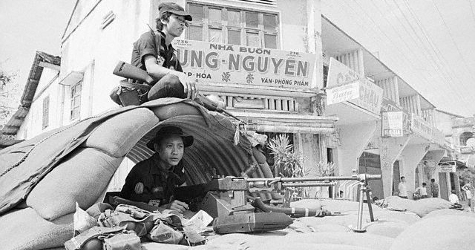
In that sense, Vietnam was not only a war America failed to win. It was a war that forced the United States to confront the limits of power itself. Not absolute limits. Not permanent limits. But the limits of what force can achieve when political context, legitimacy, and strategic patience are misread.
That is why Vietnam remains central to the evolution of war. It proved that modern war could no longer be understood only through mass, industry, maneuver, and technology. It had to be understood through legitimacy, narrative, endurance, domestic consent, and the possibility that the weaker side might not need to win outright in order to succeed.
For the United States, that lesson became a wound. For the world, it became a precedent.
And in the decades that followed, that wound would continue to shape American choices, sometimes as caution, sometimes as avoidance, sometimes as overcorrection, and sometimes as the illusion that war could be made cleaner, shorter, and less politically corrosive if only the right technology or doctrine were applied.
That illusion would not survive the wars that came after the Cold War. But before the United States rediscovered the limits of force in a new century, another set of wars would demonstrate something different- what happens when small states under constant threat, fighting for survival close to home, often learn faster, adapt harder, and compress strategy, intelligence, and improvisation into forms of warfare that larger powers do not always understand in time.
That was one of the central lessons of the Arab-Israeli wars.
The Arab-Israeli Wars and the Strategic Culture of Survival
The Arab-Israeli wars matter in the evolution of war not only because of their military significance, but because they reveal what kind of strategic culture emerges when a state is born, fights, and survives under conditions of permanent compression.
These wars were not simply contests over territory, prestige, or temporary advantage. For Israel, they were often wars fought under the shadow of possible non-survival. That does not make them morally simple or historically uncontested. It does make them strategically distinct.
A state that believes defeat may mean destruction does not build the same military culture as a great power with depth, distance, time, and margin for error. It learns different habits. It thinks differently about initiative, speed, intelligence, reserves, improvisation, and the cost of waiting.
1948 and the Grammar of Survival
That strategic culture did not begin in 1967 or 1973. It began in 1948.
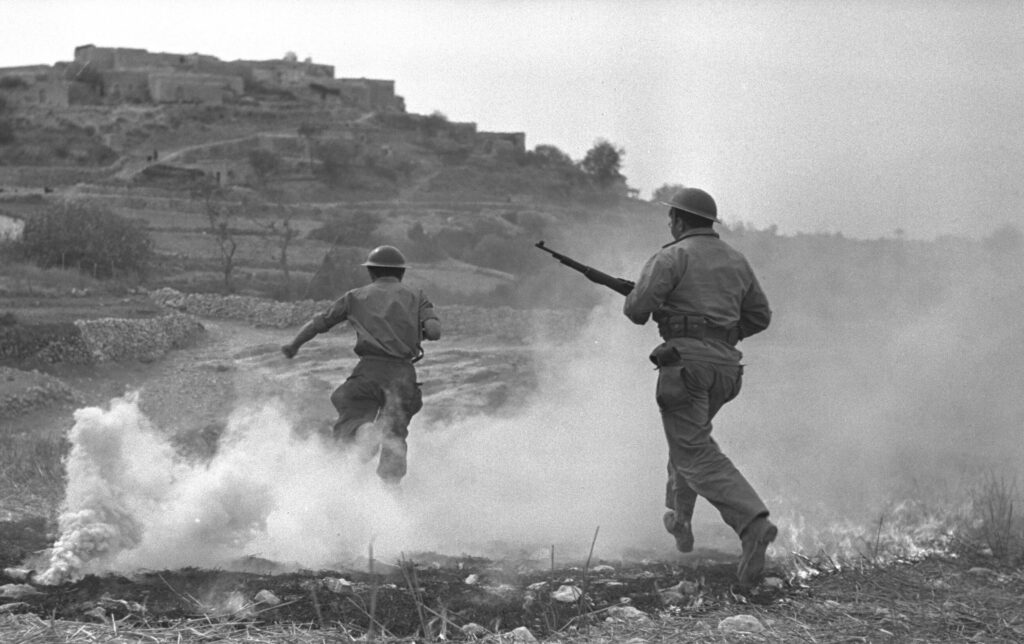
Israel’s War of Independence established more than the state itself. It established a grammar of survival. The war was fought under conditions of scarcity, fragmentation, uncertainty, and siege. Equipment was limited. Institutional structures were still emerging. Strategic depth was minimal. Time was scarce. The state did not possess the luxury of learning slowly. It had to improvise under pressure, organize while fighting, and build military logic in real time. That is a very different origin story from that of a large and established power.
The struggle over access to Jerusalem illustrates the point with particular clarity. War was never only about battlefield contact. It was about routes, supply, endurance, encirclement, and the ability to break logistical strangulation before political survival collapsed.
A besieged capital is not simply a symbolic problem. It is a test of whether a new state can sustain itself materially and psychologically while under existential pressure. In that sense, 1948 established one of the most enduring truths of Israeli military culture- logistics under siege is not a support question. It is a survival question.
Improvisation as Structure
This is also where improvisation ceased to be optional and became structural. A small state under immediate threat, short on matériel and long on exposure, could not fight by copying the methods of larger armies. It had to adapt faster, decide faster, and often act before conditions were ideal. Creativity was not a virtue added to doctrine. It was a substitute for strategic depth. Initiative was not merely admired. It was often necessary.
That matters because such conditions shape command culture. In militaries with space, time, and layered redundancy, delay may be survivable. In militaries without those cushions, hesitation can become fatal.
This helps explain the emergence of a command ethos in which initiative, improvisation, and sometimes action taken ahead of formal instruction could be experienced not simply as indiscipline, but as a survival instinct. Such a culture carries risks. It can become reckless if untethered from discipline. But under existential conditions it can also become one of the state’s decisive strengths.
That early grammar of survival shaped everything that followed.
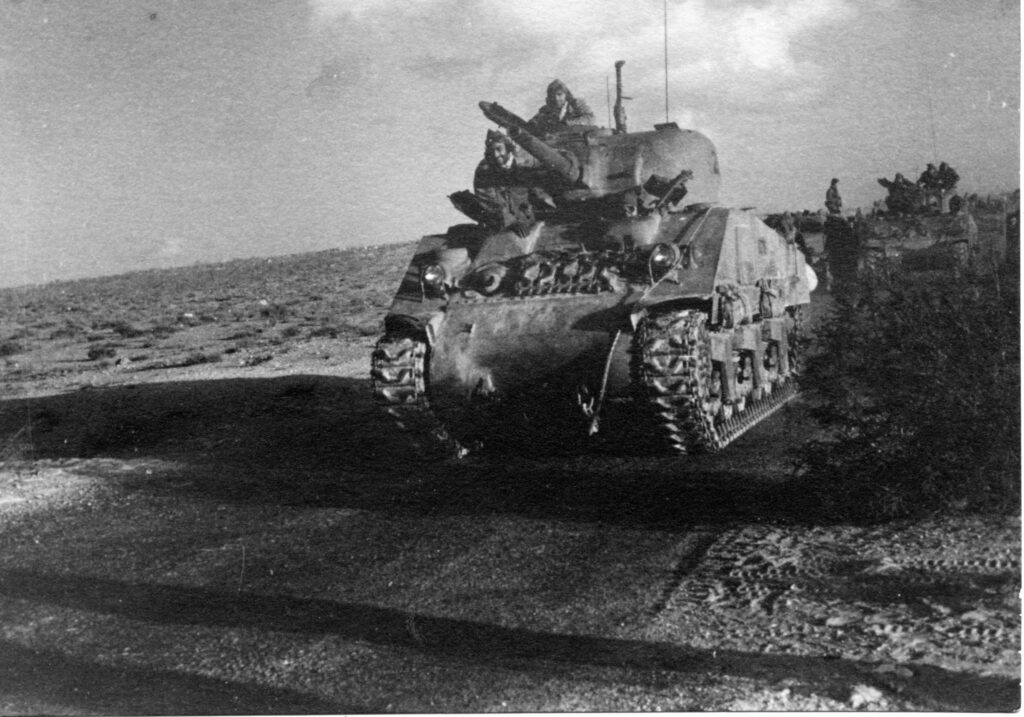
1967 and the Seizure of Initiative
The Six-Day War in 1967 demonstrated the strategic value of initiative, preemption, intelligence, airpower, and speed. Israel’s opening strike against Arab air forces was not simply tactically impressive. It transformed the war before many of its opponents could fully enter it. By destroying enemy aircraft on the ground, Israel did more than gain air superiority. It seized operational time. That is one of the deepest strategic lessons of the war- for a small state under concentrated threat, the rapid seizure of initiative can radically alter the balance of survival.
The war also showed how intelligence, doctrine, and operational execution can reinforce one another when the political and military system is aligned. Speed alone did not produce the result. Nor did technology alone. What mattered was integration- information turned into action quickly enough to prevent the enemy from shaping the conflict first. For a country without strategic depth, compressing the enemy’s time is often more important than merely expanding one’s own.
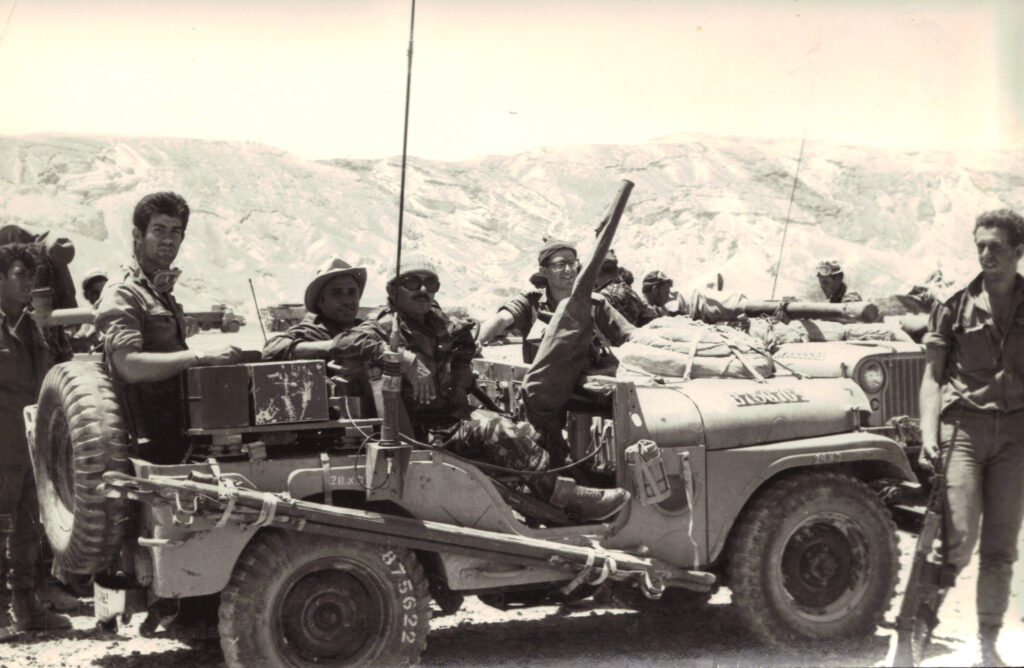
1973 and the Failure of Interpretation
And yet the Yom Kippur War in 1973 revealed the opposite lesson with equal force. It showed that even states with strong intelligence cultures can become prisoners of assumption. Israel was surprised not because it had no indicators, but because those indicators were filtered through a flawed conceptual frame. Warning existed. Interpretation failed. That is one of the most enduring lessons in modern military history. Intelligence failure is often not the absence of information. It is the inability to read information correctly because doctrine, confidence, or political psychology has narrowed what decision-makers believe is possible.
The Yom Kippur War was therefore not only a military shock. It was a shock to strategic certainty itself.
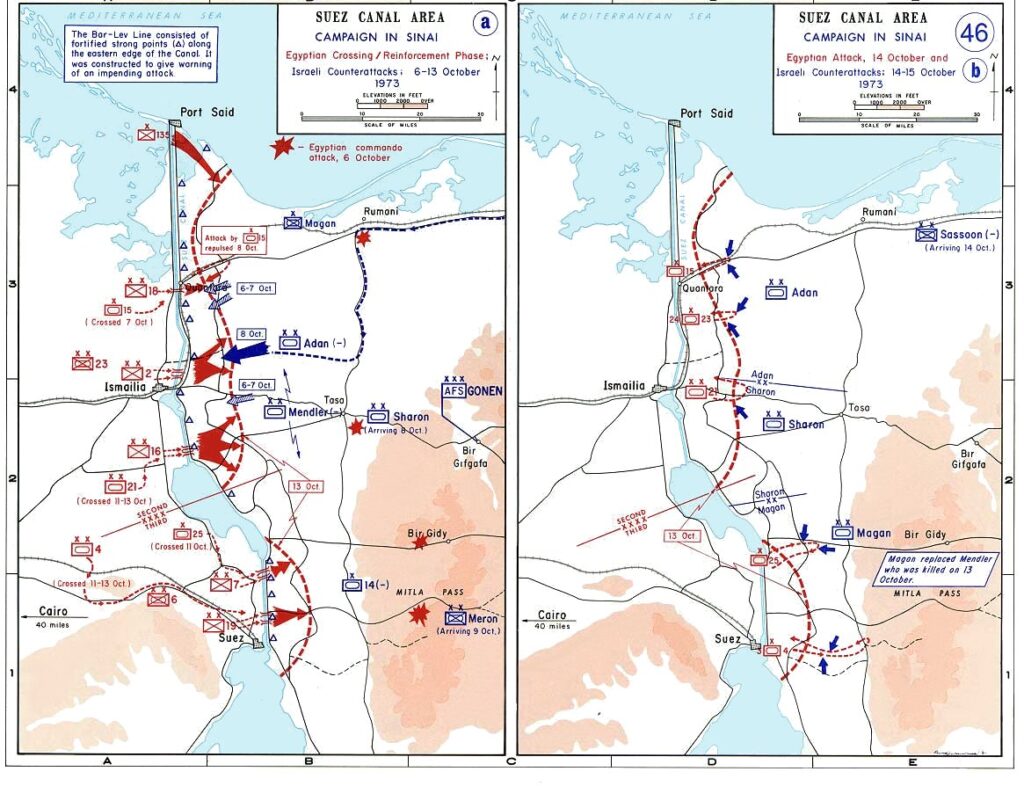
It demonstrated the danger of success when success hardens into intellectual rigidity. Victories teach. But they also seduce. A military that learns the right lessons from one war can become formidable. A military that learns only the confirming lessons can become vulnerable in the next. That is what made 1973 so important. It exposed the limits of confidence built on earlier triumph and forced a painful reexamination of assumptions about warning, readiness, Arab intentions, and the cost of delay.
At the same time, the war also revealed something else about Israeli military culture: its capacity for rapid adaptation under existential pressure. Improvisation, battlefield learning, initiative under crisis, and the refusal to collapse under initial shock all reappeared. This does not erase the failures that preceded them. It does show how a state forged in emergency often learns to fight in accelerated cycles of error, adjustment, and recovery.
That pattern, dangerous, costly, but real, became part of the strategic identity of Israeli warfare.
Airpower, Reserves, and Societal Mobilization
Airpower also occupies a different place in this history than it does in the histories of many larger states. In powers with depth, airpower may be one domain among others. In the Israeli case, it has often been central to preserving time, compressing the enemy’s options, neutralizing immediate threats, and compensating for the absence of geographic margin. That does not make airpower omnipotent. It does explain why it has carried such disproportionate strategic weight. In a state that cannot easily absorb prolonged exposure, striking first, striking precisely, and striking fast are not doctrinal luxuries. They are structural necessities.
The same is true of reserves. In a society that cannot sustain massive standing armies indefinitely, reserves become more than a force-generation mechanism. They become part of the national war system itself. Civilian society and warfighting capacity are tightly linked.
The military is not separate from society in the same way it often is in larger states. That creates both resilience and vulnerability- resilience because mobilization can be rapid and socially embedded; vulnerability because surprise can disrupt the transition from civilian normality to military readiness with extraordinary consequence.
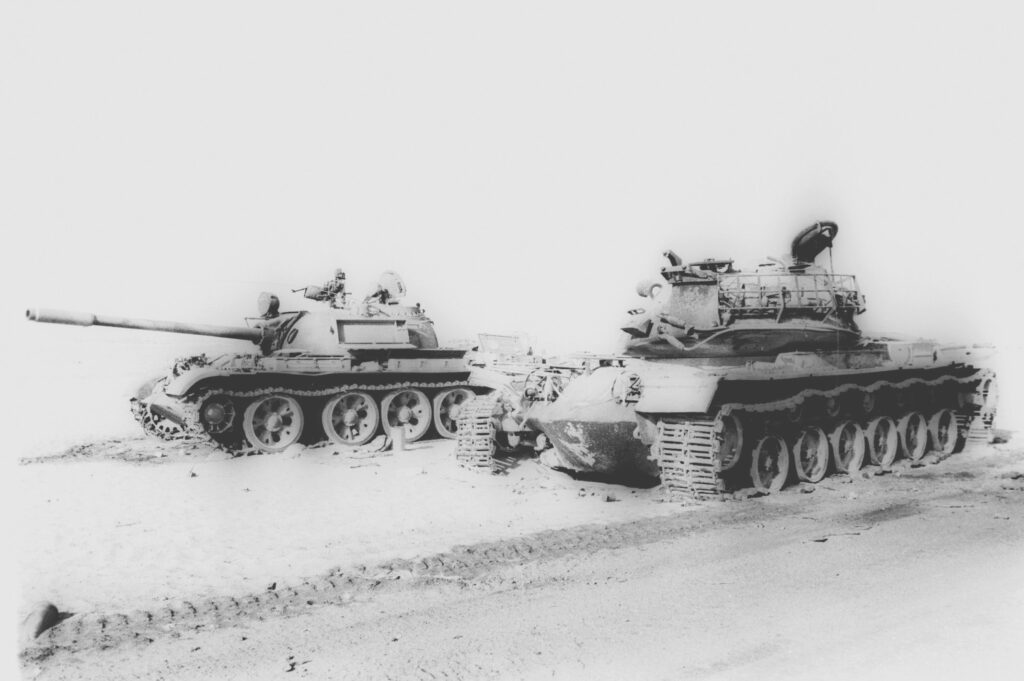
Victory Without Closure
The Arab-Israeli wars also show the limits of military victory. Tactical success, operational excellence, and even strategic survival do not automatically produce political closure. The battlefield can be won while the wider conflict continues in altered form. Military success can secure the state while failing to dissolve the ideologies, identities, grievances, or external systems that continue to generate hostility. That is another lesson with relevance far beyond this region: force can preserve survival without ending the conflict that made force necessary.
That is why the Arab-Israeli wars occupy such an important place in the evolution of war. They combine conventional interstate war, preemption, armored maneuver, air-ground integration, intelligence contestation, reserve mobilization, adaptation under pressure, and the long afterlife of unresolved conflict. They show what happens when a small state, lacking depth and margin, turns speed, initiative, intelligence, and improvisation into a military grammar of survival.
Above all, they show that war is not only a contest of size. It is a contest of interpretation, timing, initiative, adaptation, and the ability to think faster than the enemy under conditions where prolonged failure may not be survivable.
That lesson would appear again in other theaters under other names. But by the late twentieth century, another war would expose something different- what happens when Europe, convinced it has moved beyond mass atrocity and civilizational fracture, discovers that ethnic war, strategic paralysis, and organized slaughter have not disappeared at all.
Bosnia and the Collapse of the Post-Cold War Illusion
Bosnia mattered because it destroyed one of the most comforting illusions of the post-Cold War era- the belief that Europe had moved beyond mass atrocity, ethnic war, and the return of organized violence at the center of the continent. It had not.
The end of the Cold War created a brief but powerful fantasy in much of the West. With the Soviet bloc collapsing and ideological bipolarity receding, many believed history had entered a less violent phase, more institutional, more legal, more economically integrated, and less likely to produce large-scale war in Europe itself. Bosnia shattered that illusion. It exposed the distance between post-Cold War rhetoric and strategic reality.
This was not a peripheral conflict in its meaning. It was a warning.
Bosnia demonstrated that modern war was not evolving in a straight line toward cleaner forms of force, narrower battlefields, or more manageable political violence. It showed instead that under conditions of state fragmentation, identity collapse, weak deterrence, and international hesitation, war could revert to some of its ugliest foundations: siege, massacre, displacement, terror against civilians, ethnic cleansing, and the deliberate use of atrocity as an instrument of political reordering.
That is why Bosnia matters in the evolution of war. It reintroduced Europe to the fact that war is not only about industrial mass or high-technology maneuver. It can also be about the organized destruction of coexistence.
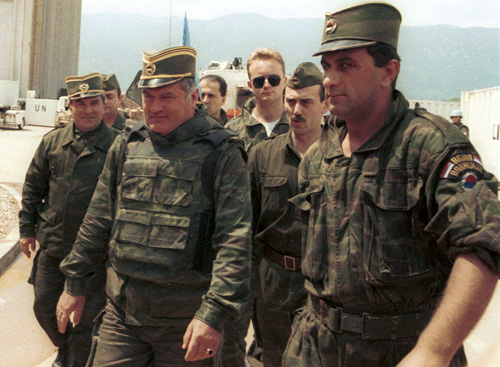
Fragmentation, Civilians, and the Failure of Peacekeeping
The Bosnian war revealed how quickly political breakdown can become military fragmentation, and how quickly military fragmentation can become a war against civilians. This was not simply a contest between armies. It was a war in which identity, territory, population, and fear were fused together. Villages, cities, religious communities, and demographic lines became part of the battlefield. Civilians were not collateral to the conflict. They were often one of its primary targets.
That alone was a major lesson. But Bosnia taught more than that. It exposed the limits of peacekeeping when peace does not exist.
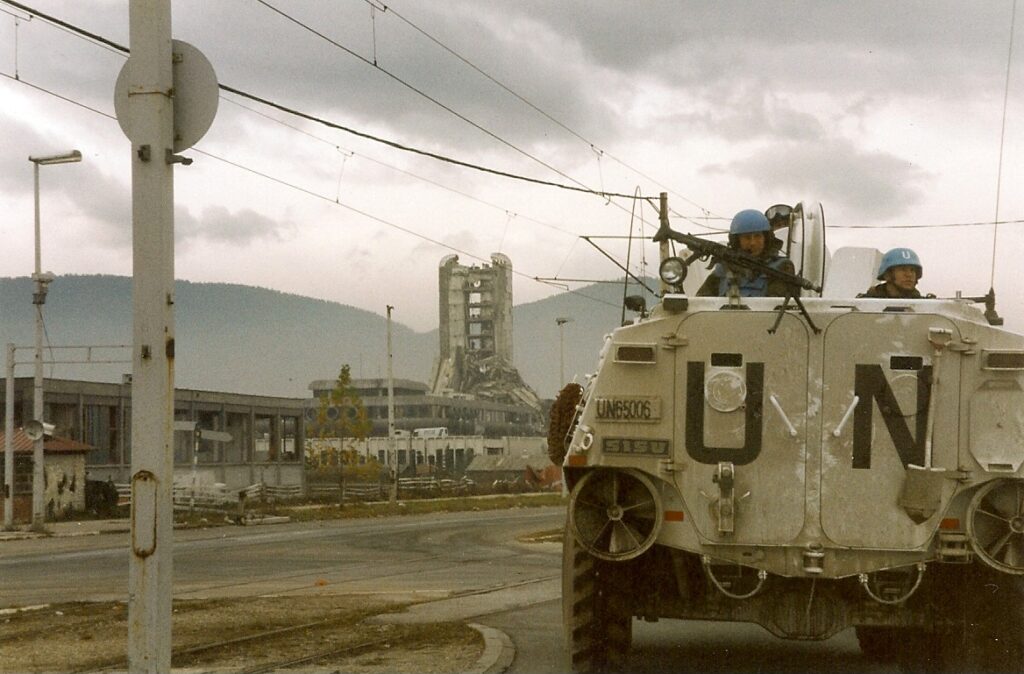
This is where the post-Cold War security mindset suffered one of its most serious failures. The language of monitoring, stabilization, safe areas, and international presence proved badly mismatched to the reality on the ground. A war built around coercion, siege, expulsion, and massacre cannot be managed through assumptions better suited to consensual conflict resolution. Bosnia showed that peacekeeping without credible force can become a theater of helplessness. It can create the appearance of order while lacking the power to stop disintegration.
That failure was not only operational. It was conceptual.
The international response was shaped for too long by the hope that the violence could be contained, moderated, or negotiated downward without confronting the coercive logic driving it. In that sense, Bosnia foreshadowed a recurring strategic error- the belief that extreme violence can be politically managed while its underlying mechanism remains intact. It cannot. When coercion is central to the war’s political purpose, passivity is not neutrality. It is permission.
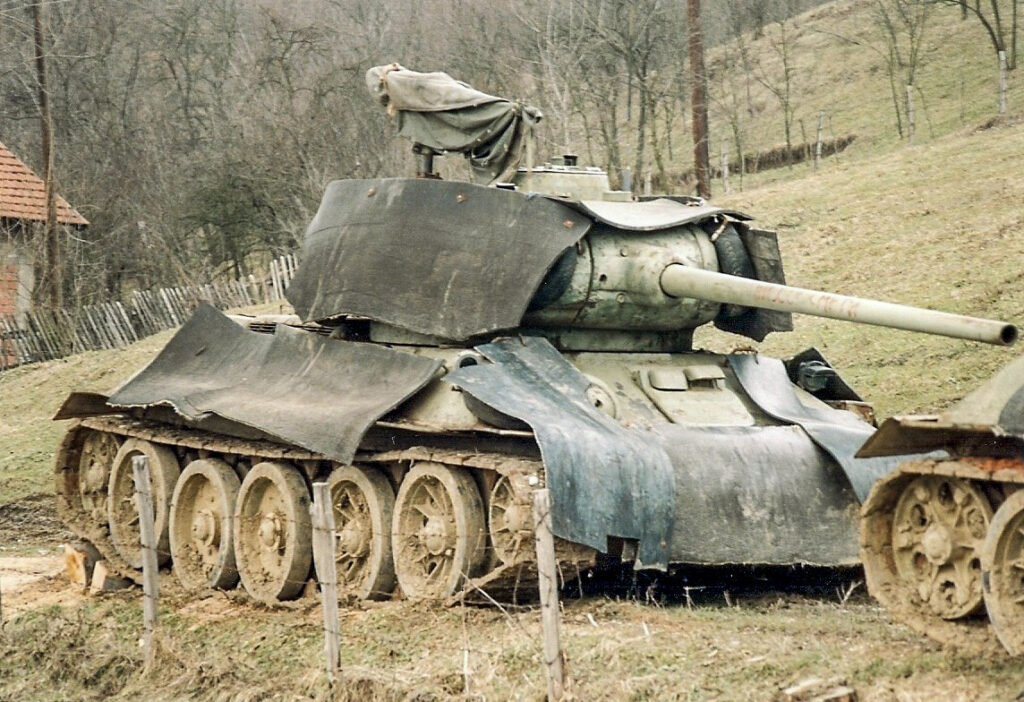
Bosnia and NATO’s Post-Cold War Test
This is why Bosnia also mattered for NATO.
NATO had been built for the Cold War. Bosnia confronted it with a different kind of test. Not a Soviet armored thrust into Western Europe, but a fragmented, brutal, identity-charged war in which the alliance had to decide whether it remained a serious security actor once the old script had vanished.
That mattered enormously. Bosnia forced NATO and the wider West to confront the question of whether they were prepared to act decisively in a world where the enemy might not be a superpower, but the moral and strategic consequences of inaction were still immense.
The answer did not come quickly. That delay is part of the lesson.
Bosnia showed that strategic paralysis can survive even after military superiority has become obvious. Power unused is not strategy. Capacity without political will does not deter. The West had force. What it lacked for too long was clarity about the kind of war it was facing and the kind of response that war required.
Once force was applied more seriously, the picture changed. That was another hard lesson. Bosnia demonstrated that even in fragmented ethnic war, coercive momentum is not untouchable. Political violence that appears locally rooted and socially embedded can still be affected by external military pressure, if that pressure is real, coherent, and tied to an actual decision rather than a symbolic posture.
Bosnia as a Strategic Revelation
In that sense, Bosnia stands at an important junction in the evolution of war.
It belongs neither purely to the industrial world wars nor purely to the later language of counterterrorism and hybrid conflict. It sits in between. It is a war of state collapse, identity militarization, civilian targeting, international hesitation, and eventual external intervention. It reminded Europe that atrocity had not been buried by institutions. It reminded the West that superiority without timely decision changes little. And it reminded strategists that some wars cannot be stabilized into harmlessness. They either are confronted, or they deepen.
Bosnia also matters because it exposed the weakness of a purely procedural view of security. Rules, negotiations, resolutions, observers, and diplomatic formulas all have a place. But they cannot substitute for force when force is already organizing the reality on the ground. Bosnia showed that legitimacy without enforcement can become theater, and that the moral language of “never again” means very little when confronted by actors who believe the world will not act decisively enough to stop them.
That lesson has never fully disappeared. It reappears whenever states or institutions convince themselves that visible brutality can be administratively managed, that intimidation can be contained by language, or that the absence of direct great-power war means a conflict is strategically secondary. Bosnia proved otherwise.
It was not secondary. It was a revelation.
It revealed that the post-Cold War era would not be post-war. It would simply produce new combinations of old forces- fragmentation, ethnic mobilization, civilian terror, international hesitation, and delayed intervention under the pressure of shame, necessity, and strategic recognition.
And that is why Bosnia belongs in the evolution of war. It showed that even after industrial war, nuclear deterrence, and superpower rivalry, the ancient grammar of fear, identity, siege, massacre, and political cleansing remained available, ready to return the moment structure collapsed and will fail.
The next lesson would come from a very different kind of war- smaller in scale, narrower in geography, but strategically rich in ways many still underestimate.
That war was the Falklands.
The Falklands and the Return of Distance, Sea Power, and Political Will
The Falklands War was small compared to the great wars of the twentieth century. It was limited in geography, limited in duration, and limited in the scale of forces involved. But that is exactly why it matters. Beneath its apparent narrowness, it revealed truths about war that were far larger than the islands themselves.
This was not a marginal conflict. It was a compact war with strategic clarity.
The Falklands showed that distance does not weaken war. It sharpens it. Once a state chooses to project force across vast maritime space, everything becomes more exposed- logistics, intelligence, timing, sustainment, naval protection, air cover, political resolve, and the ability to keep a campaign coherent far from home. A war fought at range does not forgive confusion. It reveals whether a state can turn political intent into operational reach.
That is why the Falklands matter in the evolution of war. They demonstrated that sea power is not symbolic, that logistics is not secondary, and that political will is not an abstraction.
Britain did not fight the war because the islands were economically decisive. It fought because sovereignty, credibility, and the meaning of strategic resolve were on the line. Not all wars are fought because territory is materially central. Some are fought because what appears peripheral geographically is central politically. The islands were far away. The test was not.
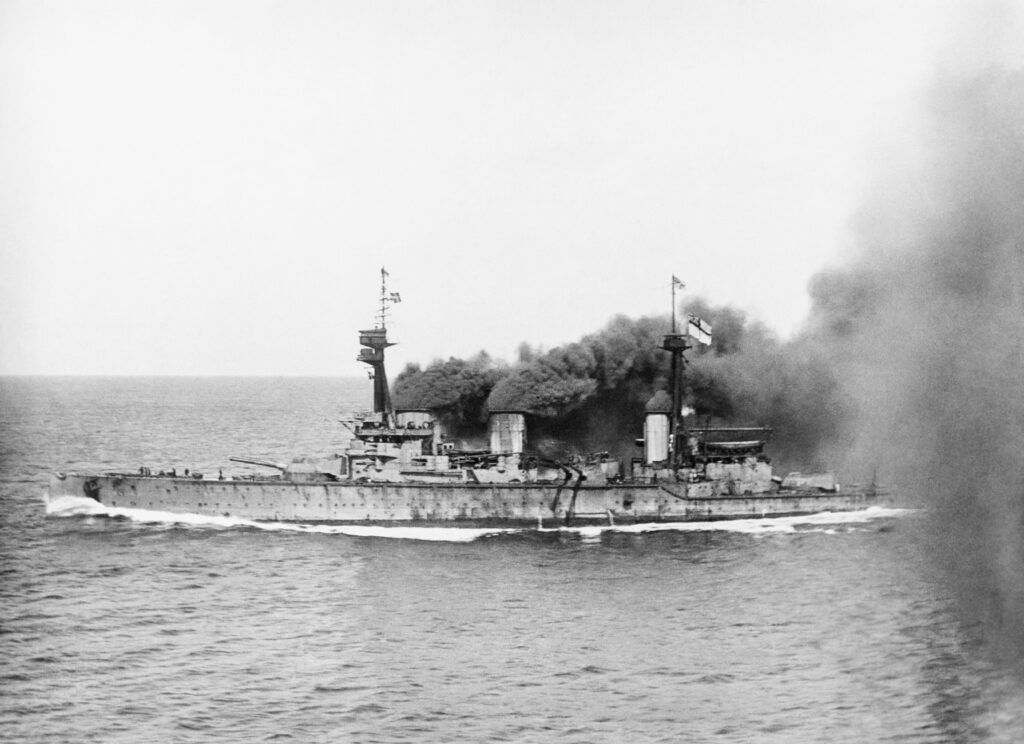
Expeditionary Power and Logistics
The British response also demonstrated something many theories of post-imperial decline tend to miss: a state can lose empire and still retain expeditionary instinct. The campaign required maritime reach, naval endurance, air-sea coordination, amphibious capability, intelligence support, and political willingness to absorb risk at long distance. None of those can be improvised overnight.
They reflect a deeper military culture- one that understands that command of distance depends on more than ships. It depends on organization, readiness, and the ability to sustain force across geography without losing operational coherence.
That is where logistics became central.
The Falklands were not won first at the point of contact. They were won through the ability to get there, remain there, support the force there, protect the force there, and keep the campaign functioning despite distance, weather, vulnerability, and stretched lines. Naval warfare is often misunderstood by those who read conflict mainly through land campaigns. At sea, logistics is not background support. It is the bloodstream of operations. Once distance expands, logistics becomes combat power.
Vulnerability at Sea and Strategic Endurance
The air-sea contest in the Falklands also deserves close attention. Argentina demonstrated that even a weaker actor could impose serious cost if it could exploit range, timing, and vulnerability with enough courage and precision. British naval forces were powerful, but they were not immune. Ships could be hit. Supply could be threatened. Maritime movement could be contested. This is one of the most important lessons of the war: naval strength does not eliminate vulnerability. It disciplines it.
That matters because the war exposed the fragility of maritime operations under sustained threat. It forced Britain to adapt under pressure, to manage losses, and to continue despite the knowledge that sea power is always a contest between reach and exposure. The stronger side prevailed, but not because the battlespace was clean. It prevailed because it could absorb, adapt, and continue the operation without political collapse or operational disintegration.
Small War, Large Lessons
The Falklands also showed that limited war can still produce major strategic lessons. This was not total war. It was not industrial slaughter on the scale of the world wars. It was not nuclear brinkmanship. Yet it revealed something enduring- a state that can combine political clarity, naval reach, logistical endurance, intelligence, and disciplined force projection can achieve strategic effect far from home even under difficult conditions.
That lesson should not be reduced to nostalgia for maritime power. It is more serious than that. The Falklands demonstrated that geography does not disappear in modern war. It changes its meaning. Distance becomes a logistical test. Islands become maritime pivots. Sea lanes become operational corridors. Naval platforms become instruments of both projection and vulnerability. A war that looks geographically narrow can still illuminate global truths about reach, exposure, and the architecture of expeditionary force.
This is also why the Falklands belong in the broader evolution of war. They sit at an intersection that later analysts too often separate- conventional conflict, strategic signaling, naval power, national will, and the difficulty of sustaining operations far from home.
The war was not about mass alone, nor about technology alone, nor about ideology alone. It was about whether a state could translate political decision into maritime reality under pressure.
Britain proved that it could.
And that matters because later wars would tempt many to believe that airpower, missiles, and distant strike had somehow reduced the enduring importance of sea control, expeditionary logistics, and physical presence. They had not. The Falklands showed that limited war still depends on ships, supply, movement, endurance, and the ability to hold the line between vulnerability and purpose.
Above all, the war demonstrated that small conflicts can expose large truths. The size of a war does not determine the size of its lessons. The Falklands were limited. Their implications were not.
And that is why the war remains important. It reminds us that modern conflict is not fought only by those who dominate the largest theaters. It is also shaped by those who understand that distance, sea power, logistics, and will are not supporting details. They are often the difference between gesture and victory.
The next war would reveal something different again: not the power of maritime reach, but the endurance of attrition, ideology, chemical warfare, and the capacity of a revolutionary state to survive through prolonged slaughter.
That war was Iran-Iraq.
Iran-Iraq and the Return of Attrition, Chemical Warfare, and Revolutionary Endurance
The Iran-Iraq War matters because it revealed that even after the world wars, even after nuclear deterrence, and even after the Cold War had reframed so much of conflict, war could still return to prolonged attrition, ideological mobilization, mass sacrifice, and industrial-scale brutality.
This was not a short regional war. It was an eight-year struggle that fused trench warfare, artillery, armor, missile attacks, ideological fervor, economic exhaustion, human-wave assaults, chemical weapons, and state survival into one of the late twentieth century’s most destructive conflicts. It did not merely repeat older forms of war. It reassembled them under new political conditions.
That is why it matters.
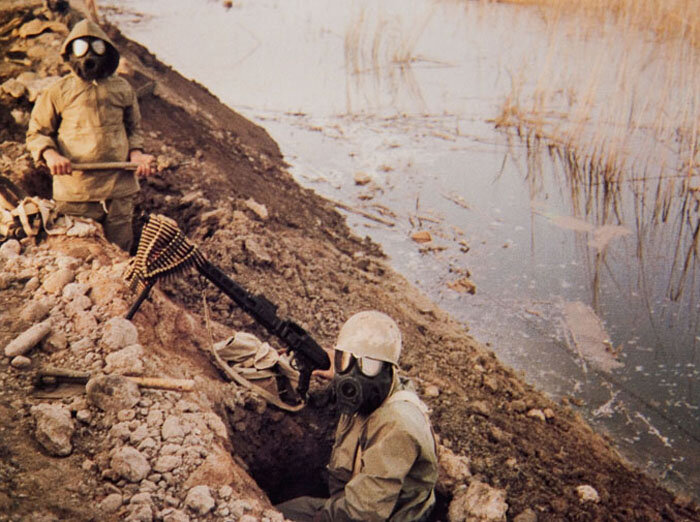
Misreading Revolution and the Mobilization of Endurance
The war began with Saddam Hussein’s belief that revolutionary Iran was vulnerable, disorganized, and strategically exposed in the wake of the 1979 revolution. In one sense, this was a conventional calculation: strike a weakened neighbor, exploit dislocation, impose terms before recovery. In another sense, it was a profound misreading. Iraq understood Iran’s visible disruption. It did not fully understand what revolutionary systems can become once war fuses survival with ideology.
That is one of the central lessons of the conflict.
Iran was deeply damaged by revolution, purges, institutional breakdown, and strategic isolation. But it was also capable of mobilizing in ways that did not follow the logic of ordinary state rationality. The regime was able to convert war into ideological consolidation. It did not merely defend territory. It sacralized endurance. It turned sacrifice into legitimacy, suffering into political fuel, and prolonged war into a mechanism of internal control as well as external resistance.
This is where the war matters beyond the region. It showed that ideological regimes can absorb punishment differently from conventional strategic actors. Their resilience is not necessarily more efficient. It is often more wasteful, more brutal, and more destructive to their own society. But it can still be real. When a regime convinces itself and enough of its population that survival, belief, and national-revolutionary identity are fused, war becomes harder to terminate through pain alone.
Attrition, Brutality, and Multiple Layers of Pressure
That is why the Iran-Iraq War became a war of attrition in the deepest sense. Neither side could convert early assumptions into rapid victory. Once that failed, the conflict hardened. Trenches, fortified lines, artillery duels, mass infantry assaults, and industrial depletion returned in forms that many outside observers had assumed belonged to earlier eras. This was not a technologically elegant war. It was a war of endurance, exhaustion, and repeated bloodletting.
And yet it was not simply archaic.
It also revealed how modern states under pressure improvise coercion across multiple layers at once. Cities became targets. Missile exchanges widened the geography of fear. Economic infrastructure mattered. Oil routes mattered. The Gulf mattered. External support mattered. The war was regional, but its implications were already transnational. It demonstrated that attritional conflict in one theater could destabilize energy systems, external alignments, and global calculations far beyond the front itself.
Chemical Warfare and the Failure of Restraint
The use of chemical weapons made that brutality unmistakable. Iraq’s resort to chemical warfare was not merely a tactical escalation. It was a strategic statement about what prolonged war can normalize when external restraint is weak and battlefield desperation converges with political ruthlessness. Chemical weapons did not decide the war cleanly. But their use exposed a grim truth- modern warfare had not morally progressed beyond the desire to break human beings through prohibited means. It had merely changed the context in which such choices were made.
That matters in the evolution of war because it reminds us that technological modernity does not produce ethical restraint by itself. It may refine methods. It does not purify intent.
Strategic Afterlife and Regional Transformation
The war also reshaped the Islamic Republic. Iran did not emerge from it victorious in the simple sense. It emerged bloodied, exhausted, and transformed. But the regime also learned something that would shape its later strategy: direct conventional war against stronger or comparable state structures is costly, uncertain, and potentially fatal. Indirect power, by contrast, offers survivability.
Proxy warfare, regional penetration, deniable violence, ideological reach, and strategic patience became more central after the war not by accident, but because the conflict had revealed the limits of direct state-on-state attrition for a revolutionary regime seeking longevity.
In that sense, the Iran-Iraq War belongs directly to the later story of Iran’s regional model. The war did not create the regime’s ideological core, but it hardened its strategic instincts. It reinforced the appeal of depth, deniability, and layered coercion over straightforward conventional confrontation. It also deepened the regime’s memory of encirclement, abandonment, and endurance, memory that would later be weaponized politically and regionally.
Iraq, for its part, also learned distorted lessons. It survived, but at enormous cost. The war strengthened militarization, normalized brutality, and left the regime politically and economically damaged in ways that would help shape the catastrophes still to come. Survival was mistaken for strategic success. That misreading would matter later.
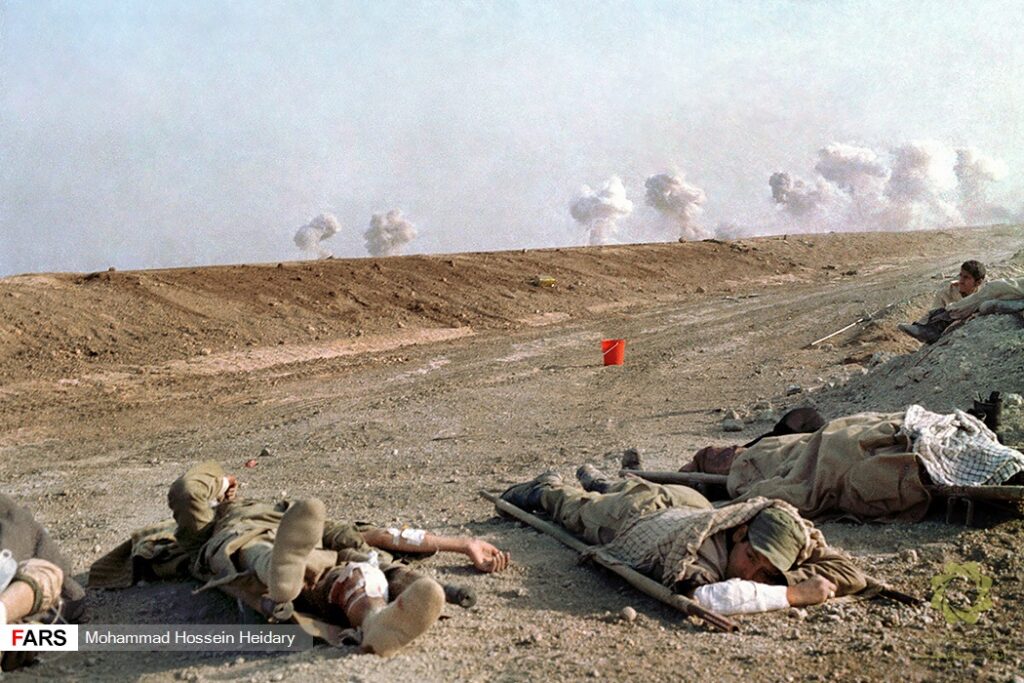
War That Continues After the Shooting Stops
This is why the Iran-Iraq War cannot be treated as merely a brutal regional conflict from another era. It sits at an important point in the evolution of war. It showed that attrition had not disappeared. It showed that ideology could sustain mass sacrifice far beyond what outside observers expected. It showed that chemical warfare could return when restraint failed. It showed that economic and maritime layers could not be separated from battlefield logic. And it showed that the strategic afterlife of war can be as important as the war itself.
Some wars end when the shooting stops. Others continue by reshaping the states that survive them.
Iran-Iraq was one of those wars.
It left behind not peace, but strategic memory, hardened regimes, militarized habits, and lessons, some learned correctly, some disastrously, that would shape the next generation of conflict in the Middle East.
And yet if Iran-Iraq revealed the endurance of attrition and revolutionary survival, the next major American chapter in war would expose something different: what happens when a superpower, scarred by one trauma, reorganized by another, tries to fight a networked enemy through the machinery of state-scale war.
That chapter began after September 11.
Post-9/11 Wars, Iraq, Afghanistan, and the Third American Trauma
September 11 did not only trigger a war. It shattered an American assumption.
For decades, the United States had fought abroad, projected power globally, and structured its security around threats that were dangerous but distant.
September 11 destroyed the comfort of distance. It demonstrated that the world’s most powerful state could be struck at home, not by a rival superpower, not by a conventional army, but by a non-state network that had turned mobility, ideology, martyrdom, and strategic imagination into operational effect.
That shock changed the United States structurally.
It produced real institutional transformation: intelligence reform, homeland security, new information-sharing mechanisms, expanded surveillance architecture, a more integrated domestic-security framework, and a national-security state reorganized around the imperative of preventing another strike on American soil. In that sense, 9/11 was not only a trauma. It was a reordering.
But it also produced something else- a profound demand to strike back.
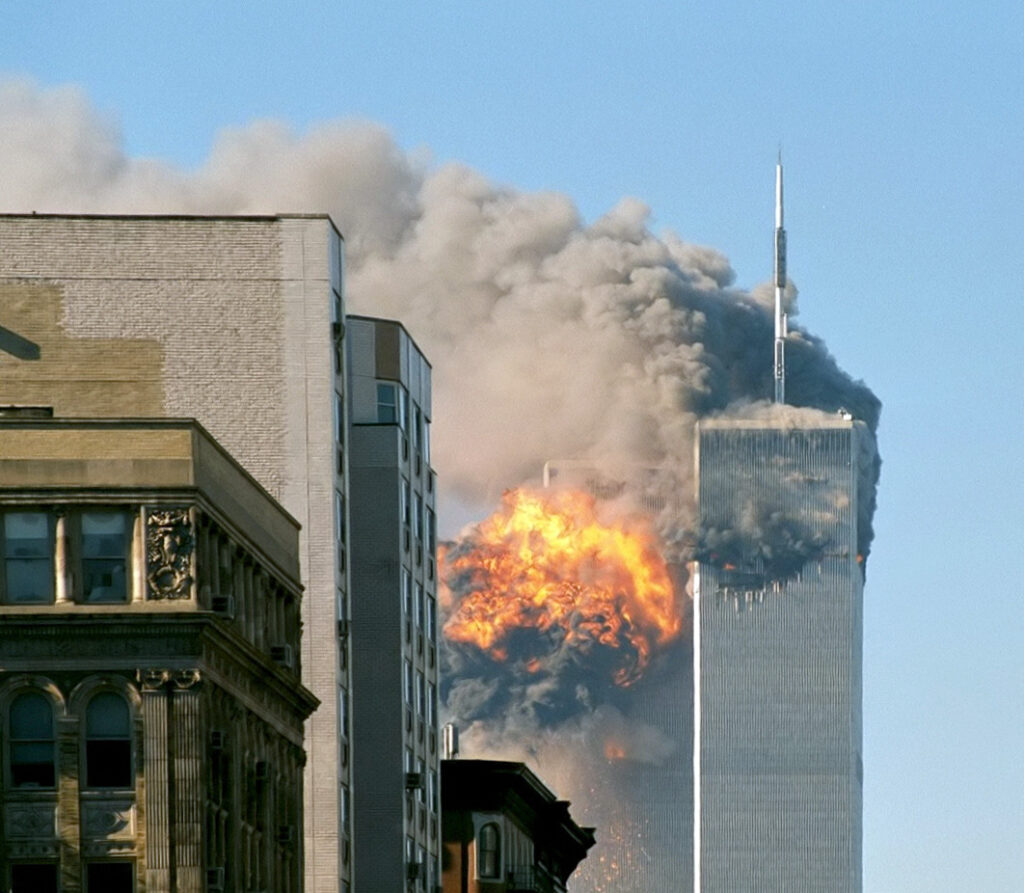
That was both inevitable and strategically difficult. The United States faced an enemy that had carried out an act of war without being a state in the traditional sense. Al-Qaeda had leadership, sanctuary, networks, ideology, training infrastructure, and operational capability. But it did not present itself as a conventional battlefield target in the way earlier wars had trained great powers to recognize. This created the central problem of the post-9/11 era: how does a state built for large-scale military power impose victory on a dispersed enemy whose center of gravity is organizational, ideological, transnational, and partially invisible?
That problem defined everything that followed.
Afghanistan and the Problem of Political Translation
The invasion of Afghanistan was, at the outset, strategically intelligible. The Taliban had given sanctuary to al-Qaeda. There was a clear punitive logic, a clear operational target, and a clear argument for the use of force. But even there, the problem of translation appeared quickly. Punishing sanctuary is one thing. Winning a durable political order is another. Destroying camps, killing leaders, and dispersing networks does not automatically create a state that can govern itself under pressure once the initial campaign is over.
This is where the post-9/11 wars became something deeper than retaliation. They became a test of whether state-scale military power could solve a networked threat without transforming itself into a long war of occupation, stabilization, institution-building, and political exhaustion.
That test went badly.
Afghanistan revealed a problem the United States had encountered before, but under a different emotional burden. Vietnam had shown that superior force could fail to produce political resolution. Afghanistan repeated the lesson under the shadow of homeland trauma. The war was no longer simply about credibility abroad. It was tied to the memory of attack at home. That made the conflict politically and psychologically harder to let go of, even as its strategic coherence weakened over time.
This is why Afghanistan matters so much in the evolution of war. It was not only a counterterrorism campaign. It became a war of endurance against an enemy that did not need to defeat the United States conventionally in order to outlast it politically. The Taliban did not need to match American power. It needed to survive, adapt, wait, and make time corrosive. Once again, the stronger power discovered that battlefield superiority is not the same as strategic closure.
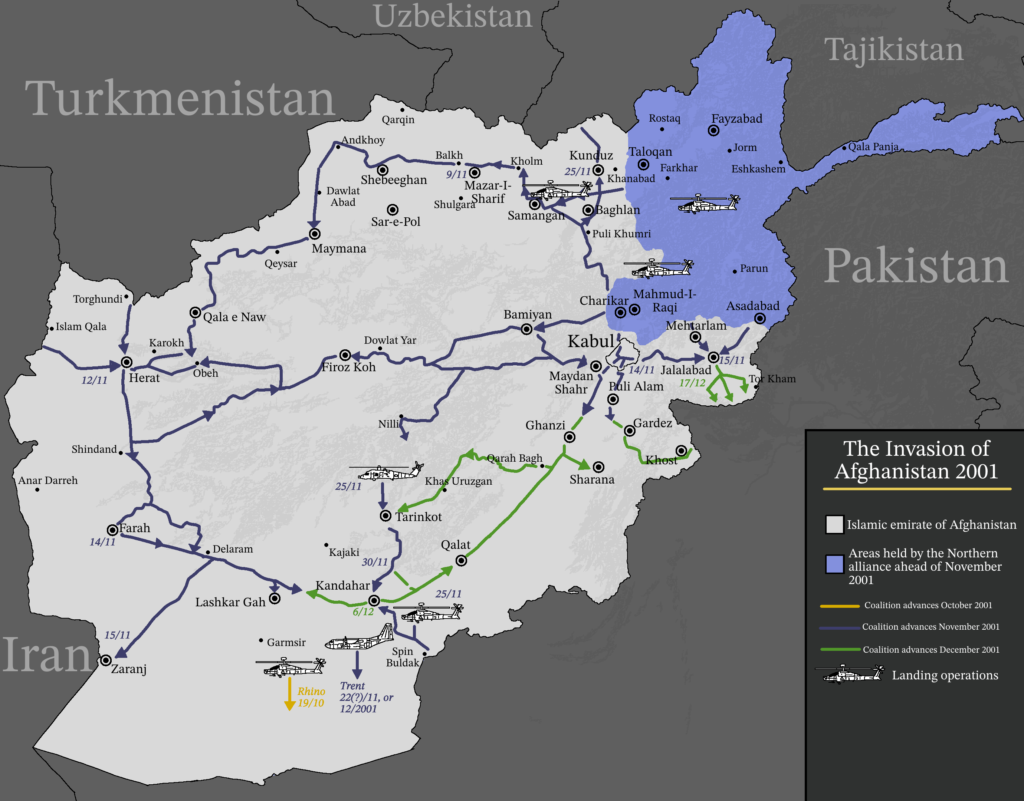
The Third American Trauma
This is where one can speak of a third American trauma.
Vietnam was the trauma of prolonged intervention, attrition, and the inability to convert force into political victory. September 11 was the trauma of vulnerability at home. Afghanistan became the trauma that fused the two- a war entered under the pressure of homeland attack, sustained under the language of necessity, and ended in a way that reopened older American doubts about occupation, endurance, and the limits of what military power can build once it has broken what it came to destroy.
That matters because the lessons of Afghanistan were not only military. They were civilizational and psychological. They deepened the American instinct toward distance, standoff force, special operations, drones, intelligence fusion, and the recurring political preference for avoiding prolonged ground entanglement whenever possible. “No boots on the ground” did not emerge from nowhere. It was reinforced by the combined memory of Vietnam, Iraq, and Afghanistan.
Iraq and the Failure of Rapid Conventional Success
Iraq made that pattern even more damaging.
The 1991 Gulf War had left behind a very different American lesson: that high-technology, coalition-led conventional war could be swift, decisive, and politically manageable. That success mattered because it created a template, real in one context, dangerously overgeneralized in another. The 2003 invasion of Iraq applied the logic of rapid conventional victory to a political problem far more complex than the opening campaign suggested. Baghdad fell quickly. The regime collapsed quickly. The war, in that narrow sense, was won quickly. But the strategic problem had only begun.
This is where Iraq became one of the most important case studies in modern war. It showed, with painful clarity, that conventional victory can coexist with strategic failure. A regime can be removed while the state collapses. An army can be defeated while the battlefield expands. The opening phase can appear brilliant while the larger war becomes incoherent. Once again, military power proved fully capable of destroying. What it could not guarantee was the emergence of a stable political order from the wreckage.
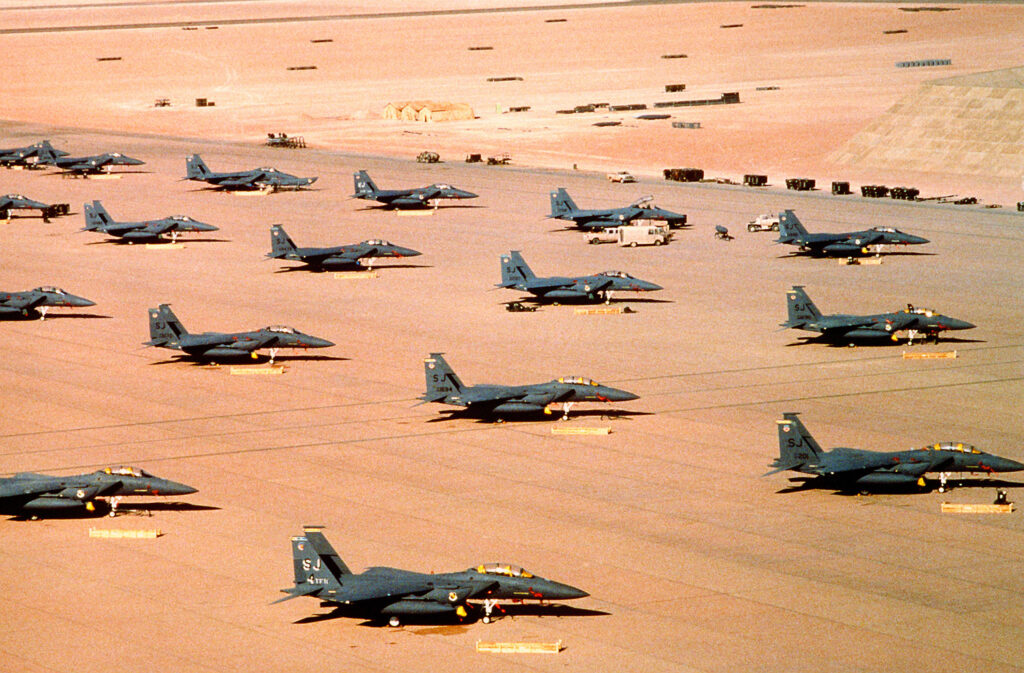
That failure was not only about planning. It was also about category error. The United States used state-scale force to defeat a state, but the war that followed was no longer a conventional state war. It became insurgency, fragmentation, sectarian conflict, external meddling, urban warfare, political disintegration, and prolonged struggle over what Iraq itself would be. In other words, America won the war it prepared for and then found itself trapped in the war it had not fully understood.
This is one of the defining lessons of the post-9/11 period: the enemy may be easier to destroy than the order that must replace him is to build.
Distance, Proxies, and the Limits of Remote War
That is why the post-9/11 era changed American warfighting culture. It did not eliminate interventionism. It altered its preferred instruments. The appetite for direct occupation narrowed. The preference for proxies, partner forces, precision strike, raids, remote targeting, and intelligence-led disruption grew. This was not only doctrinal adaptation. It was strategic memory at work. The United States increasingly sought ways to fight without repeating the political and social burdens of long ground wars.
One of the most misunderstood features of the post-9/11 battlefield was that the enemy was not just dispersed. It was layered. These networks collected, assessed, filtered, exaggerated, concealed, and reported. They did not only plan attacks. They produced internal realities. That made the conflict harder than many early American assumptions allowed. The war was never only against cells, camps, and operatives. It was also against adaptive systems of reconnaissance, reporting, deception, and organizational self-mythology.
And yet that adaptation created its own illusions. Distance can reduce exposure. It does not automatically produce clarity. Drones can remove targets. They do not resolve political structure. Special operations can decapitate networks. They do not always dissolve the conditions that generate new ones. Remote war can be tactically efficient while strategically incomplete.
That is the legacy of the post-9/11 wars.
They exposed, once again, the limits of military power when the enemy is dispersed, the political environment is fractured, and the meaning of victory is unstable. They showed that homeland trauma can produce both necessary structural reform and strategic overextension. They demonstrated that the destruction of enemy infrastructure is not the same as the creation of order. And they reinforced a lesson the United States has repeatedly struggled to absorb- force can punish, disrupt, and remove. It cannot by itself manufacture legitimacy, coherence, or durable political settlement.
Why the Post-9/11 Era Matters
That is why the post-9/11 era belongs centrally in the evolution of war. It marked the encounter between the world’s most powerful military and a type of enemy that could be struck physically but not fully defeated on conventional terms. It revealed how fast a war of retribution can become a war of occupation, how quickly tactical supremacy can dissolve into strategic ambiguity, and how deeply a democracy can be shaped by the wars it cannot clearly finish.
And it left behind an American strategic condition that still shapes the present: reorganized at home, cautious about occupation, drawn toward precision and distance, but still vulnerable to the recurring temptation to believe that the right combination of technology, intelligence, and force can finally solve the political problem that earlier wars had already exposed.
The next chapter in the evolution of war would reveal another enduring truth: that nuclear shadow does not prevent recurring conflict, that regional rivalry can survive repeated crises, and that limited war under existential restraint may become one of the defining patterns of the modern age.
That chapter is India and Pakistan.
India, Pakistan, and War Under the Nuclear Shadow
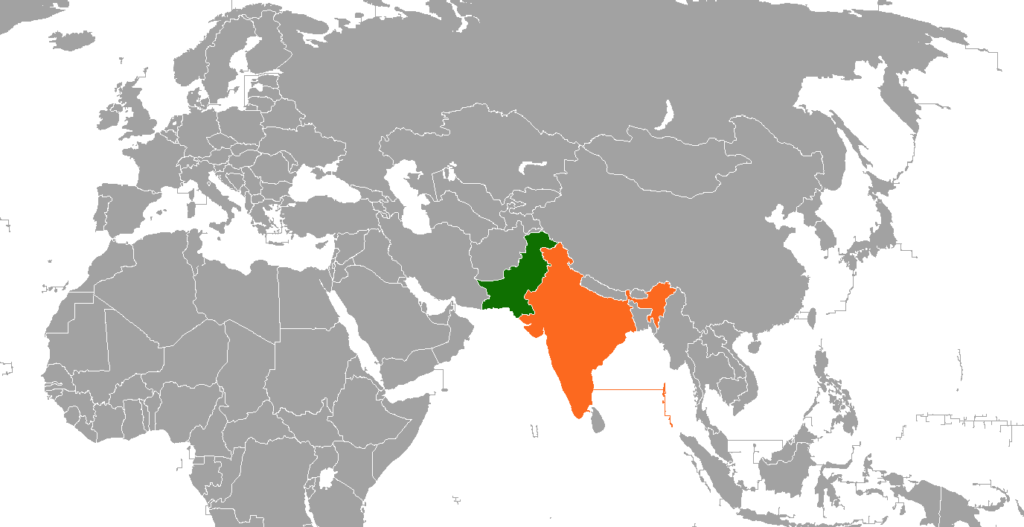
The rivalry between India and Pakistan matters in the evolution of war because it demonstrates one of the most important realities of the modern age: nuclear weapons do not eliminate conflict. They reshape its limits, compress its choices, and force war into narrower but still highly dangerous forms.
This is one of the great corrections to simplistic thinking about deterrence.
Nuclearization did not produce peace between India and Pakistan. It produced a condition in which war became more constrained at the top, but not impossible below that threshold. The result was not the disappearance of conflict, but the repeated return of limited war, coercive signaling, sub-conventional violence, mobilization crises, and escalation games played under the awareness that miscalculation could become catastrophic.
That is what makes this rivalry so strategically important.
It shows that deterrence is not an on-off switch. It is a pressure system.
India and Pakistan have fought wars, faced repeated crises, absorbed terrorist attacks, mobilized forces, engaged in artillery duels, relied on covert and sub-state instruments, and repeatedly tested the outer limits of what escalation can be contained. The presence of nuclear weapons has not removed hostility, ideology, mistrust, or strategic ambition. It has changed the geometry within which those forces operate.
Structured Instability and the Space Below Full-Scale War
That geometry is central to the evolution of war.
In earlier eras, major rivalry might have moved more naturally toward larger conventional confrontation. Under nuclear shadow, the incentives are more complicated. States search for ways to impose pressure without triggering the upper ladder of escalation. This creates a dangerous environment in which proxy action, deniable violence, punitive strikes, mobilization, signaling, and localized military action all become more tempting precisely because full-scale war is more dangerous.
That is not stability in the simple sense. It is structured instability.
This is why the India-Pakistan rivalry belongs in this essay. It reveals that modern war is increasingly shaped not only by what states can do, but by what they believe they can do without crossing the wrong threshold. The existence of ultimate weapons does not end conflict. It forces states to become more inventive, more cautious, and in some cases more willing to operate in the gray zone between formal peace and general war.
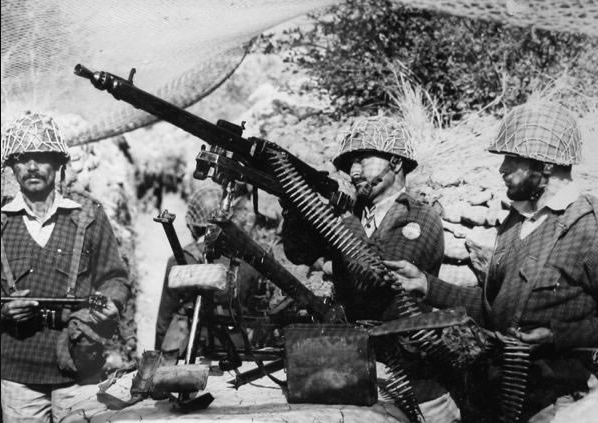
That also helps explain the persistent importance of terrorism and sub-conventional violence in this theater. Where direct war is heavily constrained, other instruments gain strategic utility. This does not mean such violence is always centrally controlled, nor that every act is merely a proxy expression of state policy. It does mean that in rivalries shaped by nuclear deterrence, the space below full-scale war becomes crowded, contested, and dangerous.
This is one of the core strategic lessons of the region: when escalation is constrained at the top, conflict often deepens in the layers beneath.
Limited War, Escalation, and Strategic Meaning
The India-Pakistan experience also shows that limited war is not “small” in political meaning simply because it is limited in scale. A strike can be narrow and still strategically transformative. A border crisis can remain localized and still test nuclear signaling, political credibility, military readiness, and alliance perceptions. A terrorist attack can trigger consequences far beyond the immediate act because the surrounding structure is already saturated with rivalry, memory, and mobilized suspicion.
That is why these confrontations cannot be read only tactically. The battlefield in such cases is never just the place where force is used. It is also the escalation ladder, the strategic doctrine behind restraint, the domestic pressure on leaders, the interpretation of intent, and the fear that one misread move could force a larger war neither side genuinely wants but neither can politically absorb backing away from too easily.
This rivalry also demonstrates something broader about the relationship between modernity and war. Many believed that the nuclear age would simplify strategic logic by making the cost of war too obvious. In reality, it often made strategy more complex. States did not stop fighting. They learned to fight under ceilings, through signals, through ambiguity, through limited objectives, and through calibrated violence designed to remain just below the threshold of the intolerable.
That is a major evolutionary shift.
It means that one of the defining forms of modern war is not only total war, proxy war, insurgency, or counterterrorism. It is also limited conflict under existential restraint. That is a different grammar. It requires different doctrines, different political reflexes, and different forms of military judgment. The question is no longer simply how to win. It is how to act, signal, punish, and control escalation simultaneously.
That is a much harder strategic problem than many classical theories of war assumed.
Why India and Pakistan Matter Beyond South Asia
India and Pakistan therefore matter not only as a regional rivalry, but as a model of the future in one critical sense: they show how war survives inside deterrence. They show how nuclear shadow narrows some options while intensifying others. They show how limited war can become one of the defining patterns of an age in which total war remains possible, but too dangerous to enter lightly.
And that lesson matters far beyond South Asia.
Because the most recent major war in Europe has shown something equally important: that even in an age of satellites, precision weapons, cyber tools, and global information flows, attrition, trenches, logistics, adaptation, industrial capacity, and sheer endurance have not disappeared at all.
They have returned. That war is Ukraine.
Russia, Ukraine, and the Return of Attrition in the Age of Drones
The war in Ukraine matters because it shattered one of the most persistent illusions of the post-Cold War and post-9/11 eras: the belief that modern war had become primarily fast, precise, technological, and short.
It had not.
Ukraine showed instead that modern war can be simultaneously old and new. Trenches returned. Attrition returned. Artillery returned. Mass mattered again. Industrial capacity mattered again. Logistics mattered again. At the same time, drones, satellite imagery, real-time targeting, open-source intelligence, electronic warfare, cyber layers, and information battles became inseparable from the battlefield. This was not a return to the past. It was the fusion of old war and new war into one battlespace.
That is what makes Ukraine so important in the evolution of war.
The Russian Ministry of Defense states: “Captured Ukrainian military equipment is being handed over to servicemen of the Luhansk and Donetsk People’s Republics.” Mil.ru, CC BY 4.0 https://creativecommons.org/licenses/by/4.0.
Misreading, Adaptation, and the Density of Modern War
Russia entered the war with assumptions that now look historically revealing. It assumed weakness where there was resilience. It assumed that shock would be enough. It assumed that scale, fear, and initial momentum could substitute for strategic clarity. In that sense, the opening phase of the invasion was not only a military failure. It was a failure of political reading. A major power mistook proximity for control, mass for coherence, and intimidation for collapse.
That misreading matters because it reminds us that war is still destroyed as often by false assumptions as by enemy fire.
Ukraine, for its part, demonstrated something equally important: that a state under assault can evolve inside the war itself. What began under conditions of vulnerability, shortage, and urgent improvisation developed into a far more layered military system. Ukraine learned, adapted, decentralized, hardened, and integrated. It turned necessity into method. It absorbed new technologies quickly. It built layers of defense against drones. It fused civilian innovation, external support, battlefield feedback, and operational learning into a warfighting culture that evolved in real time.
That is one of the most important lessons of the war. Modern war is not only fought by the side that begins stronger. It is often shaped by the side that learns faster.
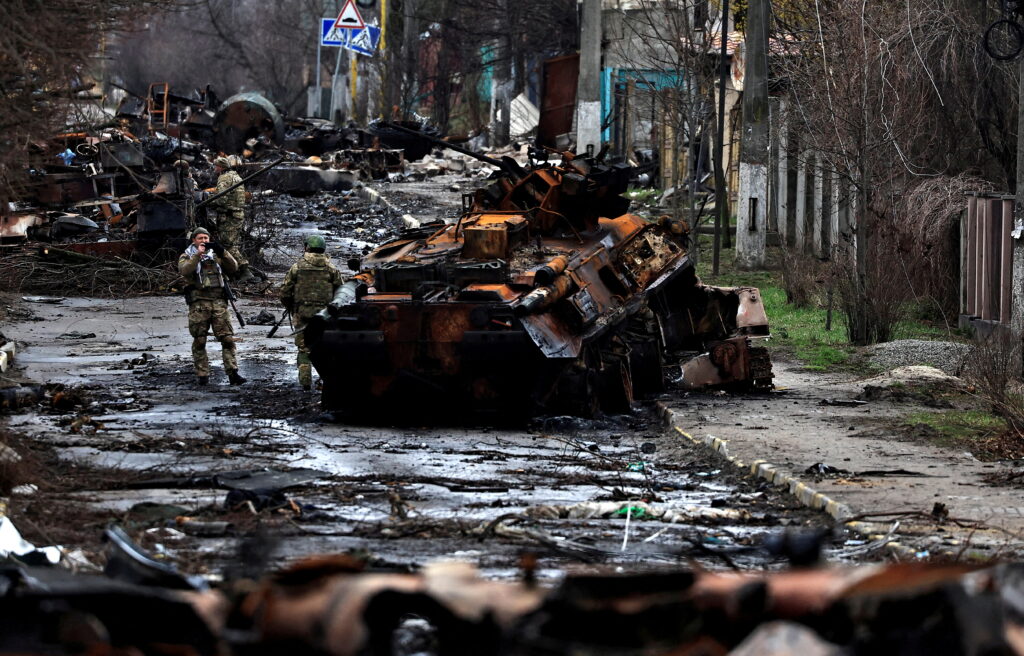
Technology Inside Older Structures
This is also why the conflict matters as a warning against technological illusion. Drones became central, but drones did not replace artillery. Satellites mattered, but satellites did not eliminate the need for trench systems, camouflage, mass fires, and battlefield engineering. Cyber mattered, but cyber did not decide the war in place of logistics, manpower, production, or morale. Precision mattered, but so did volume. Information mattered, but so did industrial output.
Ukraine restored hierarchy to the discussion of war. It showed that new tools matter most when integrated into larger systems of adaptation, production, sustainment, and command. Technology did not abolish the older grammar of war. It entered it.
This is where attrition returned with full force. Not as a relic, but as a living strategic reality. Ammunition expenditure, artillery output, drone replacement, manpower exhaustion, defensive depth, infrastructure resilience, and industrial endurance all became decisive again. The war demonstrated, brutally, that in a contest between capable adversaries, even modern precision systems do not eliminate the possibility of long, grinding, exhausting war. They can shape it. They do not automatically shorten it.
That is a major correction to a generation of strategic thinking.
For years, many in the West persuaded themselves that war had moved past mass, past industrial depth, past the centrality of logistics, and past the possibility of prolonged battlefield exhaustion in Europe itself. Ukraine destroyed that illusion. It proved that in high-intensity state conflict, production lines, resupply, repair, manpower regeneration, and national endurance still matter as much as innovation. In some phases, they matter more.
Transparency, Information, and Contested Visibility
The war also transformed the meaning of transparency. Never before had so much of a major war been visible in near real time through commercial satellites, social media, battlefield video, open-source research, and digital tracking.
But visibility did not simplify the conflict. It complicated it. Public information expanded, yet uncertainty remained. Both sides used the information environment as a battlespace. Narratives became weapons. Perception became operational terrain. The result was not perfect clarity, but a new form of contested visibility.
This matters because the war in Ukraine did not simply revive old military lessons. It updated them. It showed that the battlefield is now layered vertically as well as horizontally: trenches and satellites, drones and mud, apps and artillery, sensors and exhaustion. It is not enough to understand technology. One must understand how technology interacts with geography, discipline, training, repair cycles, logistics, camouflage, mass, morale, and time.
That is the real lesson.
Ukraine as a Gathering Point
Ukraine also exposed the danger of strategic underestimation. Russia underestimated Ukraine. Many outside observers underestimated both the scale of the war to come and the durability of older forms of fighting within a technologically saturated environment. They mistook modernity for simplification. The war proved the opposite. Modern war is not simpler. It is denser.
This is why Ukraine belongs at the end of this evolutionary arc. It does not erase what came before. It gathers it. It contains World War I’s attrition, World War II’s industrial depth, the Cold War’s intelligence layering, Vietnam’s lesson about endurance and political will, Israel’s lesson about adaptation under pressure, Bosnia’s warning about illusion, the Falklands’ reminder about logistics and reach, Iran-Iraq’s brutality of exhaustion, and the post-9/11 discovery that force alone does not dissolve complexity.
Ukraine is not the future in every respect. But it is a present-day laboratory in which many older forms of war have returned inside modern systems. It gathers rather than replaces. It shows how new technologies enter old struggles, how modern systems revive ancient pressures, and how innovation does not eliminate coercion, endurance, logistics, fear, miscalculation, or political will.
And that is where the larger conclusion begins. The real question is no longer whether war has evolved. It clearly has. The harder question is what, exactly, has changed in that evolution, what has not changed at all, and what the next wars are likely to inherit from all those that came before.
Ukraine does more than close this sequence of wars. It clarifies it. It shows, in one living conflict, how much of the previous century remains active inside the present. Attrition has returned. Industrial depth has returned. Logistics remains decisive. Intelligence still shapes survival. Political misreading still destroys stronger actors. Adaptation still rewards those who learn faster than their enemies.
New systems have entered the battlefield, but they have entered an older structure of fear, coercion, endurance, and strategic error. That is why Ukraine is not only the latest chapter in the evolution of war. It is the clearest contemporary proof that war changes in form far more readily than it changes in essence.
Conclusion
The evolution of war is not a story of replacement. It is a story of accumulation, adaptation, and return. New weapons do not erase older truths. New domains do not cancel older forms of struggle. What changes is the way force is organized, accelerated, layered, and justified. What remains is the deeper logic beneath it: fear, coercion, survival, deception, intelligence, logistics, adaptation, endurance, and the attempt to impose political will under conditions of uncertainty.
That is what the last century of war reveals with force and clarity. The First World War made war industrial, bureaucratic, and total. The Second World War made it integrated, global, and systemically destructive. The Cold War displaced conflict into deterrence, proxies, espionage, terrorism, and the gray zones of indirect struggle. Vietnam demonstrated that superior force can fail when legitimacy, time, and political understanding are misread. The Arab-Israeli wars showed how existential pressure compresses military culture into speed, initiative, intelligence, and improvisation. Bosnia exposed the return of massacre, paralysis, and ethnic war inside a supposedly post-historical Europe. The Falklands reaffirmed the enduring centrality of naval reach, logistics, and political will. The Iran-Iraq War restored attrition, chemical brutality, and the strategic endurance of ideological regimes. The post-9/11 wars showed the limits of state-scale force against networked enemies and deepened the American trauma of prolonged ground war, a trauma reinforced through Afghanistan and Iraq after first being burned into the American strategic psyche in Vietnam. Ukraine, finally, has shown that modern war is neither clean nor post-industrial, but dense: old and new forms fused together in a battlespace where courage, endurance, adaptation, industrial resilience, and technological learning all matter at once.
Form Changes Faster Than Essence
If one lesson runs through all of these wars, it is that war changes far more in form than in essence. The battlefield expands. The range lengthens. The speed accelerates. The instruments multiply. The number of domains grows. But war still turns on the same decisive questions: who interprets reality more accurately, who adapts under pressure, who sustains force, who misreads the enemy, who endures longer, and who can translate violence into a political outcome that lasts. The tools have evolved. The contest beneath them has not.
That is why the study of war cannot be reduced to weapons, platforms, or technology alone. It must begin with structure. It must ask what kind of actor is fighting, what kind of political purpose is being pursued, what kind of society can bear the cost, what kind of military culture has been formed, and what kind of war the leadership believes it is fighting. Without that structure, even sophisticated analysis becomes shallow. It may describe the instrument while missing the logic that makes the instrument effective.
The Wars Ahead
The wars ahead will not belong to one form only. They will not be purely conventional or purely irregular, purely technological or purely attritional, purely state-based or purely networked. They will be layered. They will combine drones and trenches, satellites and mud, cyber disruption and artillery, precision and mass, financial pressure and physical destruction, narrative warfare and logistical exhaustion. Some will be fought below nuclear ceilings. Others through proxies. Others through deniable systems. Many will combine several of these forms at once.
That is not a break from history. It is the latest expression of it.
The real challenge, then, is not simply to identify what is new. It is to understand what the new has attached itself to. That is the deeper meaning of the evolution of war. War changes in form, in scale, and in method. But its deepest logic remains disturbingly familiar because the human struggle beneath it remains disturbingly familiar as well. The names of the weapons change. The systems change. The speed changes. The theater changes. But the central contest does not: the struggle to survive, to impose, to endure, to deceive, to adapt, and to compel.
War never becomes entirely new. It becomes new enough to deceive those who confuse innovation with transformation, and technology with understanding.