
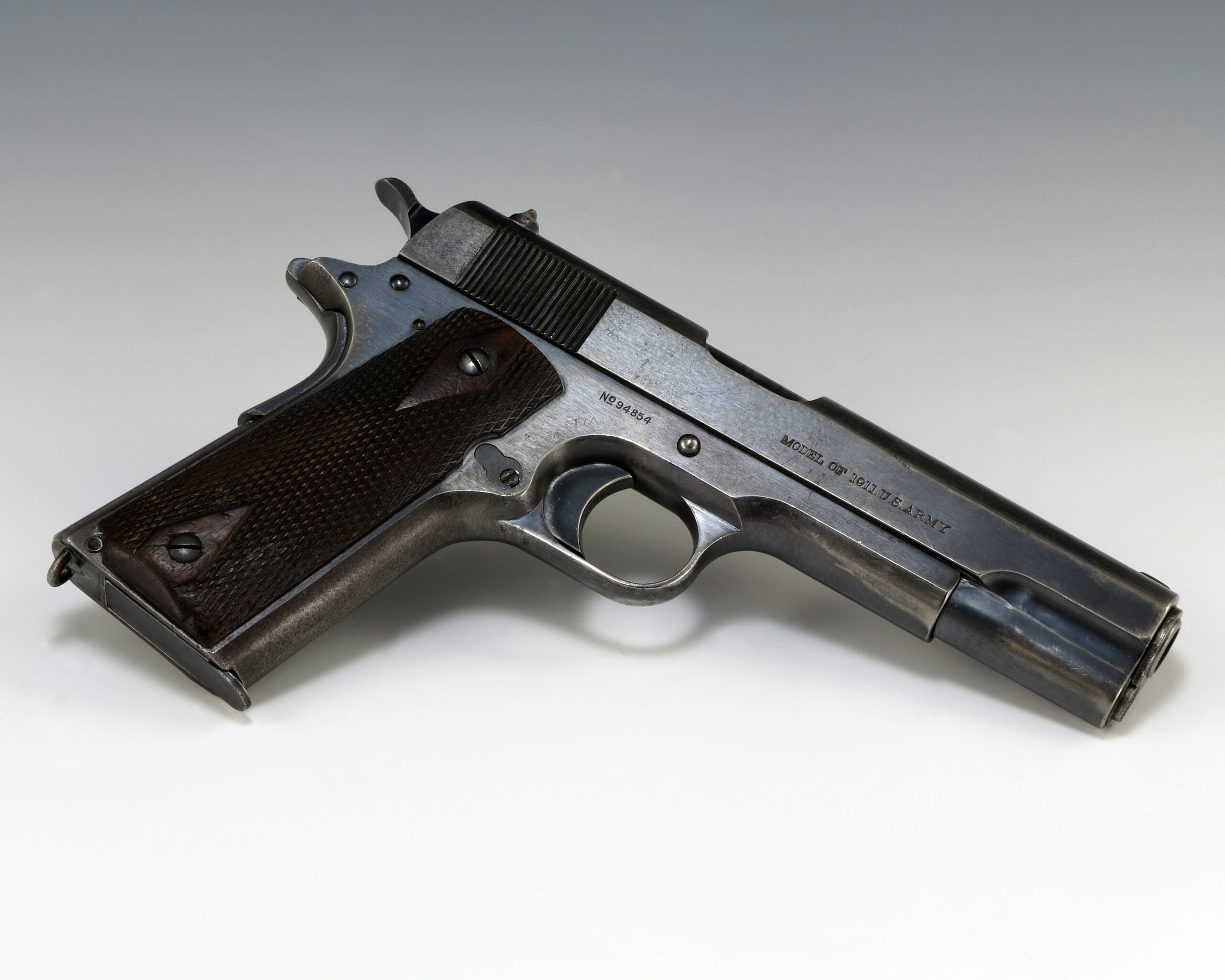
If you have ever held a Colt 1911, you know it feels different. Solid. Confident. Like it is ready for anything. This pistol is more than just a tool—it is a piece of history you can carry in your hand.

How It All Started
Back in the early 1900s, the U.S. Army was looking for a new sidearm. Their old revolvers, like the Colt M1892 in .38 Long Colt, just did not cut it in tough fights—especially during the Moro Rebellion in the Philippines. They needed something stronger. Something that would stop a determined opponent fast. That meant a .45 caliber.
John Browning stepped up. He came up with a design that went through brutal testing. In trials between 1907 and 1910, the Colt prototype beat its rivals hands down. One test fired 6,000 rounds without a single malfunction. The competing pistol from Savage Arms failed 37 times.
On March 29, 1911, the Army made it official. The Colt became the Model of 1911. The Navy and Marines joined in two years later. Civilian sales followed soon after.

A Pistol That Went Everywhere
From World War I to Vietnam and beyond, the 1911 was a constant companion for U.S. forces. It served in World War II, the Korean War, and countless smaller conflicts. By the end of WWII, factories had turned out over 1.9 million of them. To speed things up, some even had plastic grips instead of wood.
Even when the military switched to the Beretta M9 in the 1980s to match NATO’s 9 mm standard, special forces hung on to the 1911. They trusted it. And for good reason.
What Makes It Tick
- Caliber: .45 ACP (Automatic Colt Pistol)
- Action: Short-recoil, single-action
- Length: 8.5 inches (216 mm)
- Barrel: 5 inches (127 mm) for the Government model
- Weight: About 39 ounces (1.1 kg) unloaded
- Capacity: Standard 7+1 rounds, with 8-round magazines available
The steel frame gives it heft. That weight soaks up recoil, so your sights come back on target faster. The trigger is crisp and predictable. It breaks like snapping a thin glass rod—one of the reasons competitive shooters love it.
Why People Still Love It
The Good
- A trigger that feels like butter and lets you shoot with pinpoint accuracy.
- A combat record stretching over a century.
- Endless ways to customize it—grips, sights, finishes, you name it.
- Stopping power that still commands respect.
The Not-So-Good
- Seven or eight rounds is not much compared to today’s double-stack pistols.
- It is heavy to carry all day.
- Needs more cleaning than many modern handguns.
The 1911 Today
You can find 1911s in just about every style and price range. Some stay true to the original military look. Others have match-grade barrels, upgraded sights, and hand-fitted parts. While you can get them in 9 mm or even 10 mm Auto, many shooters stick with the classic .45 ACP.
Colt’s Government Model is still a standout. In the right hands, it can put seven shots into a two-inch group at 30 yards. That is impressive for a design that predates the First World War.
More Than a Gun
The 1911 has starred in movies, shown up in novels, and dominated shooting competitions. It is a symbol as much as it is a sidearm. When you see that profile, you know exactly what it is.
I still remember the first time I shot one. The weight, the smooth trigger pull, and the push of the recoil—it all felt like part of a bigger story.
Wrapping It Up
The Colt 1911 is proof that great design lasts. It has been in the hands of soldiers, law enforcement, and everyday citizens for over 100 years. It blends history, craftsmanship, and performance in a way few other firearms can match.
If you get the chance, try one. You might just understand why so many shooters never let theirs go.
References
- Wikipedia – M1911 pistol
- Small Wars Journal – A Short History of the Beloved Colt 1911
- NRA Family – Colt’s Model 1911: An American Classic