
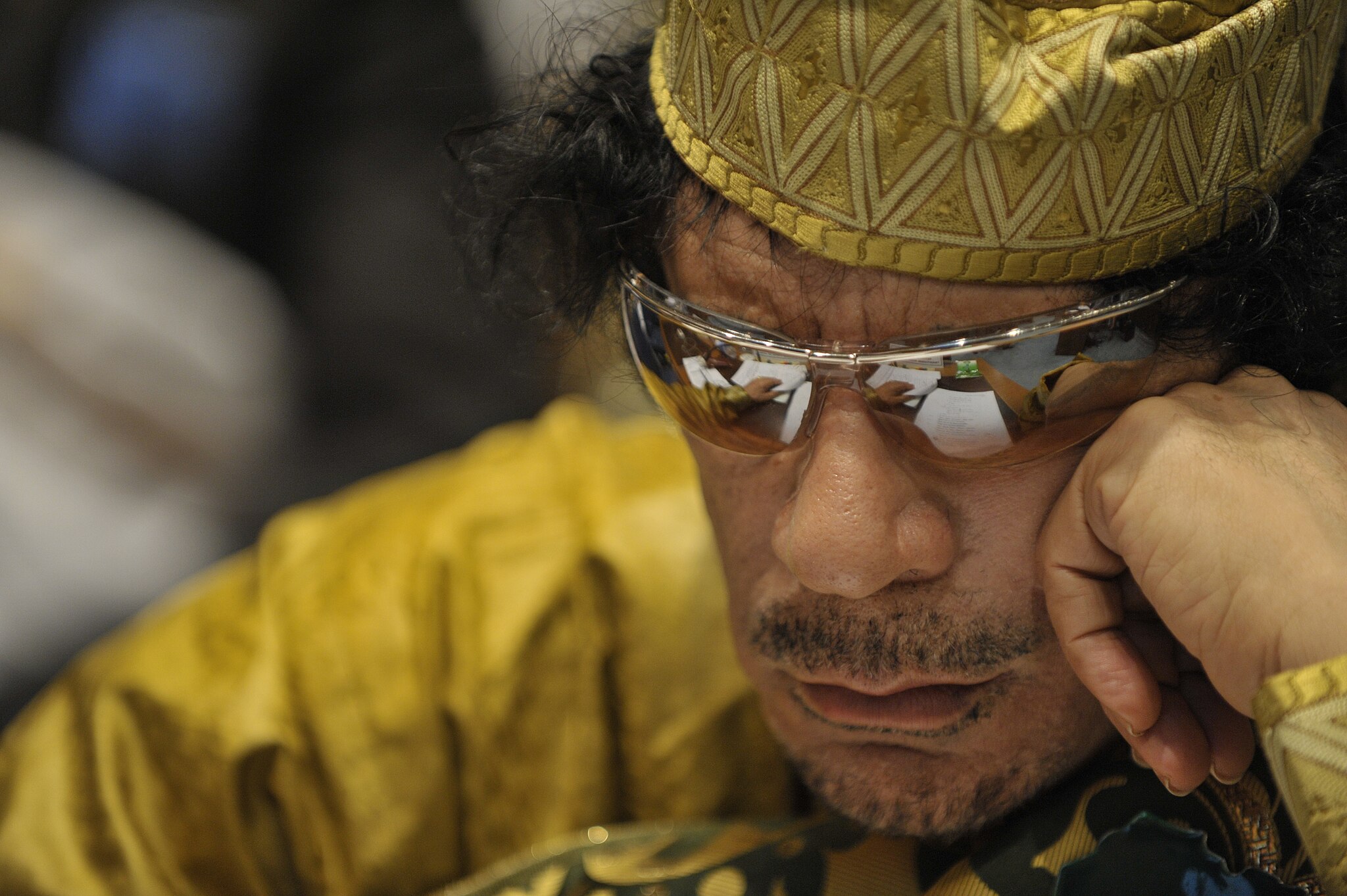
Since the overthrow of Muammar al-Gaddafi in 2011, Libya has stood as a striking example of how the collapse of a long-standing regime can unsettle the very foundations of statehood. Over a decade on, the legacy of Gaddafi’s rule continues to shape Libya’s security landscape and energy sector in ways that carry implications far beyond its borders. Foreign policy analysts, security scholars, and international energy institutions frequently highlight Libya’s experience as a cautionary case in post-conflict reconstruction and state rebuilding.

The Vacuum Left by Regime Collapse
Gaddafi’s governance model centralized authority in his figure and in a complex network of patronage and ideology. When that model unraveled rapidly in 2011, there was no resilient institutional framework ready to take its place. Security services, police forces, and formal military structures that had operated under the regime’s command effectively dissolved, leaving a vacuum where formal enforcement of law and order once existed. In many areas, the absence of a central state force allowed armed groups and militias to assert control over territory, infrastructure, and borders. This fragmentation of security structures became one of the defining features of post-Gaddafi Libya.
The international community’s efforts to rebuild Libya’s security institutions faced immense obstacles from the outset. Without a unified national force capable of enforcing stability, rival factions and local power holders entrenched themselves, often prioritizing local control over national cohesion. These dynamics have perpetuated cycles of violence and complicated efforts to implement national disarmament and reintegration initiatives.

Weapons Proliferation and Security Risks
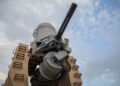
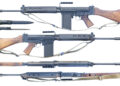
One of the most critical consequences of state collapse has been the widespread proliferation of weapons. Large quantities of arms once held within Libya’s formal stockpiles and regime security units found their way into the hands of militias, criminal networks, and loosely affiliated armed groups. The looting of former regime weapons stores in the early conflict period, combined with porous borders and weak customs controls, facilitated the spread of small arms and light weapons across the country and into the greater Sahel region. These developments have fueled localized conflict and contributed to organized crime and instability.
This proliferation not only undermines Libya’s internal security but also has broader regional security implications. Neighboring states and international security organizations have expressed concern over how unregulated weapons flows affect peace and stability in North and West Africa. Moreover, the presence of armed groups across Libya’s territory has made it more challenging for future stabilization and governance efforts to take root.

Political Fragmentation and Competing Authorities
Following Gaddafi’s removal, Libya never fully reconstituted a functioning central government with uncontested authority over its entire territory. Instead, the country became characterized by multiple competing centers of power, including rival administrations in the east and west, and numerous local militias and armed coalitions. This fragmentation has impeded coherent national policymaking and contributed to a persistent climate of insecurity.
Efforts to unify the country politically have been intermittent and often overshadowed by armed conflict. International actors have supported various mediation processes, but none have succeeded in creating a lasting, inclusive governance framework. Consequently, Libya’s political landscape remains divided, and the presence of multiple armed actors continues to shape how order and authority are exercised at local and regional levels.

Economic Impact and Energy Sector Complexity
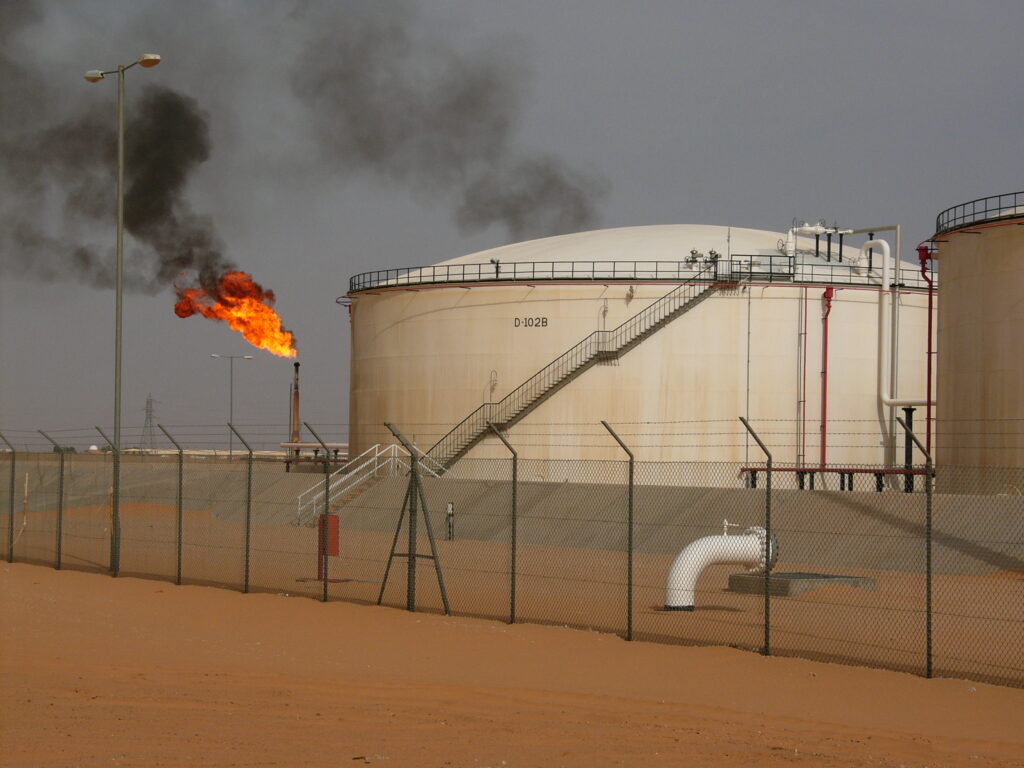
Libya’s economy has long been heavily dependent on its hydrocarbon sector, with oil and gas revenues historically accounting for the bulk of state income. Under Gaddafi, the state maintained tight control over energy production and exports. After 2011, political fragmentation quickly translated into economic disruption. Competing authorities and militias have intermittently seized or blockaded key oil export terminals and production facilities, leading to sharp declines in output and significant revenue losses for the state.
More recently, despite ongoing instability, there have been renewed efforts to engage international investment in Libya’s energy sector. Initiatives involving Libya’s National Oil Corporation and major international energy companies signal a desire to restore production capacity and attract foreign capital. These developments illustrate both the potential of Libya’s energy resources and the challenges of managing them within a context of political division and insecurity.
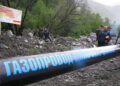
At the same time, illicit practices tied to the energy sector have emerged as a significant economic and governance challenge. Investigative reporting and institutional assessments highlight how fuel smuggling and unauthorized trade have deprived the Libyan state of substantial revenue, further weakening formal institutions and empowering informal networks. The interaction between subsidized fuel, porous borders, and factional control over distribution routes has created lucrative avenues for corruption and illegal commerce.
The Interplay of Security, Governance, and Economic Recovery
The post-Gaddafi trajectory of Libya underscores the intricate connections between security, governance, and economic stability. Weak and competing security structures have inhibited the establishment of effective state authority, while economic assets such as oil and fuel have become both a prize and a tool in political contests. The persistence of armed groups controlling key infrastructure complicates efforts to unify national governance structures and rebuild formal institutions capable of delivering public services.
International engagement continues in various forms, ranging from political mediation to technical support for security sector reform. However, sustainable progress depends heavily on internal consensus and the willingness of Libya’s diverse stakeholders to prioritize collective stability over factional interests. The absence of centralized authority has left a landscape in which economic incentives and security imperatives frequently pull in different directions, slowing the path toward recovery.
Libya’s experience after Gaddafi offers important lessons for policymakers, regional security planners, and energy sector actors alike. It illustrates how pre-existing institutional weaknesses can be amplified by the abrupt removal of centralized power, and how the interdependence of security and economic systems can either support or undermine national reconstruction. As the country continues to navigate its challenges, the need for coherent and inclusive frameworks for governance and security remains clear.

Sources
- Mühlberger, W.
Libya After Qadhafi: Reshaping the Political and Security Landscape. - RAND Corporation.
Libya After Qaddafi: Lessons and Implications for the Future. - International Crisis Group.
The Libyan Crisis: Root Causes and Current Dynamics. - United Nations Support Mission in Libya (UNSMIL).
Security Sector Reform and Armed Group Dynamics in Libya. - Small Arms Survey.
Libya’s Arms Proliferation and Regional Spillover Effects.