
When people first hear about ITAR, it often sounds like a single monolithic rulebook that either applies to you or does not. In reality, ITAR is built around a detailed map of what the United States considers defense articles and related technologies. That map is the United States Munitions List, or USML, and within it a few categories attract far more attention and controversy than others.

If your business touches small arms, ammunition or any form of military aviation, then USML Categories I, III and VIII are where your risk truly lives. These three areas sit at the intersection of commercial demand, strategic sensitivity and constant regulatory change. They are familiar enough to feel safe, yet specific enough to trigger complex obligations.
In this article we take a closer look at each of these categories, what they actually cover and why regulators keep revisiting them. The aim is not to create fear around ITAR, but to provide a realistic framework that helps companies approach compliance more confidently.
ITAR And The Logic Behind The USML
ITAR governs the manufacture, export, temporary import and brokering of defense articles and defense services. The USML is the portion of the regulation that lists the articles, technical data and services subject to this regime.
The principle is straightforward. If an article or related technical data is listed on the USML, it is subject to ITAR jurisdiction and generally requires authorization from the US Department of State before it can be transferred to a non US person. If it is not listed, it may fall under the Export Administration Regulations, which operate under a different licensing structure.
Within that system, Categories I, III and VIII are often underestimated. Many companies assume that because firearms, ammunition and aircraft parts exist in both civilian and military markets, their regulatory status must be equally flexible. That assumption frequently leads to misclassification and, in some cases, enforcement actions.
Category I: Firearms And Related Articles
Category I covers firearms, close assault weapons, combat shotguns and related equipment. It includes fully automatic firearms up to .50 caliber, certain military style rifles, sound suppressors and fire control systems.
What makes Category I challenging is not only the regulated items themselves, but the gray space between civilian and military definitions. Some firearms have commercial equivalents, which can create confusion after recent jurisdictional reforms. Companies that produce both sporting and defense oriented models may find that one product is subject to ITAR while a nearly identical variant falls under the Commerce List.
Another complication is that ITAR does not regulate only the complete firearm. Certain accessories, mounts, targeting components and specially designed parts can also fall under Category I. A design feature added for law enforcement or military use may unintentionally shift an entire product line into ITAR territory.
Finally, Category I attracts public and political scrutiny. Discussions about arms transfers, end use and diversion tend to focus heavily on small arms. While this does not change the regulatory text, it does influence how compliance failures are investigated and communicated.
Category III: Ammunition And Ordnance
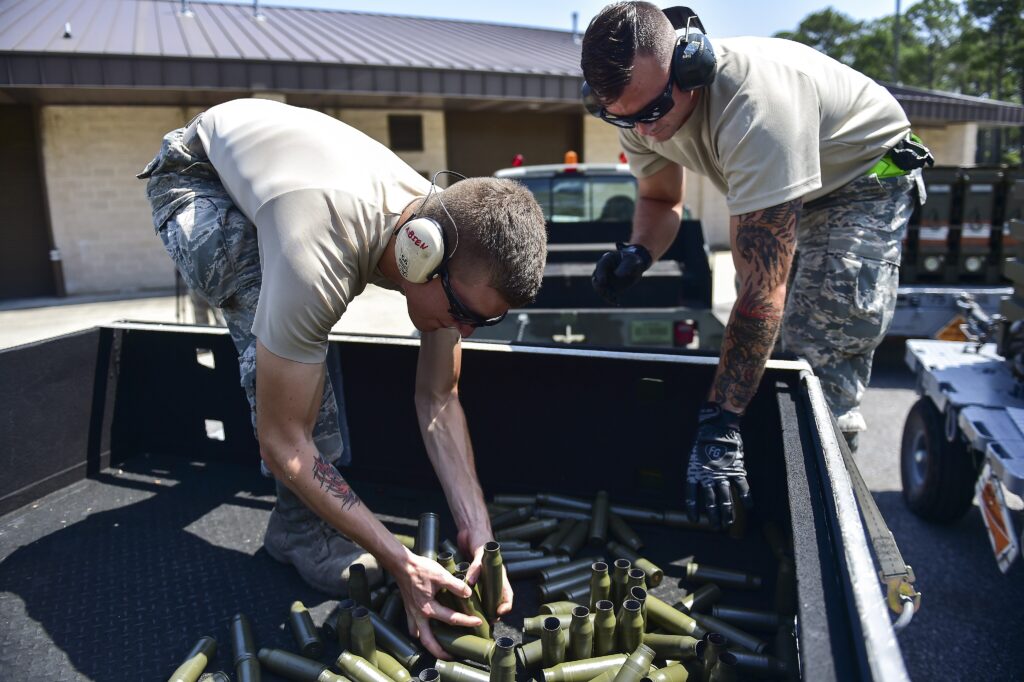
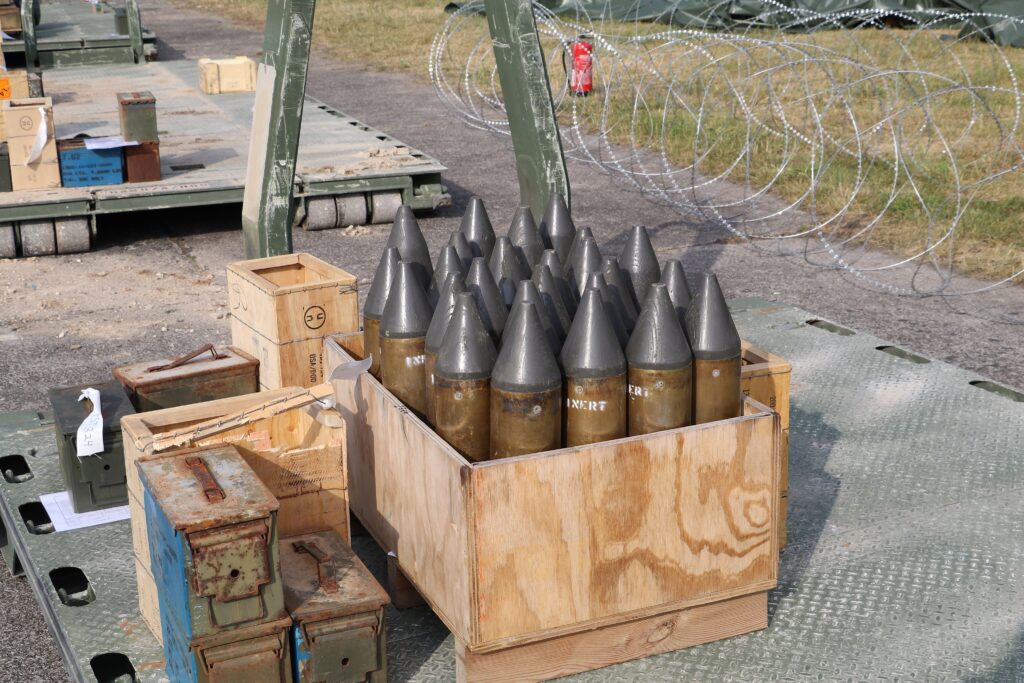
Category III controls ammunition and ordnance for Category I and Category II weapons. It includes cartridges, projectiles, propellants, explosive components and associated technical data.
Ammunition can appear deceptively simple from a compliance standpoint. Many companies treat it as a consumable or commodity rather than a strategic item. However, ITAR jurisdiction does not depend on the size or lifespan of a product. What matters is whether the ammunition is designed for use in weapons controlled under the USML.
Recent regulatory updates have refined the boundaries of this category, acknowledging that not all ammunition types present the same strategic sensitivity. Still, end use screening remains critical. Ammunition is globally traded, redistributed and stocked by numerous actors. A shipment that begins as a routine sale can later surface in a jurisdiction where ITAR would have required a license.
Companies operating outside the United States must also be aware of supply chain origins. Even if a finished cartridge is manufactured domestically or in a third country, ITAR controlled components or technical data in its development can place the final product under US jurisdiction. Documentation, traceability and design history therefore matter as much as export paperwork.
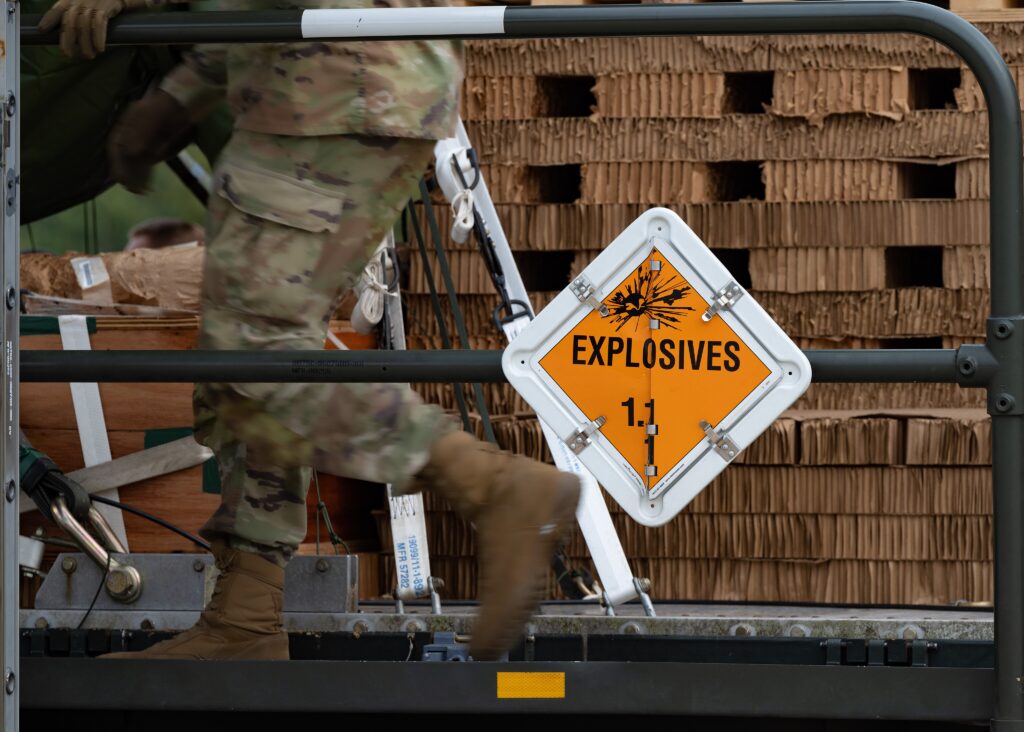
Category VIII: Aircraft And Related Articles
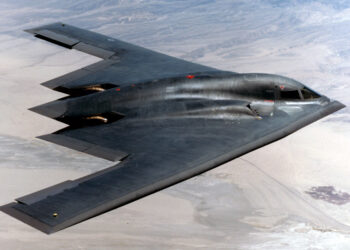
Category VIII regulates military aircraft, variants specially modified for defense use and their associated parts, components and systems. The definition focuses not only on complete platforms but also on subcomponents that contribute to military capability.
Unlike firearms or ammunition, the risk in this category often lies in the details. Many aerospace components appear visually identical across commercial and military markets. The deciding factor is frequently their design intent. If a part is specially designed for a military aircraft, even if similar versions exist in civilian aviation, it may remain under ITAR.
Recent regulatory revisions have attempted to clarify which items stay on the USML and which may transition to the Commerce List. This can benefit industry by reducing unnecessary compliance burdens on generic structural parts or fasteners. At the same time, it increases pressure on companies to properly interpret technical specifications, drawings and manufacturing documentation.
Maintenance, repair and overhaul activities also require attention. Providing software, digital manuals, upgrade packages or engineering services for controlled aircraft systems may trigger ITAR requirements, even without physical export. Companies supporting global fleets must therefore consider the regulatory nature of information flow as well as hardware movement.
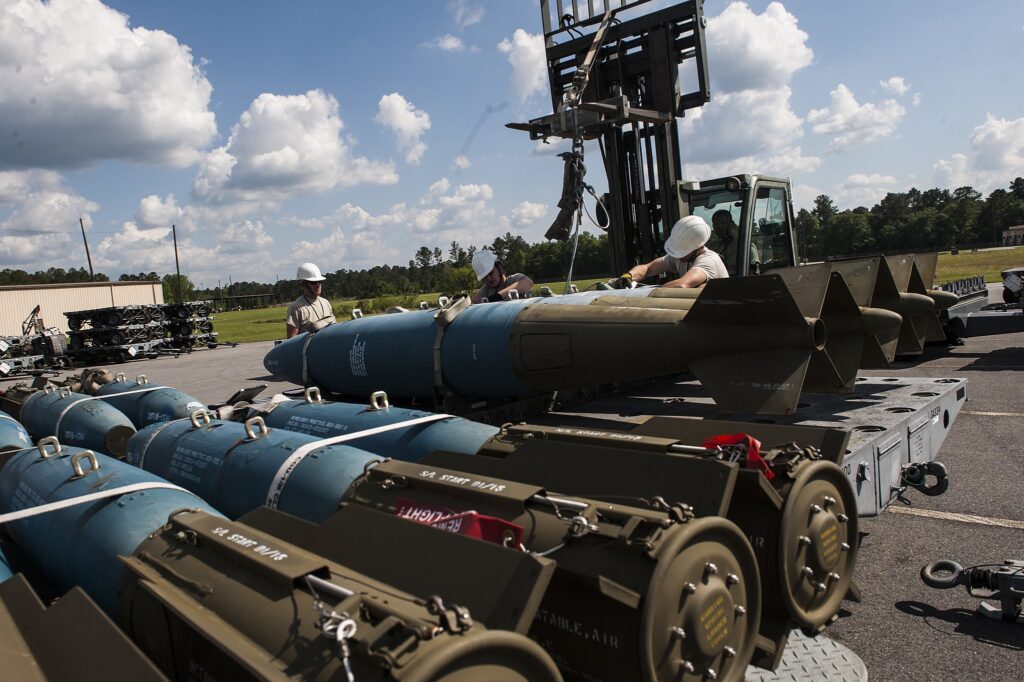
A Moving Target: Regulatory Adaptation And Industry Impact
One consistent trend across Categories I, III and VIII is ongoing regulatory refinement. The Directorate of Defense Trade Controls continues to adjust USML language, shift items between ITAR and the Commerce List and introduce definitions intended to improve clarity.
For companies, this means ITAR classification cannot be treated as a static exercise. A product properly classified five years ago may no longer fall under the same jurisdiction. New variants, updated materials or revised performance specifications can also affect compliance status.
Regulatory change should therefore be integrated into business planning, not treated as a late stage legal review. Portfolio reassessments, periodic compliance audits and internal awareness training help prevent outdated assumptions from guiding commercial decisions.
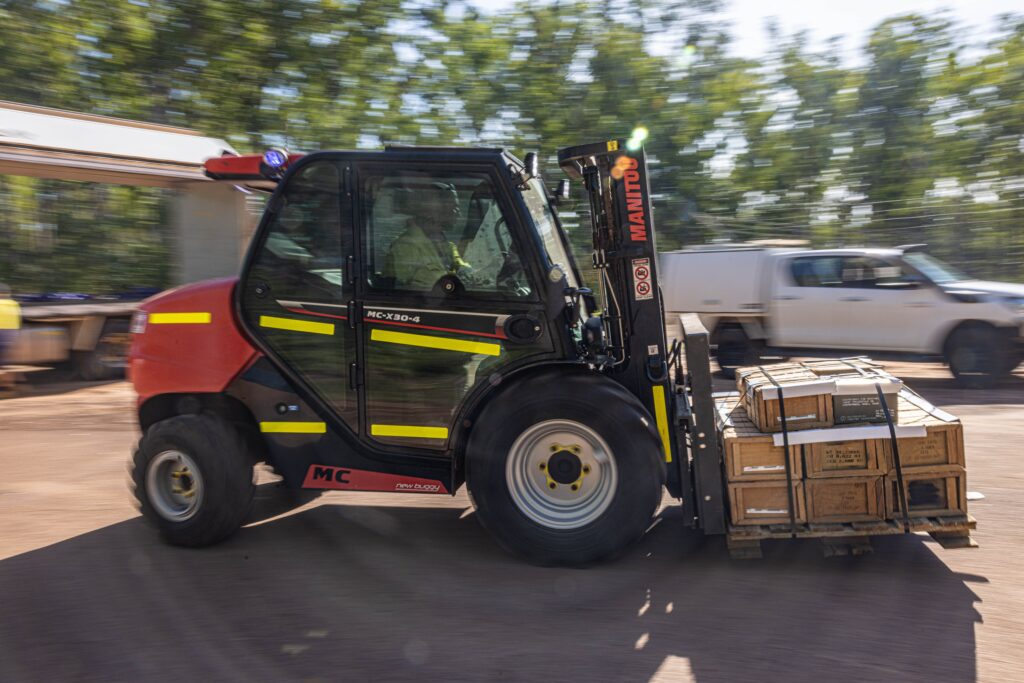
What This Means For Industry Stakeholders
If your organization operates in firearms manufacturing, ammunition production, aerospace integration, defense distribution or related fields, ITAR is not a distant regulatory issue. It directly affects how you design products, engage customers, structure partnerships, store data and participate in trade shows or demonstrations.
A practical approach involves knowing where your products sit within the USML, understanding how specially designed criteria apply, documenting development history and communicating clearly across engineering, sales, marketing and logistics. Compliance should not be isolated within a legal department. It functions best when embedded into culture, risk management and long term strategy.
ITAR does not exist to limit innovation or disrupt legitimate international cooperation. Its purpose is to ensure that sensitive defense technologies are transferred responsibly. Companies that recognize this logic, invest in accurate classification and follow evolving regulatory developments are better positioned to operate globally with confidence and credibility.
Sources
- US Department of State, Directorate of Defense Trade Controls, “Understand the ITAR”
- 22 CFR Part 121, “The United States Munitions List”
- Stanford University DoResearch, “Export Controls: Munitions and Dual Use Items”
- US Federal Register notices relating to USML Category I, III and VIII rule updates