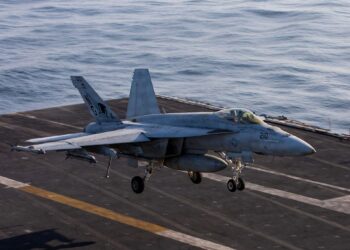

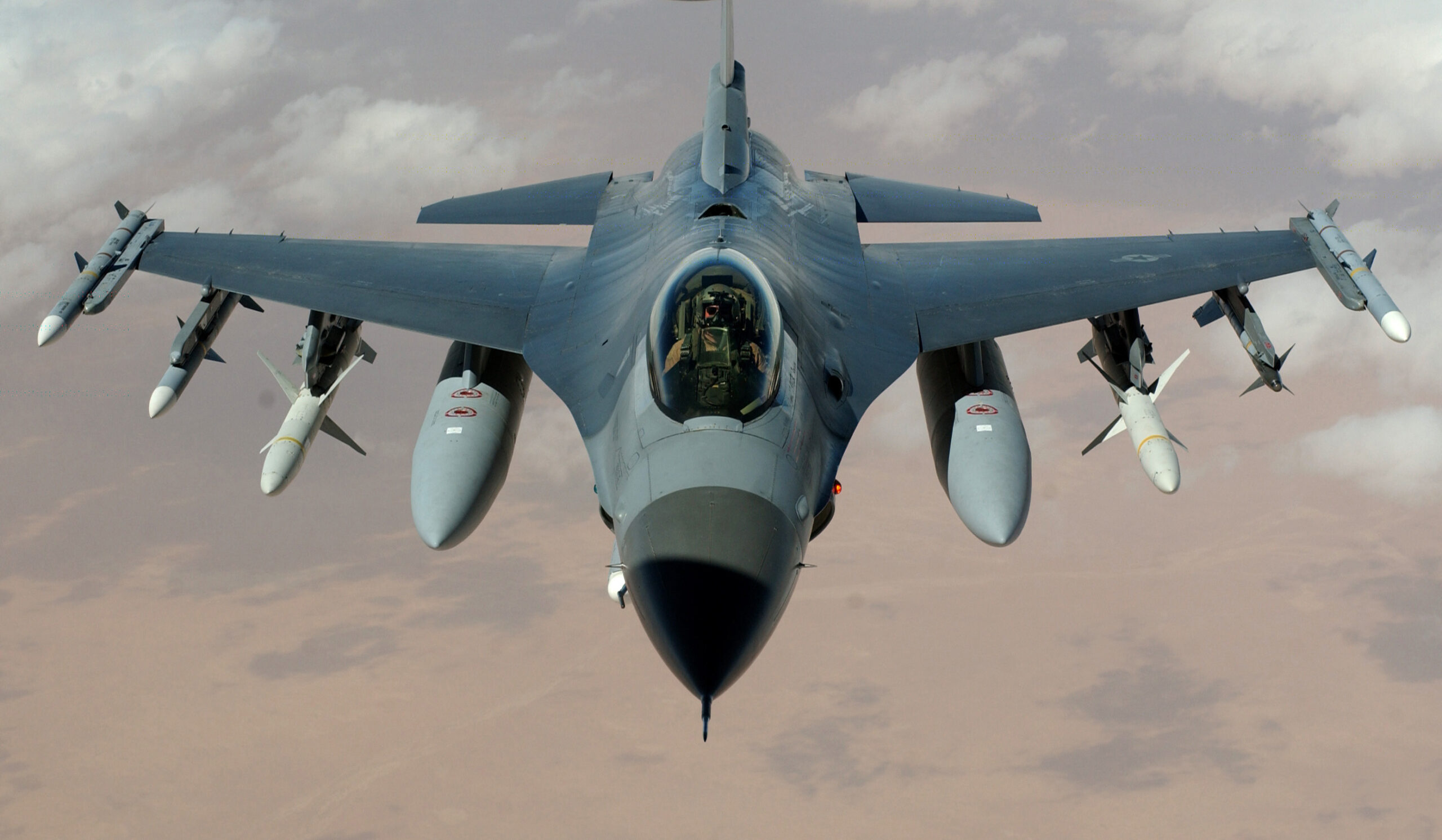
In the fast-evolving world of defense contracting, a single sustainment deal rarely makes the headlines. But when V2X — a U.S.-based integrated solutions provider — secured a $118 million Foreign Military Sales (FMS) contract this week to keep Iraq’s fleet of F-16s operational, it offered more than just numbers. It highlighted the growing strategic value of long-term logistics and readiness support in regions that remain politically fragile yet strategically vital.
Why This Matters Beyond Iraq
Iraq’s F-16 fleet has played a visible role since its acquisition during the fight against ISIS a decade ago. Yet the challenges of maintaining advanced fighter jets in Iraq’s unpredictable security and budgetary environment are as real today as they were in 2014. V2X’s new contract ensures supply-chain stability, parts availability, and continued training for Iraqi air force personnel — all essential for aircraft that must remain combat-ready at a moment’s notice.
For Baghdad, this deal shows an intent to uphold its defense obligations and to maintain its limited air superiority capabilities in a region where drone threats, cross-border incursions, and insurgent flare-ups remain persistent risks.

What This Reveals About the Global Market
This FMS contract might seem like a routine support extension, but it reflects a broader trend: defense industry leaders are increasingly investing in “through-life” support capabilities instead of focusing solely on big-ticket weapons sales.
As reported by Reuters and AP News, sustainment accounts for a growing share of defense budgets worldwide. In 2024 alone, several European and Asia-Pacific states signed similar multi-year deals to keep older platforms modernized rather than replace them outright.
Why? Because defense spending is under intense public scrutiny. Budgets are tight. And the geopolitical landscape is unpredictable. Life-cycle sustainment allows governments to stretch existing investments without compromising readiness.
The Middle East: A Testbed for Sustainment Models
The V2X-Iraq deal also illustrates how the Middle East remains a proving ground for contractors looking to expand long-term services. While Gulf states are experimenting with diversified supply chains — increasingly ordering systems from European or Asian suppliers — countries like Iraq still depend heavily on U.S. support for training, spare parts, and logistics.
This dependency has benefits and risks. On one hand, it cements long-term strategic relationships with Washington. On the other, it exposes local militaries to any changes in U.S. foreign policy or shifting congressional attitudes toward regional military aid.
For contractors like V2X, the ability to operate in complex theaters like Iraq gives them a competitive edge in other markets where similar conditions apply — from Eastern Europe to parts of Africa.
Looking Ahead
This deal may not transform Iraq’s air combat capabilities overnight, but it sends a clear signal: sustainment is not an afterthought. It is a frontline priority.
For industry observers and procurement officers alike, the lesson is simple: advanced fighters, ships, and vehicles mean little without the infrastructure and partnerships that keep them flying, sailing, or rolling.
How many other air forces — under tight budgets and shifting alliances — will take note?
Sources:
- Reuters World News
- AP News Global
- Aviation Week Intelligence Network
- Bloomberg Middle East
- Politico Europe