
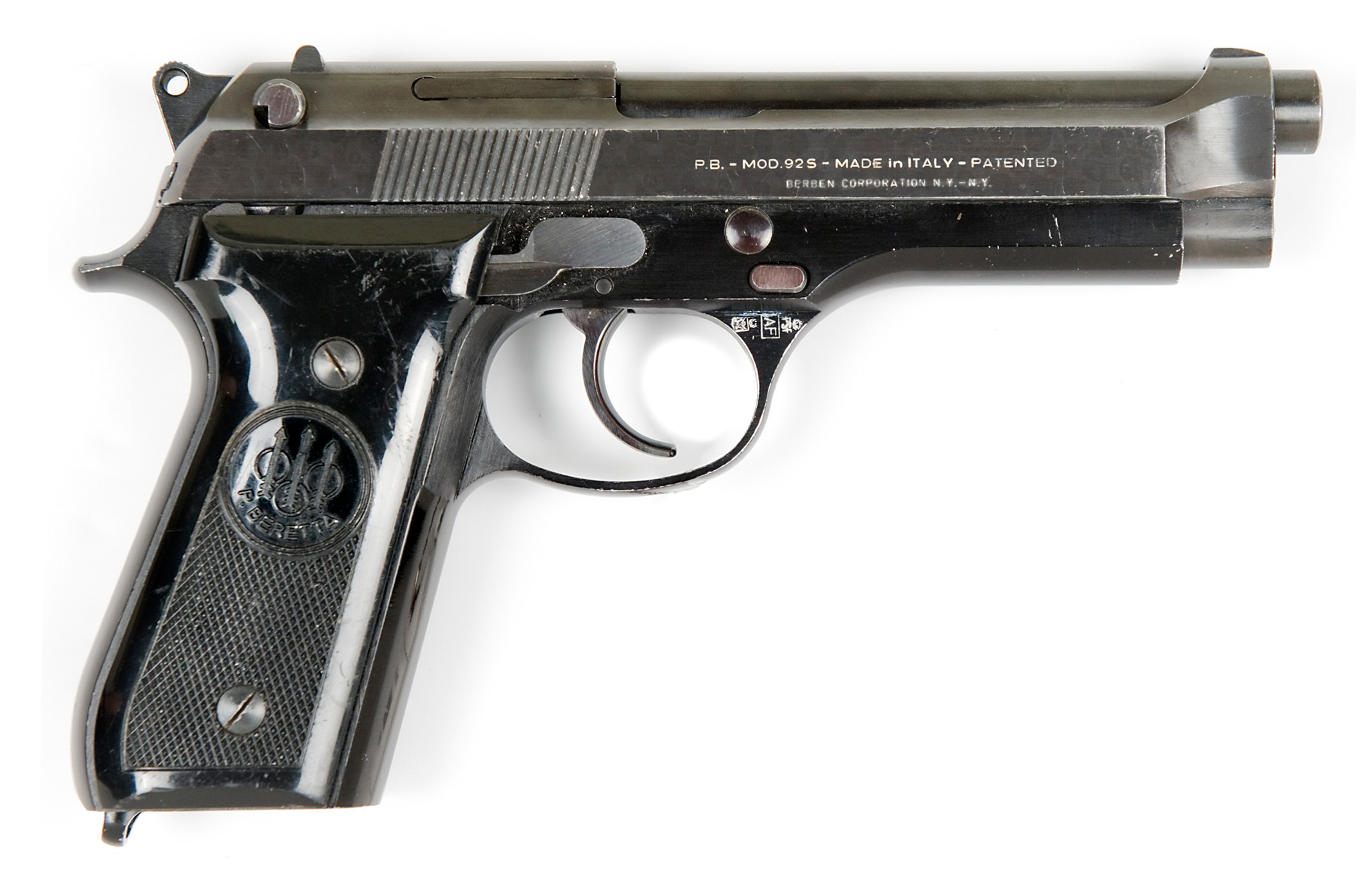
When exploring Beretta’s iconic 9mm handguns, two names come up time and again: the 92FS and the M9. To the casual observer, they might appear identical. In truth, many seasoned shooters still ask: “Are there any meaningful differences between the two?” This article walks you through the subtle contrasts between these two models, offering a clear, fact-based comparison while engaging with the kinds of questions real users have.

Origins and Military Adoption
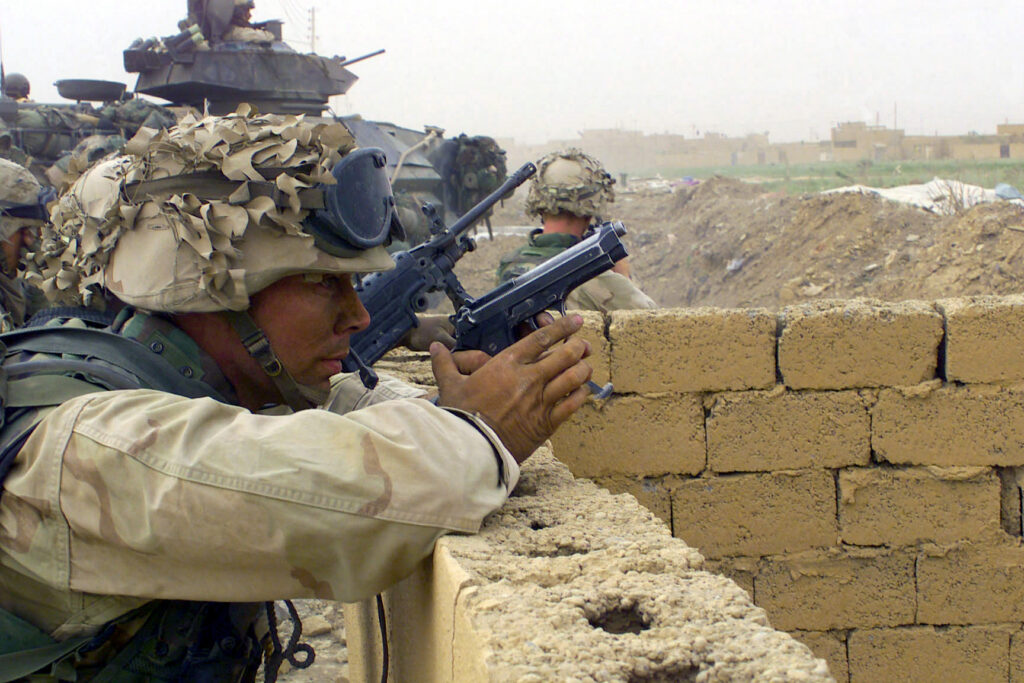
The Beretta 92FS is a civilian version of the 92 series that originated in the 1970s. Designed with reliability and simplicity in mind, it quickly gained a reputation as a robust full-size pistol. The U.S. military took notice, and in 1985, the M9 was formally adopted as the standard sidearm for the Armed Forces.
Functionally, the M9 is a slightly modified version of the 92FS tailored for military use. The differences arise not from mechanical changes, but from adjustments required to meet U.S. Department of Defense specifications. This included the use of a unique coating for corrosion resistance, certain frame reinforcements, and domestic production requirements.
Interchangeability and Shared DNA
From a technical standpoint, the M9 and 92FS are practically interchangeable. Their dimensions, internal mechanics, magazine compatibility, and takedown process are the same. The major components—slide, barrel, recoil spring, and frame—can often be swapped between the two.
This shared architecture means that most holsters, accessories, and aftermarket upgrades fit both pistols equally well. So if you’re worried about part compatibility or long-term maintenance, the difference is negligible.
Grip and Ergonomics
One of the few physical distinctions lies in the shape of the grip. The M9 features a straighter backstrap, giving it a slightly different angle in the hand. Some users with larger hands prefer the M9’s grip geometry, saying it provides a more natural point of aim.
The 92FS, on the other hand, often comes with a subtly curved backstrap that favors smaller or medium-sized hands. Both models have similar grip textures and controls, but the feel can differ slightly depending on personal preference.
Trigger reach is nearly identical, so unless you have strong preferences in grip angles, both will handle similarly.
Slide and Frame Characteristics
Both the 92FS and M9 feature Beretta’s open-slide design, which aids in feeding reliability and reduces the risk of stovepipes. However, one difference is the dust cover—the front section of the frame beneath the slide.
The M9 has a straight dust cover for added structural strength. This was introduced as part of the military’s requirement for greater durability during extended field operations. The 92FS usually has an angled dust cover, though some modern versions have adopted the straight-cut design as well.
These differences are subtle and mostly aesthetic unless you’re comparing older generation frames.
Controls and Sights
Control layout is almost identical on both pistols. Both feature ambidextrous safety/decocker levers and a magazine release positioned for right-handed shooters. The trigger guard is squared on both, allowing for gloved shooting and additional finger support.
The most noticeable difference is in the sights. The M9 typically comes with a two-dot sight system, while the 92FS often includes a three-dot configuration. For some shooters, the three-dot system allows faster sight alignment. Others find the two-dot setup cleaner and less distracting. Either system works well for defensive or range shooting and can be upgraded if needed.
Reliability and Endurance
Both pistols are known for their outstanding reliability. The U.S. military subjected the M9 to rigorous testing, and it proved capable of firing over 17,000 rounds between stoppages under controlled conditions. In some documented cases, M9s reached over 150,000 rounds during service trials before experiencing significant wear.
The 92FS, being mechanically identical, shares this same reputation for durability. Civilian shooters and law enforcement agencies alike have praised the 92FS for its minimal failure rate, even under poor maintenance conditions or adverse environments.
Slide and frame failures have occurred in some older M9 models, particularly under extreme conditions during Navy SEAL testing. These incidents led Beretta to reinforce both components in future military and civilian models.
Accuracy and Range Use
In terms of accuracy, both pistols offer comparable results. Their fixed-barrel alignment, long sight radius, and low recoil allow for consistent performance. Typical shot groupings at 25 meters are nearly identical between the two, and the recoil impulse is smooth and manageable.
One factor often praised is the smooth double-action/single-action (DA/SA) trigger mechanism. While the double-action pull may feel long to some users, the transition to single-action follow-up shots is crisp and satisfying on both models.
Civilian vs Military Markings
Another small difference that may matter to collectors or enthusiasts is cosmetic. M9s are often stamped with military designations and contract numbers. Civilian 92FS models may lack these markings or carry Beretta’s more commercial branding.
Functionally, this has no impact. But for those interested in military history or authenticity, these markings may influence your choice.
Price and Availability
In the civilian market, the price difference between the two models is generally minor. However, surplus M9s with military markings may fetch a slightly higher price due to their collectability. The 92FS is more widely available at commercial dealers and often comes in a broader range of finishes and configurations.
If you’re looking for a pistol for concealed carry, competition, or home defense, the 92FS might offer more flexibility in terms of customization and aftermarket options.
Final Takeaway
So, is there really a difference between the Beretta 92FS and M9? Technically, yes—but practically, very little. They are two sides of the same coin, developed from the same platform, with overlapping histories and nearly identical mechanics.
Your choice may come down to aesthetics, grip preference, sight configuration, or whether you value military-issued markings. In performance, reliability, and legacy, both pistols stand as world-class examples of handgun engineering.
Sources:
- Shooting Illustrated – Beretta M9 vs Beretta 92FS
- Craft Holsters – Side-by-Side Comparison
- Vedder Holsters – Technical Specifications and Sighting Systems
- Wright Leather Works – Ergonomics and Handling