
This article was written by Tal Sar-El, a homeland security expert with more than 35 years of experience in the Israeli Security Agency (ISA). During his career he held senior management and command roles in areas such as embassy and aviation security, dignitary protection, maritime security, and information security, both in Israel and internationally.

From “Fisherman” Status to “Hunter” Stance: The Shift in Israel’s Defense Doctrine
Recently, I have published several posts and articles regarding the PAP (Pro-Active Preventive) doctrine in the security field. This concept involves shifting from managing security while retreating into the illusion of a “protected fortress,” where security forces wait to catch the adversary on the fences (“The Fisherman”), to a more proactive approach that moves beyond the fences (“The Hunter”) and seeks to locate the adversary while they are still in the organizational stages. This article examines a central question: Has Israel truly adopted the PAP?
Shattering the “Conception”
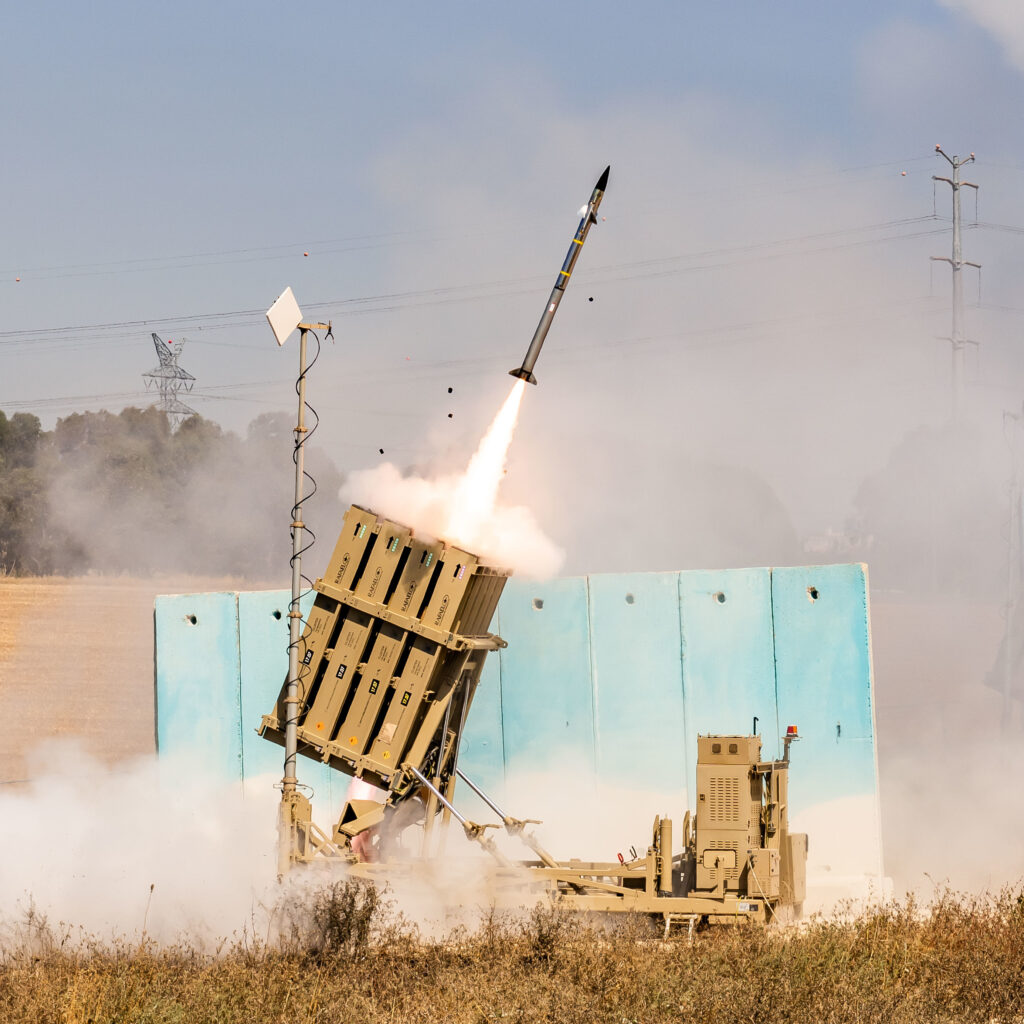
For decades, Israel’s security concept relied on the “Fisherman” model: building expensive technological and physical nets such as the Gaza barrier and Iron Dome, and passively waiting for threats to approach. Within this “illusion of silence,” the strategic discourse increasingly revolved around the language of containment (“quiet will be met with quiet,” “miscalculation”), while the adversary, acting as a predator, conducted trial runs against weak points, from riots along the fence to the placement of tents at Har Dov.
On October 7th, 2023, these defensive nets were violently torn apart, demonstrating that when the predator is allowed to maintain the initiative, the defender may eventually become the prey.
The Inherent Failure of the “Fisherman” Model
The old model failed because it focused primarily on response rather than prevention. The fisherman waited for the fish to “bite” at the fence, thereby granting the enemy its most valuable strategic resource: time to observe, learn, and plan. In a world where the adversary behaves as an active predator, attempts to “contain” smaller incidents only allow that predator to refine its tactics and prepare a more effective surprise attack.
The illusion of the “protected fortress” collapsed the moment the adversary stopped operating within the expected framework.
PAP as the Operational Answer – Taming the Predator
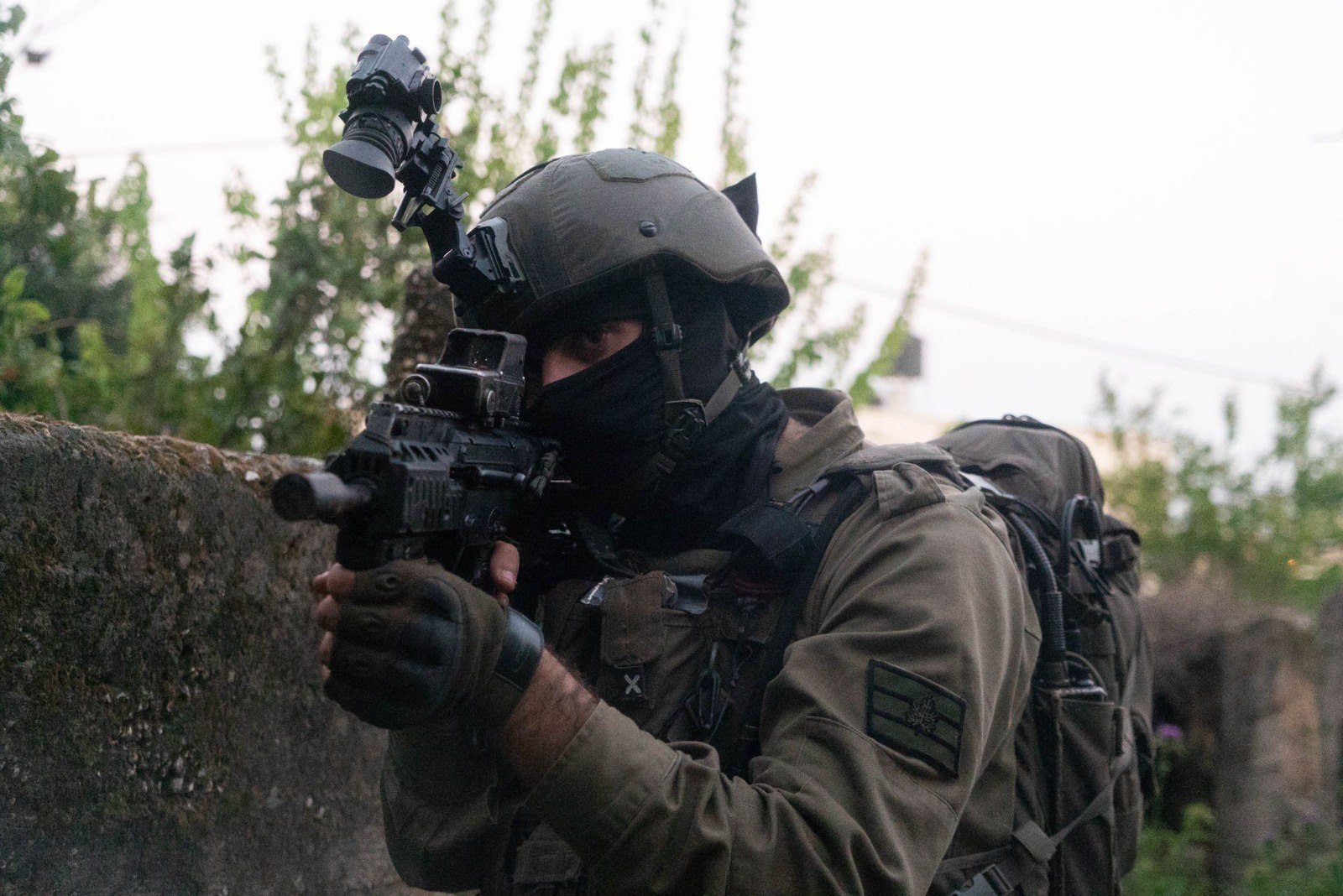
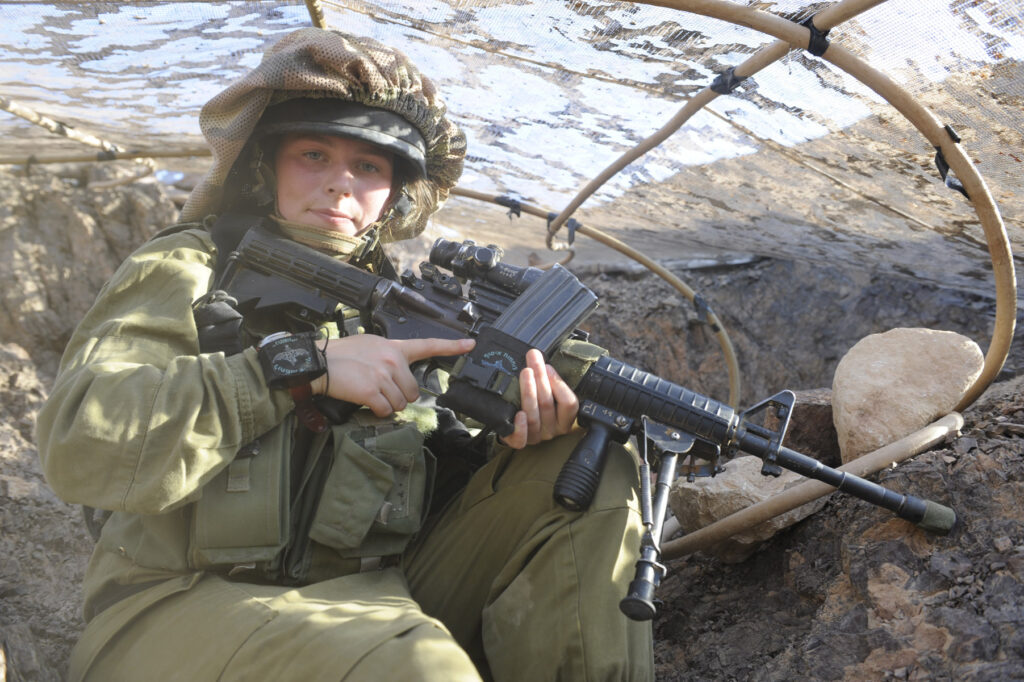
In response to these failures, the PAP (Pro-Active Preventive) doctrine emerged as an operational alternative. This concept shifts the defender from a waiting posture to a “Hunter” stance.
Pro-Active Prevention: Initiating contact with the enemy within their operational environment and on terms determined by the defender.
Preventive Disruption: Identifying abnormalities during the early preparation stages and disrupting the enemy’s operational comfort zone while they are still organizing.
Pre-emptive Strike: Replacing passive containment with offensive initiative designed to neutralize threats before they fully mature.
The PAP in Reality
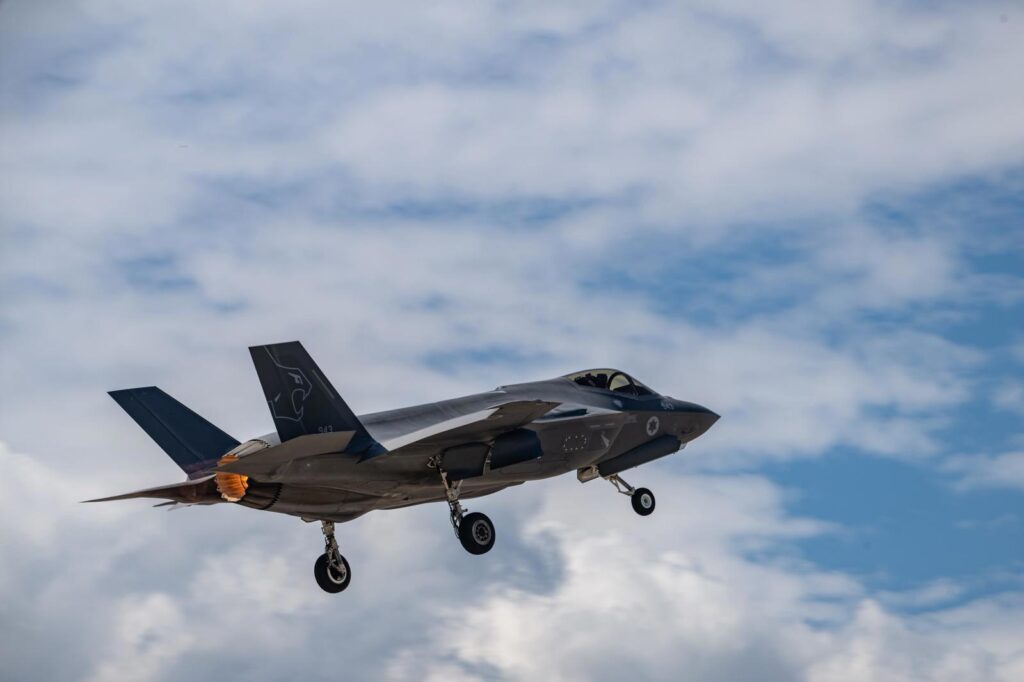
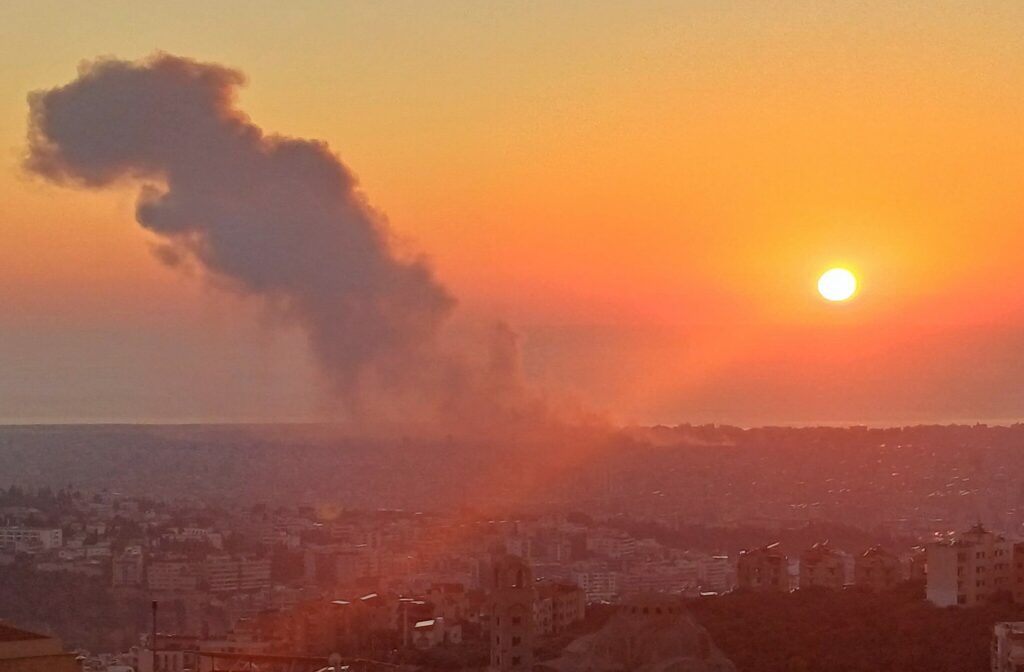
Events such as the elimination of Hassan Nasrallah and the weakening of Hezbollah’s operational capabilities, the destruction of the Syrian army and the capture of the “Hermon Crown” following the fall of the Assad regime, as well as operations such as “Am Kelavi” and the current operation “The Lion’s Roar” (Sha’agat Ha’ari), are often presented as practical expressions of the transition from “guarding the fence” to actively pursuing the adversary beyond it.
The Conceptual Revolution – From Survival to Space Management
For the PAP to become a permanent strategic standard rather than a temporary reaction, a deeper conceptual transformation is required.
Identifying Abnormalities Instead of Assessing Intentions: Rather than attempting to interpret the enemy’s intentions, the focus shifts toward identifying irregular patterns and acting upon them early.
Disrupting the Learning Curve: Preventing the enemy from gradually learning defensive patterns through repeated low-level friction along the fences.
Multi-Systemic Standard: Embedding the “Hunter” mindset across the entire system, from the political leadership down to commanders in the field. In this framework, the commander is no longer purely reactive but functions as an active scanner who prevents incidents as they emerge.
The Hunter Who Does Not Sleep
Israel stands at a strategic crossroads. The events of October 7th forced a reassessment of how initiative and deterrence should function within its security doctrine.
The PAP represents a commitment to continuous initiative, mobility, and the disruption of threats before they fully materialize. In this framework, emphasis shifts away from waiting at defensive barriers toward identifying and confronting emerging threats and eliminating them before they reach the fence.