
The Kosovo War was not just another episode in the violent breakup of Yugoslavia. It arrived at a particular moment, when Europe was trying to believe that the worst forms of ethnic violence had been left behind in the twentieth century. Bosnia had already shown how fragile that belief was. Kosovo confirmed it again, in a different form and under a different political pressure.

Between 1998 and 1999, Kosovo became the center of a conflict involving Serbian and Yugoslav security forces, the Kosovo Liberation Army, NATO, refugees, diplomats, investigators, and eventually international administrators. That combination matters. A local conflict became a European security crisis, then a global legal debate.
So the question is not only “what happened in Kosovo?” A better question may be this: why did Kosovo become the place where sovereignty, humanitarian intervention, ethnic identity, and military power collided so openly?
The Road to Armed Conflict
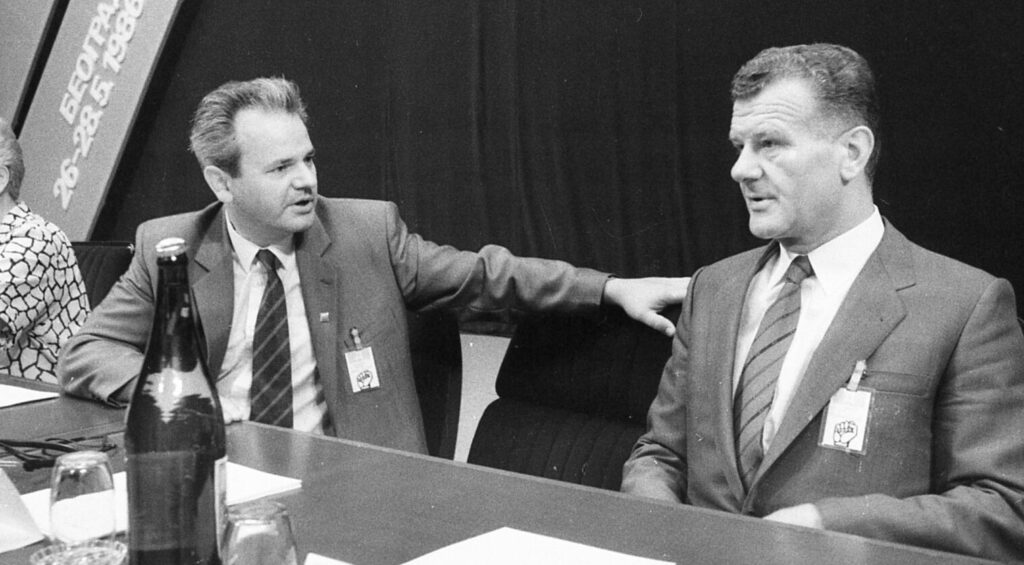
Kosovo’s crisis did not begin with NATO aircraft in 1999. The deeper background lies in the political structure of Yugoslavia, the rise of Serbian nationalism under Slobodan Milošević, and the loss of Kosovo’s autonomy in the late 1980s and early 1990s.
Kosovo had a large ethnic Albanian majority, while Serbia regarded the territory as historically and symbolically central to Serbian identity. That contradiction created a long-term political deadlock. For many Kosovo Albanians, the issue was representation, security, and self-determination. For Serbian authorities, Kosovo was a question of state integrity and national history.
During the 1990s, Ibrahim Rugova and the Kosovo Albanian political movement largely followed a non-violent path. Parallel institutions, political pressure, and international appeals were central to that strategy. Yet as the decade continued, many Albanians lost faith in peaceful resistance. The Kosovo Liberation Army, or KLA, became more visible and active. By 1998, the conflict had moved from political repression and underground resistance into open armed confrontation.
That shift changed everything. Once insurgency and counterinsurgency entered the scene, civilians became even more exposed. Villages, roads, police checkpoints, family homes, and border crossings were no longer simply civilian spaces. They became part of the conflict environment.
Violence, Displacement, and the Civilian Dimension
Any serious reading of the Kosovo War has to place civilians at the center. Military actors may shape the battlefield, but civilians usually carry the heaviest part of the war’s memory.
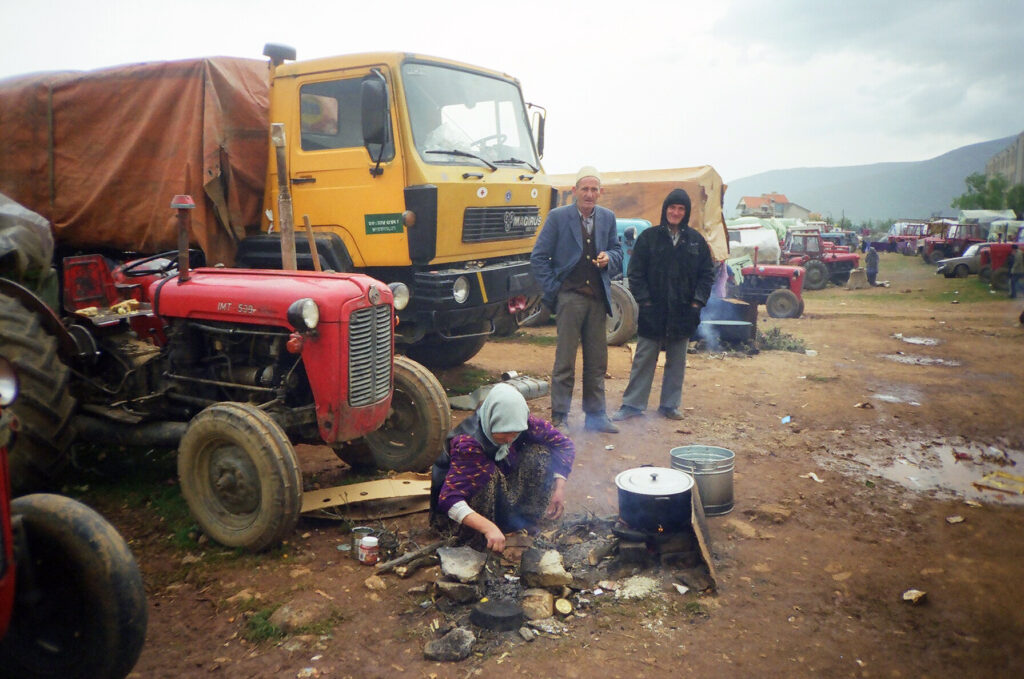
Human Rights Watch documented killings, torture, rape, forced expulsions, and other crimes committed by Serbian and Yugoslav forces against Kosovar Albanians during the period of NATO’s air campaign. The organization described a coordinated campaign of terror and expulsion. That is a severe assessment, and it is one reason Kosovo became such a powerful reference point in later debates about humanitarian intervention.
At the same time, a neutral account should not pretend that violence had only one possible direction. KLA-linked abuses and post-war retaliation against Serbs, Roma, and other minorities also became part of the wider record. This does not create moral equivalence between every actor or every scale of violence. It simply keeps the analysis honest.
Wars are rarely understood well when they are reduced to one clean sentence. Kosovo was a conflict of state power, insurgency, identity, fear, revenge, and international pressure. The more we simplify it, the less we understand why its consequences lasted so long.
Diplomacy Before the Bombing
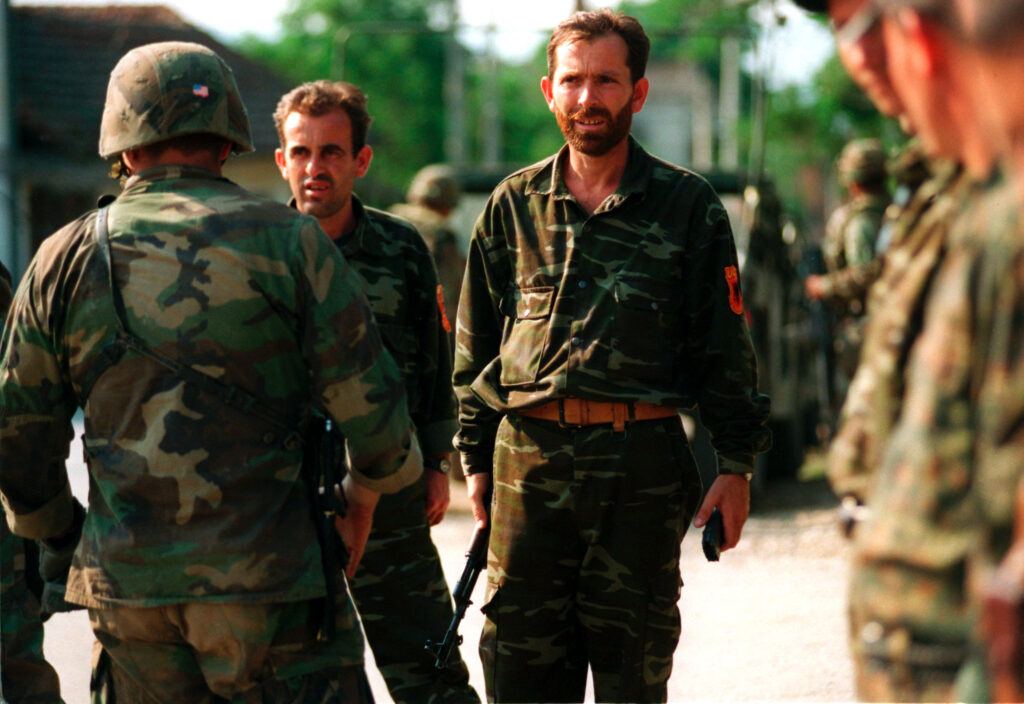
Before NATO began its air campaign, diplomacy was attempted. The Rambouillet talks in France were intended to produce a settlement that would give Kosovo substantial autonomy and establish security arrangements. Those talks failed.
The failure of diplomacy created the central dilemma of the Kosovo crisis. Western governments argued that military action was needed to prevent further humanitarian disaster. Critics argued that NATO was acting without explicit authorization from the United Nations Security Council.
This is where Kosovo becomes more than a Balkan war. It becomes a case study in the limits of the international system. What happens when a state claims sovereignty, civilians are being expelled or killed, and the Security Council is politically blocked? Is intervention legitimate if it is not clearly legal under the normal UN framework? Or does bypassing the Security Council weaken the very order that intervention claims to defend?
Kosovo did not answer those questions. It made them harder to avoid.
Operation Allied Force
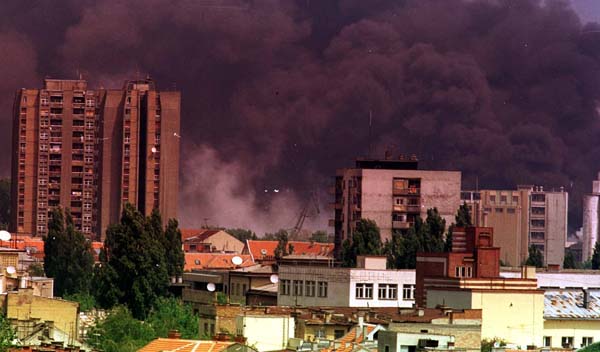
On 24 March 1999, NATO launched Operation Allied Force against the Federal Republic of Yugoslavia. The campaign lasted 78 days and was suspended on 10 June 1999, after Yugoslav authorities accepted the withdrawal of military, police, and paramilitary forces from Kosovo and the deployment of international civil and security presences.
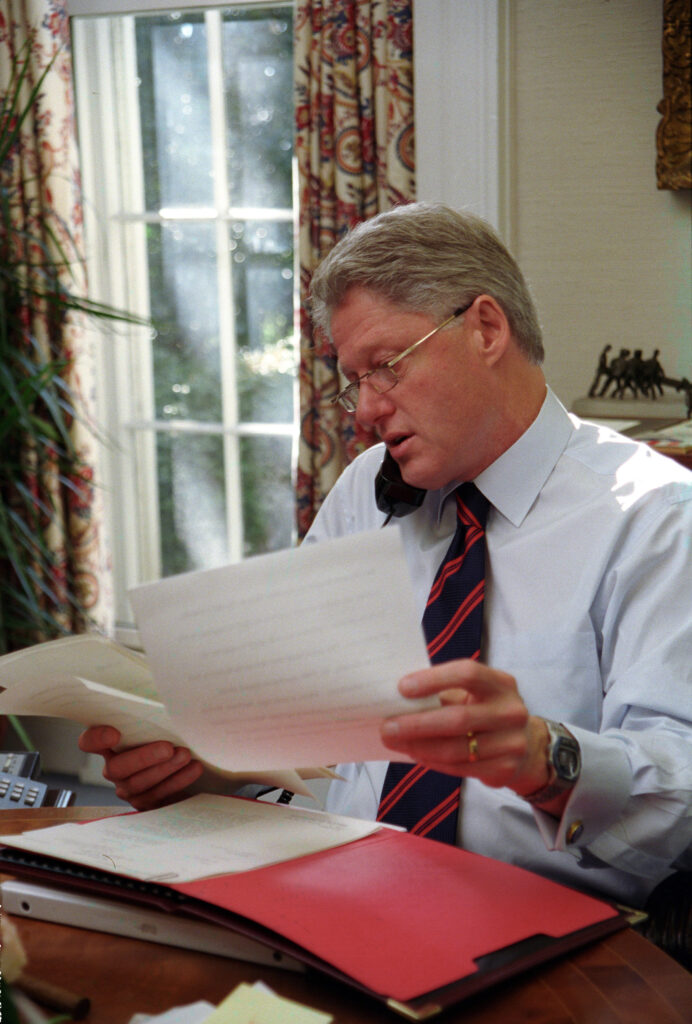
From a defense perspective, the campaign is important because it relied heavily on air power. NATO did not conduct a full-scale ground invasion during the operation. The alliance used air strikes to pressure Belgrade, degrade military capability, and force a political outcome.
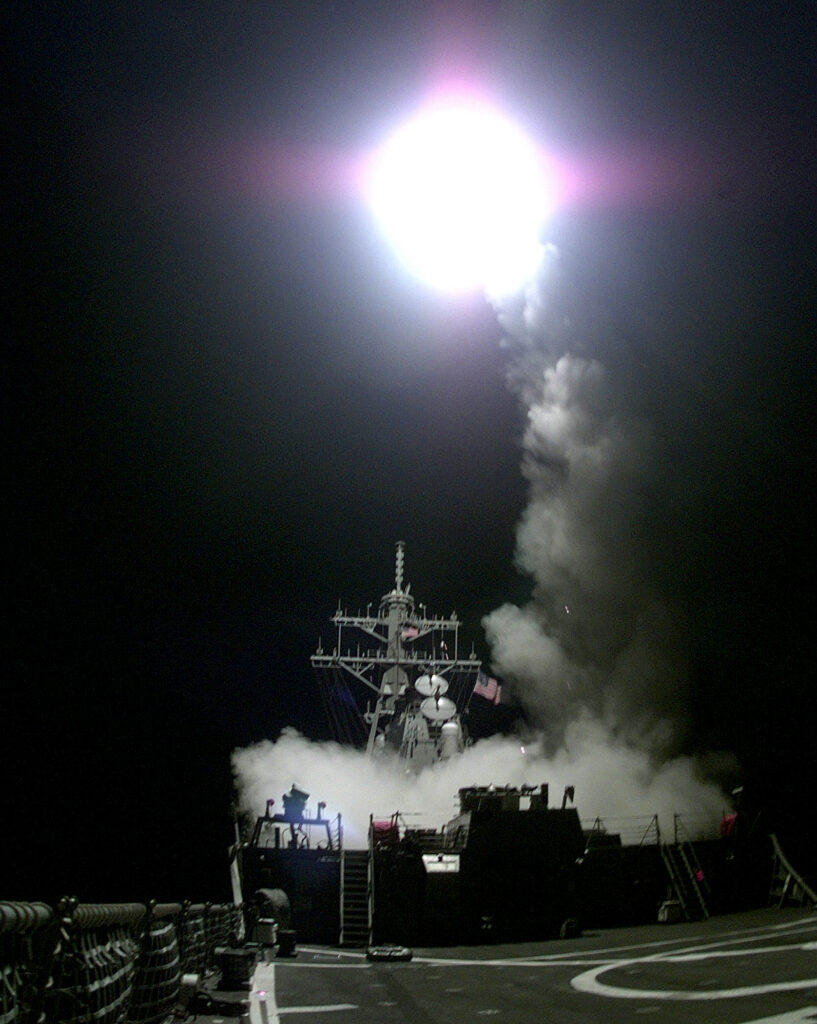
That approach worked in the sense that Yugoslav and Serbian forces withdrew from Kosovo. But military effectiveness is never the whole story. Air campaigns also produce civilian risks, infrastructure damage, targeting controversies, and legal debate. Kosovo became a major example of how modern alliances try to achieve political objectives without committing large ground forces.
This remains relevant today. Many governments still prefer standoff power when the political cost of ground war is too high. Kosovo showed both the attraction and the limits of that model.
War Crimes and Legal Accountability
The International Criminal Tribunal for the former Yugoslavia played a major role in documenting and prosecuting crimes from the Yugoslav wars. Slobodan Milošević was indicted in 1999 while the Kosovo conflict was still ongoing, becoming the first sitting head of state charged with war crimes by an international tribunal. That fact still stands out. The law was not arriving decades later, after archives had cooled and politics had moved on. It entered the conflict while events were still unfolding.
Milošević died in 2006 before a final judgment in his trial. Other Serbian and Yugoslav officials were prosecuted and convicted in relation to crimes in Kosovo. Later processes also addressed crimes linked to KLA members through separate legal mechanisms.
Legal accountability matters because it creates a record. It gives names, dates, commands, structures, and evidence. Still, courts cannot do everything. They cannot bring back the dead, rebuild trust, or make displaced communities feel safe again. Kosovo reminds us that justice is necessary, but never enough by itself.
After the War: International Rule and Unresolved Status
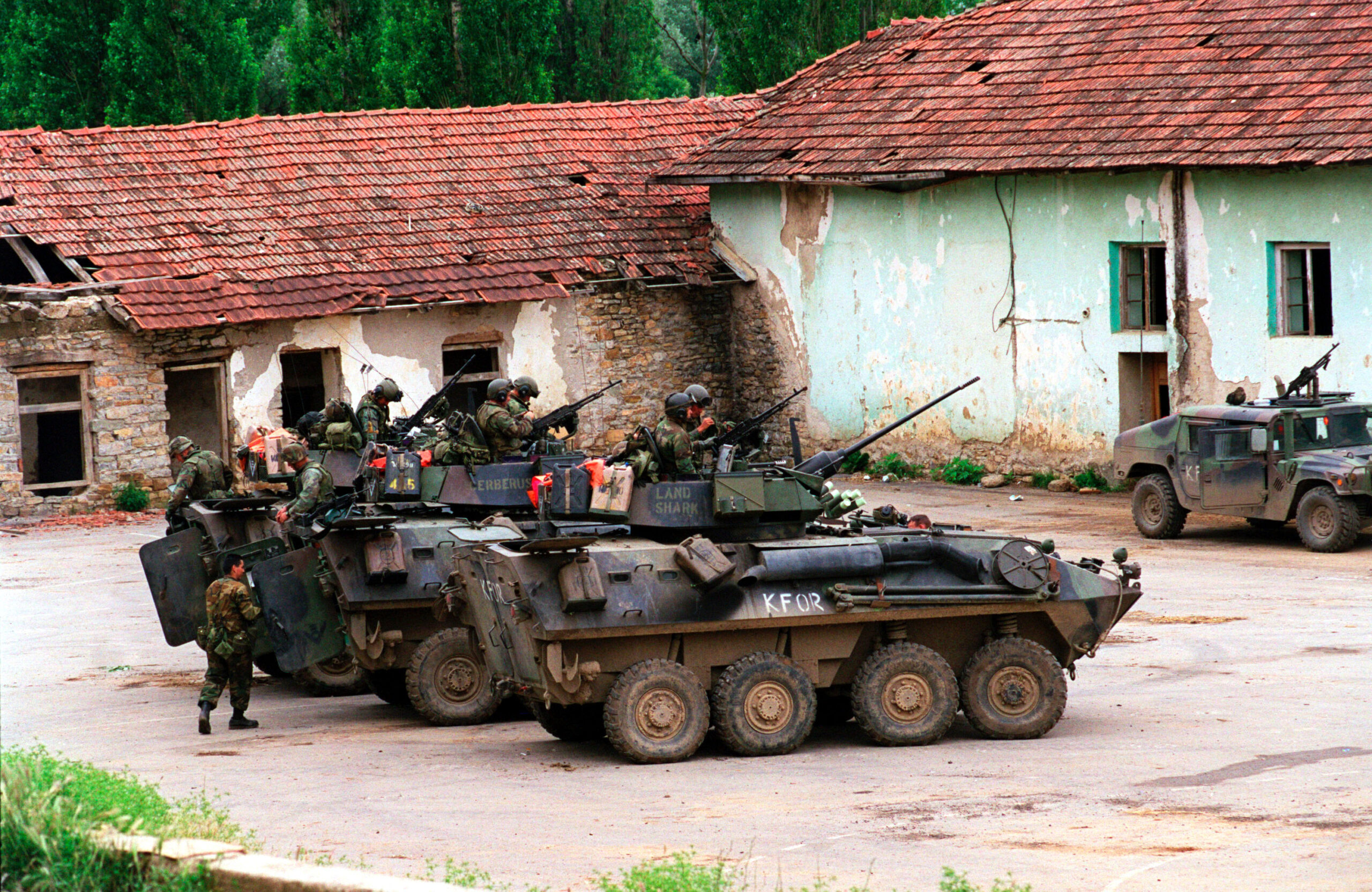
After the withdrawal of Yugoslav and Serbian forces, Kosovo came under international administration through UNMIK, established by UN Security Council Resolution 1244. NATO’s KFOR also entered Kosovo as the international security presence.
This created a strange political reality. Kosovo was no longer controlled as before by Belgrade, yet it was not immediately an independent state either. It existed under international administration while its final status remained unresolved.
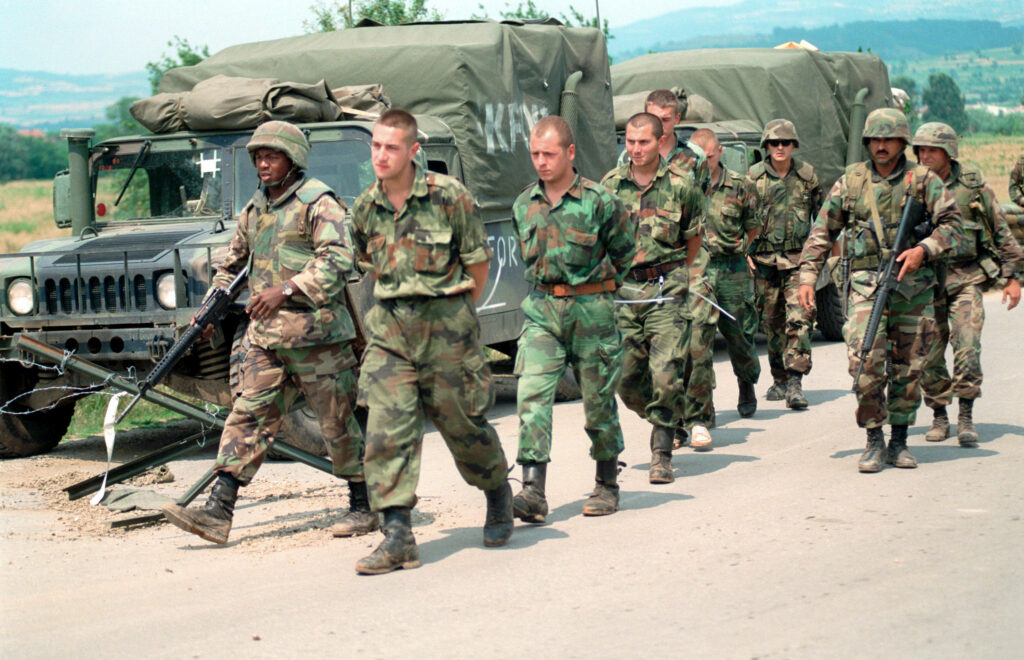
In 2008, Kosovo declared independence. Many Western countries recognized it. Serbia did not. Russia and China also do not recognize Kosovo’s independence, which continues to limit Kosovo’s position in the international system.
That unresolved status is not a technical diplomatic detail. It affects border tensions, minority rights, regional security, NATO’s continued peacekeeping presence, and the EU-mediated dialogue between Belgrade and Pristina.
Why Kosovo Still Belongs in Modern Security Analysis
Kosovo is often remembered through the NATO bombing campaign, but that is only one layer. The war also shows how quickly internal repression can become an international security issue. It shows how insurgent movements can emerge when peaceful politics loses credibility. It shows how humanitarian language can support intervention, while still leaving behind difficult legal questions.
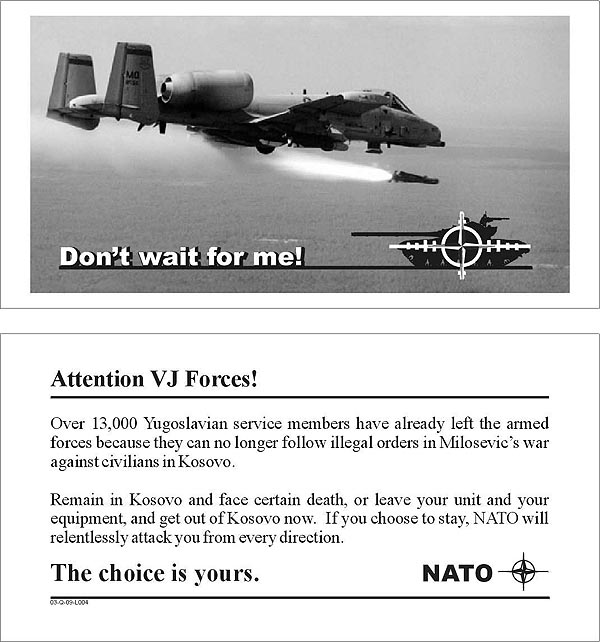
A defense-focused reader should also notice the wider pattern. Kosovo involved information pressure, alliance politics, air power, refugee flows, international courts, peacekeeping, and post-conflict governance. That is close to the modern security environment we still see today.
The Kosovo War ended militarily in 1999, but politically it never fully ended. Its consequences remain visible in Serbia-Kosovo relations, NATO’s presence in the region, debates over recognition, and the larger question of when outside powers should intervene in internal conflicts.
Perhaps that is the most important point. Kosovo is not only a memory of Europe’s violent 1990s. It is a warning about how unresolved political disputes can survive long after the last airstrike, the last ceasefire, and the last official declaration of victory.
Sources:
- International Criminal Tribunal for the former Yugoslavia. “Slobodan Milošević Trial: The Prosecution’s Case.”
- NATO. “Kosovo Air Campaign, March-June 1999.”
- United Nations Mission in Kosovo. “United Nations Resolution 1244.”