
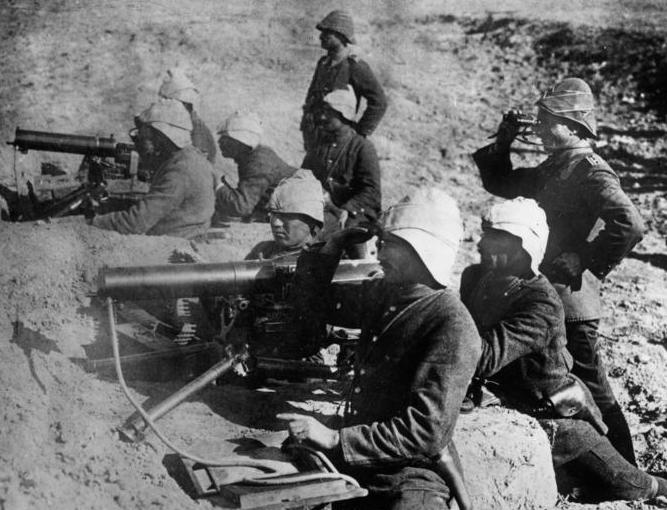
The Gallipoli Campaign stands as one of the most studied operations of the First World War. It is often remembered as a failure, but that description alone is too simple. The campaign reveals something deeper about how strategic ambition can collide with operational reality.

By 1915, the Western Front had become a deadlock. Trench warfare had slowed everything down, and progress came at an enormous cost. In London, decision-makers began to search for alternatives. They were not looking for a side operation, but for a way to change the nature of the war itself. Gallipoli emerged from that pressure.
The idea was not irrational. If the Allies could force the Dardanelles, reach Constantinople, and remove the Ottoman Empire from the war, the entire strategic balance could shift. At the same time, reopening a supply route to Russia would relieve pressure on the Eastern Front. On paper, it looked like a decisive move. In practice, it relied on assumptions that were never fully tested.
The Naval Assumption and Its Limits
The initial plan leaned heavily on naval power. Battleships were expected to suppress coastal defenses and clear the way through the straits. There was confidence in technology. Perhaps too much.
But the Dardanelles is not an open sea. It is narrow, layered, and defensible. Ottoman forces had prepared accordingly, placing mines in key positions and supporting them with artillery. When the Allied fleet advanced in March 1915, the result was immediate and costly. Several ships were lost or severely damaged. The operation stalled.
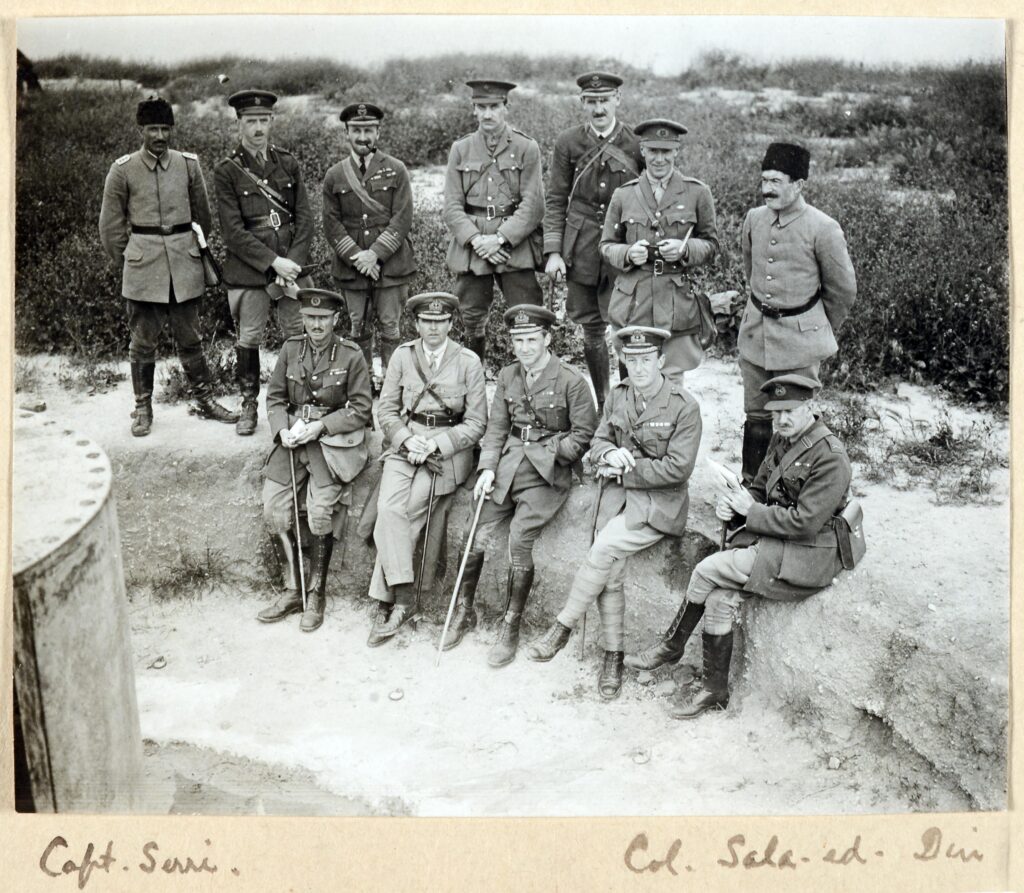
This moment mattered more than it first appeared. It exposed a core flaw in the planning. The environment had been underestimated. Instead of stopping and reassessing, however, the campaign moved forward. The failure at sea did not end the operation. It redirected it.
The Shift to Land Warfare
The transition from naval action to land invasion changed everything. What had been a focused operation suddenly became complex, layered, and far more difficult to control.
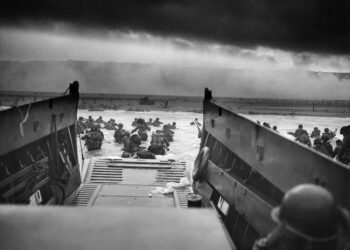
Amphibious warfare requires coordination, timing, and accurate intelligence. None of these were fully in place. Maps were unreliable. Reconnaissance was limited. Units landed in unfamiliar terrain under fire, often without a clear understanding of their immediate objectives.
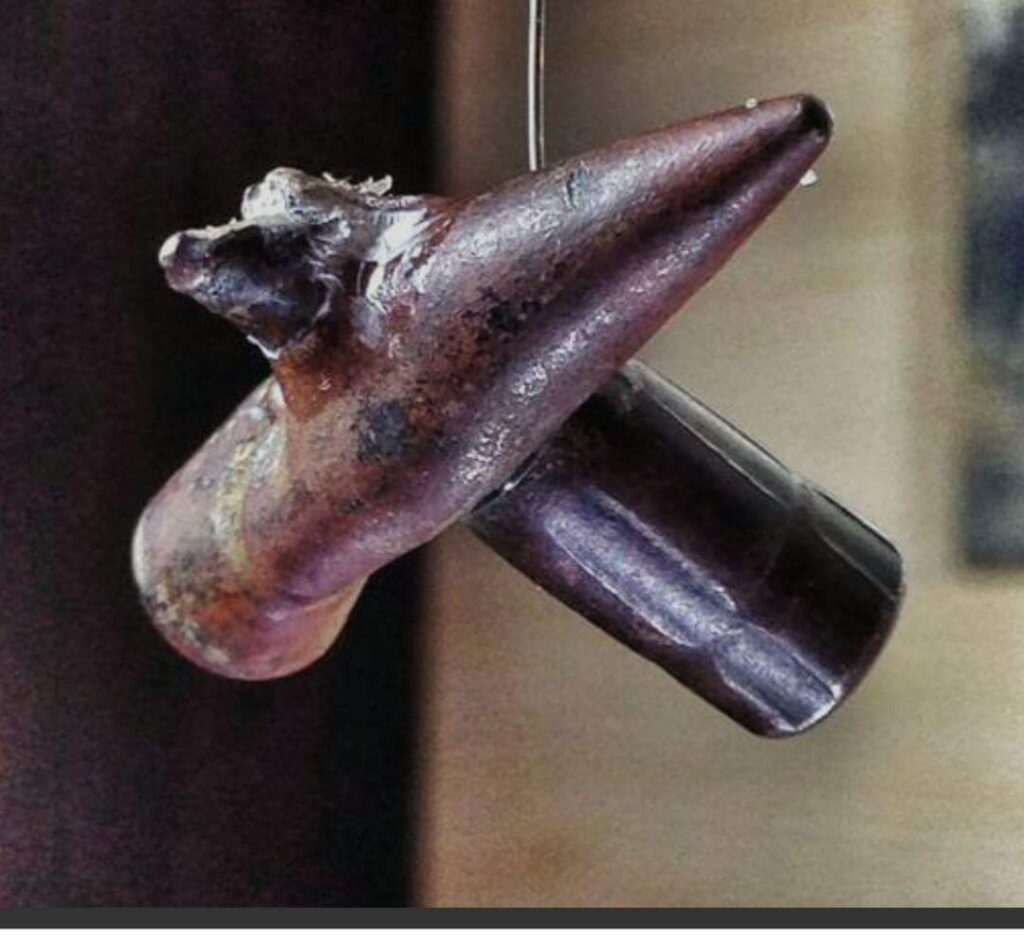
The geography of the Gallipoli Peninsula quickly imposed its own logic. High ground dominated the coastline. Narrow ridges and steep slopes slowed movement. In some areas, units advanced only a few hundred meters and then stopped, unable to push further without heavy losses.
What was supposed to be a rapid maneuver turned into something slower, more fragmented, and far more costly than expected.
Leadership and the Role of Mustafa Kemal Ataturk
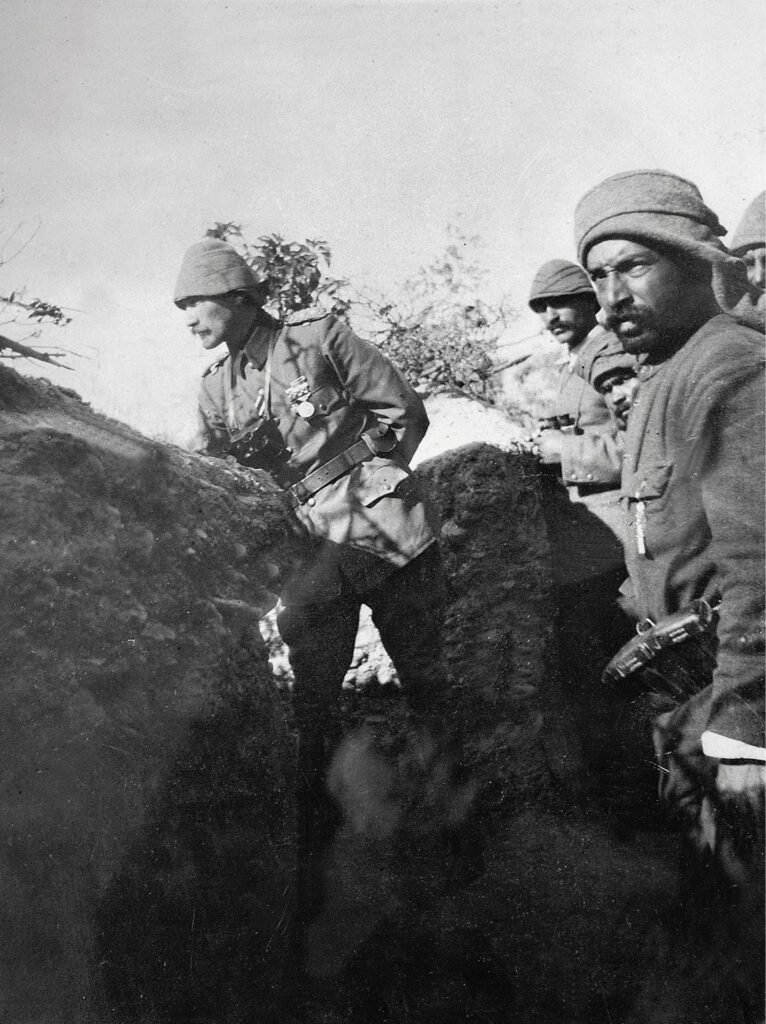
At this stage, leadership became a decisive factor. On the Ottoman side, commanders were forced to respond quickly to an evolving situation. Among them, Mustafa Kemal stood out.
He did not simply follow static defensive plans. He anticipated movement. He reinforced positions before they collapsed. More importantly, he understood the terrain and used it effectively. His decisions were not abstract. They were immediate and practical.
There is a moment often referenced in discussions of the campaign, where he ordered his troops to hold their ground rather than retreat. That decision reflects something beyond tactics. It shows a willingness to take responsibility under pressure, even when the situation is unclear.
In contrast, Allied command structures struggled with coordination. Orders were delayed. Communication broke down. Adjustments were slow. The difference in responsiveness became increasingly visible as the campaign progressed.
From Maneuver to Attrition
Over time, the campaign lost its original shape. It no longer resembled a maneuver operation. It became static.
Trenches appeared. Positions hardened. Movement slowed to a near standstill. In many ways, Gallipoli began to mirror the Western Front, the very environment it was supposed to bypass.
Conditions made everything worse. Heat, lack of water, and poor sanitation affected both sides. Disease spread quickly. Soldiers were dealing not only with combat, but with exhaustion and illness.
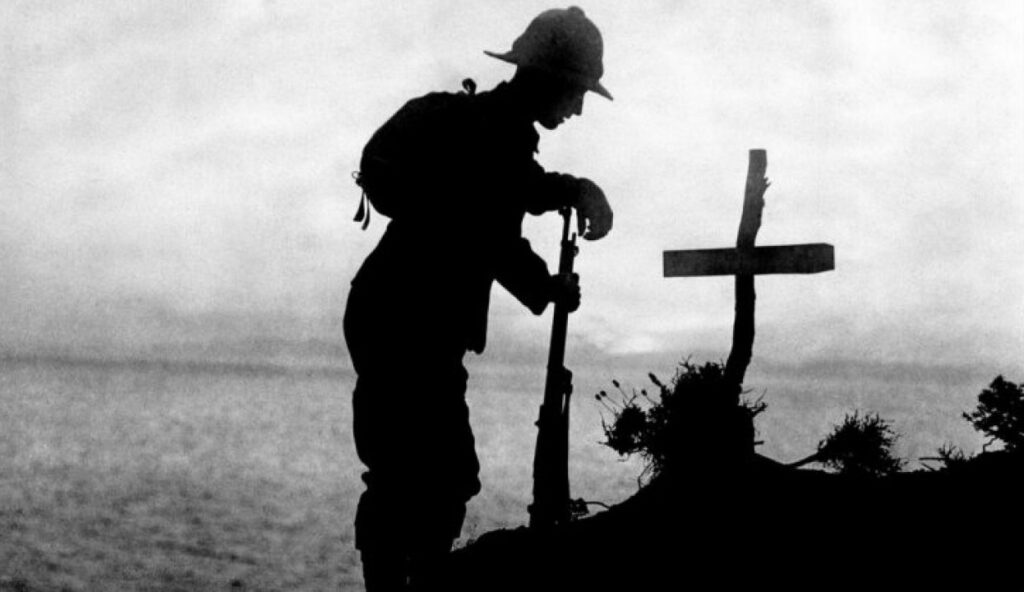
Logistics added another layer of difficulty. Supplying forces through exposed beachheads was unreliable. Ammunition, food, and medical support were often inconsistent. At that point, even limited offensives became difficult to sustain.
Strategic Misalignment and Persistence
What makes Gallipoli particularly important is not just what happened, but why it continued.
The gap between strategic intent and operational reality became clear early on. Yet the campaign did not stop. Instead, it continued, shaped by momentum, political expectations, and the difficulty of admitting failure.
This pattern appears often in military history. Once an operation begins, it develops its own internal logic. Resources are committed. Expectations rise. Withdrawal becomes harder to justify.
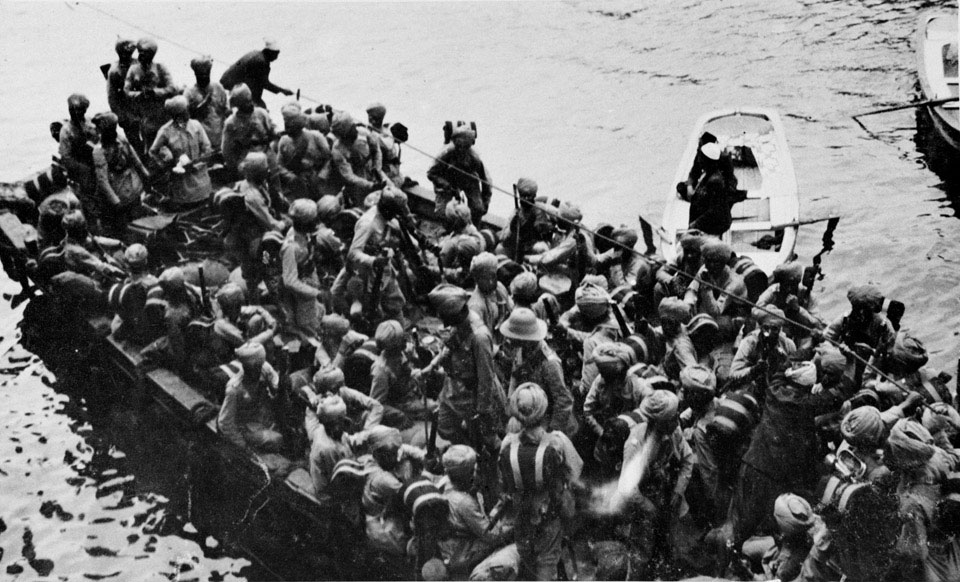
In Gallipoli, this led to prolonged fighting with limited results. Casualties increased on both sides, reaching into the hundreds of thousands. The strategic objective, however, remained out of reach.
The eventual evacuation of Allied forces was carefully planned and executed. It was one of the most successful phases of the campaign. But it also highlighted something uncomfortable. The same level of precision had not been present at the beginning.
Beyond the Battlefield
The consequences of Gallipoli extended far beyond the immediate military outcome.
For the Allied powers, the campaign damaged credibility and triggered political consequences. Leadership was questioned. Decisions were reassessed. It became a case study in what happens when ambition moves faster than planning.
For the Ottoman Empire, the successful defense had a different effect. It strengthened morale and demonstrated that resistance was possible, even under pressure from larger powers.
The campaign also shaped national identities. In Australia and New Zealand, Gallipoli became a defining moment, influencing how military history is remembered. It is not just about the outcome, but about the experience itself.
Enduring Strategic Lessons
Gallipoli is often framed as a historical event, but its relevance has not disappeared. If anything, it has become more useful as a case study.
It shows how quickly assumptions can fail when they are not tested against reality. It highlights the importance of terrain, logistics, and leadership. It also raises a more difficult question. At what point should an operation stop?
Mustafa Kemal’s role in the campaign is part of this broader picture. His actions demonstrated how local leadership, when combined with situational awareness, can influence outcomes even in larger strategic contexts.
When looking at modern conflicts, the parallels are not always direct, but the patterns are familiar. Plans that appear logical can unravel under pressure. Operations can continue long after their purpose has faded. And small miscalculations, when combined, can shape the outcome of an entire campaign.
Sources
- Encyclopaedia Britannica – Gallipoli Campaign
- World History Encyclopedia – Gallipoli Campaign