
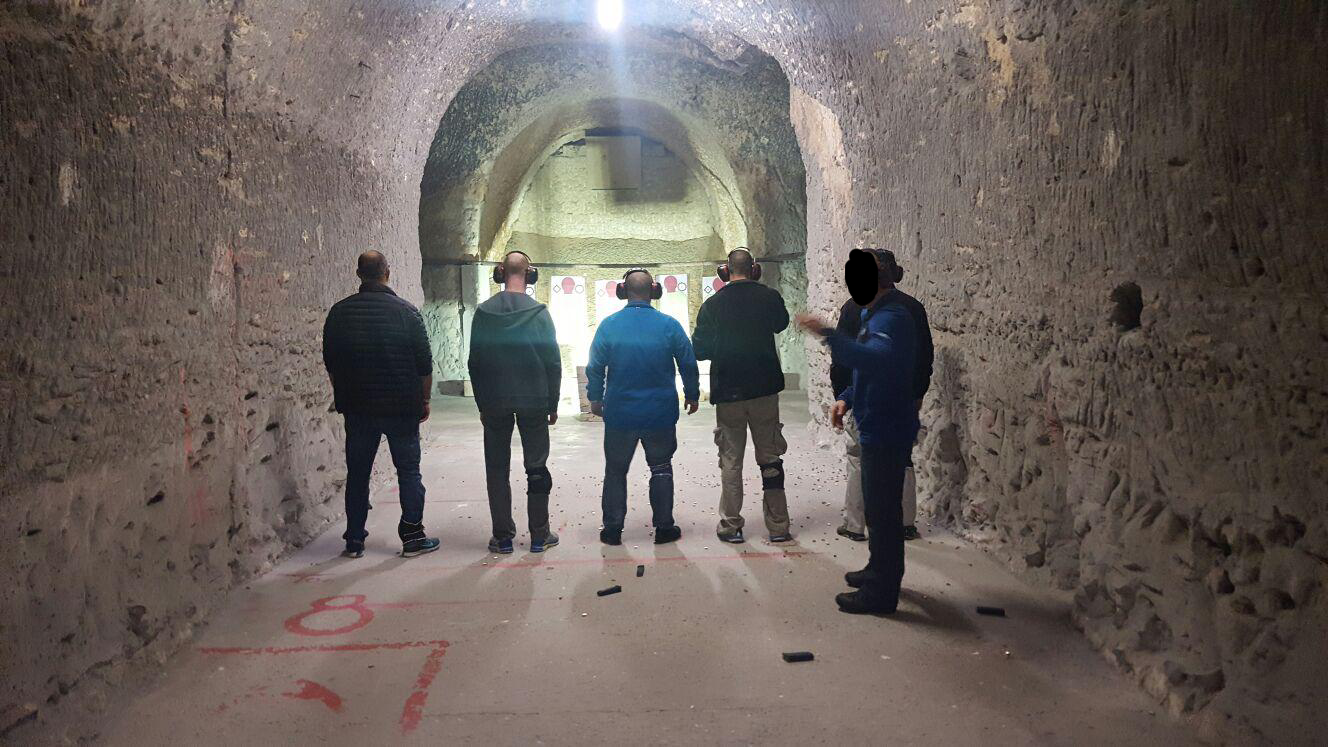
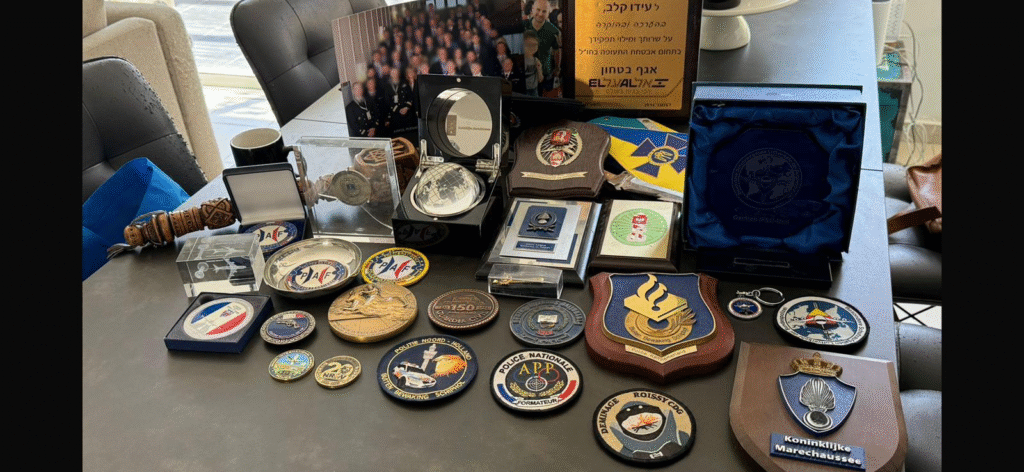
This analysis incorporates operational perspective and field-based insights developed in collaboration with Ido Kalev.
I have seen what happens when prevention works. And I have seen what happens when it fails. I have stood inside venues where layered security held. And I have stood meters away from explosions when it did not.

Security doctrine is easy to write on a whiteboard. It is different when a decision must be made in under two seconds. This article is not about theory. It is about what happens when all theory compresses into one human decision.
Prevention Is Leadership – But Not the End
It is planning. It is proactive posture. It is thinking like the attacker. It is breaking routine. It is owning terrain before it owns you. That is PAP.
But there is a dangerous illusion in modern security culture: that if planning is strong enough, the last layer will never be needed. That is false. No system is absolute. Layered defense reduces probability. It does not eliminate it.
And when probability collapses into reality, what remains is not policy. It is a person.
The Moment After the Plan Ends
There is a moment in every serious security operation when the plan ends. It does not explode. It does not collapse dramatically. It simply stops being relevant.
Layers were built. Threat analysis was conducted. Movement corridors were mapped. Ingress and egress were controlled. Technology was deployed. Red-teaming was done.
And yet the adversary is now physically present.
This is the moment nobody writes about in brochures. The moment beyond crowd density monitoring, beyond dashboards, beyond analytics. This is where doctrine meets decision. This is where leadership stops being theory. This is where prevention is no longer a concept. And what remains is you.
Prevention Is Not Visibility
Modern event security language has become dangerously soft: monitoring, flow management, density analytics, situational awareness. All important. All necessary. But prevention is not visibility.
Prevention is:
• Decision before confirmation
• Intervention before permission
• Disruption before escalation
Monitoring density is useful. Owning the threat trajectory is protection. Prevention is leadership under ambiguity. And when prevention fails, it is not technology that acts. It is a human being.
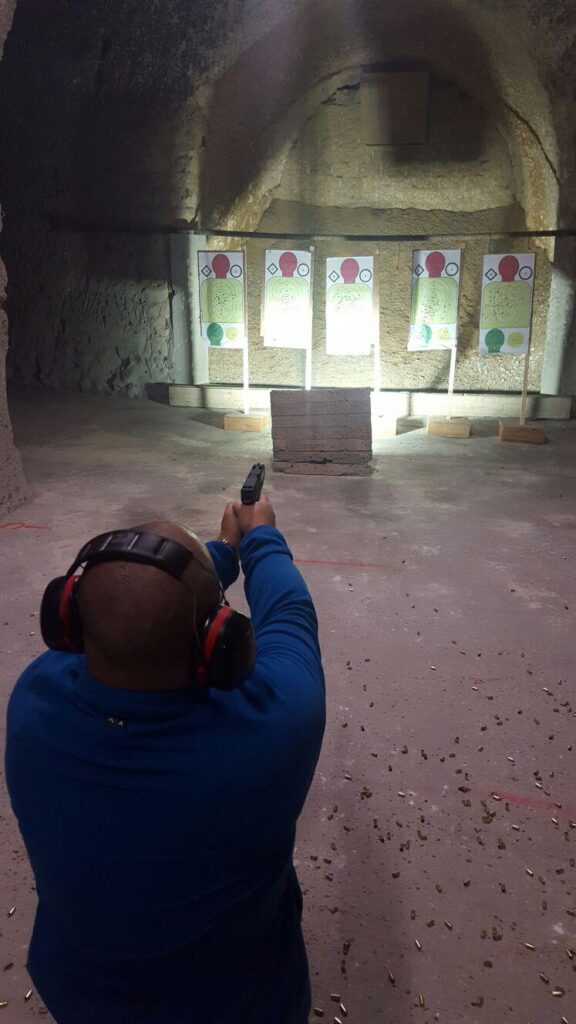
Human Override
Technology assists. Analytics inform. Cameras alert. But automation cannot carry moral responsibility. Only a human can decide to intervene. And that decision carries legal, ethical, and operational weight. If your system removes human authority in the name of optics, you have created fragility.
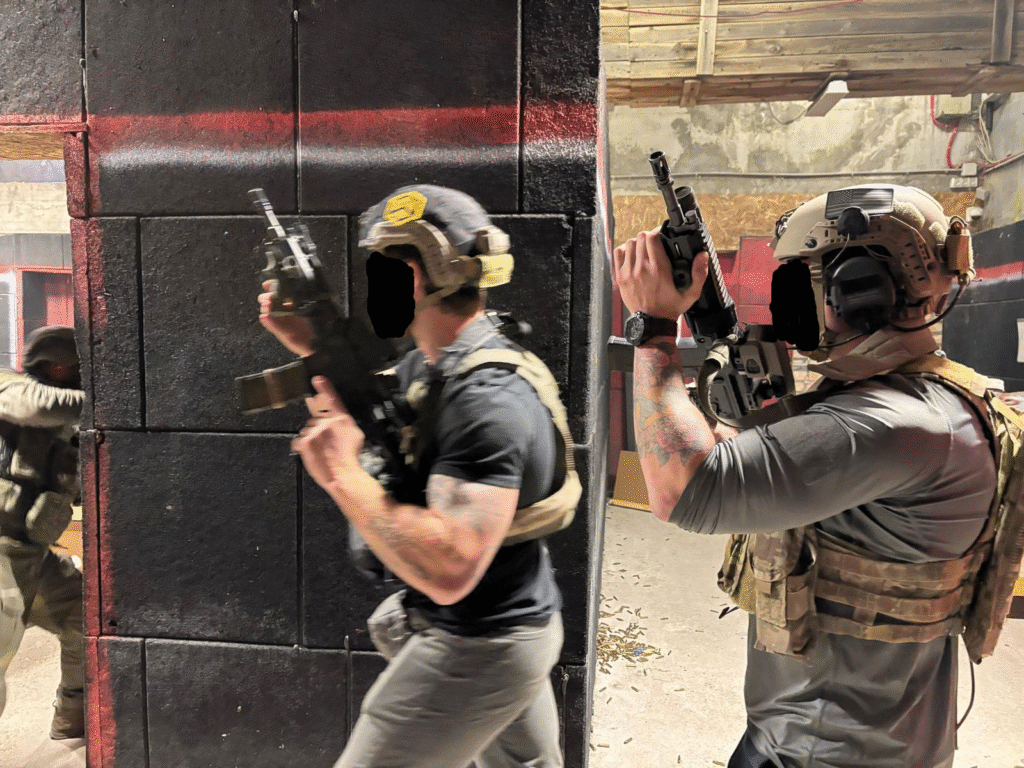
The Red Zone Reality
Every layered security system, no matter how advanced, contains an uncomfortable truth: if the threat crosses all outer layers, it enters the red zone. If your protected asset is a crowd, the red zone is not infrastructure. It is human lives.
This is the difference between:
• Airport perimeter doctrine
• Military forward defense
• Crowd-centric protection doctrine
In crowd protection, once the adversary reaches the concentration point, there is no fallback layer. There is only response.
Three Threat States – The Operational Reality
In real-world protection, there are only three relevant states.
1. Means without clear intent
An identified weapon or suspicious object, but distance exists and immediacy is unclear.
Response:
• Verbal disruption
• Controlled containment
• Tactical repositioning
• Crowd redirection
2. Intent without visible means
Hostile behavior, abnormal trajectory, focused aggression, but no visible weapon.
Response:
• Distance compression
• Tactical isolation
• Controlled intervention
3. Means + Intent + Immediacy
Confirmed weapon. Confirmed hostile action. Distance closing. No buffer remaining.
This is no longer monitoring. This is neutralization.
Sharpshooter vs. Sniper – The Misunderstood Difference
A sniper operates under structure:
• Intelligence support
• Time window
• Clear authorization chain
• Long preparation
A sharpshooter in crowd protection operates under:
• Seconds
• No confirmation
• No second attempt
• Civilian density
• Moral responsibility
The decision window is not minutes. It is often under two seconds. And the decision is not tactical only. It is ethical.
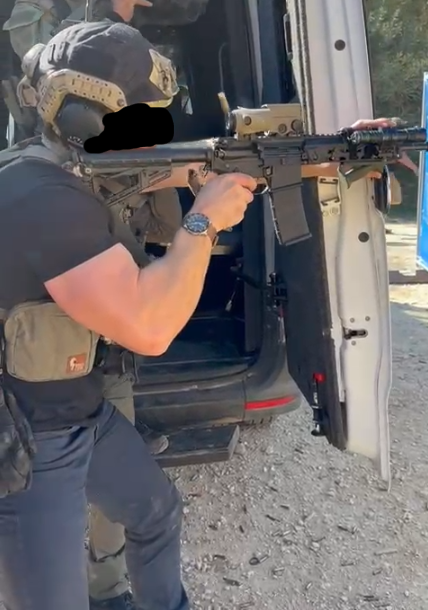
Case Study – Immediate Neutralization under Civilian Density
During a high-threat period, a hostile individual penetrated layered security and entered a dense civilian zone.
Indicators observed:
• Physical anomaly consistent with concealed device
• Abnormal movement pattern
• Rapid directional commitment toward crowd cluster
Distance: Less than 40 meters. Closing.
Time: Under three seconds. No secondary layer remained. No barrier. No technological mitigation.
Decision: Immediate head-level neutralization.
Why head? Because modern adversaries wear ceramic body protection. Center mass is no longer reliable. Delay equals detonation.
Shot executed. Threat neutralized. Device confirmed live.
Aftermath:
• Secondary perimeter established
• Crowd extraction controlled
• Area scanned for accomplices
• Full debrief conducted
Outcome: Zero civilian fatalities.
Decision Inside the Kill Zone
What began as a controlled apprehension shifted in seconds into a lethal engagement. The sector had already been defined during planning as a red zone, a designated kill area. Intelligence assessed one hostile. Reality revealed five.
There was no time to reposition teams or reinforce layers. Withdrawal would have meant exposing the unit to crossfire inside terrain already mapped as hostile-dominant.
The mission objective changed immediately. This was no longer capture. It became neutralization. Not because escalation was desired, but because delay would have multiplied risk geometrically.
Threat density. Distance. Intent. Immediacy. All four aligned. When that happens, doctrine compresses into a single variable: Decision.
This is the point where prevention ends and responsibility begins.
The Ethical Core – Authority without Applause
Lethal intervention is not aggression. It is the last act of protection when all other layers have failed.
The operator carries:
• Legal responsibility
• Moral burden
• Operational consequence
There is no celebration in neutralization. There is only silence. But that silence means people went home alive.
Debrief Is Not Optional
Professional systems do not celebrate success. They dissect it.
Questions asked:
• Why did outer layers fail?
• Where was pattern recognition delayed?
• Could early disruption have occurred?
• Was communication optimal?
• Were distances correctly calculated?
Even perfect outcomes require investigation. Without debrief, success becomes arrogance. Without reconstruction, improvement stops. And stagnation kills.
What Remains When Everything Else Fails
Crowd security is not a technological problem. It is not a mathematical equation. It is not a dashboard of colored indicators. It is not a slogan about visibility. It is a moral and operational test.
When the layers are breached, when monitoring systems did not stop the threat, when analytics arrive one second too late, there is no next layer.
There is only a human being standing between chaos and catastrophe.
In real protection doctrine, success is measured by absence:
• No explosion
• No stampede
• No funerals
• No second headline
Layers reduce risk. Leadership absorbs it. And in the final second, only one of them saves lives.
When the red zone arrives, who is ready to decide? Because when everything else fails, what remains is you.
Doctrine Summary
PAP – Proactive Anticipation & Prevention
TRIAD – Capability | Intent | Immediacy
Human Override – Decision Authority under Pressure
After Action – Mandatory Reconstruction