
In recent weeks, the city of El Fasher, the capital of North Darfur in Sudan, has emerged as a tragic focal point in the ongoing war between the Sudanese Armed Forces (SAF) and the Rapid Support Forces (RSF). As your platform explores defence and security dynamics, this episode offers a stark case study of how territorial capture, arms flows, and civilian catastrophe intertwine.

A decisive shift in the battlefield
El Fasher was one of the last major SAF strongholds in Darfur. Reports indicate that in late October 2025 a rapid RSF offensive overwhelmed the city’s defences, with SAF forces retreating. That shift changed not only the military map but opened the door to what observers call mass atrocity risks at scale. From a defence sector perspective, this moment captures several critical dynamics: the value of rapid offensive capability in contested terrain, the importance of maintaining morale and command structure when holding urban territory, and the transformation of a military victory into a governance crisis once a city falls. Control transitions from structured command to paramilitary rule, exposing the city to looting, indiscriminate violence, and undisciplined use of captured weaponry.
The weapons dimension: More than infantry arms
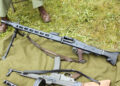
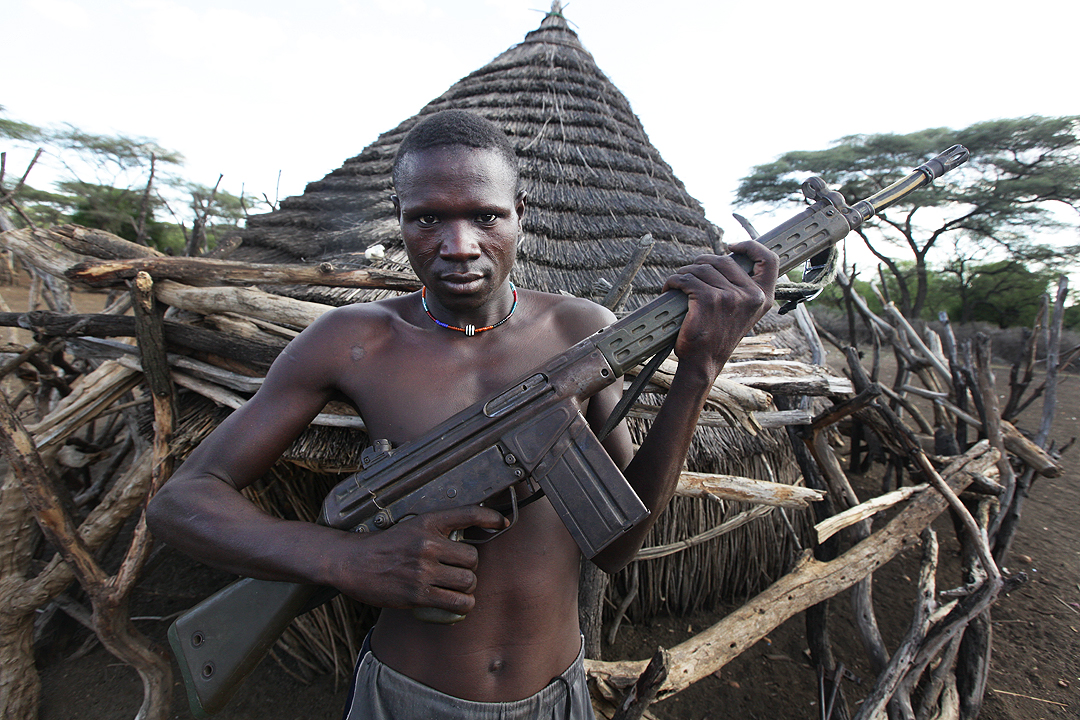
While most headlines focus on civilian suffering, the weapons picture reveals an equally important side of this war. Before the fall of El Fasher, a detailed report by Amnesty International showed that the Sudan conflict has been fuelled by new arms flows such as light weapons, sporting rifles, and even advanced systems. The RSF demonstrated agility by relying on vehicles, motorbikes, camel patrols, and increasingly, drones and possible air strikes. The takeover of El Fasher reflects not only the RSF’s growing access to sophisticated platforms but also the SAF’s dwindling control over equipment and ammunition depots. Video and satellite evidence reviewed by the Yale Humanitarian Research Lab suggest mass killings around civilian shelters and hospitals. For defence observers, the fall of El Fasher raises questions about which weapon systems enabled the RSF’s breakthrough, how these weapons were sourced, and how their redistribution after the city’s capture might affect regional arms markets and embargo enforcement.
Civilians, logistics, and the collapse of protective structures
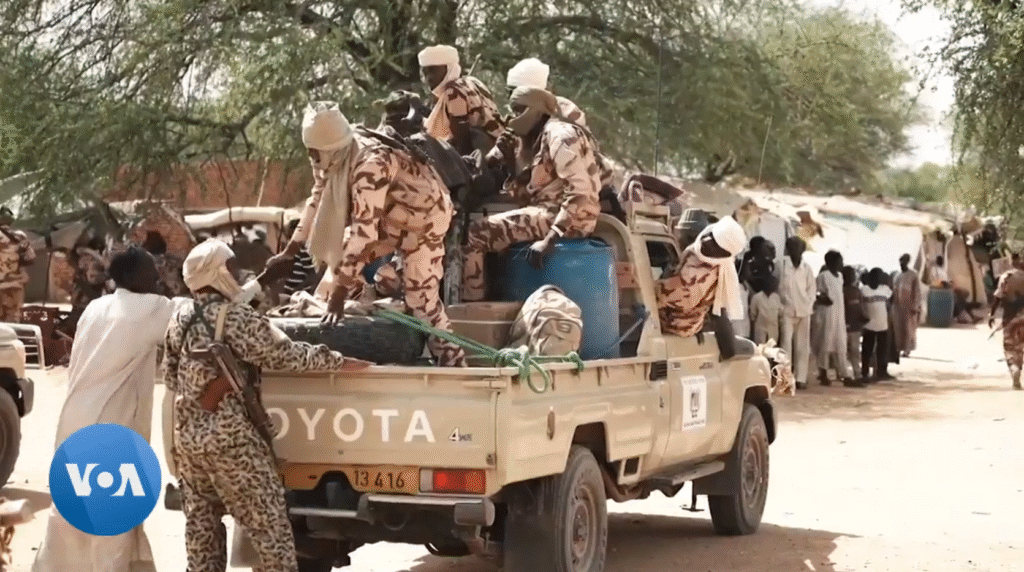
El Fasher had been under siege for months. Communications were cut, aid convoys blocked, and thousands of civilians trapped as fighting intensified. The Office of the United Nations High Commissioner for Human Rights documented reports of summary executions and other serious violations as RSF troops entered the city. For the defence industry, this phase exposes the complex logistics of urban warfare in a fragile environment. Supplying ammunition and fuel, maintaining vehicles, manoeuvring forces in densely populated areas, and conducting drone operations all become decisive factors. Once civilian protection collapses, the distinction between battlefront and support zone disappears. Urban warfare becomes a contest of endurance, mobility, and immediate resupply, and both sides turn to whatever equipment they can capture.
In El Fasher, this collapse of state control left civilians exposed but also handed the RSF valuable caches of arms and vehicles. The commandeering of hospitals and displacement camps for military use further blurred the boundaries between humanitarian and combat zones. What unfolds therefore is not merely a siege but the militarisation of every square kilometre of a once-civilian city, a transformation with long-term implications for both domestic stability and international arms oversight.
The strategic ramifications for the defence sector
For audiences within the defence and security ecosystem, El Fasher provides an essential case study in modern asymmetric warfare. The RSF’s reliance on light arm systems, drones, and mobile platforms highlights the growing demand for compact, portable, and adaptable technologies suited to hybrid conflicts. At the same time, the incident underscores how weapons diversion, particularly firearms exported for civilian or law-enforcement use, can easily feed paramilitary groups. Amnesty’s findings underline that export control loopholes remain a weak point in the global defence trade. The El Fasher situation thus reminds suppliers, policymakers, and observers that embargoes without enforcement are merely symbolic.
City warfare also demonstrates that capturing territory does not conclude a battle but initiates a new phase of occupation. Holding an urban area requires a different set of resources such as armoured vehicles, patrol systems, secure communication lines, and surveillance infrastructure. For the defence market, this means a shift from conventional offensive hardware toward control and security technologies. Yet it also brings ethical and reputational risks. When products or ammunition supplied legally are later used in operations linked to mass atrocities, companies and exporters face scrutiny that can last years.
Why El Fasher matters beyond Sudan
Although Sudan’s conflict is geographically contained, its implications resonate across multiple regions. The patterns seen in Darfur, remote strongholds, besieged urban centres, paramilitary governance, and humanitarian collapse, mirror conflicts from the Sahel to the Horn of Africa. El Fasher shows how rapidly a conventional military dispute can morph into a fragmented war of mobility, logistics, and survival, where civilian protection fades and weapon proliferation accelerates.
For defence analysts, El Fasher becomes a warning about how internal conflicts evolve into international crises. For manufacturers and compliance experts, it highlights the urgent need for traceable supply chains and post-export monitoring. And for readers of your platform, it stands as a reminder that war is never static; it shifts shape according to the tools available, the terrain contested, and the willingness of actors to blur the line between soldier and civilian.
A final reflection for defence and security observers
Integrating this analysis into a professional defence publication is not only timely but necessary. El Fasher encapsulates nearly every element the modern arms industry must reckon with, including urban warfare, asymmetrical tactics, illicit supply chains, humanitarian consequence, and reputational exposure. Treating the fall of this city merely as a humanitarian tragedy would miss its broader meaning. It marks a pivotal case in how local conflicts become laboratories for new combat methods and market shifts. Observing and documenting such events with precision, neutrality, and accountability ensures that the conversation on arms and ethics remains grounded in reality rather than ideology.
References:
- Human Rights Watch. “Sudan: Mass Atrocities in Captured Darfur City.” October 29 2025.
- Office of the United Nations High Commissioner for Human Rights (OHCHR). “Sudan: Appalling reports of summary executions and other serious violations, RSF makes major territorial gains in El Fasher and North Kordofan.” October 27 2025.
- Yale Humanitarian Research Lab. “New satellite images suggest mass killings in Sudan’s El Fasher.” October 28 2025.
- International Crisis Group. “El Fasher: A Bloody New Chapter in Sudan’s Ruinous War.” 2025.