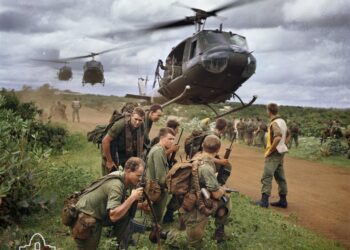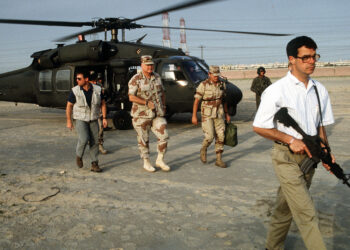

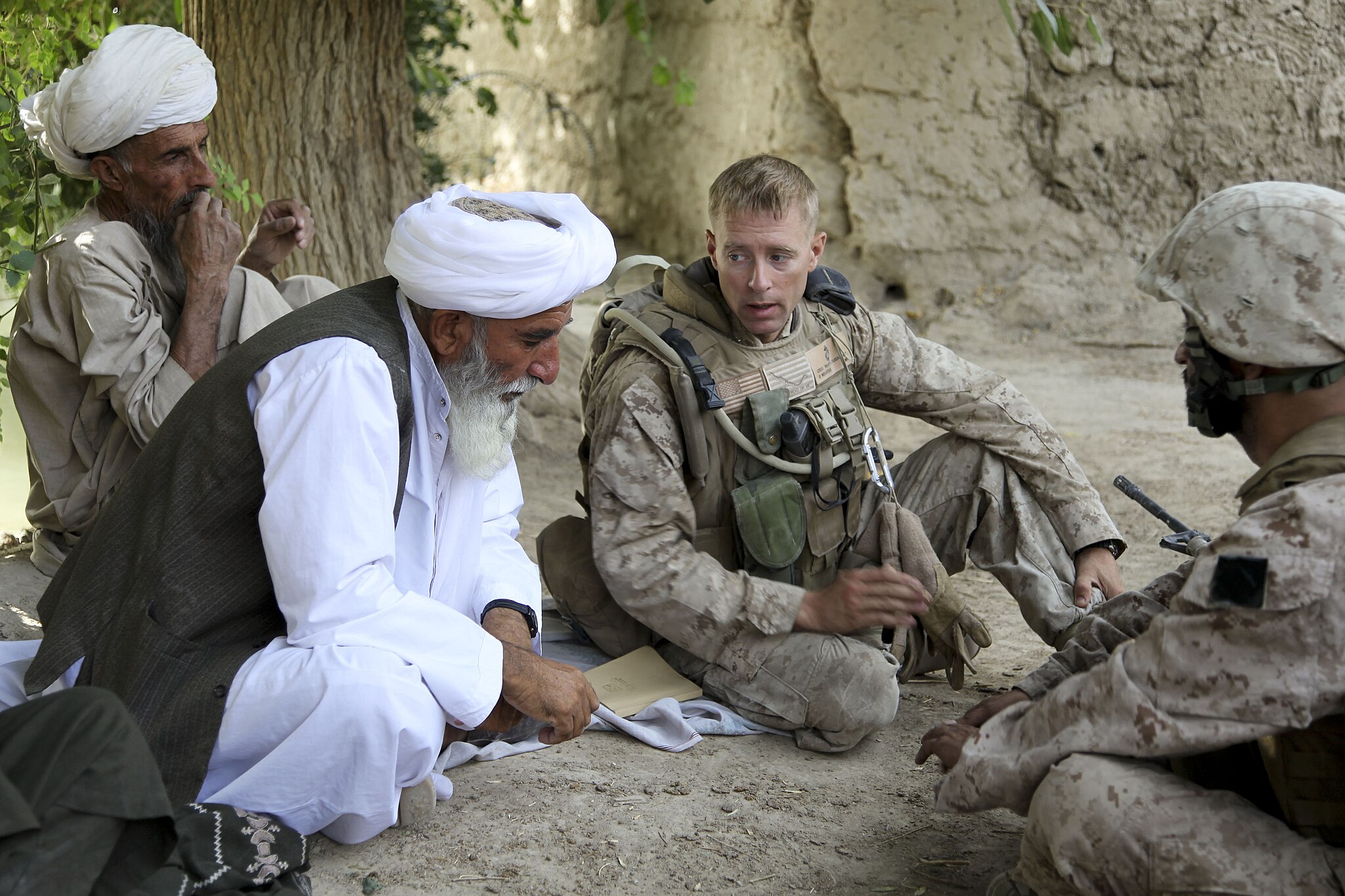
The war in Afghanistan was never fought on a single front. It unfolded across mountain valleys, government offices, training camps, and the fragile space between cultures. For the United States and its coalition partners, victory required more than firepower; it demanded cooperation with Afghan forces whose motivations, traditions, and survival instincts often operated under entirely different rules. This uneasy partnership created moments of genuine trust and devastating misunderstanding. What appeared as unity in official reports often masked a deeper fragility rooted in clashing timelines, cultural assumptions, and political realities. The story of this alliance is not simply about military strategy, it is about the limits of understanding when two worlds must fight the same war for different reasons.

Why the Alliance Felt Strong on Paper but Fragile in Practice
For two decades, U.S.–Afghan cooperation stood side by side in operations, training cycles, and advisory missions. Yet anyone who worked on these partnerships knows the alliance often felt sturdy in briefings and brittle in the field. Culture shaped expectations about authority, loyalty, and risk. Conflict pressed those expectations to the breaking point. When a patrol went well, cooperation felt natural. When a rumor spread, a mentor rotated home, or a local powerbroker shifted sides, trust could evaporate with surprising speed. Understanding why this happened is not about assigning blame. It is about learning how culture and conflict intersected, and how future missions can avoid the same fractures.
Mismatched Timelines, Mismatched Incentives
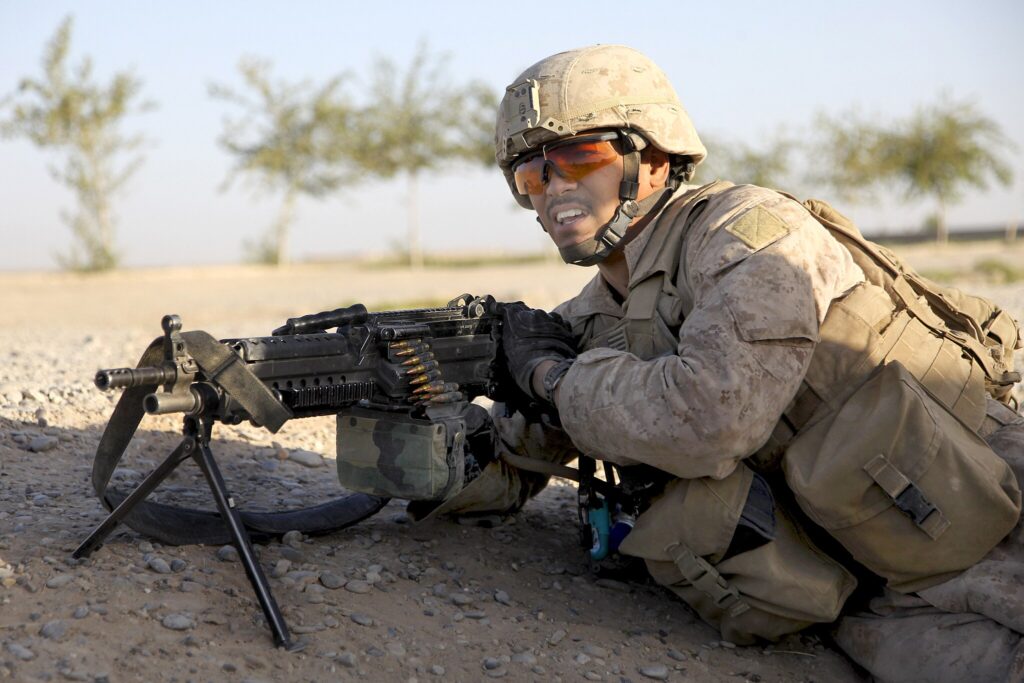
U.S. units operated on short rotations and quarterly metrics. Afghan partners often navigated multi-year tribal dynamics, patronage networks, and personal survival. These timelines rarely aligned. An advisor might push to certify a battalion by the end of a tour. A commander in that battalion might prioritize a promise owed to a district elder that predates the advisor’s arrival. The disconnect did not mean the sides could not cooperate. It did mean that progress depended on negotiated tradeoffs: what gets done now, what can wait until the next rotation, and what never leaves the local ledger. Research on security sector assistance and reconstruction consistently found that fragmented authorities, fuzzy ownership of outcomes, and turnover among advisors eroded consistency on the U.S. side while local political economies pulled Afghan units in different directions.

Culture Is Not a Soft Variable
Culture is operational. It sets the default mode for command relationships, information sharing, and the social boundaries that shape legitimacy. Programs that tried to bridge gender norms or expand access to local populations were not about public relations. They were tactical pathways into communities that male soldiers could not always reach. These efforts worked when the units were trained, resourced, and integrated into operations, and when leaders understood their limits. They struggled when built ad hoc or rotated without handover. The lesson is simple and hard at the same time. Cultural capability is not a workshop. It is a sustained design choice that affects who you recruit, how you train, and what you measure.
The Communication Gap Inside a War
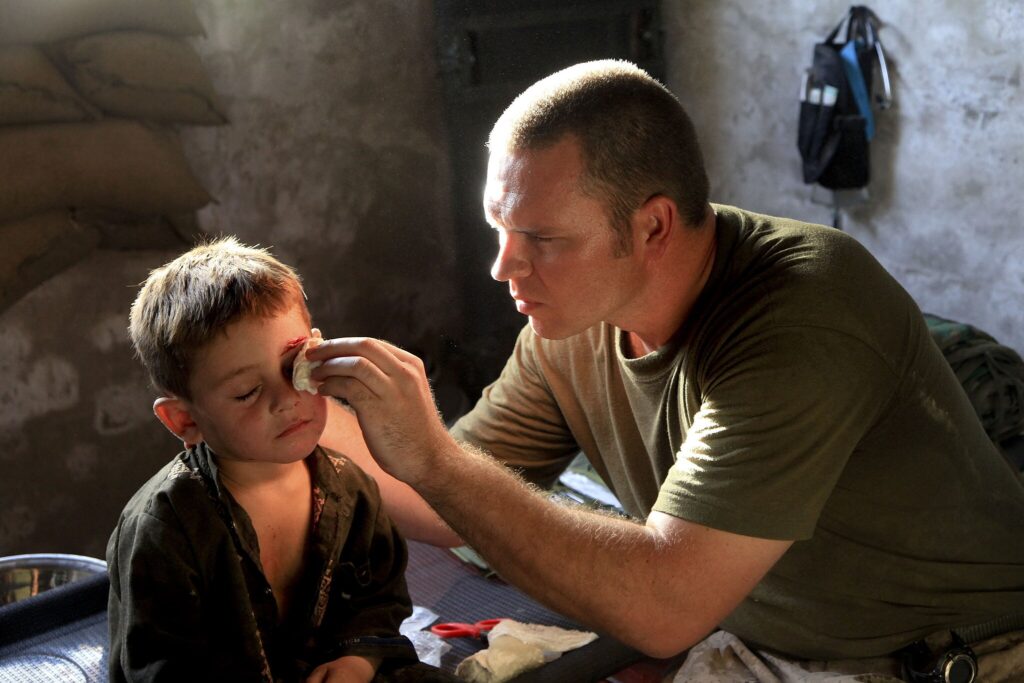
Coalition communication aimed to persuade and to inform. It also had to compete with rumor, grievance, and fear. Information operations could amplify successes and correct falsehoods, but they could not by themselves overcome misaligned local incentives or a population’s accumulated trauma. When messages promised security and justice while communities experienced extortion at checkpoints or arbitrary detention, credibility suffered. This gap between narrative and lived experience weakened cooperation more than any single tactical loss. The takeaway is that messages work when they track with people’s daily reality and when security forces behave in ways that communities recognize as fair.
Insider Attacks and the Slow Erosion of Trust
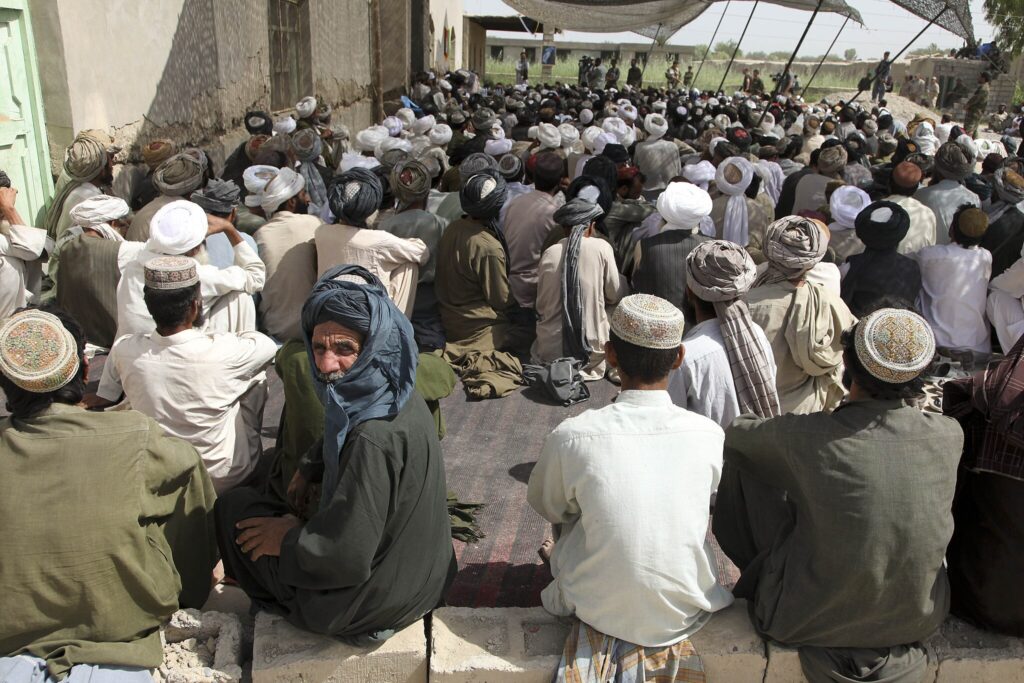
Insider attacks terrified units because they targeted the heart of cooperation: proximity, shared space, and routine. The numbers were a sliver of total casualties, but the psychological effect was outsized. Every handshake carried risk. Every classroom required new security drills. Analysts noted that motives ranged from personal grievances to coercion by insurgents, and that the strategic harm was cumulative rather than episodic. Each attack undermined interpersonal trust, slowed the training pipeline, and hardened physical and emotional boundaries between partners. Force protection improved, vetting sharpened, and mixed-force procedures evolved, but the trust cost never went back to zero.
Police, Legitimacy, and the Paradox of Stability
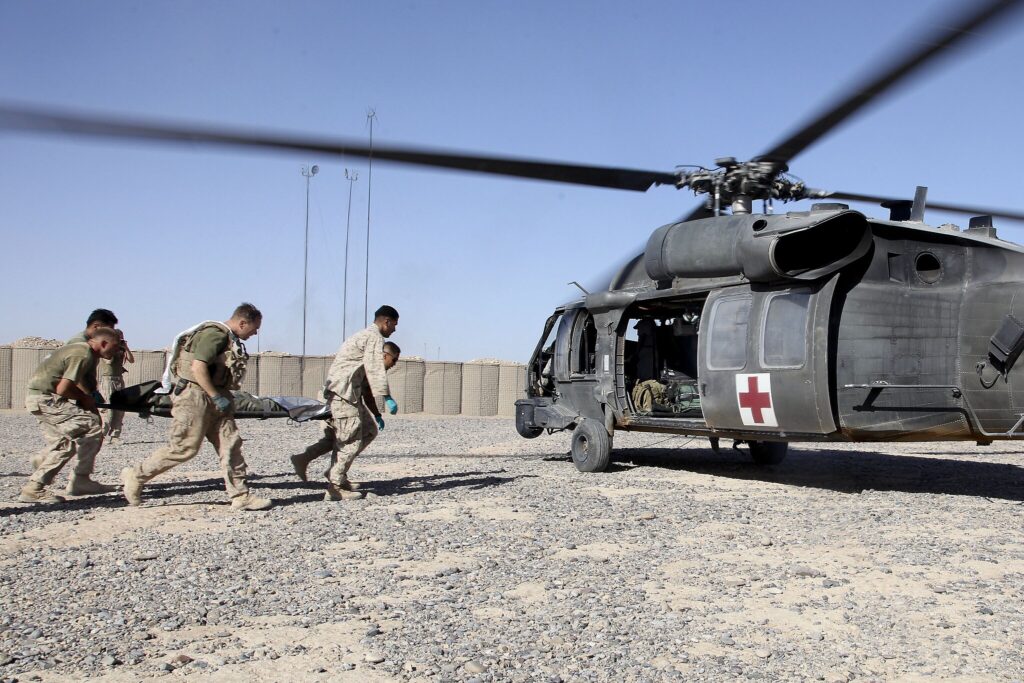
Military advisors learned fast that policing is not a lighter form of combat. It is its own profession with its own social contract. Where police units acted predatory, communities often judged the entire state through that lens. Where police acted procedurally fair, insurgent narratives struggled to take root. U.S. efforts sometimes stabilized streets in the short term while entrenching impunity in the long term. That paradox matters for future missions. Building partner capacity that can fight but cannot earn consent risks tactical wins that degrade strategic legitimacy. Advisory frameworks should therefore integrate rule of law benchmarks into their definitions of progress, not as a side note but as a core outcome.
Special Operations Partnerships and the Problem of Continuity
Afghan special operations units became symbols of capability and resolve. Partnerships with coalition SOF produced elite teams that often outperformed their parent institutions. Field research from the period shows these partnerships thriving on high trust, shared training pipelines, and deep mentorship. Their edge came from continuity and standards that were guarded with care. The systemwide challenge was diffusion. Excellence at the tip did not always translate to reforms in logistics, personnel, or promotions across the broader force. Future advisory designs should bake in plans for horizontal transfer of practices, not just vertical excellence in the units that fight most.
What NATO and Allies Say They Learned
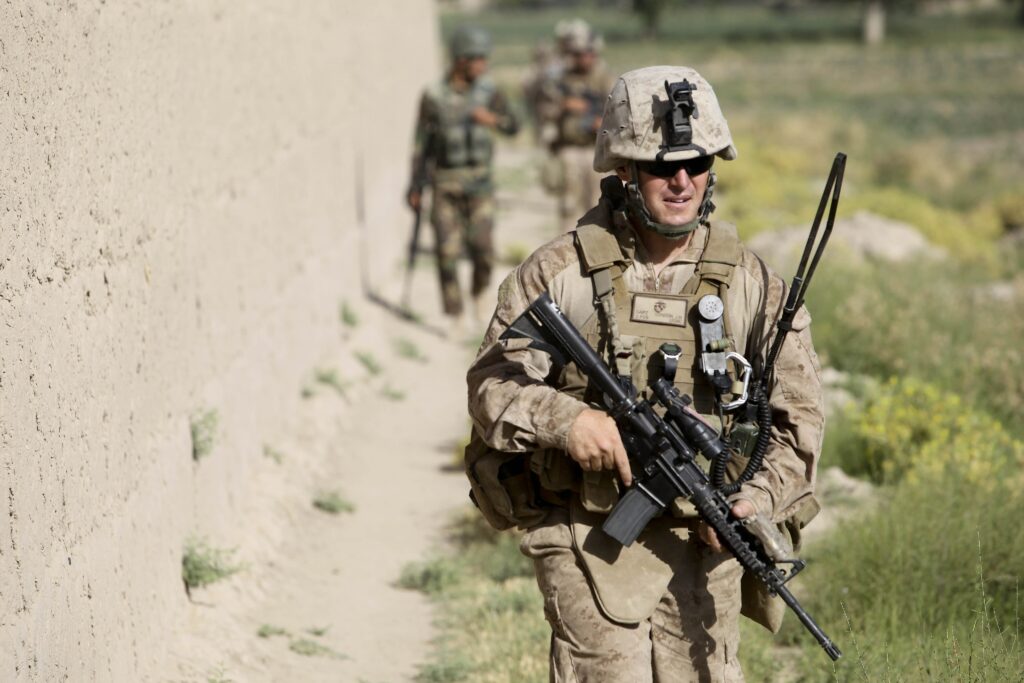
Allies describe Afghanistan as a stress test for collective action beyond Europe. The mission forced an alliance built for deterrence into a long stabilization campaign with complex local politics. The lessons now cited are straightforward. Share candid assessments early. Align political aims with realistic timelines. Protect institutional memory as rotations change. And when the local partner’s political foundations shift, adjust the mission before the mission adjusts you. These points sound obvious in peacetime. They become hard under pressure. Documenting them matters because memory is short and future crises arrive in new packaging that looks less familiar than it is.
Training For Culture Without Turning Culture Into Stereotype
Cross-cultural training helped many units avoid missteps, but it worked best when it taught sensemaking rather than scripts. Checklists can be useful, yet real interactions defy scripts. The best programs taught troops how to read context, ask better questions, and reflect on their own assumptions. They also helped leaders design operations that left space for local agency. When culture becomes a static portrait of the other, it misleads. When culture becomes a set of tools for framing problems, it empowers decision making under uncertainty. The distinction is not academic. It decides whether a partner’s no is treated as disrespect or as information about risk, reputation, and survival.
Measuring Partner Capability Without Ignoring Political Economy
Dashboards count trained personnel and issued equipment. Communities count whether disputes get settled without bribes and whether sons come home at night. Advisors need both views. Security sector assistance frameworks that ignore political economy invite disappointment. They overstate progress when numbers rise and morale falls. They understate success when a district quietly reduces predation and gains trust. Integrating political economy indicators is difficult but feasible. It means tracking turnover not only as a staffing metric but as a signal of patronage. It means coding incidents for social impact, not just kinetic outcome. It also means asking partners to define success in terms that their communities can recognize as legitimate.
What Readers Should Carry Forward
If you work in planning, advising, or analysis, treat culture as a design variable, not an afterthought. If you run a training pipeline, prioritize continuity, handovers, and institutional memory. If you manage strategic communication, match promises to the lived experiences that communities will test tomorrow morning. And if you measure progress, put legitimacy and behavior at the center rather than the margin. The Afghan experience does not offer a single formula for future missions. It does offer a durable checklist for avoiding fragile alliances that look strong until the first shock. The next partnership will also operate under pressure. The question is whether its cultural architecture will bend or break when it does.
References:
Special Inspector General for Afghanistan Reconstruction. Reconstructing the Afghan National Defense and Security Forces: Lessons from the U.S. Experience in Afghanistan. Executive Summary, 2017.
Special Inspector General for Afghanistan Reconstruction. Lessons From U.S. Security Sector Assistance Efforts in Afghanistan. Executive Summary, 2019.
RAND Corporation. Building Special Operations Partnerships in Afghanistan and Beyond, 2014.
RAND Corporation. U.S. Military Information Operations in Afghanistan, 2012.
National Defense University Press. Cultural Support Teams in Afghanistan, Joint Force Quarterly 75, 2014.