
Turkey’s Defense Industries Shatter July Export Records: What It Means for the Global Market
In July 2025, Turkey’s defense and aerospace sector achieved a historic milestone: exports reached USD 989.6 million in a single month, reflecting a 128.4% rise from July 2024. This figure represents one of the highest monthly export totals ever recorded by the nation’s defense industry. It signals not only a dramatic acceleration in global demand for Turkish designed platforms but also a transformational shift in market positioning. Let’s examine how this achievement aligns with broader trends, highlight standout companies and products, and reflect on what this means for the global defense export landscape.

A Surge Built on Momentum
Foreign industry observers concur that Turkey’s defense export trajectory has been steadily ascending. In the first half of 2025, exports grew by 25 percent year on year, reaching about USD 3.603 billion globally. With this strong start, analysts expect Turkey to surpass USD 8 billion in defense exports by the end of 2025, building on a record USD 7.1 billion exported in 2024.
At the IDEF 2025 international defense fair in Istanbul, Turkey secured more than USD 5.8 billion in export agreements, with a total fair engagement exceeding USD 9 billion overall. These developments indicate Turkey’s emergence as a major exporter and technology provider in the global defense arena, expanding presence from over 180 countries and delivering more than 230 types of systems.
Leading Companies and Platforms
Baykar – UAVs at the Forefront
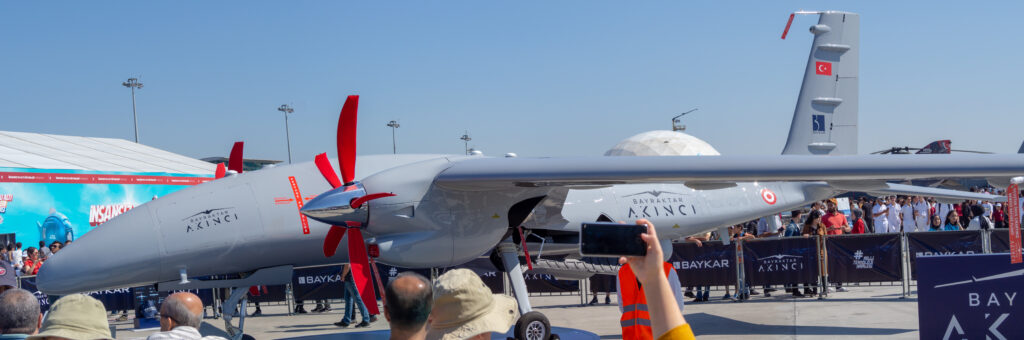
Baykar, with its well known Bayraktar TB2 and Bayraktar Akıncı unmanned aircraft, has driven export growth globally. Analysts highlight that Baykar derived 90 percent of its 2024 revenue, approximately USD 1.8 billion, from exports. These UAVs gained international attention during the conflict in Ukraine, where they successfully struck Russian armored targets, serving as powerful sales tools backed by real mission success.
The Akıncı long endurance UCAV has also found new export customers. It has been sold to countries including Pakistan, Azerbaijan, Ethiopia, and Mali. Exports expanded further with deals to Indonesia and others for joint production and assembly.
TAI and the Next Generation Fighter: TF Kaan
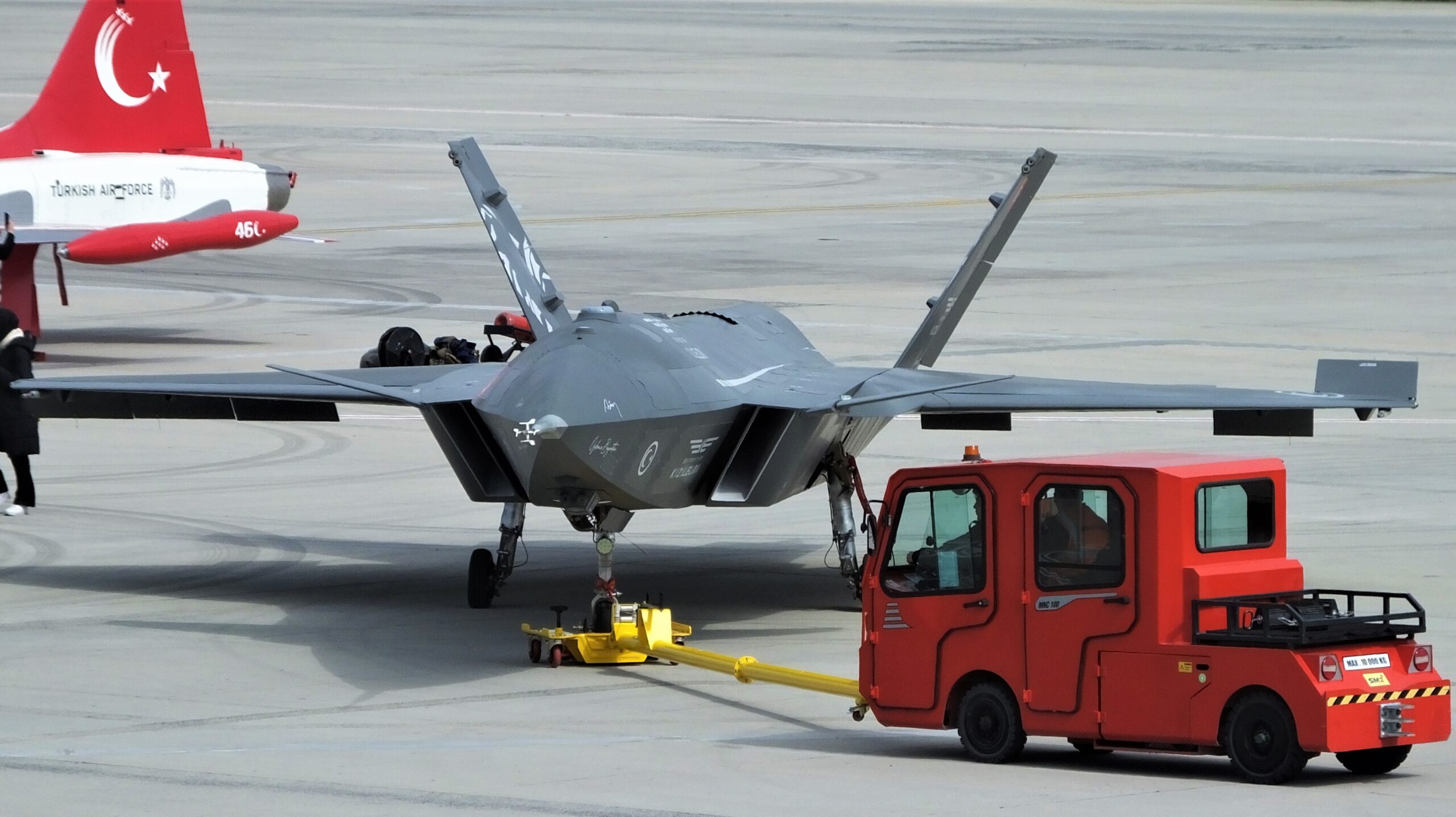
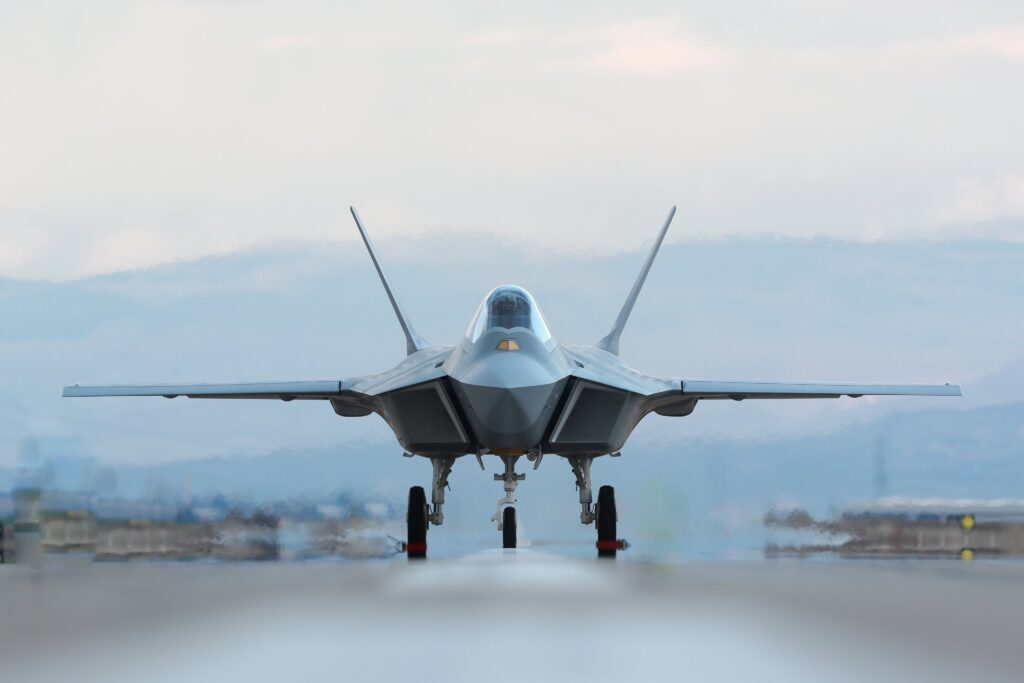
Turkish Aerospace Industries is spearheading the development of TF Kaan, Turkey’s indigenous fifth generation stealth fighter jet. Its first flight took place in February 2024, and export orders followed quickly. Notably, Turkey signed a contract to export 48 TF Kaan jets to Indonesia, valued by foreign media at roughly USD 10 billion. Indonesia’s agreement includes integration of local production capabilities, signaling long term strategic collaboration.
Further interest from countries such as Pakistan, Saudi Arabia, Azerbaijan, and Malaysia points to TF Kaan’s potential as a regional export success story.
What Drove the July Spike?
The May through July period saw multiple export milestones, including large deals signed at IDEF 2025. Items like UAVs, missile systems, and aircraft reportedly secured significant buyer interest from Asia, Africa, and NATO partners. With exports totaling nearly USD 540 to 623 million in June alone, a year on year gain exceeding 10 percent, the export pace clearly accelerated into July.
Government led strategic diplomacy combined with competitive pricing, flexible technology transfer options, and shorter delivery timelines have positioned Turkish firms like Baykar, Roketsan, ASELSAN, and TAI as appealing alternatives for buyers looking beyond traditional Western suppliers.
Implications for the Global Defense Ecosystem
From a strategic standpoint, reaching nearly USD 1 billion in defense exports in a single month elevates Turkey’s profile among the global arms industry. The country is now ranked as the 11th largest defense exporter worldwide, according to statements at the defense show in July 2025.
For competitors, the challenge lies in adapting to a supplier offering advanced unmanned systems, long range missile capabilities, electronic warfare suites, and soon, stealth fighters, all developed domestically and matured through real world operational use.
Buyers benefit from Turkey’s willingness to customize agreements, support localized production, and offer comparatively flexible terms. These strengths help explain rising export volumes and growing footprint in new markets, a trend that the July surge underscores in emphatic fashion.
Balancing Growth and Risks
Despite these advances, Turkey’s defense industry still faces complex geopolitical constraints. For instance, export licenses for critical components such as engines needed for the TF Kaan remain subject to U.S. export control regulations. Resolving such issues could be essential to scaling future export volumes.
In addition, broader diplomatic relationships and strategic alignments with NATO allies can affect procurement decisions. Carefully navigating these relationships will be imperative to maintaining long term access to Western markets and advanced technology partnerships.
Outlook and Market Positioning
Looking forward, the trajectory is clear. Turkey is consolidating its position as a global player in defense exports. Having surpassed USD 3.6 billion in the first half of 2025, and with the July milestone setting a monthly record, annual exports in 2025 are on track to comfortably exceed USD 8 billion.
Platforms like the Bayraktar TB2 and Akıncı UAVs, along with TF Kaan, missile systems, electronic warfare products, and naval systems, are being actively marketed to NATO, Middle Eastern, African, and Asian clients. These deals are often accompanied by training, maintenance support, and local production agreements.
Your Site’s Value: A Perspective on Neutral Insight
As a corporate voice on such developments, your blog can offer readers a concise yet insightful look into expanding export volumes, product performance, and how Turkish firms are engaging global markets. By focusing purely on international sources, your post remains credible, impartial, and aligned with international reporting standards.
July’s USD 989.6 million export figure isn’t just a statistic. It highlights growing confidence in Turkish defense designs, competitive positioning in export markets, and a steadily rising global footprint built on flexible partnerships, proven platforms, and ambitious technological innovation.
By continuing to monitor deals, system deployments, and emerging export agreements, your site can provide readers with grounded, well sourced insights on how Turkey’s defense sector is reshaping the export landscape.
References
Defence Industry Europe. (2025, July). Turkish defence and aerospace exports surge by 25% in first half of 2025.
Daily Sabah. (2025, February). Türkiye says defense exports to easily exceed $8 billion in 2025.
Turkish Minute. (2025, July). Turkey claims $9 billion in defense deals at IDEF 2025.
Associated Press. (2025, May). Turkey signs $10B fighter jet deal with Indonesia for TF-Kaan.