
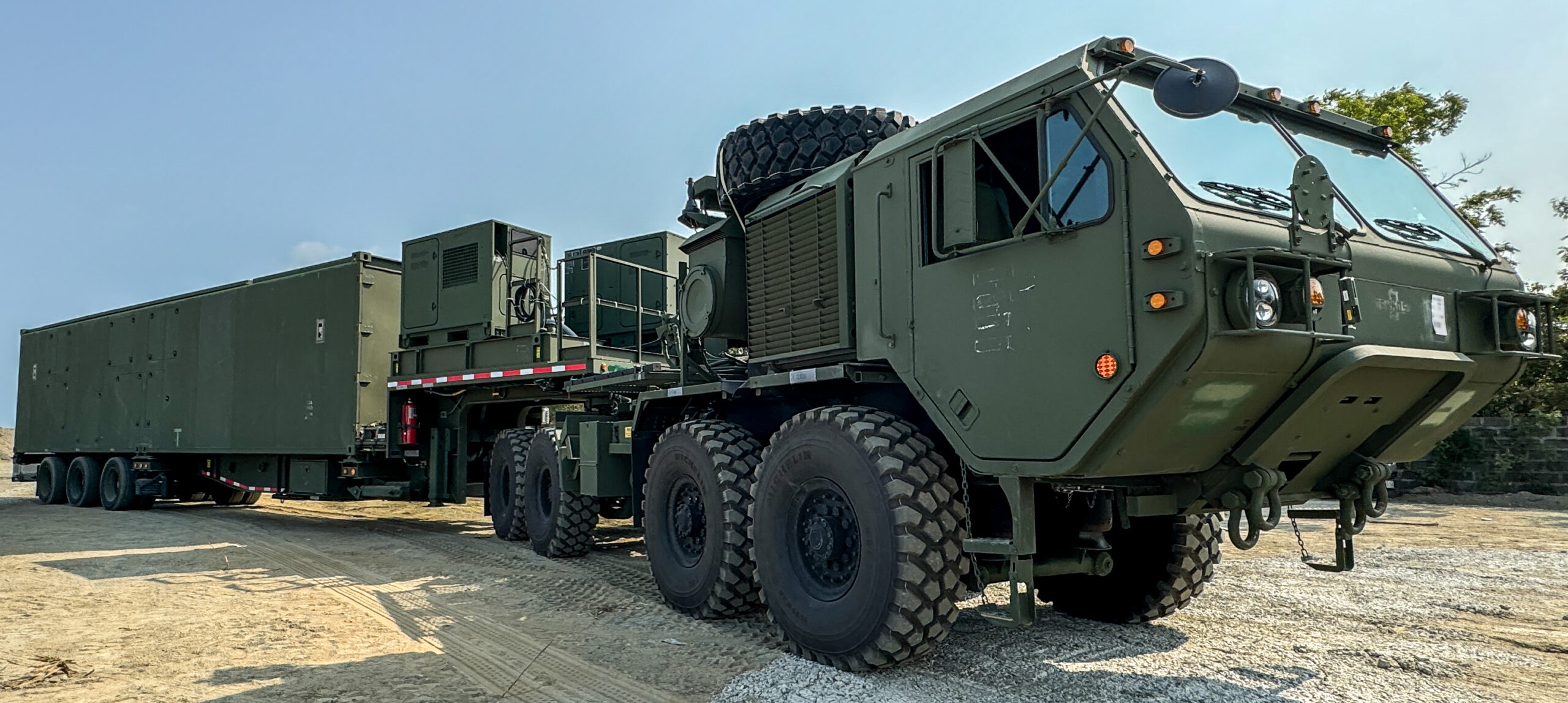
As Germany navigates a rapidly evolving security environment, its latest move to request the U.S. Typhon ground-based missile launcher represents a pivotal moment in European defence strategy. This blog post outlines the key developments surrounding this acquisition and offers insight into what it could mean for NATO and continental strike capabilities.

A Strategic Interim Solution
In mid July 2025, German Defence Minister Boris Pistorius formally submitted a Letter of Request to the U.S. for the procurement of the Typhon system, also known as the U.S. Army’s Mid Range Capability (MRC) or Strategic Mid Range Fires System. Designed to launch both Tomahawk cruise missiles (with ranges between 1,600 and 2,000 km) and SM‑6 missiles for anti-air and anti-ship missions, Typhon delivers a dual-purpose boost to both offensive reach and defensive flexibility.
For Germany, this is not intended as a permanent platform but rather a bridge solution to fill a capability gap until the European Long Range Strike Approach (ELSA), its indigenous long range strike program, becomes operational likely not before the early 2030s.
Rapid Production and Deployment Timeline
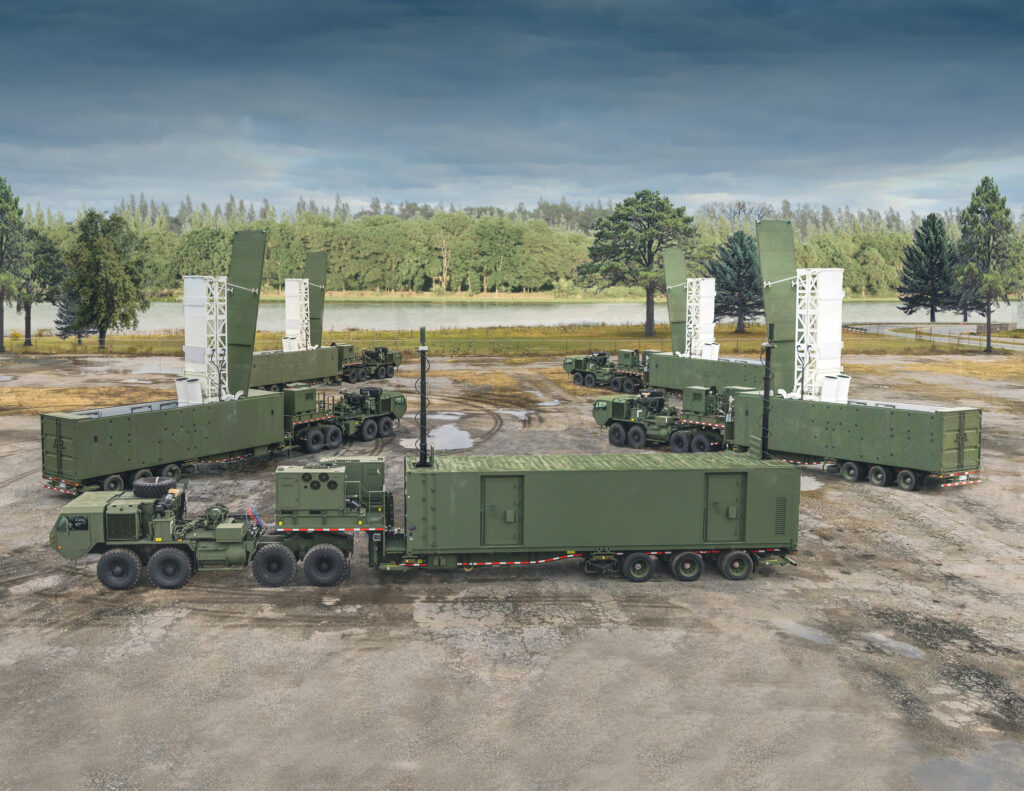
Lockheed Martin has committed to accelerated production, poised to meet Germany’s deployment horizon as soon as 2026 or 2027, depending on the speed of foreign military sales approvals. Currently, the U.S. Army has delivered three Typhon batteries, with a fourth in production. These systems are containerized in 40-foot ISO-standard units mounted on tactical vehicles, making them logistically flexible and rapidly deployable.
Though Germany emphasizes that ownership would be temporary, its procurement plans signal a strong intent to bridge the gap in strategic deterrence while European systems mature.
Building a Pan Allied Launcher Ecosystem
The U.S. Army is developing Typhon as part of a broader vision for a common launcher architecture across NATO allies. The aim is to enable interoperability: any nation should be able to load and launch a variety of missiles (both U.S. and foreign), using shared command and control frameworks, optionally manned platforms, and unified fire control systems.
German industry firms such as Diehl Defence and Rheinmetall are reportedly in early discussions with Lockheed to partner on Typhon production or integration, suggesting this could become a joint platform rather than purely U.S. export hardware.
Strategic Value and Capability Gaps
Simply put, Germany’s existing systems lack the reach and flexibility offered by Typhon. For example, current artillery and rocket systems such as MARS II (a variant of MLRS) offer ranges of about 84 km, nowhere near the 1,500–2,000 km envelope achievable with Tomahawk missiles.
Moreover, SM‑6 interceptors launched from Typhon provide ballistic missile defense capability not found in legacy systems like Patriot. The Tomahawk SM‑6 combination enhances NATO’s ability to conduct deep precision strike operations from European territory, a strategic complement to air and sea systems.
NATO’s Broader Push for Long Range Firepower
Germany’s request fits within a wider NATO trend: several European allies including France, Poland, Italy, and Germany have signed a joint initiative to develop long range ground-launched cruise capabilities with ranges over 500 km, aiming to close the missile gap highlighted by the war in Ukraine.
Meanwhile, the U.S.-Germany pact from 2024 envisaged episodic deployments of SM‑6, Tomahawk, and hypersonic weapons in Germany by 2026, reinforcing the broader aim of strengthening deterrence on NATO’s eastern flank.
Considerations and Challenges
Germany’s move is pragmatic, addressing critical short term needs, but it also raises several considerations:
- Dependency on U.S. systems: While cooperation is welcome, relying on American hardware could run counter to European desires for strategic autonomy, especially as France has raised concerns over reliance on non-European systems in related initiatives like ESSI.
- Interoperability and doctrine: Integrating Typhon into German and NATO command structures will require doctrinal coordination and secure data-sharing protocols, particularly if allied nations wish to fire their own munitions from shared launchers.
- Cost and political optics: While touted as temporary, operating Typhon may involve significant financial outlay and public scrutiny, especially if it overlaps with national efforts to develop ELSA or other European long range programs.
What This Signals for European Defence
From a corporate and strategic perspective, Germany’s request reflects a maturing recognition across Europe that ground-launched long range strike and missile defence capabilities are indispensable components of deterrence in a post Ukraine war environment.
It acknowledges the urgent need for credible deep-strike options, a domain previously under prioritized by many European states.
It positions Germany and perhaps others to lead the transition from reliance on naval and air-delivered deterrence to territorial based, theater-level strike systems.
It catalyzes collaboration between U.S. industry (e.g. Lockheed) and European defence firms, creating potential for shared production and cross-certified platforms.
Germany’s approach may also serve as a model for other NATO nations looking for interim solutions while indigenous capabilities mature. If managed transparently and in coordination with European allies, it could help foster a more resilient, federated defence architecture across the continent.
References
- Exclusive: Germany requests U.S. Typhon ground based missile system to strengthen long range strike capability in Europe. Defence News Army Recognition. (Published 26 July 2025)
- Germany requests U.S. long range weapons as bridge to European tech. Defense News (Sebastian Sprenger, published 16 July 2025)
- Lockheed vows quick action on German Typhon missile launcher request. Defense News (Published 28 July 2025)
- US Army envisions a common launcher to fit allies’ weapons. Defense News (Jen Judson, published 24 July 2025)