
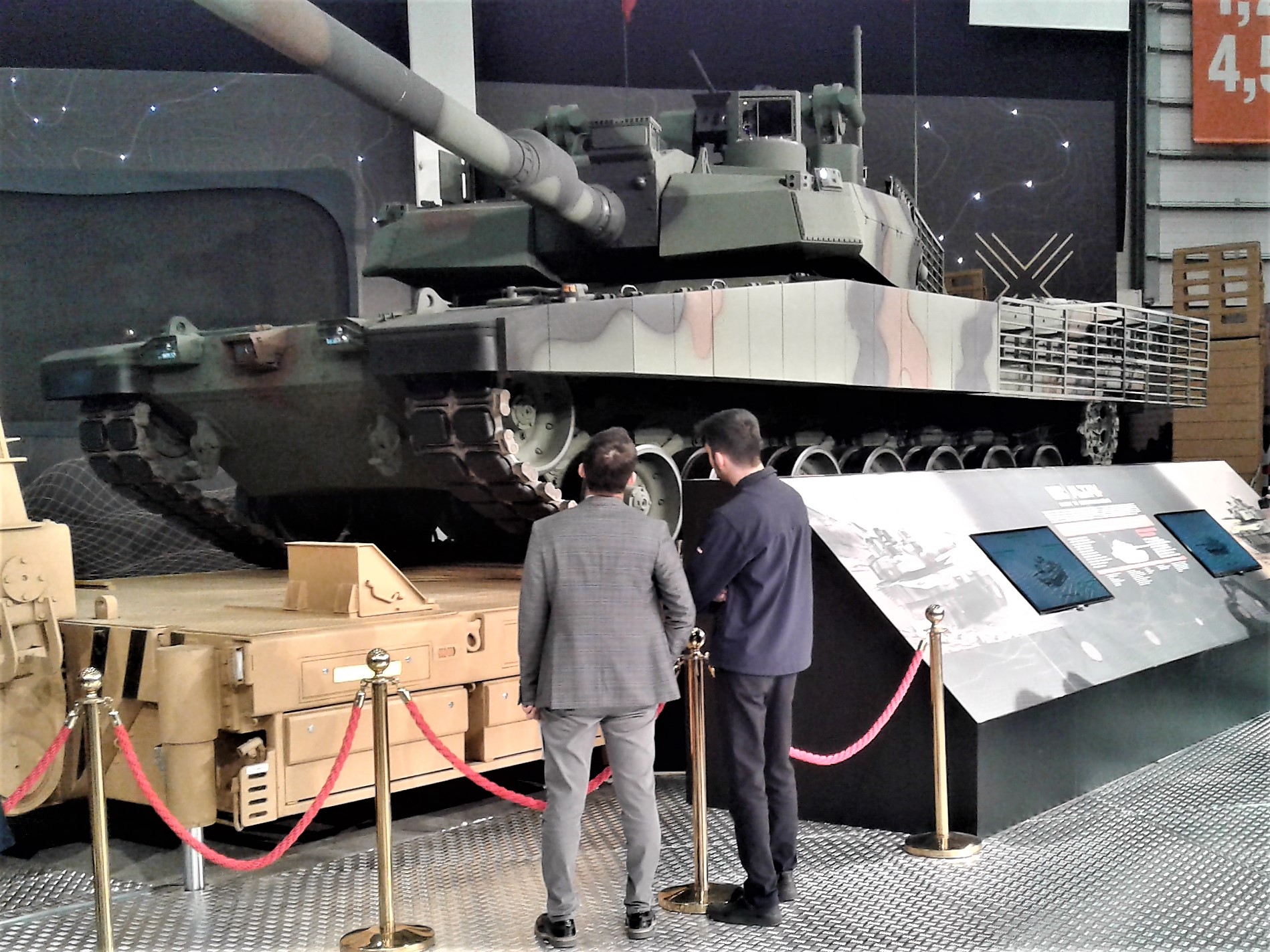
In recent weeks, Turkey’s long-awaited Altay main battle tank (MBT) has once again made headlines as the country officially enters the serial production phase of this flagship defense project. For many defense industry observers, this milestone is more than just an arms procurement update — it is a reflection of Turkey’s broader ambitions to position itself among the world’s major armored vehicle producers while reducing foreign dependence in strategic defense systems.

From Prototypes to Serial Production: A Long Road
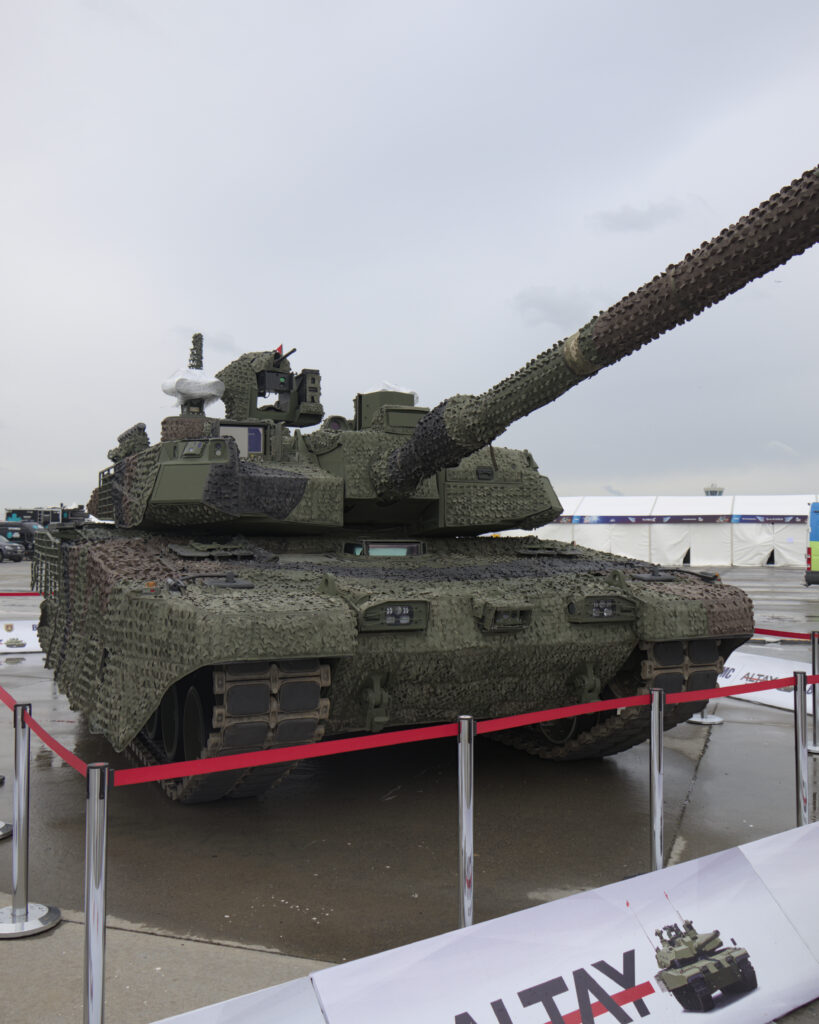
The Altay project has not been a short journey. Originally conceptualized in the late 1990s to early 2000s, the tank has gone through extensive design iterations, prototype testing, and an often complex procurement process shaped by Turkey’s evolving defense needs and shifting geopolitical environment. Now, the first “T1” configuration units are finally being delivered — with three units expected to roll out by the end of 2025, 11 in 2026, and a planned 41 by 2027.
These numbers might appear modest compared to legacy tank-producing nations. However, for Turkey, they signal a crucial breakthrough. They mark the transition from development and demonstration to sustained, full-scale production — something that can only be achieved with robust industrial planning and technological adaptation.
Imported Engines: Bridging the Gap
One of the most debated aspects of the Altay program has been its powerpack. In its initial batches, the Altay T1 will be powered by engines and transmission systems imported from South Korea — specifically the Doosan DV27K engine paired with the SNT Dynamics EST15K transmission. According to multiple open sources, this was a necessary interim solution to avoid years-long delays due to embargoes and technology transfer restrictions that have historically challenged Turkish defense manufacturers.
Critics often point to this foreign dependency as a vulnerability. And to some extent, it is a fair point: armored mobility and propulsion systems are some of the most complex components in modern MBT design. Without a homegrown solution, any supply chain hiccup can ripple through an entire armored corps.
BATU Engine: A Strategic Shift Toward Full Localisation
However, Turkey’s defense planners are adamant that this transitional reliance on South Korean engines will not be permanent. BMC Power, one of the major industrial players behind the Altay’s powerpack, is developing the BATU engine — a fully indigenous power unit designed specifically for heavy tracked platforms like the Altay. The BATU engine is projected to deliver roughly 1,500 horsepower, matching the performance of many Western counterparts.
Local production of engines is a strategic turning point for the Turkish defense industry. Not only does it reduce exposure to export restrictions and diplomatic pressure, but it also creates an industrial base that can feed into other land systems. A mature local powerpack capability could open doors for future tank upgrades, regional export opportunities, and more competitive bids for joint production projects abroad.
Why Altay Still Matters in 2025
At a time when many militaries are exploring lighter, unmanned, or hybrid combat vehicles, one might wonder why Turkey continues to invest heavily in conventional heavy armor. The answer lies in its unique security environment. Turkey’s geographic position — bordering conflict zones, unstable neighbors, and rugged terrains — still demands armored formations capable of both deterrence and rapid response in conventional land warfare.
The Altay MBT is not just a symbolic piece of hardware. Its advanced fire control systems, modular armor, and integrated battlefield management tools are expected to give Turkish ground forces a qualitative edge over older legacy platforms. In an era when drone warfare and asymmetric threats dominate headlines, conventional tanks remain a potent factor in combined arms operations — as recent conflicts in Eastern Europe have starkly reminded the world.
Export Prospects: Regional Market Interest
A less discussed but significant aspect of the Altay program is its export potential. Countries in the Gulf and parts of Asia have shown interest in procuring a version of the Altay for their own ground forces. Negotiations with nations like Qatar have already resulted in limited orders or cooperative production talks.
While the international armored vehicle market is fiercely competitive, Turkey’s position as a NATO member with a robust domestic defense base allows it to offer partners a blend of Western standards with more flexible procurement arrangements. The prospect of a localized, export-friendly version of the BATU-powered Altay could make it an attractive option for militaries seeking modern armor but facing procurement challenges with traditional suppliers.
Industrial and Economic Ripple Effects
Beyond its battlefield role, the Altay tank also represents a significant economic multiplier for Turkey’s wider defense ecosystem. Hundreds of local suppliers are involved in producing various subsystems — from composite armor to electronic warfare suites. This network feeds technological know-how and employment opportunities back into the local economy, reinforcing the government’s push for a more resilient, self-sufficient defense industry.
Moreover, a successfully delivered Altay program can bolster Turkey’s credibility in future co-development bids for next-generation platforms, including potential unmanned armored vehicles and hybrid propulsion systems.
Looking Ahead
There is still much to prove. The performance of the Altay in live deployment, the timely rollout of the BATU engine, and the scale-up of production capacity will all be closely watched by allies, competitors, and potential buyers alike. But for now, the shift from prototypes to tangible serial production is a testament to the persistence of Turkey’s defense sector in tackling one of the most technically demanding segments of land warfare.
In the years ahead, how well the Altay can adapt to new battlefield realities — and how fast its domestic engine and critical subsystems reach full maturity — will shape not just the tank’s legacy, but Turkey’s broader reputation as an emerging armored vehicle powerhouse.