
In 2025, the ongoing conflict in Ukraine continues to serve not just as a battlefield—but as an advanced testing ground for cutting-edge military technologies. With the strategic backing of Western allies, especially the United States, Ukraine is both fielding and refining systems that redefine 21st‑century warfare.

Scale and Scope of U.S. Military Aid
Since 2014, the U.S. has provided over $184 billion in military assistance to Ukraine, with $66.5 billion dedicated to advanced weaponry since Russia’s full-scale invasion in 2022. This aid encompasses air defense systems (e.g., Patriot, NASAMS, Stinger), precision artillery (HIMARS, 155 mm howitzers), armored vehicles (Abrams tanks, Strykers), alongside anti-armor munitions like Javelins and TOW missiles.
This level of investment has effectively transformed Ukraine into a real-world laboratory where defense firms can rapidly test systems in actual combat—offering live data far beyond simulations or controlled exercises.
Precision Strike Systems: HIMARS and Vilkha
HIMARS
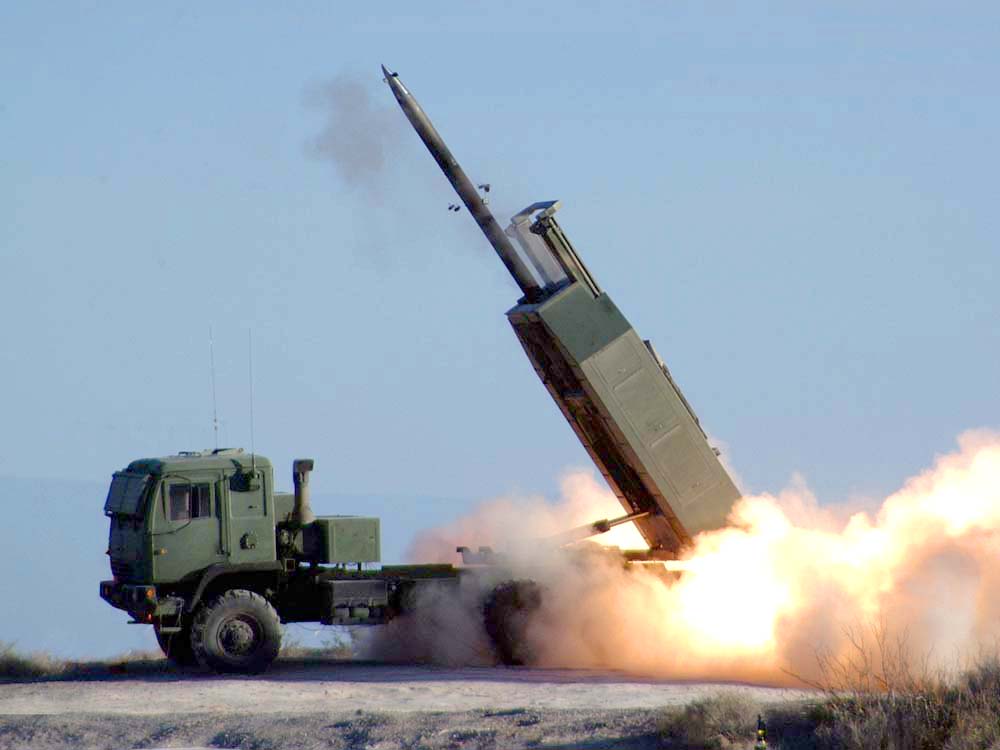
Ukraine’s deployment of the U.S.-built HIMARS launcher delivered a strategic breakthrough. Since June 2022, Ukraine has used HIMARS to strike high-value targets such as ammunition depots, command centers, and supply routes, with notable precision. Lockheed Martin’s system has been instrumental, prompting Baltic and other NATO nations to invest heavily in their own HIMARS arsenals.
As one report observes, “HIMARS were among the first big weapons the West trusted Ukraine to receive”—a testament to their battlefield impact.
Vilkha
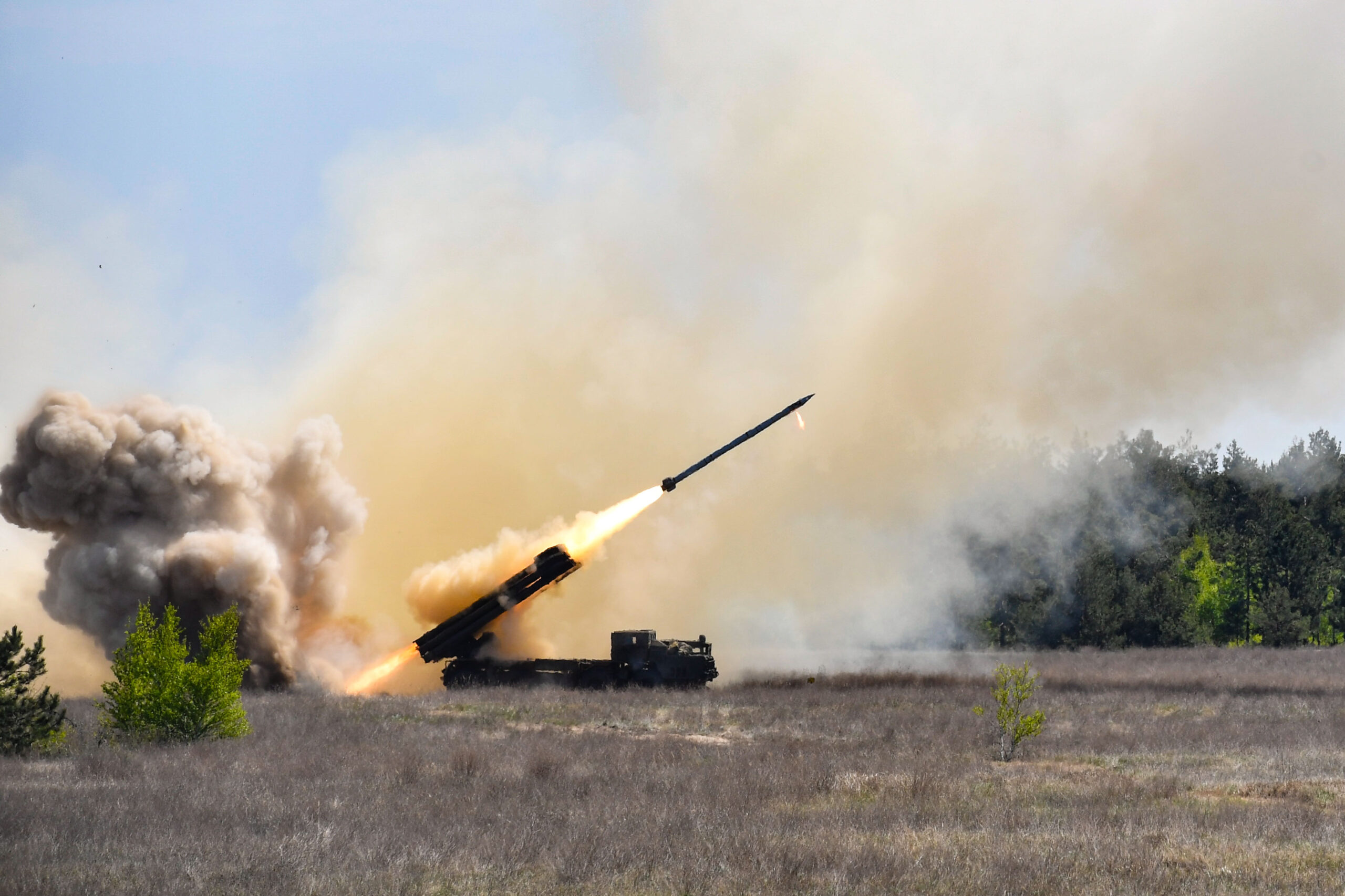
Parallel to U.S. aid, Ukraine has invested domestically in the Vilkha MLRS, a modernized version of the Soviet Smerch rocket system. Developed since 2014 and rapidly industrialized post-2022, Vilkha offers long-range precision guided by Ukrainian engineers. Its development highlights Kyiv’s strategy to blend foreign aid with homegrown innovation, reducing dependence on external supply chains.
Integrated Air and Missile Defenses
Patriot and NASAMS
American-provided Patriot and NASAMS systems have become central to Ukraine’s layered air defense doctrine. Patriots have intercepted ballistic threats like Russia’s Kinzhal missiles—though they’ve become primary targets themselves, requiring mobile operation and camouflage.
NASAMS, contributed by the U.S. and Norway, are credited with a perfect interception record during early 2022 strikes and have shot down over 100 enemy flights.
Despite their effectiveness, both Patriot and NASAMS systems face supply constraints—especially if U.S. arms packages stall. This scenario underscores the need for Ukraine to strengthen domestic defenses and diversify sources.
Drone Warfare and AI Integration
Drone Swarms
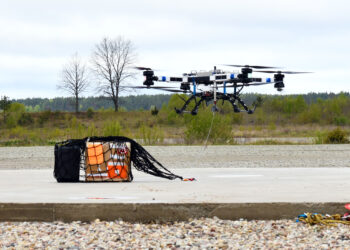
Ukraine’s domestically produced drones—ranging from low-cost FPV to high-end reconnaissance platforms—have drastically expanded the battlefield. A recent Financial Times podcast noted the transformation: Ukraine’s “Army of Drones” initiative scaled manufacturing from just 4 to 500 domestic producers.
Additionally, specialized units like the Unmanned Systems Forces—established in early 2024—now command a force of 5,000 personnel. They operate drones for combat, surveillance, and supply missions, including drone bombers and laser-equipped UAVs.
AI and Counter-EW Innovation
Electronic warfare—especially Russian jamming—has eroded satellite-guided munition accuracy. In response, Ukraine has pivoted to jam-resistant drones (e.g., V‑BAT) and AI‑driven targeting systems. The “Military AI Ecosystem” PDF reveals how Ukraine is rapidly testing AI solutions in live conflict zones.
Industrial Adaptation and International Cooperation
Ukraine’s military innovation does not occur in a vacuum. Significant organizational change and international collaboration have amplified its progress.
Public–Private Partnerships
Ukraine has formally transitioned from state-run defense R&D to a model where commercial firms and civilian specialists accelerate innovation. The Brave1 tech cluster (launched April 2023), jointly backed by multiple ministries, has funded over 150 projects—covering drones, AI, cyber, and robotics—with around $39 million committed by end of 2024.
European Cooperation
Faced with the risk of U.S. weapons restrictions, European allies have stepped up. Denmark has agreed to co-produce weapons with Ukraine, including a $5 million investment in startups. Meanwhile, the EU and frozen Russian assets have been tapped for boosting artillery production, such as the locally crafted Bohdana howitzer, with production ramping up from 6 to 20 units per month.
This cooperation not only secures supply chains but also positions Europe as a defense-industrial powerhouse—benefiting from lessons learned on the Ukrainian front.
Strategic Implications for Defense Contractors
For Western defense firms and their home governments, Ukraine’s tech-testing ecosystem holds multiple implications:
- Accelerated R&D Cycle: Live conflict dramatically shortens feedback loops—systems fail, adapt, or scale in real‑time, reducing development-and-test phases.
- Shift Toward Integration: Greater interoperability among multinational systems is demanded by forward-deployed forces and cross-border deployments.
- Market Evolution: Contractors must innovate faster, offering modular, upgradable platforms to stay relevant amid rapidly changing battlefield tech.
- Regulatory Change Pressure: Ukraine’s relative freedom in testing AI and drone tech may prompt Western nations to streamline export and testing regulations to remain competitive.
Challenges and Brighter Spots
Despite clear progress, significant risks remain:
- Supply Uncertainty: U.S. political dynamics have caused interruptions in Patriot, HIMARS, and munitions shipments.
- Escalating Counter‑measures: Russia’s growing EW capabilities have notably disrupted drone and GPS‑guided systems.
- Dependence on External Support: Even with domestic innovation, Ukraine still relies heavily on Western logistics, funding, and training.
However, the strategic advantages—flexible procurement, indigenous production, strong public‑private cohesion—point to a future where Ukraine plays a decisive, enduring role in defense innovation.
Final Thoughts
Ukraine’s position as a proving ground for military technologies is setting a global precedent: adaptive, tech‑driven warfare backed by agile governance and international partnership.
For defense stakeholders—from ministries to private sector—Ukraine offers a blueprint for modernization: faster innovation cycles, smarter integration of AI and unmanned systems, and resilient supply chains rooted in both autonomy and alliance. As the conflict evolves, so too does the architecture of modern defense—with implications far beyond Ukraine’s borders.