
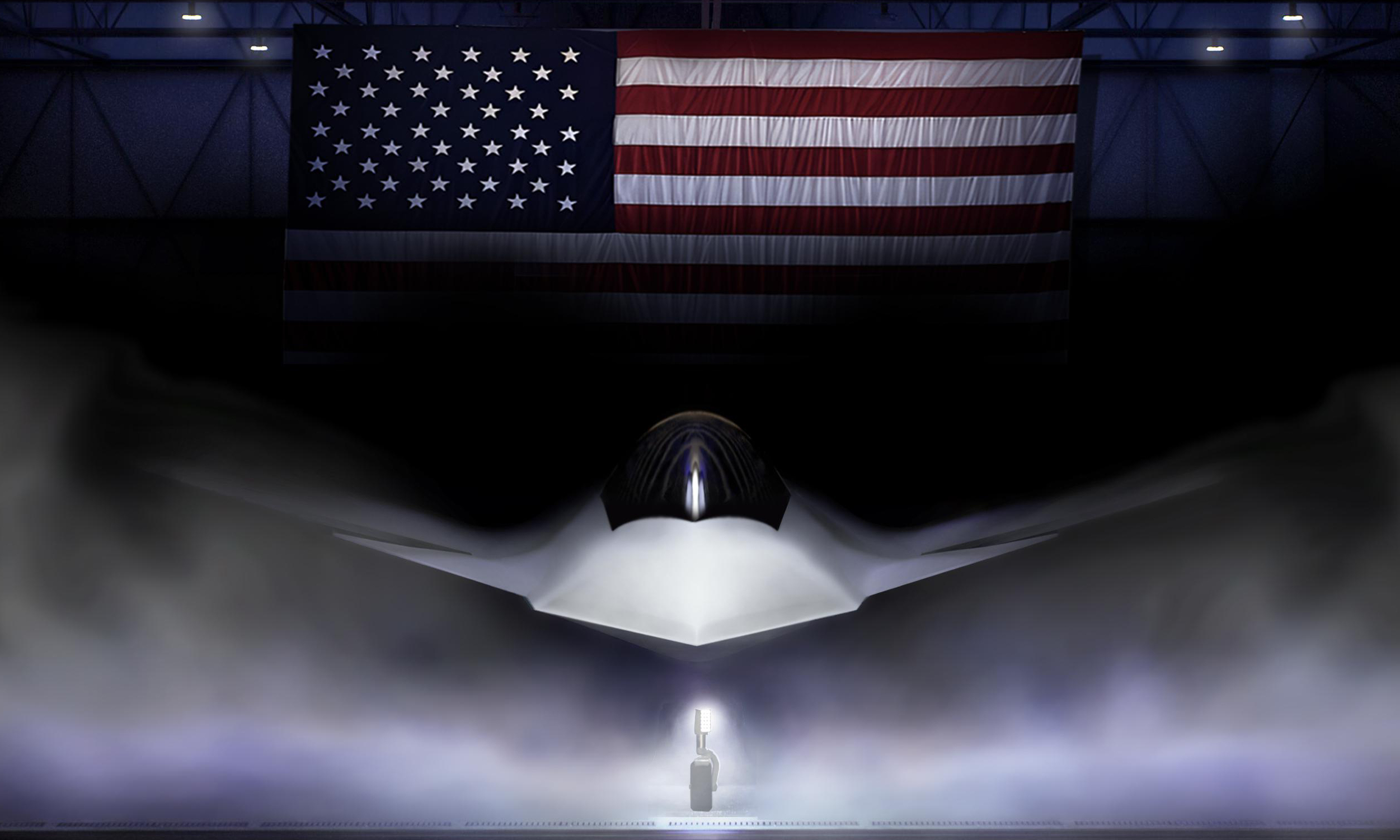
When it comes to the delicate balance of power in the skies, the stakes are rarely subtle. Earlier this week, the US Department of Defense announced a fresh $3.5 billion investment in the development of the next-generation F‑47 fighter jet. It’s a headline that might sound routine at first glance—another expensive toy for the Pentagon’s shelves—but dig deeper and the story reflects an increasingly tense chess game with China’s growing air power ambitions.

A Response to China’s Ambitious Air Dominance Plans
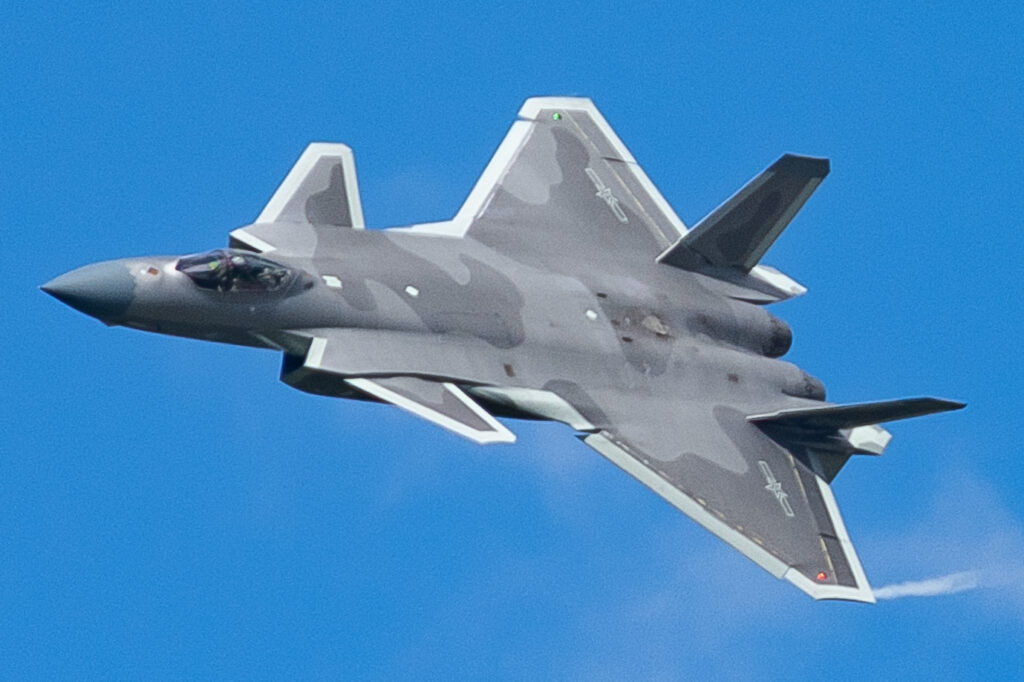
China’s rapid advances in its stealth fighter fleet and integrated air defense networks have alarmed US policymakers for years. Beijing’s J‑20 stealth fighter, already deployed in substantial numbers, signals China’s desire to push the US further back from the Indo-Pacific theater. At the same time, China’s investments in anti-access and area denial (A2/AD) capabilities challenge not just the hardware but the entire operational strategy of US air superiority.
In this context, the F‑47 program feels less like a luxury and more like an inevitability. According to Army Recognition, the new platform aims to provide a multi-role answer to stealth threats, drone swarms, and long-range precision strikes.
Technology Beyond Speed and Stealth
One thing that stands out about the F‑47 is its modular approach to systems integration. Unlike previous fighter generations, this aircraft is expected to operate seamlessly alongside drone wingmen, AI-enabled targeting, and cloud-based battle management networks.
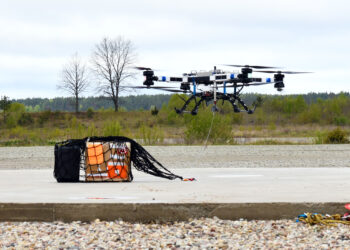
What does that mean in practice? Imagine a scenario where a pilot in an F‑47 doesn’t just fire missiles but directs entire autonomous drone squads into contested airspace, each reacting in real time to threats while feeding back targeting data. This “manned-unmanned teaming” is the real leap—and it’s something the Pentagon increasingly sees as the only viable answer to the vast networked systems China is building in the South China Sea and beyond.
Regional Power Play: The Indo-Pacific Equation
Why now? It’s not just about matching aircraft for aircraft. The Indo-Pacific region has become the global center of gravity for defense planners. From Taiwan to the South China Sea shipping lanes, the region’s critical trade routes and security flashpoints hinge on aerial supremacy.
If China achieves air dominance in these areas, the balance of influence could tilt dramatically. We’ve already seen regional partners like Japan, South Korea, and Australia ramping up their own air defense investments—Japan, for example, is testing electromagnetic railgun systems on naval platforms. In many ways, the F‑47 is America’s signal to allies that it will remain deeply committed to counterbalancing China’s ambitions.
Is $3.5 Billion Enough?
Here’s where it gets interesting. $3.5 billion might sound like a jaw-dropping figure, but within the context of fifth- and sixth-generation aircraft development, it’s actually quite lean. Modern fighter programs are notorious for overruns and delays. The F‑35, for instance, became one of the most expensive defense projects in US history.
What the US appears to be banking on this time is not just more money but smarter spending. By leveraging lessons learned from F‑22 and F‑35 missteps, the F‑47 project could avoid some of the logistical nightmares that have plagued past jets—at least that’s the hope.
Industrial Base and Supply Chain Strains
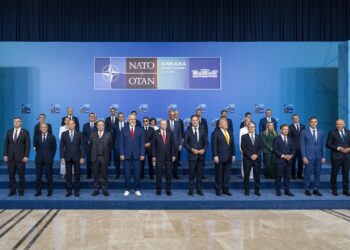
This brings us to a practical point that often gets buried under shiny concept images and cool codenames: the industrial base. Even the best fighter designs are useless if you can’t build them at scale and sustain them in wartime conditions. NATO, for instance, faces similar air defense shortfalls despite promising billions in new spending.
So while the F‑47 project makes for reassuring headlines, the defense industry still grapples with bottlenecks in skilled labor, supply chains for critical electronics, and rare earth materials—many ironically sourced from China. It’s a reminder that strategy on paper and strategy in practice are rarely the same thing.
The Domino Effect: Allies and Competitors React
What does a new American stealth fighter mean for other players? Expect NATO allies to push for deeper interoperability. Expect China to accelerate its own countermeasures. And expect other regional powers to double down on homegrown or imported solutions to avoid being left behind.
Already, the wider context shows how interconnected these moves are. Ukraine’s calls for a global surge in defense technology investments reflect the same mindset: the next wars will be won by those who adapt fastest in the air, in data, and across the entire battlespace.
What This Means for Defense Observers
If you’re following this industry, this is a moment to watch. The F‑47 isn’t just about one fighter—it’s a symbol of how the US intends to confront the reality of peer competition in the 2020s and beyond. It’s about showing allies and adversaries alike that American air dominance isn’t ready to fade quietly into history.
Whether the project stays on budget, delivers as promised, and actually shifts the balance in the Pacific remains to be seen. But one thing’s certain: the competition for the skies above has only just begun.
Sources:
- Army Recognition, Breaking News: U.S. To Invest 3.5 B in New F-47 Fighter Jets to Defeat Chinese Air Dominance Plan
- Japan Forward, Naval Railgun: Japan’s New Chapter in Defense Innovation
- Business Insider, NATO is pouring new spending into much-needed air defenses