
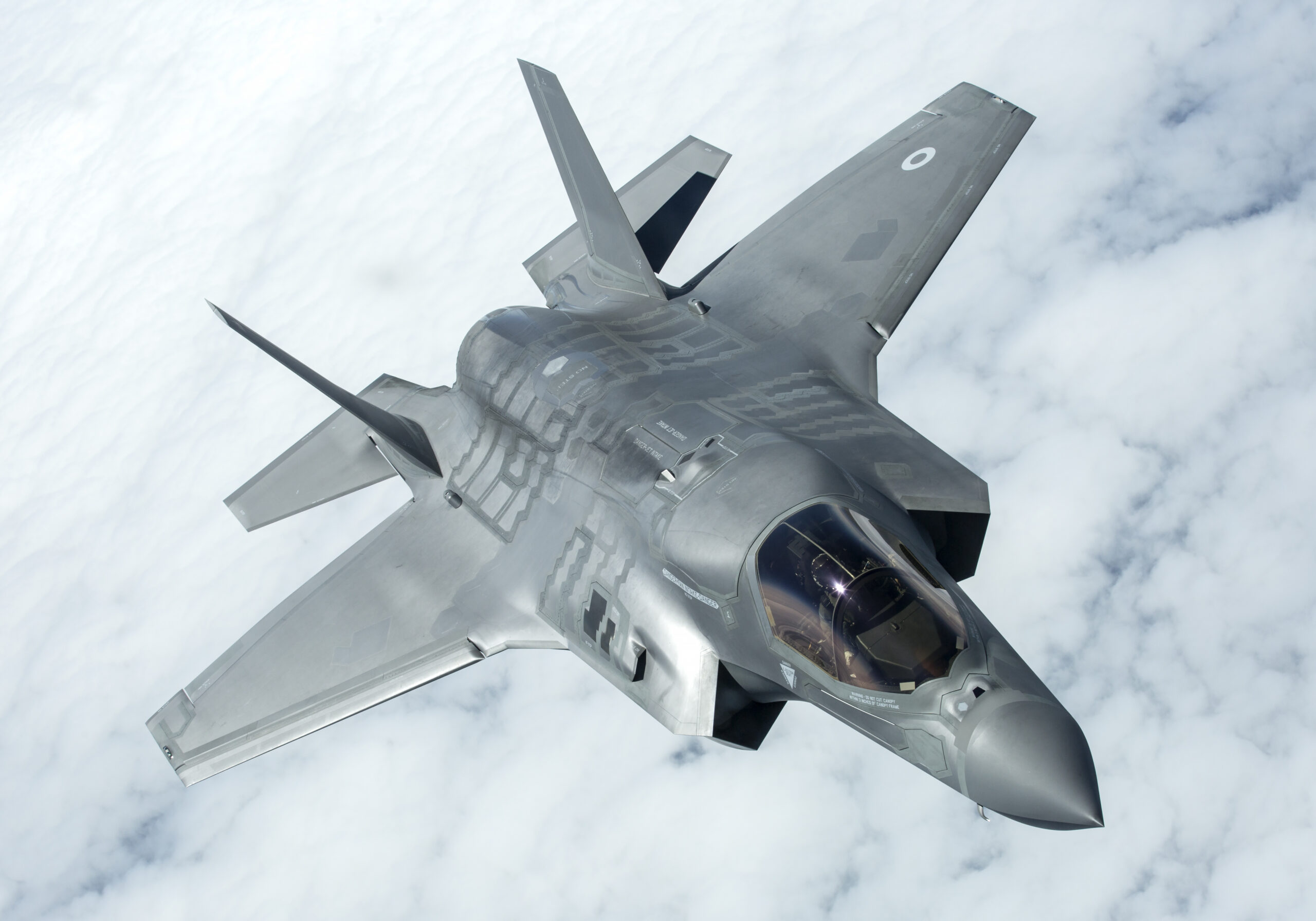
There are moments in global defense policy that pass quietly in headlines but thunder in strategic consequence. One such moment is unfolding now in the United Kingdom. Amid a shifting geopolitical terrain and rising defense anxieties across Europe and beyond, Britain has announced its most substantial military modernization plan since the Cold War—and it’s not merely about adding fighter jets to its air wings. It’s about recalibrating deterrence in a multipolar world, with nuclear capability at sea once again becoming a central card in London’s strategic deck.

The Purchase That Speaks Volumes
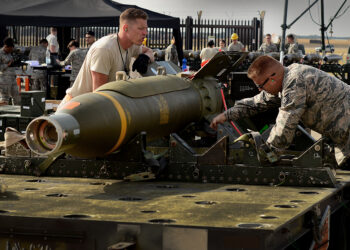
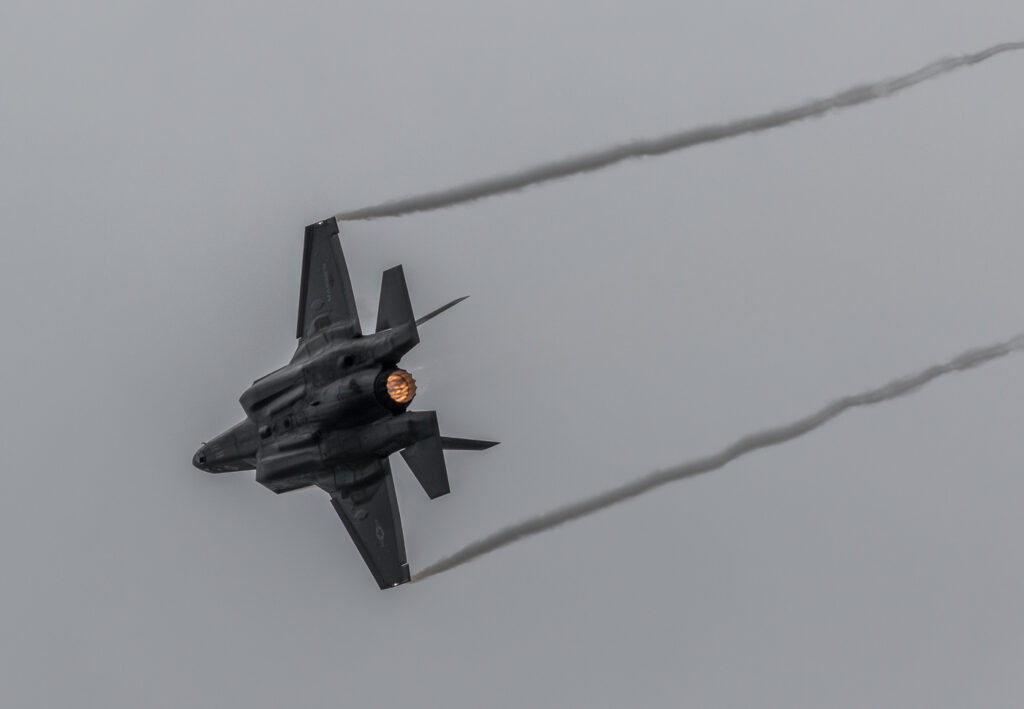
The British Ministry of Defence has confirmed the acquisition of 12 additional F-35A Lightning II fighter jets. While these fifth-generation aircraft are celebrated for their stealth, avionics, and joint strike versatility, what sets this deal apart is their nuclear readiness. Unlike the short takeoff and vertical landing (STOVL) F-35Bs already operated from the Royal Navy’s aircraft carriers, the F-35A variant is certified to carry the American B61-12 tactical nuclear bomb—a feature that Britain has never previously integrated into its air force.
For a country that last updated its nuclear delivery systems with the Trident-equipped Vanguard-class submarines in the 1990s, this move signals more than just an equipment upgrade. It’s a layered message to NATO allies, adversaries, and its own defense establishment that Britain intends to maintain—and modernize—its seat at the strategic table.
Going Nuclear at Sea: The Naval Dimension
What’s even more intriguing is the reported plan to extend nuclear-capable platforms to Britain’s naval forces. Although official details remain scarce and largely speculative, defense analysts across the Atlantic and within European think tanks are increasingly convinced that the UK is laying the groundwork for a future in which its surface navy—not just its ballistic missile submarines—can serve as platforms for nuclear deterrence.
This shift would mirror emerging doctrines seen in nations like Russia and China, where tactical nuclear weapons are being deployed on destroyers, cruisers, and even corvettes. Should the Royal Navy follow a similar trajectory, it would represent a significant doctrinal pivot—moving from “strategic second-strike” nuclear positioning to potentially “theater-level deterrence,” especially in contested zones like the Arctic Circle or the Baltic Sea.
Why Now? A Perfect Storm of Strategic Pressure
Britain’s turn toward an enhanced nuclear posture comes not in a vacuum but amidst growing regional and global pressures. The ongoing war in Ukraine has brought conventional warfare back to European soil. At the same time, escalating maritime tensions in the South China Sea and cyber-nuclear brinkmanship with North Korea have reoriented military planners toward worst-case scenarios. Add to this the perceived unpredictability of America’s long-term defense commitments under shifting political leadership, and the rationale becomes clearer.
Britain, like many mid-tier nuclear powers, is responding to a new age of uncertainty with a revival of Cold War logic—only this time, the weapons are smarter, faster, and designed for multi-domain operations. The F-35A procurement is just one facet of this pivot; the potential naval component makes it exponentially more consequential.
Strategic Echoes: Not Just Symbolism
Some critics might be tempted to dismiss this announcement as symbolic—a budget-flexing gesture amid rising NATO spending targets. But such a reading underestimates the significance of nuclear signaling in the 21st century. As Russia deploys tactical nuclear-capable Iskander missiles in Kaliningrad and China retrofits naval vessels with dual-use capabilities, NATO allies must recalibrate accordingly.
In this context, Britain’s dual-track approach—strengthening both air and naval delivery platforms—signals an intent to fill strategic gaps that legacy systems can no longer cover. The UK’s defense strategy appears to be shifting from reactive to anticipatory, from posture to projection.
And perhaps most importantly, this development subtly rewires the nuclear consensus within NATO. While the alliance has long avoided deploying nuclear capabilities aboard surface vessels, Britain’s potential move could prompt a reevaluation of long-standing doctrinal boundaries—particularly if more members feel compelled to balance against near-peer adversaries in increasingly crowded maritime theaters.
Sources:
• The Washington Post – “UK to buy jets that can carry nuclear bombs as part of military buildup”
• NATO Press Office – Lahey Summit 2025 Brief
• Center for Strategic and International Studies (CSIS) – Nuclear Posture Trends in NATO
• Royal United Services Institute (RUSI) – British Nuclear Policy Watch, 2025