
In the ever-evolving landscape of global defense, 2025 marks a pivotal year where artificial intelligence (AI) and advanced tactical networks are not just buzzwords but critical components redefining military strategies and operations. As a defense enthusiast and observer, I’ve been closely monitoring these developments, and it’s clear that the integration of AI into defense mechanisms is no longer a futuristic concept—it’s our present reality.

The Rise of AI in Defense Operations
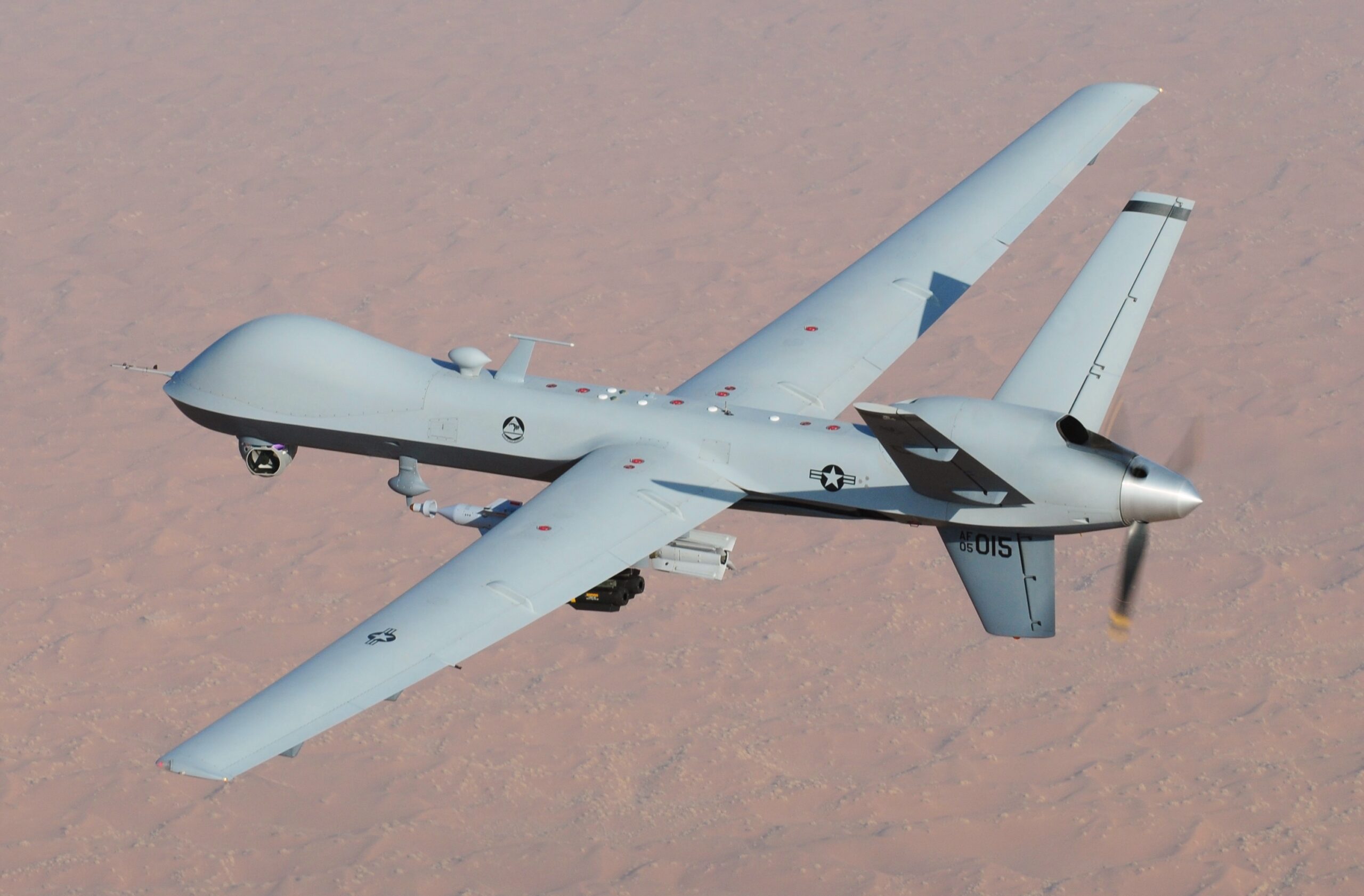
Artificial Intelligence has transitioned from experimental phases to active deployment in various defense sectors. One notable advancement is India’s progress with its Unmanned Combat Aerial Vehicle (UCAV) program. The Defense Research and Development Organisation (DRDO) is nearing the completion of testing its indigenous Kaveri jet engine, which will power the upcoming stealth UCAV, known as the CATS Warrior. This drone integrates AI to execute complex missions, including detecting and neutralizing enemy air defenses, thereby reducing risks to human pilots. The UCAVs are designed to operate in coordination with manned aircraft, showcasing a significant leap in autonomous combat capabilities.
The integration of AI extends beyond aerial combat. In Ukraine, the military is intensifying efforts to counter drone warfare through advanced radio-electronic warfare (REW) systems. These systems employ AI to track, jam, and destroy enemy drones, enhancing battlefield situational awareness and response times. The development of systems like the Azimuth tracker and Mirage jammer exemplifies how AI is becoming indispensable in modern defense strategies.
Next-Generation Tactical Networks: The Backbone of Modern Military Communication
Effective communication is the linchpin of successful military operations. Recognizing this, Nokia and defense technology firm blackned have partnered to develop next-generation tactical communication networks for the German armed forces. These mobile systems are designed to enhance battlefield communication, coordination, and situational awareness, especially in environments lacking standard communication infrastructure. By integrating 5G and software expertise with Rheinmetall’s Battlesuite digital platform, this initiative aims to revolutionize how military units communicate and operate in real-time.
Such advancements are not isolated. Globally, defense forces are investing in decentralized command and control systems, allowing for more flexible and resilient operations. These systems enable units to operate independently yet cohesively, a necessity in modern, fast-paced combat scenarios.
Supersonic Artillery: A Leap in Firepower
The United States has unveiled the world’s first supersonic artillery shell, the Sceptre TrBM 155HG, developed by UK-US firm Tiberius Aerospace. This advanced missile travels at 2,700 mph and has a range of 100 miles, featuring AI, GPS, and error-correcting sensors. Its ramjet engine operates on common fuels, ensuring a shelf life of over 20 years. This development signifies a substantial enhancement in long-range precision strike capabilities, reflecting the broader trend of integrating AI into various weapon systems.
The Human Element: Addressing the Skills Shortage
While technological advancements are accelerating, there’s a growing concern about the human element in defense. The UK defense industry, for instance, faces a critical skills shortage, exacerbated by competition from high-tech private sector companies like Amazon. Despite offering salaries above the national average, the defense sector struggles to attract and retain skilled personnel. This shortage threatens the execution of major projects, highlighting the need for strategic workforce planning and investment in STEM education to rebuild defense capabilities.
Conclusion: Embracing the Future of Defense
The convergence of AI and advanced tactical networks is reshaping the defense landscape in 2025. These technologies offer unprecedented capabilities, from autonomous combat drones to enhanced communication systems, fundamentally altering how military operations are conducted. However, the successful integration of these technologies hinges on addressing human resource challenges and ensuring that the workforce is equipped to operate and maintain these sophisticated systems.
As we navigate this transformative era, it’s imperative for defense stakeholders to balance technological innovation with human capital development, ensuring that advancements serve to enhance, not outpace, our operational readiness and strategic objectives.
Sources:
- Nokia, blackned to develop next-gen tactical networks for German army
https://www.reuters.com/business/aerospace-defense/nokia-blackned-develop-next-gen-tactical-networks-german-army-2025-05-28/?utm_source=chatgpt.com - No more decade-long wait: India eyes stealth 5th-gen stealth drone fighter to strike enemy air defences and save pilots’ lives
https://economictimes.indiatimes.com/news/new-updates/no-more-decade-long-wait-india-eyes-stealth-5th-gen-stealth-drone-fighter-to-strike-enemy-air-defences-and-save-pilots-lives/articleshow/121455685.cms?utm_source=chatgpt.com - Inside Ukraine’s plan to track, jam and destroy Putin’s drones
https://www.thetimes.com/world/russia-ukraine-war/article/kyiv-putin-drones-056mpjsfm?utm_source=chatgpt.com®ion=global - US unveils world’s first supersonic artillery shell that can hit targets 100 miles away at a blistering 2,700mph speeds
https://www.thesun.ie/tech/15260602/us-unveils-worlds-first-supersonic-artillery-shell/?utm_source=chatgpt.com - The UK defense industry’s biggest problem isn’t just cash — it’s also companies like Amazon
https://www.businessinsider.com/uk-defense-industry-skills-shortage-ramping-up-production-2025-5?utm_source=chatgpt.com