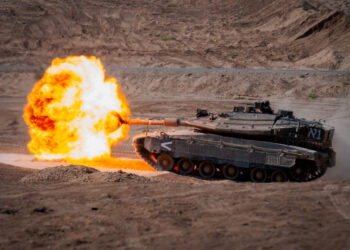


As the world shifts towards electrification, it’s tempting to envision a future where even the most formidable military machines—tanks—are powered by electricity. The allure of silent operation, reduced emissions, and decreased reliance on fossil fuels is strong. However, when we delve into the practicalities of battlefield requirements, the concept of fully electric tanks reveals significant challenges that cannot be overlooked.

The Battery Conundrum
One of the most pressing issues with electric tanks is the current state of battery technology. Modern main battle tanks are massive, often weighing upwards of 60 tons, and require immense power to operate effectively. To charge such a vehicle within a reasonable timeframe (say, 15 minutes), the infrastructure would need to deliver an astonishing 17 megawatts of power—far beyond the capabilities of existing mobile military generators.
Moreover, the energy density of current batteries doesn’t match that of traditional fuels. This means electric tanks would either have shorter operational ranges or require larger, heavier battery packs, further complicating design and logistics.
Operational Limitations
Electric tanks face several operational challenges:
- Range and Endurance: Unlike diesel-powered tanks that can be refueled relatively quickly, electric tanks would need extended periods to recharge, potentially limiting their availability during critical missions.
- Charging Infrastructure: Establishing a reliable and secure charging network in combat zones is a logistical nightmare. The risk of these stations becoming targets adds another layer of vulnerability.
- Performance in Extreme Conditions: Batteries are sensitive to temperature fluctuations. In extreme cold or heat, their efficiency drops, which could impair tank performance during missions in such environments.
Tactical Vulnerabilities
The modern battlefield is increasingly dominated by electronic warfare. Electric tanks, being heavily reliant on electronic systems, could be more susceptible to cyber-attacks or electromagnetic pulses (EMPs). A successful attack could disable critical systems, rendering the tank inoperative.
Additionally, the silent operation of electric tanks, while advantageous for stealth, could also pose risks. In situations where audible cues are essential for coordination and identification, the lack of engine noise might lead to friendly fire incidents or miscommunication.
Maintenance and Logistics
While electric vehicles generally have fewer moving parts, the complexity of their electronic systems requires specialized maintenance. In field conditions, where access to advanced diagnostic tools and trained personnel is limited, this could lead to increased downtime.
Furthermore, the supply chain for batteries and electronic components is currently less robust than that for traditional fuel and mechanical parts. In prolonged conflicts, ensuring a steady supply of these components could be challenging.
Strategic Implications
The integration of electric tanks into military operations would necessitate a complete overhaul of existing strategies and doctrines. From training personnel to adapting supply lines, the transition would be resource-intensive and time-consuming.
Moreover, adversaries might exploit the limitations of electric tanks, developing tactics specifically aimed at targeting their vulnerabilities, such as disrupting charging stations or employing EMP weapons.
Conclusion
While the push towards electrification is commendable from an environmental standpoint, the current technological and logistical challenges associated with electric tanks make them impractical for modern warfare. Until significant advancements are made in battery technology, charging infrastructure, and electronic resilience, it’s prudent for militaries to continue relying on proven diesel-powered tanks while exploring hybrid solutions as a transitional step.
References
- US Army’s All-Electric Tank Plans on Hold: Battery Technology Falls Short of Battlefield Requirements. Torque News.
- Power and Tension: The Cyber Security Problems of Military Electrification. War on the Rocks.
- The Lethality Case for Electric Military Vehicles. Modern War Institute.
- Do Generals Dream of Electric Tanks? RAND Corporation.
- Electric Vehicles Make No Sense on the Battlefield. Institute for Energy Research.