
If you are working in or observing the defense, technology, or energy sectors, there is a framework quietly shaping what can and cannot move across borders. It does not dominate headlines, yet it influences everything from advanced sensors to encryption software. That framework is the Wassenaar Arrangement.

Let’s step into it together, not just as a definition, but as a system that actively shapes today’s security and technology landscape.
What the Wassenaar Arrangement Actually Is
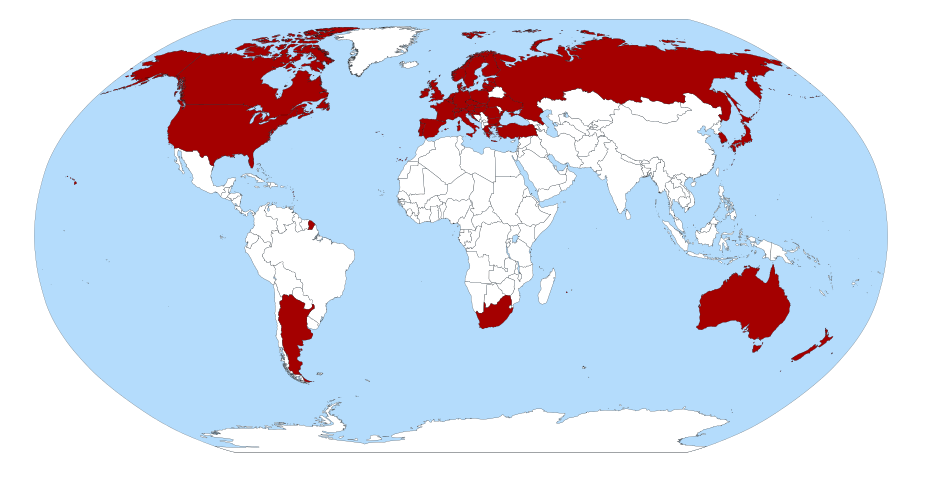
The Wassenaar Arrangement was established in 1996 as a multilateral export control regime focused on conventional arms and dual-use technologies. Unlike formal treaties, it does not impose legally binding obligations. Instead, it operates through coordination between participating states, each of which agrees to align its national export policies with a shared understanding of risk and responsibility.
More than forty countries participate in this framework, exchanging information on sensitive exports and aligning around control lists that define what should be monitored or restricted. The objective is not to halt trade, but to prevent destabilizing accumulations of military capability and reduce the likelihood that critical technologies are diverted into unintended uses.
A System Built on Trust, Not Enforcement
What makes this system particularly distinctive is the absence of centralized enforcement. There is no authority ensuring compliance across borders. Each country implements the Arrangement through its own legal and regulatory mechanisms, meaning that the same guideline can look very different in practice depending on where it is applied.
For companies and operators in the field, this creates a layered reality. Compliance is not about a single international rulebook. It is about understanding how different jurisdictions interpret shared principles. This flexibility allows states to retain sovereignty, but it also introduces inconsistency, especially when national interests begin to diverge.
Dual-Use Technologies and Strategic Ambiguity
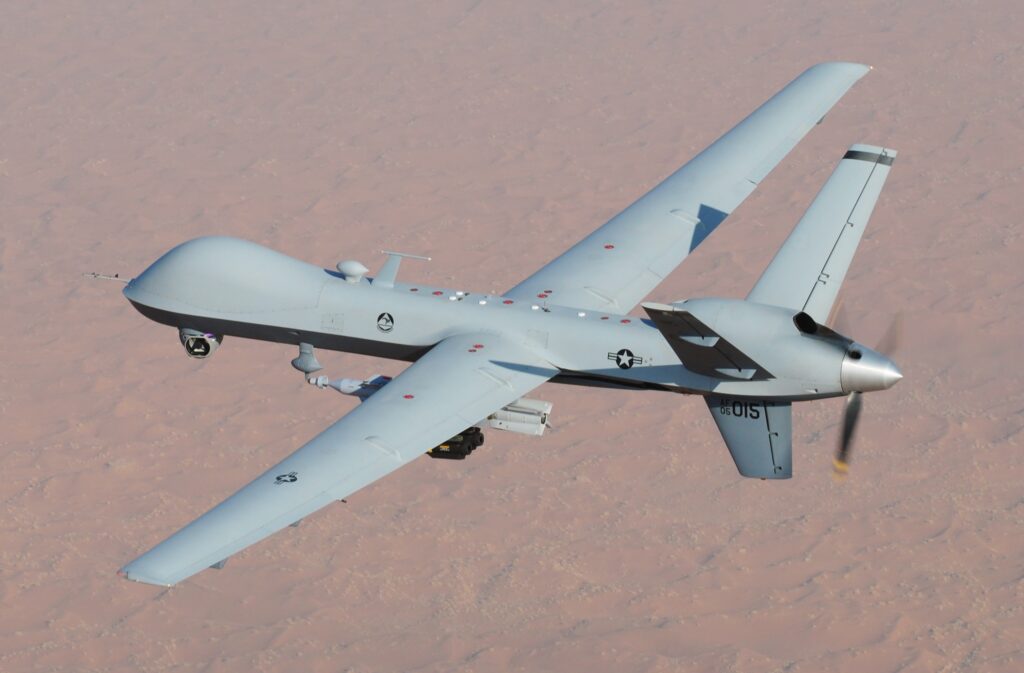
At the center of the Wassenaar framework is the concept of dual-use. These are technologies that exist in both civilian and military contexts, often without any physical change. A system designed for commercial communication, for example, can also support military coordination.
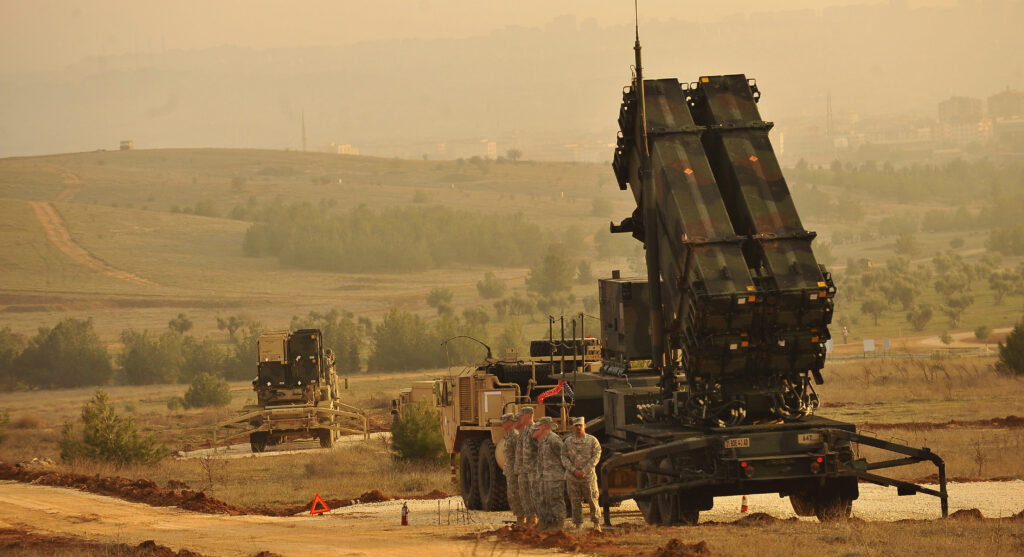
This is where the framework becomes less straightforward. Controlling traditional weapons is relatively clear. Controlling technologies that are embedded in everyday infrastructure is not. The Arrangement attempts to manage this through detailed control lists, covering areas such as electronics, telecommunications, navigation, and information security.
Yet these lists are always playing catch-up. As innovation accelerates, the line between civilian and military application becomes increasingly blurred. What qualifies as sensitive today may become standard tomorrow, and vice versa.
Transparency as Influence
Rather than relying on enforcement, the Arrangement uses transparency as a mechanism of influence. Participating states regularly share information about approved and denied exports, creating a system where decisions are visible across the network. This visibility does not force alignment, but it encourages it. When one country denies a transfer based on security concerns, others are expected to consider that decision in their own assessments. Over time, this builds a pattern of behavior that reflects shared caution, even in the absence of binding rules.
From a strategic perspective, this is a subtle but effective approach. It shifts the focus from control to awareness, allowing states to adjust their decisions based on a broader understanding of risk.
Where the Framework Faces Pressure
The strength of the Wassenaar Arrangement depends on a degree of geopolitical alignment among its members. When that alignment weakens, so does the coherence of the system.
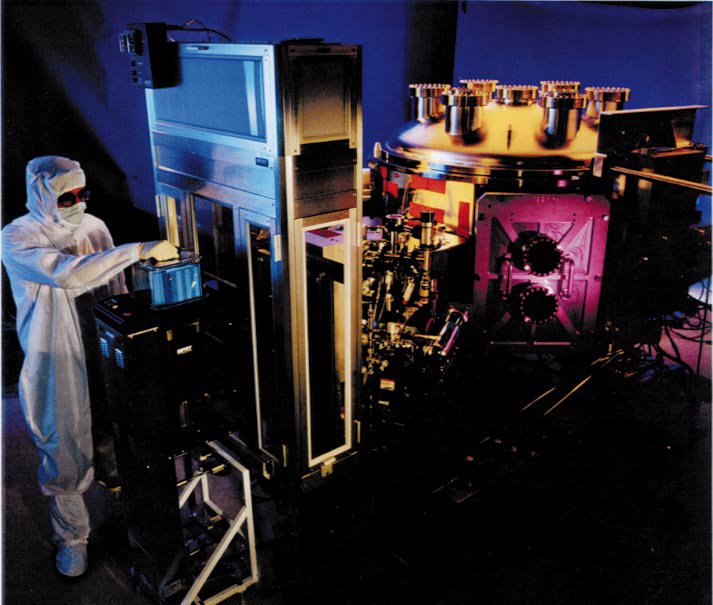
In recent years, there has been a growing trend toward unilateral export controls, particularly in areas such as advanced semiconductors and high-performance computing. These measures are often implemented outside the multilateral framework, reflecting national priorities rather than collective agreement.
This does not render the Arrangement irrelevant, but it does redefine its role. It becomes one layer within a broader and increasingly complex system of controls, rather than the central mechanism guiding them.
The Challenge of Technological Speed
One of the most persistent challenges facing the Arrangement is the pace of technological change. Control lists are updated through consensus, which takes time. Innovation, however, moves continuously.
This creates a structural gap. By the time a technology is formally recognized as sensitive, it may already be widely distributed. Attempts to regulate emerging fields such as artificial intelligence, cyber tools, and advanced materials often struggle to strike the right balance between security and innovation. Defining what should be controlled is not only a technical question, but also a strategic one. Too much restriction can limit legitimate development. Too little can expose vulnerabilities.

Implications for Industry and Market Access
For companies operating in defense-adjacent or high-technology sectors, the Wassenaar framework is not abstract. It directly influences licensing requirements, export eligibility, and international partnerships.
Understanding these dynamics is not just about compliance. It is about positioning. Export controls shape which markets are accessible, which collaborations are viable, and how products are designed from the outset.
In many cases, they also influence competition. Companies operating under stricter regimes may face limitations that others do not, creating an uneven playing field that extends beyond purely commercial considerations.
A Quiet Layer of Geopolitics
Behind visible geopolitical events, there is always a structural layer that defines how capabilities move and who has access to them. The Wassenaar Arrangement is part of that layer. It operates alongside other export control regimes, each addressing different categories of risk. Together, they form a network that attempts to regulate the flow of sensitive technologies across borders.
This network is not uniform, and it is not always consistent. But it plays a continuous role in shaping how states manage security, competition, and technological development.
The Direction of the Framework
The future of the Wassenaar Arrangement will likely be shaped by how it adapts to a more fragmented global environment. Multilateral coordination will remain important, but it will coexist with increasingly assertive national controls.
Rather than disappearing, the Arrangement is evolving into a reference point within a broader system. It continues to provide structure and transparency, even as the landscape around it becomes more complex.
For those operating in this space, the key is not to see it as a static framework. It is part of an ongoing process where regulation, technology, and geopolitics intersect and continuously redefine each other.
Sources
Wassenaar Arrangement Secretariat – Official Overview
Arms Control Association – Wassenaar Arrangement Fact Sheet
U.S. Bureau of Industry and Security – Multilateral Export Control Regimes