
Written by Ido Kalev.

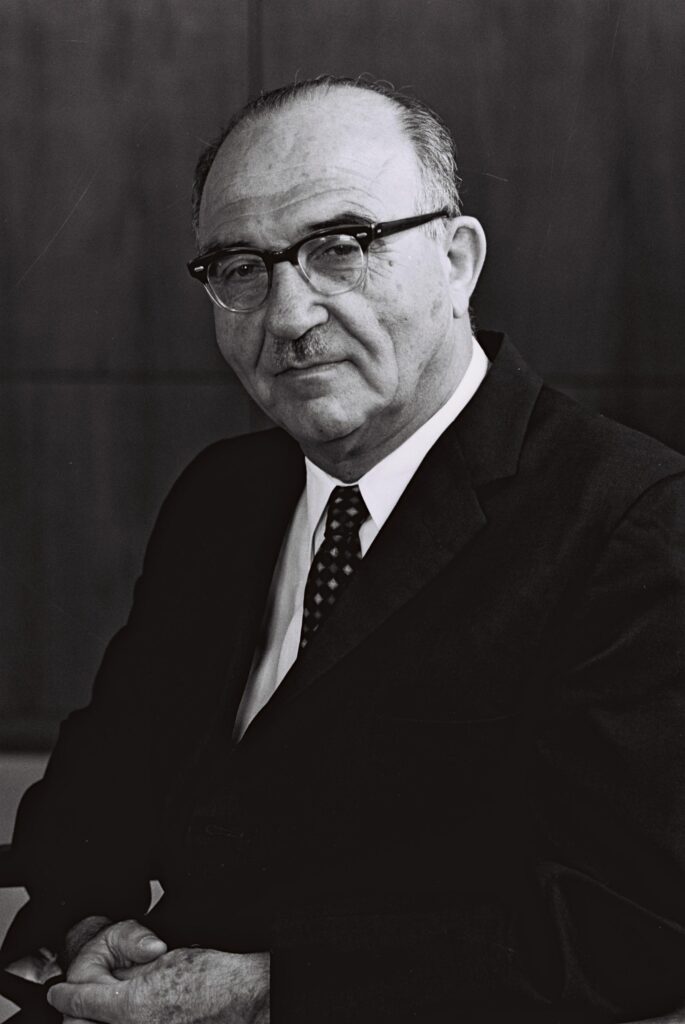
“We entered this campaign out of necessity, to break the noose that was placed around our necks.” These are the words of Prime Minister Levi Eshkol, of blessed memory, as part of his explanation for the preemptive war of 1967. The goal then was one: to remove the noose from Israel’s neck.
On June 4, 1967, the Israeli government made a fateful and remarkably vague decision: ‘The government decides to take military action that will free Israel from the tightening military noose around it.’ The minutes of the meeting did not include any defined political or territorial objectives. No international stopwatches were opened, and no one in the cabinet asked what the ‘exit strategy’ was, either before or after the start of Operation ‘Focused’. Everyone understood one thing: the move would only end when the threat was removed.
From 1967 to 2026: The Stranglehold Evolves
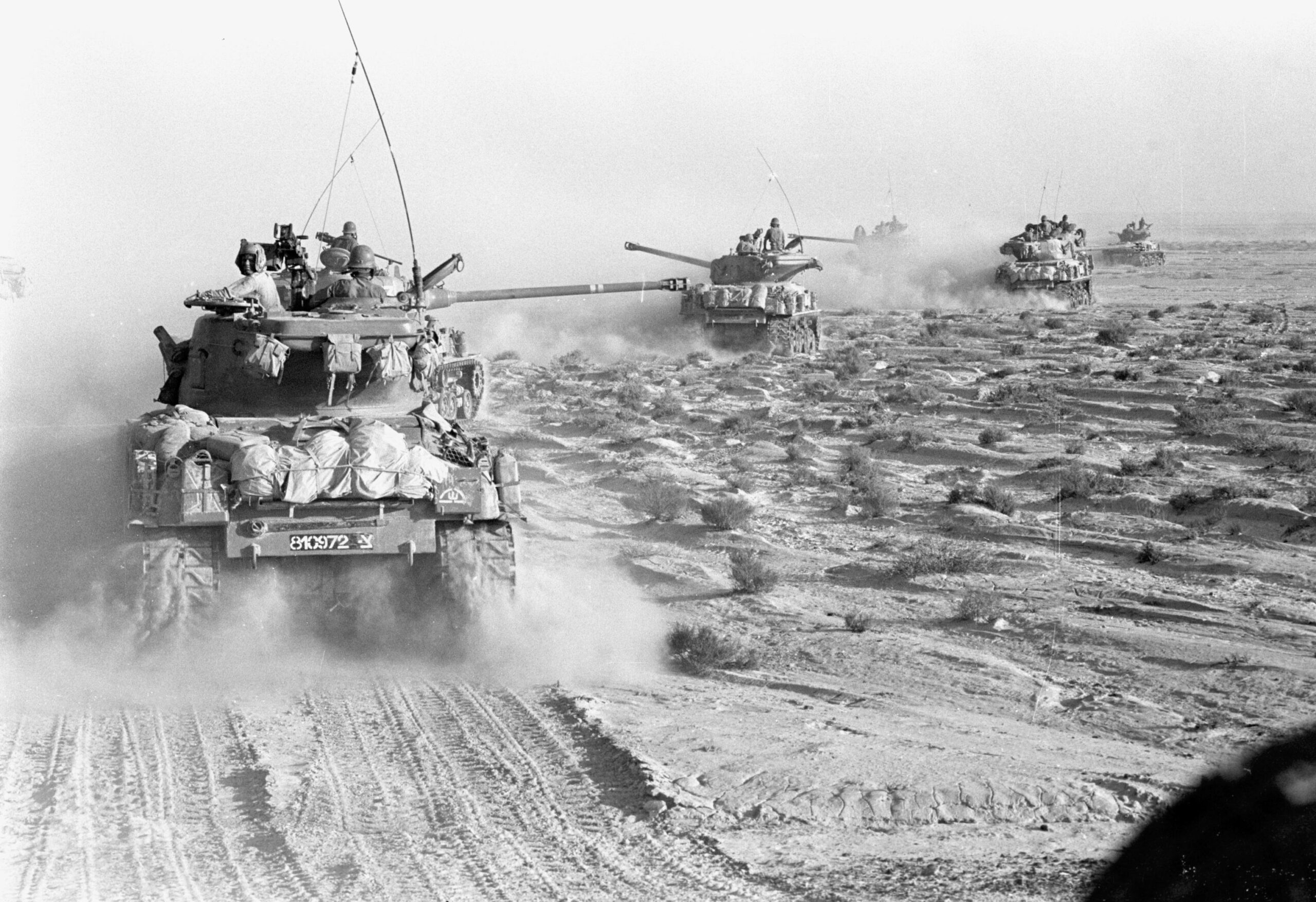
In 1967, Nasser concentrated 100,000 soldiers in Sinai and made offensive alliances with Jordan and Syria. Eshkol and Dayan identified it as a ‘stranglehold.’
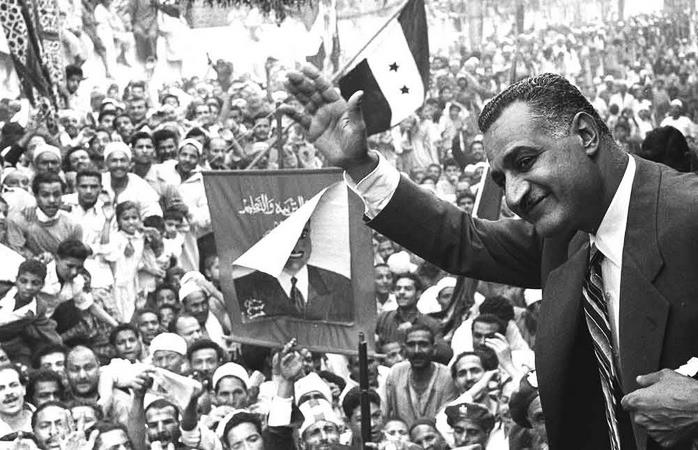
In 2026, the hold is tight and no less murderous. We carry its scars from 6:29 on October 7. Hezbollah’s missile arsenal, the Houthi threat, thousands of ballistic missiles from Iran, and hundreds of thousands of fighters in the Syrian Golan are all structured as a final ‘noose’ aimed at the elimination of the Zionist entity.
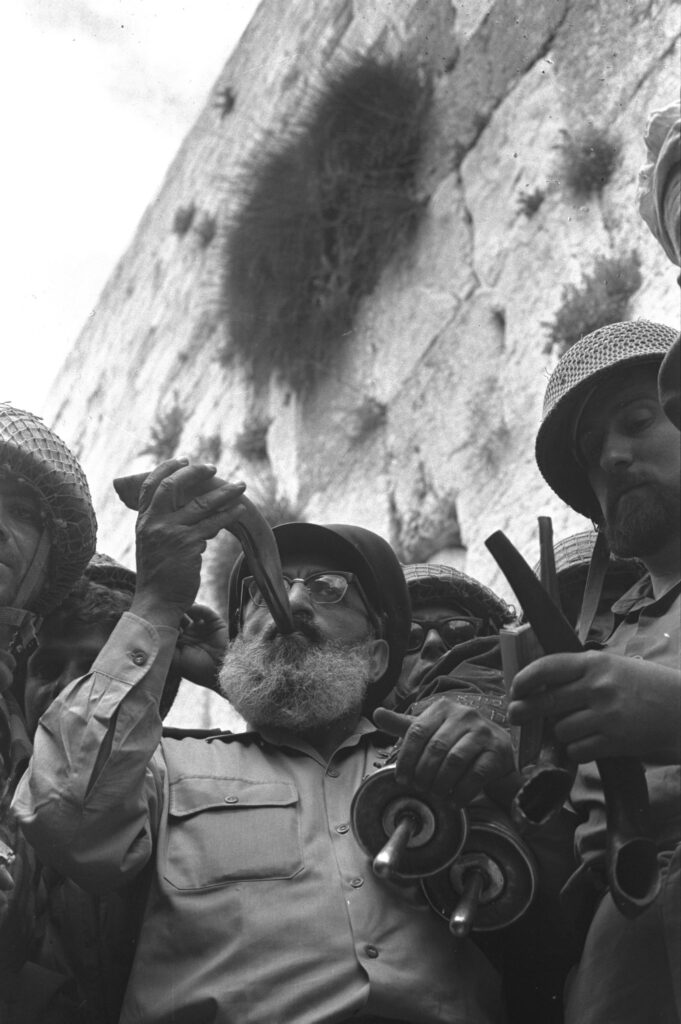
If we had waited until the threat became unbearable, what would the price have been? October 7 in an upgraded version? Thousands of casualties in the Tel Aviv metropolitan area? Moshe Dayan phrased it clearly: “This is the decree of our generation. This is the choice of our lives – to be ready and armed, strong and firm, or else the sword will slip from our fist and our lives will be cut off.” Waiting in 2023 turned a crisis into an existential disaster.
Therefore, Israel launched Operation ‘Like a lion’ and ‘Lion’s Roar’ without looking at the clock.
Exit Strategy as a Result, Not a Starting Point
Exit strategy only comes after understanding the battlefield picture. The criticism of the ‘lack of an exit strategy’ ignores a basic historical lesson. Such a strategy is not a sterile plan written in isolation. It is a product of the evolution of the battlefield and the reality imposed on the enemy.
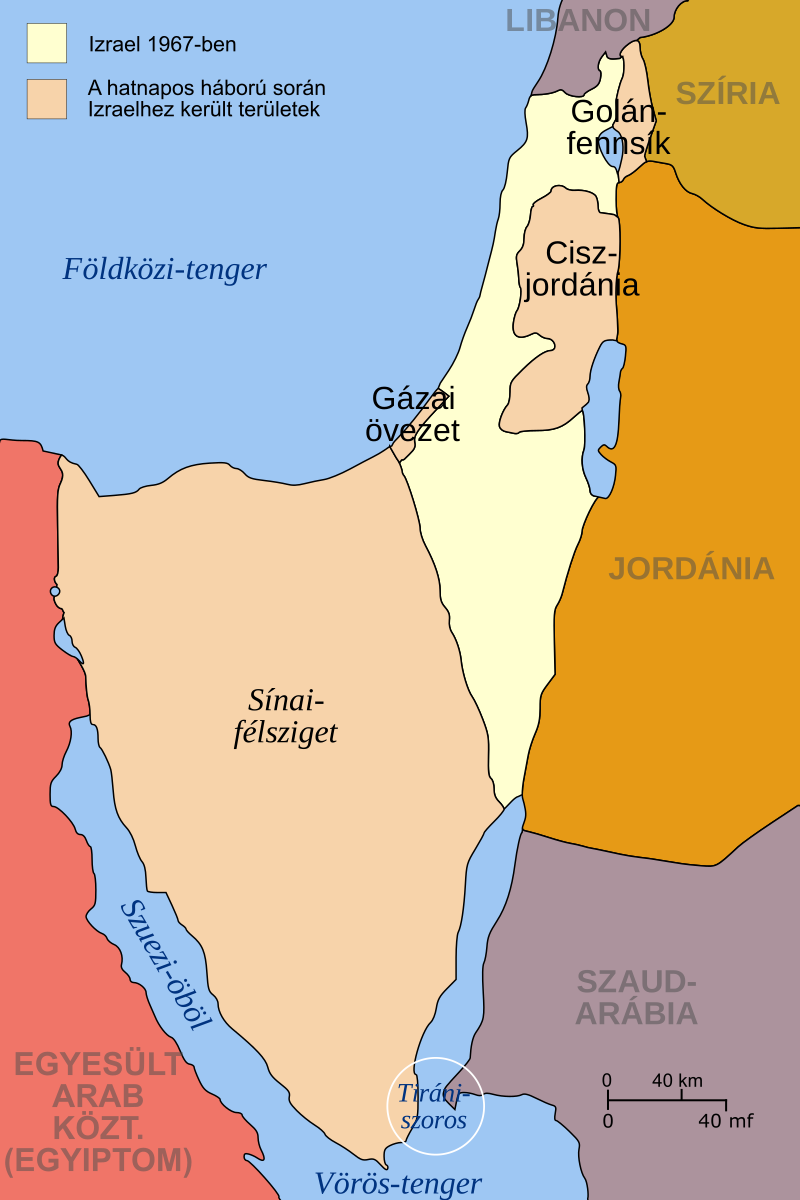
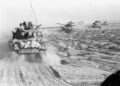
Some argue that the lack of planning in ’67 led to the recklessness of ’73. This misreads the situation. The recklessness did not arise from the absence of an ‘exit strategy,’ but from the scale of the military achievement that Israel itself had not anticipated. When the tanks raced to the Golan Heights, they were not planning to overlook Damascus. The battlefield created the political reality.
As Eshkol said after the fact: “Before the war the goal was to remove the threat… now we are in a new situation we were not prepared for.” A predetermined exit strategy becomes irrelevant the moment the enemy reshapes the battlefield, as seen with the “three no’s” of the Khartoum Conference.
What Actually Ends Wars
The lesson is direct. Political strategy is determined after the battlefield clears, not before. Only after the enemy has been defeated across domains and has paid a tangible cost does a real solution begin to emerge.
What decided the Six-Day War was not international pressure. It was the moment Arab leadership understood that continued fighting threatened their survival. Nasser acknowledged failure in his resignation speech. King Hussein recognized the scale of the loss. They accepted a ceasefire not because of diplomacy, but because the alternative was collapse.
The Changing Strategic Environment
Unlike in 1967, where external powers applied restraint, the structure in 2026 is different. The United States is not acting as a distant mediator but as a direct partner. Operation Epic Fury reflects a coordinated approach rather than a constrained one.
There is no external force positioned to impose limits in the way seen during the Yom Kippur War. International pressure exists, but it lacks operational weight in shaping the outcome of this campaign.
What will ultimately decide the war is not negotiation timing but structural breakdown. When the Iranian system reaches a point where its leadership perceives collapse as imminent, the war will end. Not before.
Bottom Line
The Six-Day War and “The Lion’s Roar” point to the same conclusion. Removing the threat comes first. An exit strategy follows victory, it does not precede it. The cost of action is always high, but the cost of hesitation can be irreversible.
“The Lion’s Roar” is not a war of convenience. It is a war of necessity. As Eshkol stated: “The use of force is detestable, but surrendering to force is more detestable.”
History does not repeat itself in exact form, but its logic remains. Those who focus on timing before achieving dominance risk losing the outcome entirely.