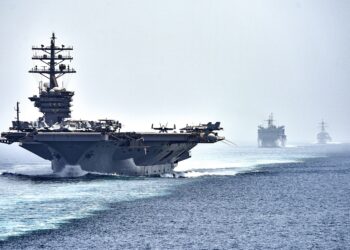

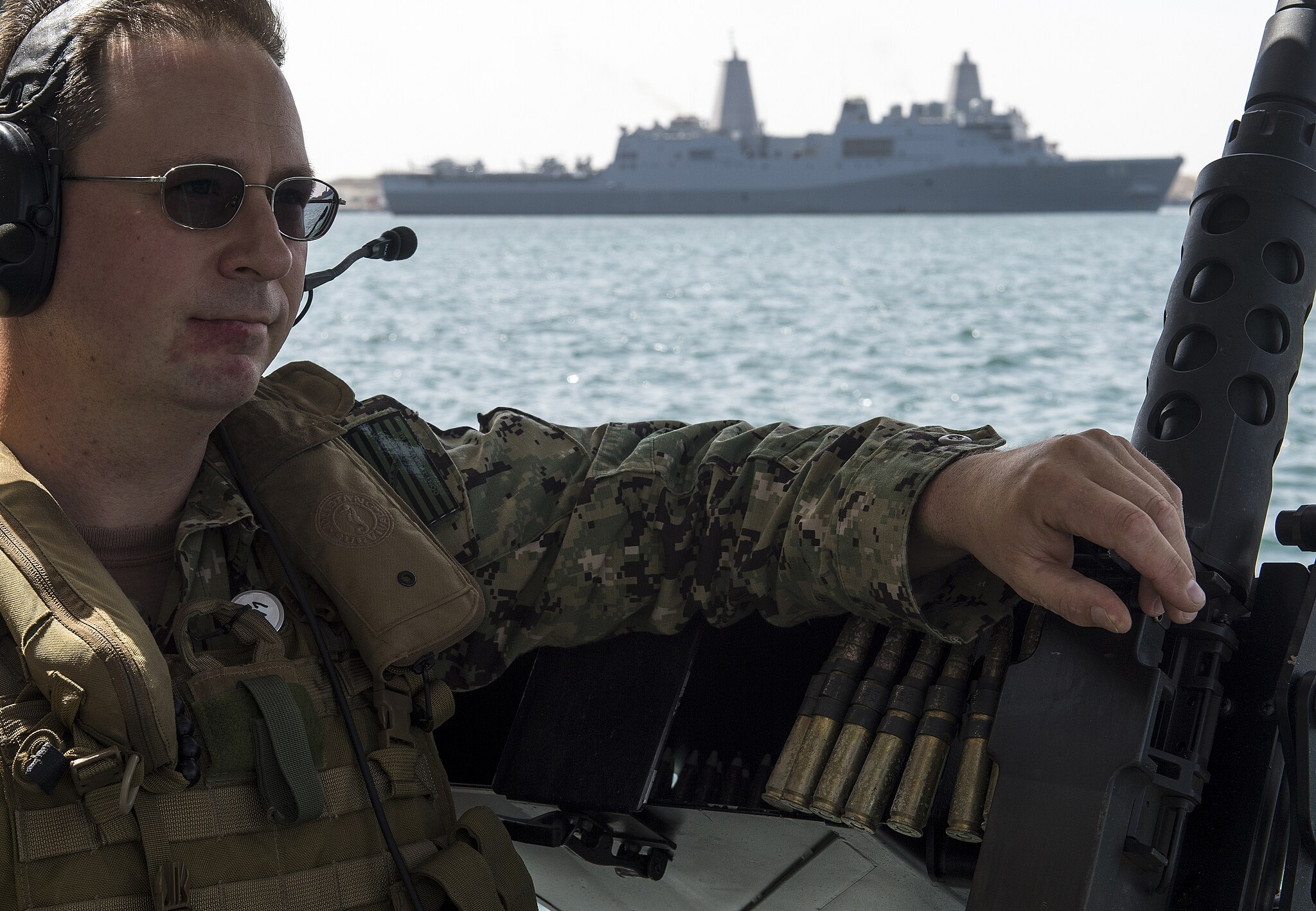
The UAE has steadily developed a dual posture in the realms of maritime security and outsourced military capacity. On one hand, its strategic location by the Gulf of Aden, Bab el-Mandeb and the Southern Red Sea places it at the heart of key shipping lanes and regional naval security concerns. On the other hand, its security posture increasingly utilises private military and security companies (PMSCs) and mercenary-style arrangements to supplement its limited conventional forces. Understanding how these strands fit together is crucial for industry observers, maritime operators and defence-security analysts alike. The importance of UAE maritime security cannot be overstated, as it plays a critical role in maintaining stability in these vital waterways.

Maritime Threat Environment
In the waters off East Africa and the Arabian Peninsula, traditional piracy remains a persistent concern. While Somali piracy had been suppressed substantially a decade ago, recent analyses show a resurgence of boarding attempts and armed robbery in the Gulf of Aden and adjacent seas. The ICC-CCS reports that many of these incidents now occur in zones where navies are stretched and the “safe corridor” assumption is less reliable. Against this backdrop, the UAE’s maritime interests – including port investments, shipping-logistics and naval capacity building – become relevant in assessing risk.
From a practical stance, commercial operators must factor in: patrol presence, regional navy coordination, and whether private maritime security is appropriate as part of the risk-mitigation mix.
UAE’s Security Strategy and Outsourcing
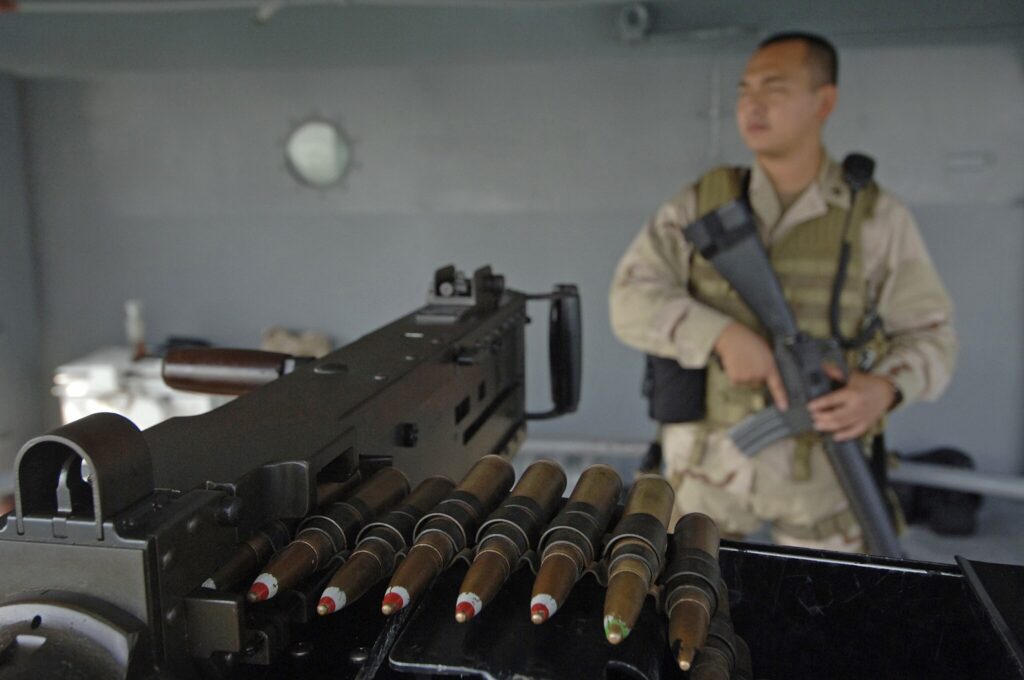
The UAE does not rely solely on its conventional armed forces; instead it has embraced security partnerships, private contracting, and force‐multipliers abroad. Analysts describe that the UAE’s mode of projecting military capacity is increasingly “privatised” – providing plausible deniability, cost-efficiency and flexibility. One recent study argues the emergence of the Gulf state as a “mercenary hub” for Africa and the Middle East, as outsourcing military power became a deliberate strategy.
For maritime stakeholders, this strategy means that the UAE’s security footprint may stretch beyond conventional naval deployments, to include logistics support, private escort arrangements, and security training in littoral zones. Operators in the region must therefore view the UAE not just as a nation-state naval actor, but also as a hub of non-state or quasi-state security-capacity.

The Intersection of Maritime Threats and Private Military Activity
When piracy, insurgency and private military operations converge, it creates a layered threat environment. For example: shipping lanes through the Bab el-Mandeb may be disrupted not only by pirate skiffs but also by actors trained or supported via private military channels. In such zones, the distinction between “state naval patrol” and “contractor‐supported intervention” becomes blurred. The UAE’s port and logistic investments in East Africa (for instance in Somalia or Somaliland) extend its influence into maritime security domains, making it both a contributor and stakeholder in threat-management. For your audience on a defence-oriented site, highlighting this convergence is valuable: it’s not just about pirates hijacking a ship, but about how a small Gulf state uses private military resources to safeguard or project maritime influence, and how that in turn affects the wider security environment.
Erik Prince and the Private Military Link
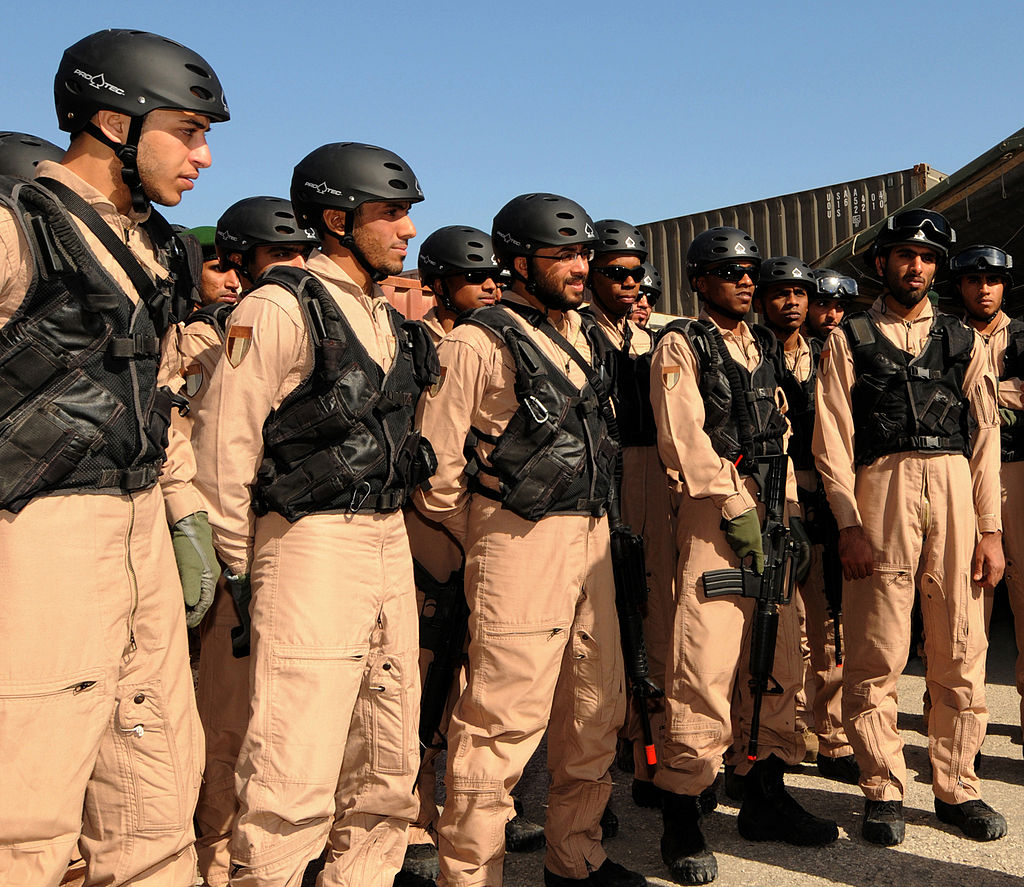
Erik Prince, former US Navy SEAL and founder of the private military company Blackwater USA, plays a distinct role in this narrative. His post-Blackwater activities include contracting with the UAE region to form foreign-auxiliary battalions, training forces and supporting overseas operations. According to sources, in 2011 Prince was engaged in organising a battalion of some 800 foreign troops for the UAE, with objectives of special operations inside and beyond the Emirates. Other investigations link him to the recruitment of Colombian veterans, training programmes in Yemen and Libya, and the creation of private-army company ventures. The relevance to maritime and defence sectors: Prince’s model demonstrates how private military actors are integrated into Gulf-state security thinking, and how such models can influence risk assessment for commercial shipping, port security, and regional logistics. His activities highlight the need to consider not just state actors but contractor networks when analysing the security footprint of the UAE.

Implications for Industry and Stakeholders
For maritime, logistics and defence stakeholders the key take-aways include:
- Risk modelling must be expanded: traditional piracy risk maps may omit the influence of private military networks and outsourced security actors; the UAE’s use of such networks influences regional stability in littoral zones.
- Private security decisions must factor legal/regulatory context: engaging PMSCs or contractors in regions where the UAE has links raises questions of flag state jurisdiction, chain of command and compliance with maritime law.
- Understanding the actor landscape is essential: recognising that the UAE operates through both conventional naval means and contractor/mercenary networks helps in assessing the likelihood, scope and nature of security threats in shipping lanes, port facilities and maritime infrastructure.
- Logistic and port investments matter: when the UAE invests in ports or logistic hubs in East Africa or the Arabian Peninsula, it isn’t merely a commercial actor – it is a security actor too. For web-readers in your magazine, this means infrastructure and defence sectors overlap.
- Operational advice for operators: incorporate intelligence on PMSC activity and regional security partnerships into route-planning and maritime security briefings. Do not assume that only state navies are managing the threat environment; contractor forces may be present or influencing conditions.
Monitoring Recommendations
To stay ahead of developments in this space:
- Track updates on attempted boarding or armed robbery incidents in the Gulf of Aden, Bab el-Mandeb and southern Red Sea.
- Monitor new port and logistic investments by the UAE in East Africa, as these may mark security-capacity building or contractor presence.
- Review contracts, licensing and activities of PMSCs operating in the Gulf and Africa that have UAE links; such firms often precede shifts in maritime security arrangements.
- Follow legal/regulatory frameworks governing private military and security companies in the region; emerging norms may impact risk models and contractor liability.
- Integrate geopolitical competition into your threat analysis: Gulf states, Africa, littoral hubs and maritime routes are increasingly interconnected in strategic terms, and the private military element is now part of the equation.
References
“Erik Prince and the UAE’s Dogs of War”, Al Jazeera Inside Story, 21 February 2021.
“Will mercenary Gulf armies signal a new Western colonial security order?”, Middle East Monitor, 11 March 2024.
“Mercenary Hub, United Arab Emirates – Building a legitimate Emirate …”, Defaakto, 24 July 2024.
“The New Venture of Erik Prince: Reflex Responses Private Army”, ShockMonitor, 25 April 2017.
“United Arab Emirates seeks to recruit 3,000 Colombian soldiers”, ColombiaReports, 2011.