
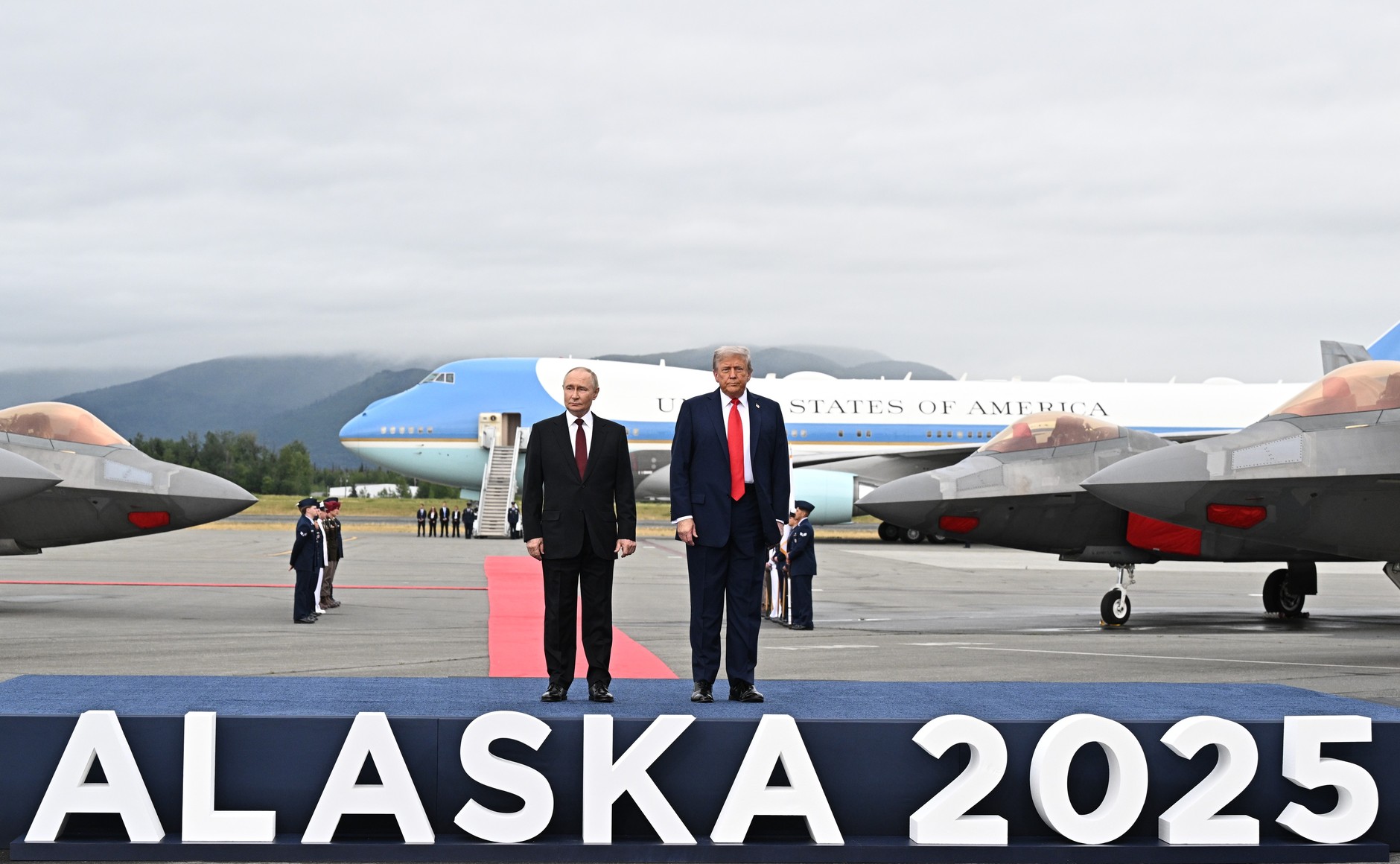
Big meetings always spark big hopes. The Alaska summit on August 15, 2025, was one of those moments. Donald Trump and Vladimir Putin sat down in Anchorage, and the world leaned in. Everyone expected a breakthrough. But what actually happened?

The Stage Was Set
The choice of Alaska was not random. It is close to Russia, once part of its empire, and symbolically powerful. It was also a safer spot for Putin, given his arrest risks in Europe. So, picture the scene: red carpets rolled out, handshakes with cameras flashing, and a banner that read “Pursuing Peace.”
It looked like a movie set. But when the cameras turned off, there was no ceasefire, no treaty, no new promises. Trump said they made “some headway,” but left without details. No questions were taken. No papers were signed. Just words hanging in the air.
I remember watching the footage and thinking, “This feels like theater more than policy.” And that is exactly how many analysts described it.

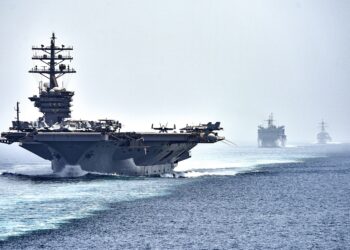
Defense Signals Without Change
If you follow defense news closely, you know how markets tend to react to summits like this. Traders hope for surprises: new arms deals, sudden ceasefires, or unexpected aid packages. But none of that happened in Alaska.
The U.S. stayed firm on Ukraine and NATO. No new military aid was announced. No security guarantees changed. For anyone waiting for a game-changing deal, the summit was a quiet letdown.
Still, markets twitched. Defense stocks saw a little boost, especially companies tied to European defense and sanctions technology. But that bump came from anticipation, not action. Then prices settled back down. It is a good reminder: words can move markets for a day, but only real deals change the long run.
Think of it like waiting for a storm. You hear thunder, but the rain never comes.
Energy Markets Stayed Cool
Oil watchers were just as curious. Could the summit ease sanctions or open up more Russian supply? The short answer is no.
Global oil flows stayed the same. Russia kept selling to Asia, especially India and China, while Europe remained restricted. Analysts were quick to warn: there is no “magic lever” to suddenly flood the market with oil. Damaged pipelines, old contracts, and sanctions make that impossible.
Prices wobbled before the meeting. Brent slipped, West Texas Intermediate rose a little. Forecasts even ranged wildly—from under 60 dollars to over 80. But after the summit, things went back to normal.
There were even whispers about U.S. projects using Russia’s nuclear icebreakers to help Alaska’s LNG operations. That idea caught attention, but like much else at this summit, it stayed in the “maybe someday” category.
Investors Took a Breath
For a moment, investors cheered. The idea of softer sanctions and delayed tariffs made energy stocks jump. But the excitement faded fast. With no deal, long-term uncertainty returned.
Markets do not like uncertainty. They prefer something solid: contracts, deliveries, signatures. This summit gave none of that. It was like lighting a match in the wind—bright for a second, then gone.
What It Means for You
So, what should you take away from all this? Here are a few simple points:
- Big stages do not equal big changes. Leaders can smile for the cameras without shifting strategy.
- Defense spending reacts to real agreements, not friendly words.
- Energy security depends on stable systems and infrastructure, not photo ops.
- Always look past the handshakes. Ask: what actually changed?
That is why the Alaska summit matters less for what was said and more for what was not. No ceasefire. No new trade. No military breakthrough. Just a reminder that in geopolitics, gestures can be flashy, but substance is slow.
I remember sitting at my desk after reading the first headlines. At first, I thought, “Maybe this is the start of something.” Then the details rolled in, and it was clear: this was more about optics than outcomes.
A Final Thought
If you care about defense and energy, keep your eyes on actions, not ceremonies. Watch the contracts, the shipments, the deployments. Because those are the things that shape markets and shift strategies.
The Alaska meeting gave us a good story, but no real script for the future. So stay alert, keep asking questions, and do not get swept up by the red carpets and headlines.
References:
- Reuters, Trump-Putin summit ends with no ceasefire in Ukraine (2025-08-16)
- The Guardian, No Ukraine ceasefire but a PR victory for Putin: key takeaways from Alaska summit (2025-08-16)
- MarketWatch, Why the Trump-Putin summit is no ‘magic lever’ to unleash global oil supplies (2025-08-16)
- Barron’s, The Trump-Putin Meeting Could Bring a Cease-fire, Oil Price Swings, and More (2025-08-15)
- Reuters, US mulled use of Russia icebreakers for gas development ahead of summit – sources (2025-08-15)