
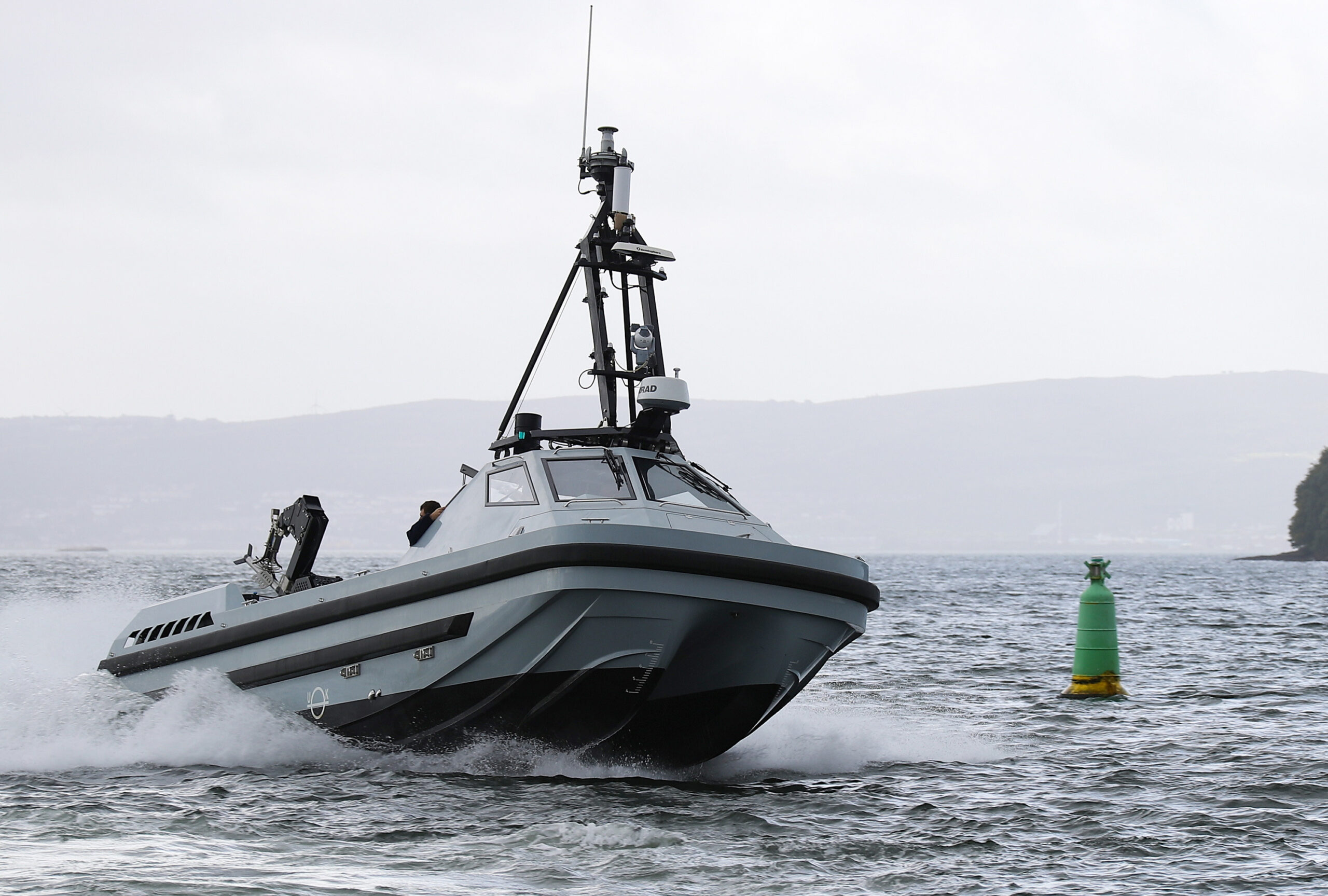

Imagine watching the Ukrainian conflict unfold and thinking: Could we adapt that same drone-driven effectiveness to our own waters? Taiwan did just that—drawing inspiration from Ukraine’s sea drone triumphs to reshape its defense posture against a looming threat from China.
Why Sea Drones Matter Now
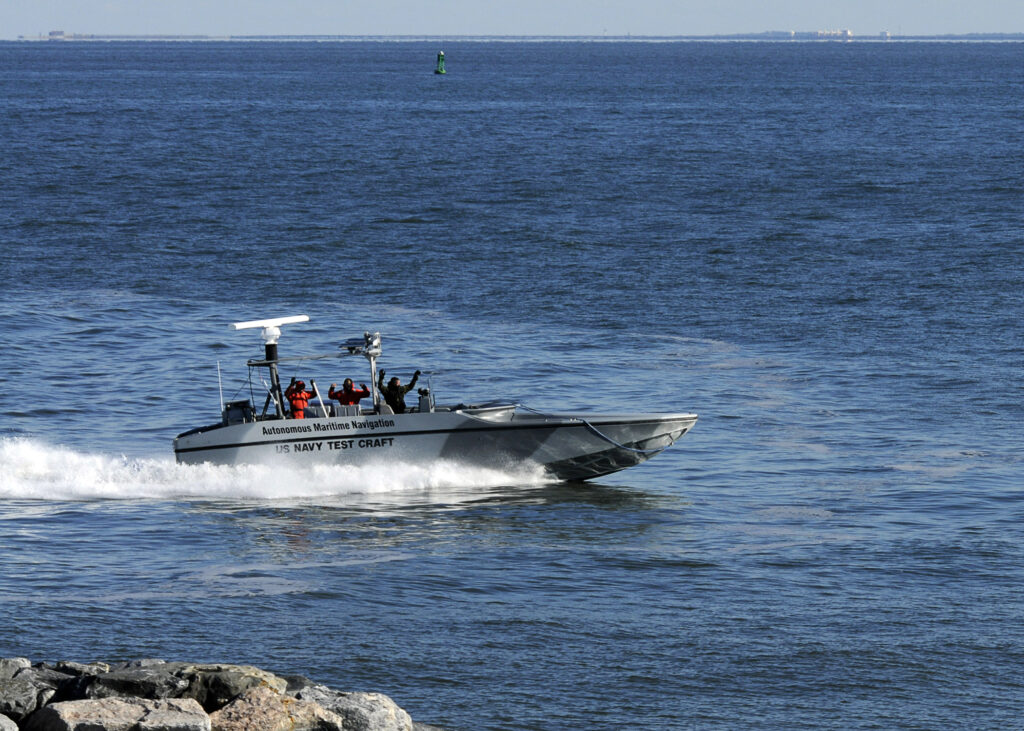
Sea drones have already disrupted traditional naval power dynamics in the Black Sea, showing that a nimble fleet of unmanned vessels can inflict serious damage on larger, conventional forces. Taiwan’s leadership recognized this early in their strategic assessments, spearheading projects to deploy both underwater and surface drones capable of surveillance, mine‑hunting, and kamikaze attacks.
This isn’t just about buying new toys—it’s about asymmetric deterrence. The core idea here is simple yet profound: if you can make an amphibious invasion “too costly” for an adversary, you’ve already shifted the balance—even without matching them ship‑for‑ship. As retired U.S. Admiral Dennis Blair put it, “Even if those opposing forces have much more air power, more missiles, a smaller country with imaginative tactics… can stop them cold”.
Progress on the Ground (or Water)
- Strategic Partnerships: Taiwan recently sealed a deal with Auterion (U.S./Germany), transferring combat-proven Ukrainian drone software to Taiwanese systems—with hopes to apply it across millions of drones.
- R&D Drive: The National Chung-Shan Institute of Science and Technology (NCSIST) leads the “Swift and Sudden” sea drone initiative, backed by a $26.8 million fund and a plan to mass-procure next year.
- Innovative Platforms: At a recent expo in Suao, companies showcased platforms like Ocean Aero’s hybrid submersible drone, Thunder Tiger’s SeaShark 800 (1,200 kg warhead, 500 km range), and the CSBC Endeavor Manta—packed with light torpedoes and intelligence systems.
Key Challenges on the Horizon
- Cost & Scale – Domestic drone production currently hovers below 10,000 units per year, far from the annual goal of 180,000 by 2028. High manufacturing costs and reliance on domestic procurement are major constraints.
- Component Shortages – Taiwan’s crucial “red‑free” supply chain, avoiding Chinese parts, drives up costs and complicates scale-ou
t.
- Operational Integration – Boasting a fleet is one thing; integrating it effectively into defense operations is another. Observers note that deploying these systems at scale requires rigorous training, unified command systems, and real-world drills .
What This Means for Defense Observers
For those tracking asymmetric warfare trends, Taiwan is fast becoming a bellwether. It’s not just about sea drones—it’s about how a smaller nation can innovate to offset a powerful neighbor. Taiwan’s model may well influence alliances beyond its shores. Western militaries are watching closely: if Taiwan crafts a new doctrine where large navies are neutralized via “thousands of small, smart, attritable systems,” it could challenge naval paradigms worldwide.
I hope this strengthens your site’s coverage: clear, well-sourced, and tuned for an international, professional audience. Let me know if you’d like deeper dives into specific models like the Endeavor Manta or SeaShark, or if you’d prefer a focus on industrial partnerships without touching Ukraine as a reference.
References
- Reuters, “Taking lessons from Ukraine, Taiwan eyes sea drones to counter China” (June 13, 2025)
- Reuters, “Taiwan seals Ukraine combat‑tested drone software deal” (June 17, 2025)
- The Wall Street Journal, “Taiwan Looks to New Sea‑Drone Tech to Repel China” (June 28, 2025)