
In mid-July 2025, fresh clashes erupted in the Druze-majority region of Suwayda, Syria, after a fragile truce unraveled. The violence began when a Druze merchant was kidnapped by Bedouin gunmen—a flashpoint that transformed simmering tensions into open conflict. What followed was a rapid spiral of retaliatory kidnappings, shelling, and gunfire across towns and villages. The death toll surged, exceeding 900 casualties according to local monitors.

Government Forces: Initial Deployment and Withdrawal
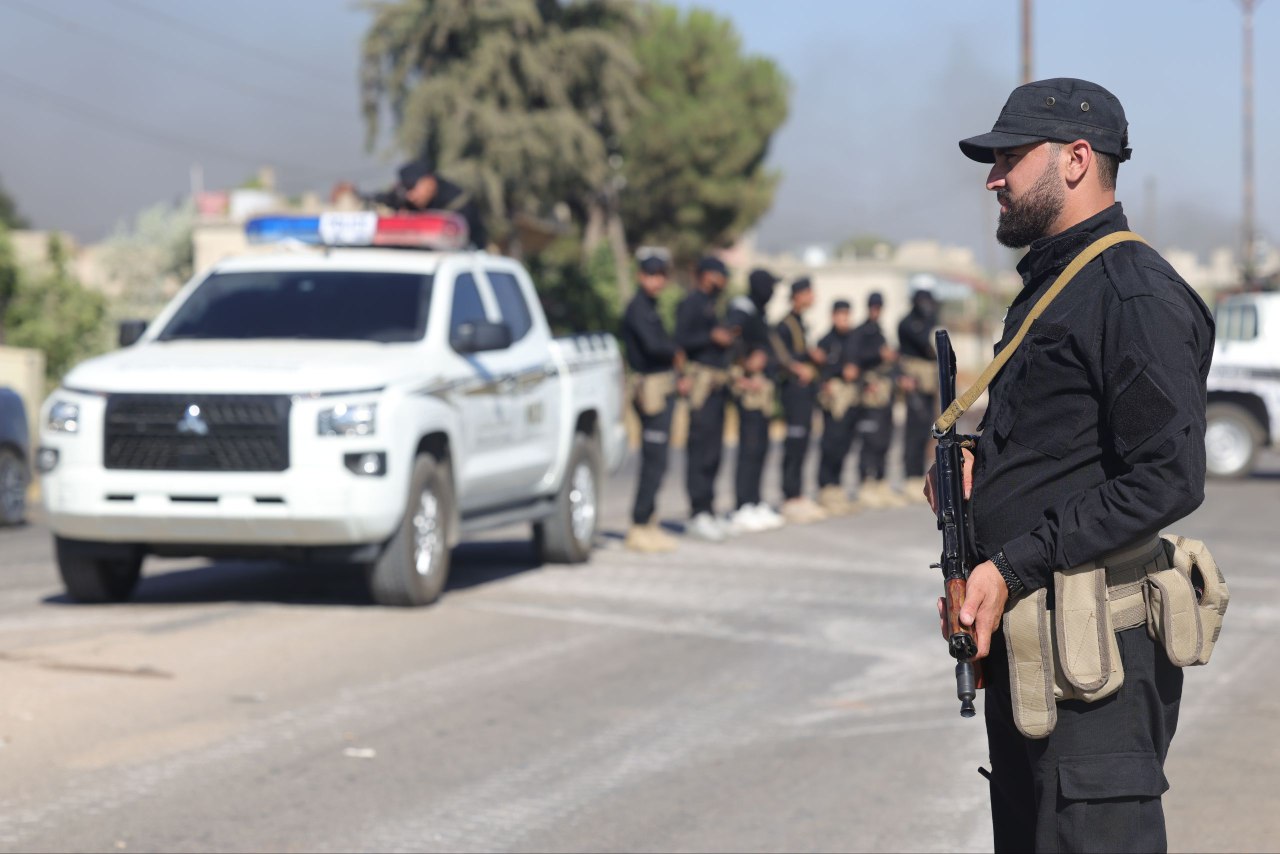
Responding to the deteriorating situation, interim President Ahmad al‑Sharaa declared a “comprehensive ceasefire” and deployed security forces between July 14–16 to separate fighting factions. However, accusations emerged that some government-linked units were involved in summary executions of Druze civilians—levels of violence that further fractured trust. Amid mounting allegations and dramatically escalated conflict, Syrian forces eventually retreated under diplomatic and military pressure.
That withdrawal created a power vacuum. Druze militias reportedly launched revenge attacks on Bedouin settlements, worsening sectarian wounds and displacing tens of thousands.
Israeli Airstrikes: Cross-Border Intervention
Israel launched airstrikes targeting Syrian government positions—including military compounds in Damascus and Suwayda—announcing them as protective actions for the Druze community. These sorties reportedly killed several Syrian soldiers and elicited official Syrian condemnations of Israeli interference.
Diplomacy and Ceasefire Agreements
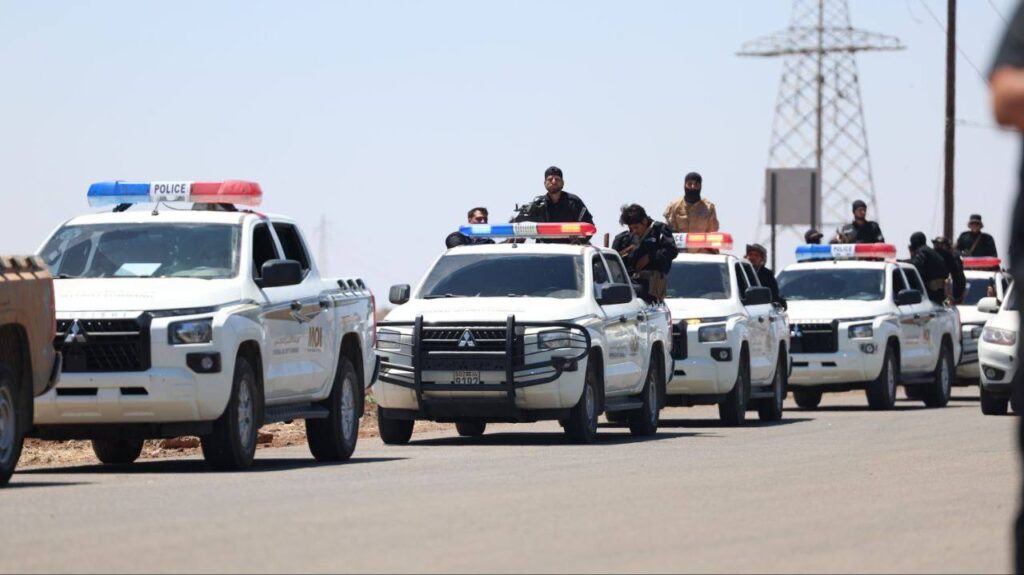
U.S. envoy Tom Barrack, along with mediators from Israel, Turkey, and Jordan, managed to negotiate a fragile ceasefire around July 16–17. The agreement included deployment of government checkpoints to monitor boundaries and restrict heavy weapons, yet skirmishes continued sporadically.
On July 19, Bedouin tribal forces announced the withdrawal of their fighters from Suwayda city, although tensions endured in surrounding areas. Checkpoints were established to enforce compliance.
Humanitarian Consequences: Displacement and Atrocities
The humanitarian fallout has been dire. Reports indicate over 80,000 people displaced, hospitals out of service, widespread looting, and acute shortages of food, water, medicine, and power.
International observers—including the UN Human Rights Office—have condemned “credible reports” of summary executions, kidnappings, and property destruction by both sides and security forces. One particularly grim incident involved a family gathering where 13 people were unlawfully killed.
Complex Dynamics: Tribal, Sectarian, and Political Layers
This conflict is not merely tribal—it exposes deeper frailties in post-Assad Syria:
- Sectarian tensions: The Druze community, historically marginalized and fearful of Sunni-dominated rule, perceives these attacks as existential threats.
- Bedouin grievances: Driven by tribal solidarity and disputes over land or honor, Bedouin engagement in the conflict reflects deeper fissures within rural Syrian society.
- Government legitimacy: The Islamist-leaning interim government under Sharaa faces challenges asserting authority, especially after accusations of sectarian violence by its security forces.
- Regional geopolitics: Israeli airstrikes, U.S. and Arab mediation, and Syria’s accusations of heightened secessionary threats highlight how Suwayda has become a nexus for regional rivalries.
The Present Situation: A Tense, Fragile Calm
By July 20, the ceasefire has largely held:
- Bedouin fighters have withdrawn from Suwayda city, with government checkpoints enforcing separation.
- However, intermittent attacks and shelling continue, and access to essential services remains severely limited.
- Humanitarian agencies—including the UNHCR—warn that relief efforts remain obstructed by insecurity and logistical challenges. Their personnel have been evacuated from rural areas, and supplies remain stranded or delayed.
Where Do We Go From Here?
Moving forward, the sustainability of peace in Suwayda will hinge on several critical elements:
- Accountability mechanisms
The UN has stressed the importance of impartial investigations into alleged atrocities—including summary executions and property destruction. Without justice measures, trust will remain elusive. - Security guarantees for minorities
The Druze in Suwayda require more robust protections, potentially via formal integration into local and national security structures. Cooperation between the Suwayda Military Council and national forces could offer a path toward institutional safety. - Consistent regional diplomacy
Miscommunications among Damascus, Washington, and Jerusalem have previously triggered escalations. Moving ahead, transparent diplomatic channels and joint frameworks are essential to avoid sudden shifts. - Humanitarian and reconstruction assistance
Immediate relief—spanning medical, food, water, and shelter support—is vital. With infrastructure overwhelmed and displacement widespread, international aid coordination must intensify. - Inclusion in governance
Addressing sectarian divisions will require meaningful political representation for Druze, Bedouin, and other groups in Suwayda. Local councils or inter-communal governance platforms could foster long-term cohesion.
Dear reader, the situation in Suwayda remains deeply fragile. While the current ceasefire marks a temporary pause, it cannot be construed as a lasting resolution. Without justice, security, and sustainable governance, the region remains vulnerable to renewed cycles of violence.
We will continue monitoring developments closely—particularly troop movements, diplomatic shifts, humanitarian access, and accountability efforts. As always, your perspectives are critically valued: how do you think international partners should engage in Suwayda’s next chapter? Can local governance reform truly mend these deep divides?