
Written by Ido Kalev.

Behind many of the most decisive operations in modern warfare lies a quiet but powerful network of elite military units. Although they belong to different nations, speak different languages, and operate under different flags, many of the world’s most capable Special Forces, many of them influenced by the operational philosophy of the British Special Air Service (SAS), share something deeper than cooperation. They share a lineage.
From the deserts of North Africa during the Second World War to the battlefields of Iraq and the covert operations of the modern era, a distinct operational philosophy has been passed down, adapted, and refined across generations of elite units. At the center of this evolution stands a unit that fundamentally reshaped modern special operations, the British Special Air Service (SAS).
Its operational doctrine, small teams, deep penetration, intelligence-driven targeting, and strategic disruption, became the blueprint for many of the world’s most effective special operations forces. Among those heavily influenced by this model were Israeli Special Forces and later the United States’ Delta Force, forming what could be described as a quiet brotherhood of elite units.
This network is rarely formalized, rarely discussed publicly, and often invisible to the outside world. Yet its influence can be seen in some of the most complex and daring operations of the past half century. Understanding this hidden lineage reveals something deeper about modern warfare itself: the increasing importance of small, highly capable teams that can shape strategic outcomes far beyond their size.
The SAS Blueprint
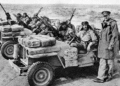
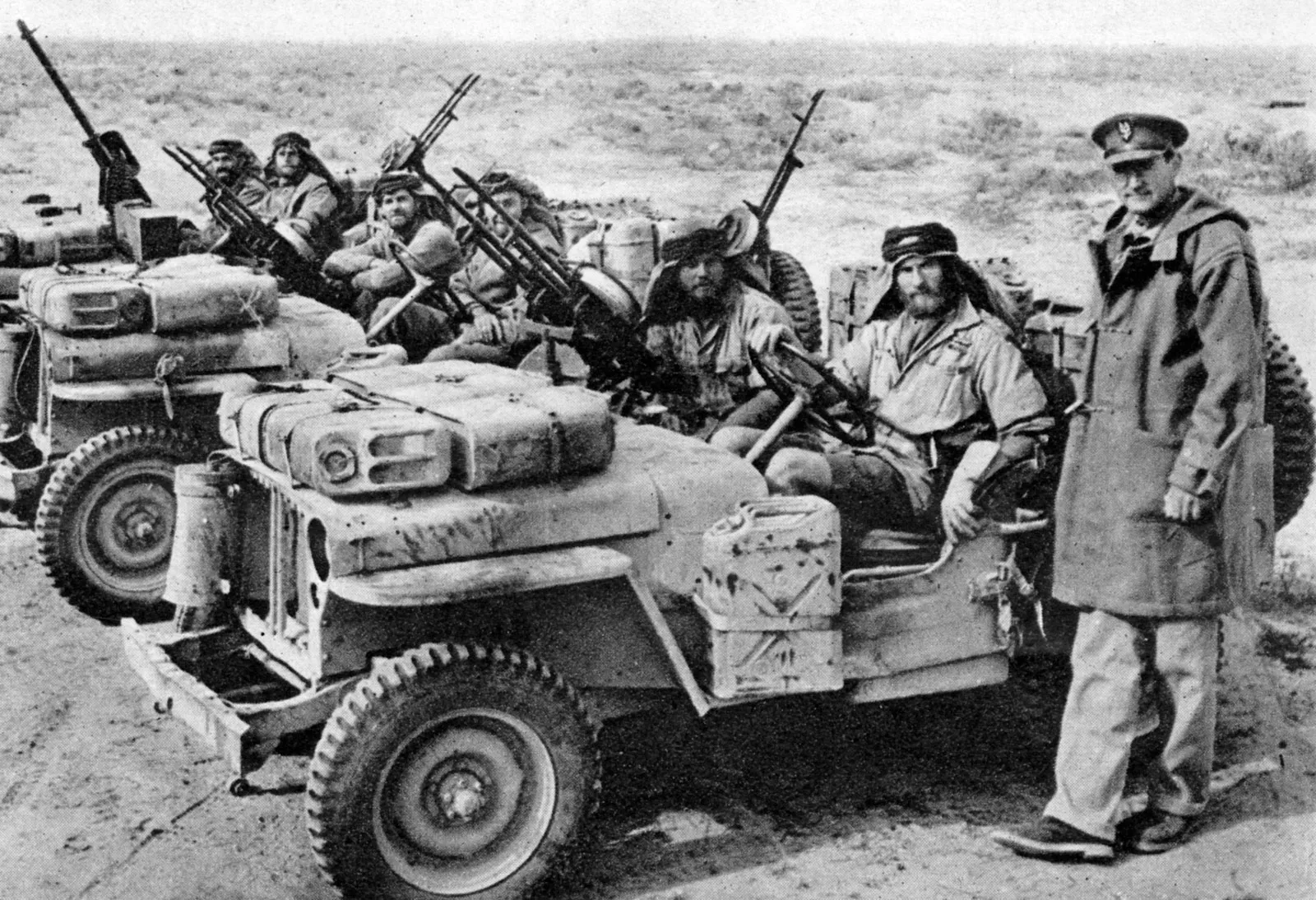
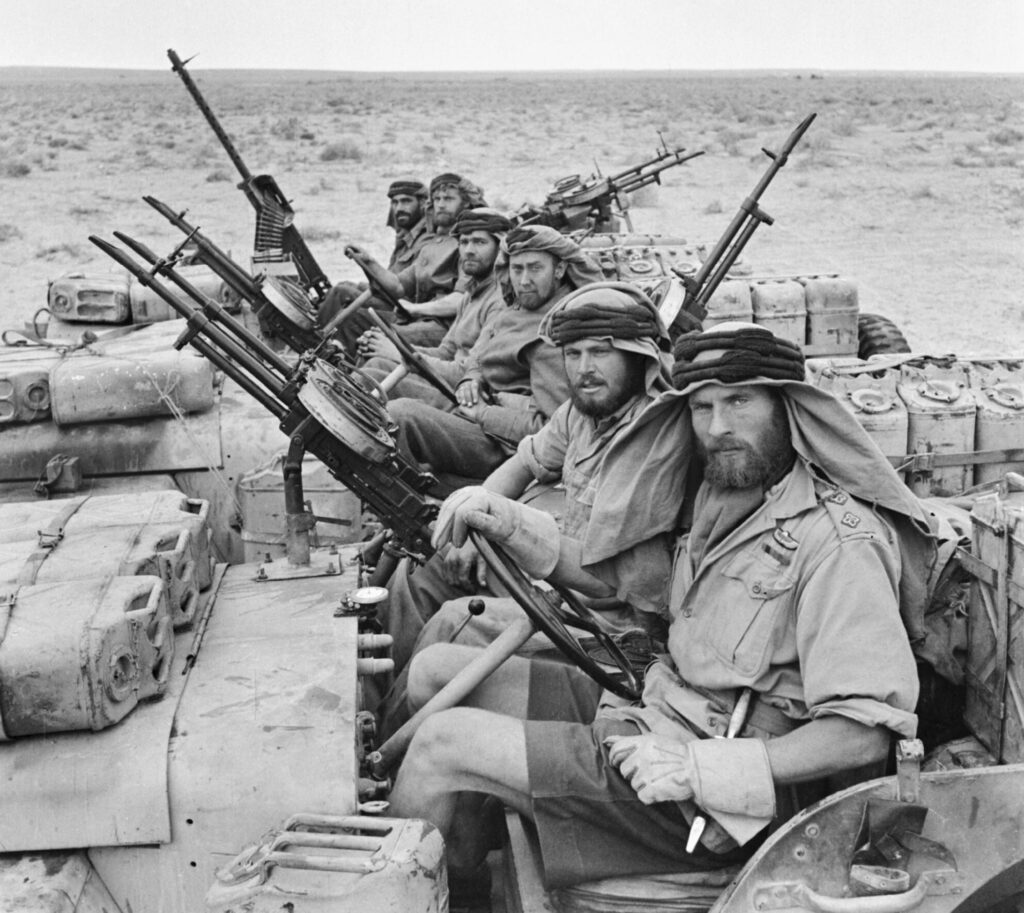
The origins of this operational philosophy can be traced back to the British Special Air Service. Formed during the Second World War by David Stirling, the SAS introduced a radically different approach to warfare. Instead of relying on large formations and conventional battlefield engagements, the unit focused on small, highly mobile teams capable of penetrating deep behind enemy lines.
Operating in the deserts of North Africa, these teams conducted sabotage missions, destroyed enemy aircraft on the ground, disrupted supply lines, and gathered intelligence in environments where conventional forces could not operate effectively.
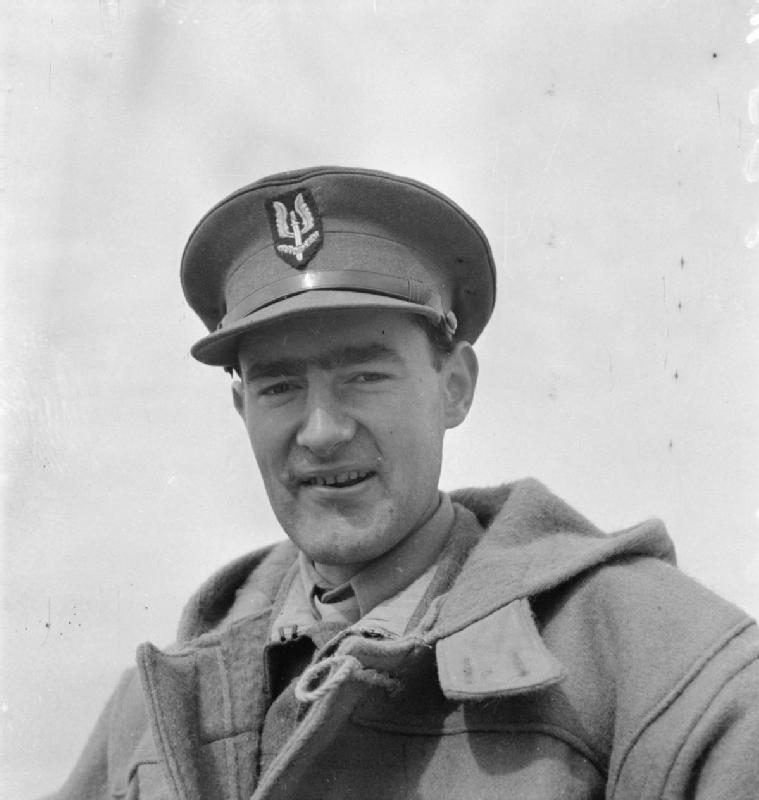
What made the SAS model revolutionary was not only the missions themselves, but the philosophy behind them. The emphasis was placed on initiative, adaptability, and autonomy at the team level. Small groups of operators were trusted to make decisions in dynamic environments, often far removed from traditional command structures.
This concept, highly trained operators working in small, flexible teams with strategic objectives, became the foundation for modern special operations doctrine. Over time, the SAS model began influencing other countries that were developing their own elite units. Among the most notable of these adaptations was Israel.
The Israeli Adaptation
Israel faced a wave of international terrorism in the 1970s that forced it to develop advanced counterterrorism capabilities earlier than many other states. Units such as Sayeret Matkal and Shayetet 13 built upon similar operational principles: small teams, intelligence-driven missions, and rapid precision assaults.
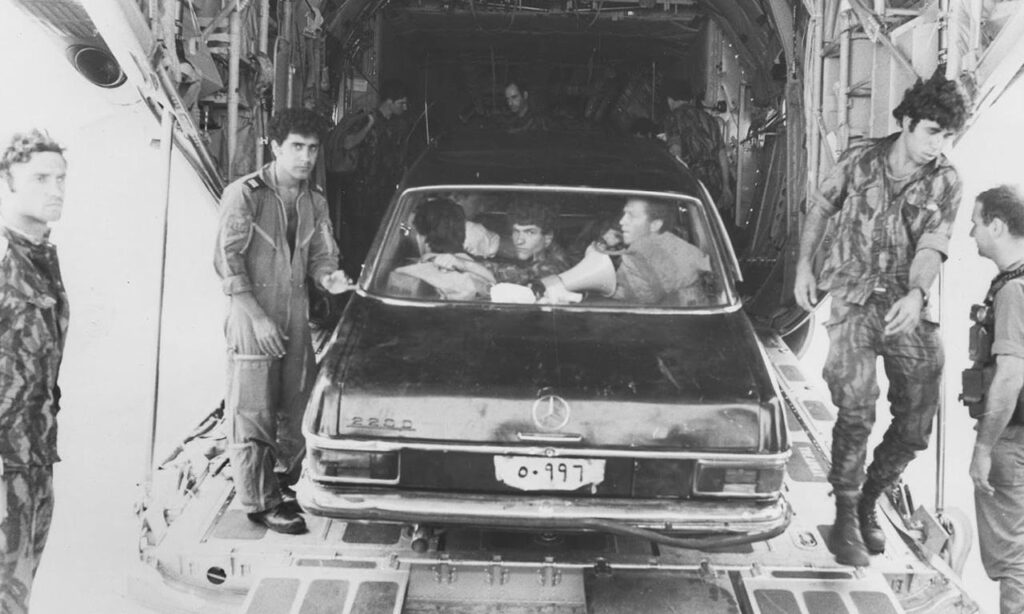
One of the most famous examples of this approach was Operation Entebbe in 1976, where Israeli commandos conducted a long-range hostage rescue mission at Entebbe Airport in Uganda.
The operation required
• Long-distance strategic planning
• Precise intelligence
• Rapid execution by a small elite force
The success of the mission demonstrated that counterterrorism operations could be conducted across continents with carefully planned special operations forces. For many analysts, Entebbe represented a turning point in how governments understood the strategic potential of elite units.
Operation Spring of Youth in 1973 demonstrated a model of urban precision raids that would later become central to modern special operations doctrine. Israeli commandos infiltrated Beirut, struck multiple high-value targets within minutes, and withdrew before local forces could react.
For Western Special Forces observing these operations, the lesson was clear: small, intelligence-driven teams could achieve strategic effects traditionally associated with much larger military forces. Many of these operational principles closely mirrored those refined by the British Special Air Service during covert operations and counterterrorism missions.
Over time, Israeli and British units exchanged lessons and training methodologies, reinforcing a shared tactical philosophy that would later influence American special operations forces.
The American Expansion
By the late twentieth century, the United States began to systematically study and incorporate the operational lessons developed by both the British and Israeli Special Forces communities. While American military power had traditionally relied on large-scale formations and overwhelming firepower, the growing threat of terrorism and irregular warfare highlighted the need for highly specialized counterterrorism units capable of operating with speed, precision, and autonomy.
One of the most significant developments in this evolution was the creation of Delta Force in 1977. The unit’s founder, Colonel Charles Beckwith, had previously served with the British Special Air Service during an exchange program. During this time, he closely observed the SAS operational philosophy, training methods, and command structure.
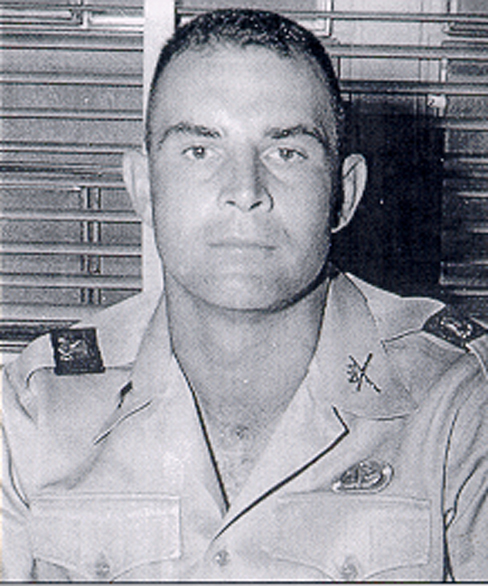
Beckwith returned to the United States convinced that the American military required a similar elite counterterrorism capability. Delta Force was therefore built directly upon the SAS model, small, highly selective teams trained to conduct intelligence-driven operations, hostage rescues, and precision strikes in complex environments.
At the same time, American planners were also closely studying the operational experience of Israeli Special Forces, particularly their ability to integrate intelligence with rapid operational execution. The growing cooperation between the United States, Britain, and Israel gradually created an informal ecosystem of elite units that shared training concepts, operational experience, and evolving doctrines of modern special warfare.
This cooperation often took place quietly. Joint training exercises, intelligence exchanges, and professional military relationships helped shape a shared understanding of how small elite units could operate effectively against complex security threats. Over time, this evolving network would become increasingly important as warfare itself began to change.
Iraq – The Laboratory
The wars in Iraq and Afghanistan transformed the role of special operations forces. For the first time in modern history, elite units were not simply supporting conventional armies. In many cases, they became the primary instrument for dismantling insurgent and terrorist networks.
Iraq, in particular, became what many military professionals later described as a laboratory for modern counterterrorism operations. Within this environment, cooperation between elite Western units intensified dramatically.
American units such as Delta Force and SEAL Team Six, British formations including the SAS and SBS, and intelligence networks across allied services began operating within an increasingly integrated operational framework. This collaboration was not formalized in public alliances, but in practice it created one of the most sophisticated counterterrorism systems ever assembled.
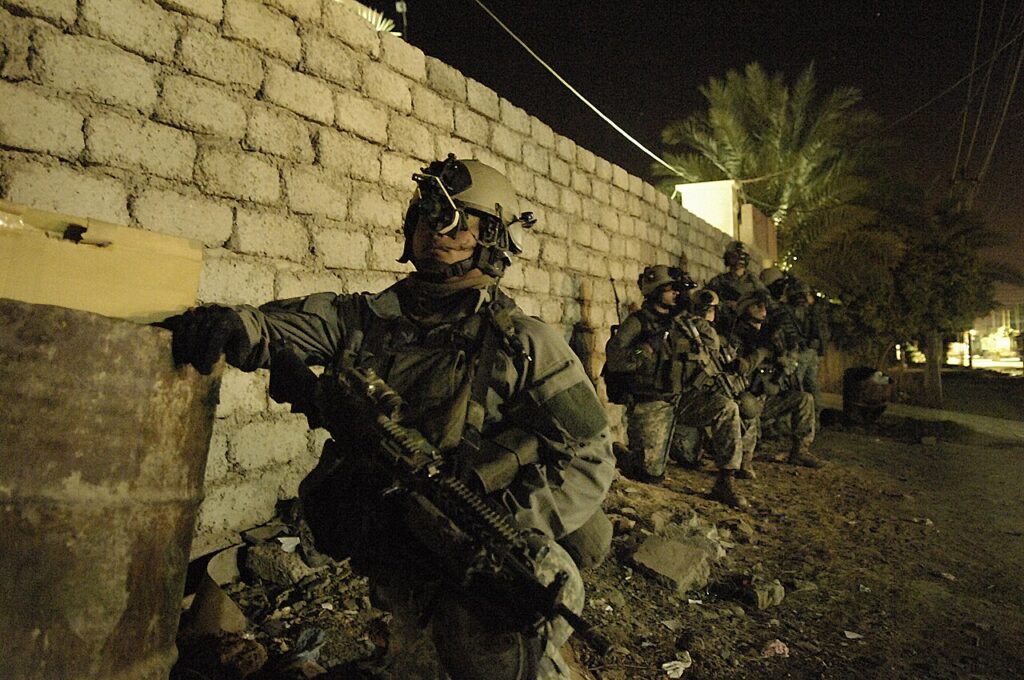
Joint task forces coordinated intelligence, surveillance, and precision strikes with unprecedented speed. Rather than relying solely on large-scale military operations, these units adopted a new operational cycle designed to dismantle terrorist networks node by node.
This approach became known as the Find – Fix – Finish methodology.
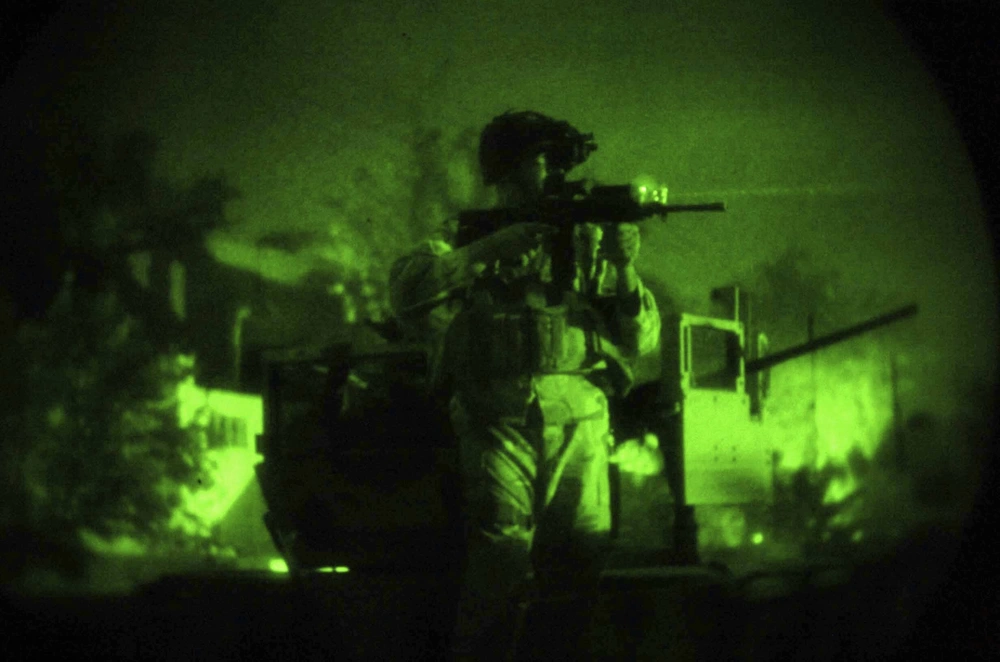
First, intelligence networks would locate key individuals or operational cells. Second, surveillance assets and reconnaissance teams would confirm their location and movements. Finally, highly specialized assault teams would execute targeted raids designed to capture or eliminate high-value targets.
Through this model, elite units were able to dismantle entire insurgent structures through a series of precise operations rather than prolonged conventional battles. One of the most significant targets of this campaign was Abu Musab al-Zarqawi, the leader of Al-Qaeda in Iraq.
The Zarqawi Campaign
The campaign against Abu Musab al-Zarqawi became one of the defining examples of modern counterterrorism operations. Zarqawi, the leader of Al-Qaeda in Iraq, had built a decentralized and highly resilient network responsible for some of the most violent insurgent attacks during the early years of the Iraq War.
Traditional military operations struggled to dismantle this type of structure, as insurgent cells could quickly disperse and reorganize. To counter this challenge, coalition forces increasingly relied on the integrated special operations framework that had been developing since the early stages of the war.
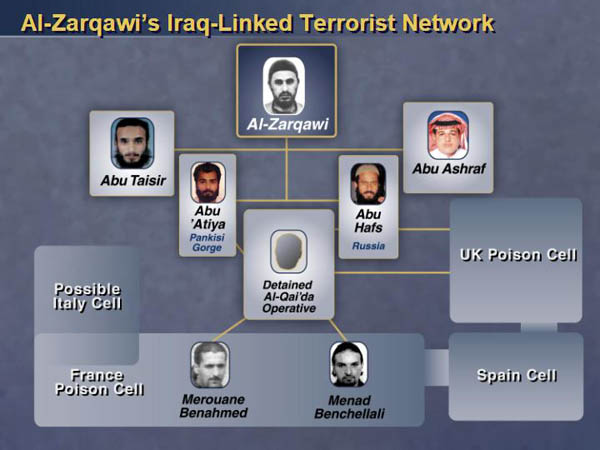
At the center of this effort stood Joint Special Operations Command (JSOC), which coordinated the activities of elite American units such as Delta Force and SEAL Team Six, while working closely with British Special Forces including the SAS.
Night after night, special operations units conducted targeted raids based on real-time intelligence. Each operation generated new information, documents, communications devices, and captured operatives, which in turn led to the next target. This created an accelerating operational cycle.
What had once taken weeks or months of intelligence preparation could now unfold within hours. Over time, this relentless pressure began to fracture Zarqawi’s network.
Eventually, the intelligence gathered through this sustained campaign allowed coalition forces to locate Zarqawi himself. In June 2006, a targeted strike killed the Al-Qaeda leader near Baqubah.
The Quiet Brotherhood
Although elite units operate under different flags and national command structures, their professional cultures often reveal striking similarities. Training methods, operational planning, and mission execution frequently reflect shared principles that have evolved through decades of experience and cooperation.
This informal professional network is rarely visible to the public. Yet within the world of special operations, it is widely understood that many of the most capable units maintain long-standing relationships through joint exercises, training exchanges, and operational cooperation.
British, American, and Israeli Special Forces have repeatedly trained together over the years, exchanging tactical knowledge and refining operational methods. These interactions create a common professional language, one built on precision, adaptability, and trust between small teams operating in high-risk environments.
This is the quiet brotherhood of Special Forces.
It does not exist as a formal alliance, nor is it governed by treaties or public agreements. Instead, it exists through professional respect, shared experience, and the recognition that the challenges faced by elite units are often similar regardless of nationality.
Modern warfare is often described through the language of large armies, advanced weapon systems, and global alliances. Yet many of the most decisive moments of the past half century were shaped not by mass, but by small groups of highly trained individuals operating far from the public eye.
From the deserts of North Africa where the SAS first experimented with unconventional warfare, to the hostage rescue at Entebbe, the covert raids of Beirut, and the intelligence-driven campaigns in Iraq, a quiet evolution took place.
Across different nations and different decades, elite units studied one another, trained together, and refined a shared approach to conflict built on speed, intelligence, precision, and trust in small teams.
What emerged was something rarely visible to the outside world, a professional brotherhood that transcended national boundaries.
Evolution of Modern Special Operations Doctrine
1940s
SAS – Britain
Birth of modern special operations
David Stirling
↓
1970s
Israel
Sayeret Matkal
Shayetet 13
Counterterrorism doctrine
↓
1980s
United States
Delta Force
Navy SEALs
Expansion of elite counterterrorism units
↓
2000s
JSOC and Allied SOF
Iraq and Afghanistan
Find – Fix – Finish warfare
↓
Today
The Quiet Brotherhood
Global network of elite special operations forces
SAS
↓
Israel
↓
Delta / SEALs
↓
JSOC
↓
Modern Warfare